
Home DIYers: Oceancarestore Eco Seal for Pool Grout Adds 1–3 Years
Yes, you should seal pool grout. A pool-safe penetrating, low-VOC sealer applied after thorough cleaning and complete drying protects grout from staining, scale buildup, and gradual breakdown. The single most important step before sealing anything is confirming the grout is clean and fully dry, since sealing over contaminants or moisture wastes the product and your effort.
TL;DR:
- Proper cleaning and ensuring complete dryness are crucial because sealing over contaminants or moisture causes early sealer failure.
- Penetrating sealers are best for pool grout since they protect from within and are more resistant to constant immersion than surface coats.
- Most grout requires resealing every one to three years, with heavily used or sun-exposed pools needing more frequent applications.
- Testing grout with a water splash test lasting 60 to 90 seconds confirms it is dry enough to accept sealer without trapping moisture.
- DIY resealing is suitable for routine maintenance, but extensive damage or calcium scaling should be handled by professionals.
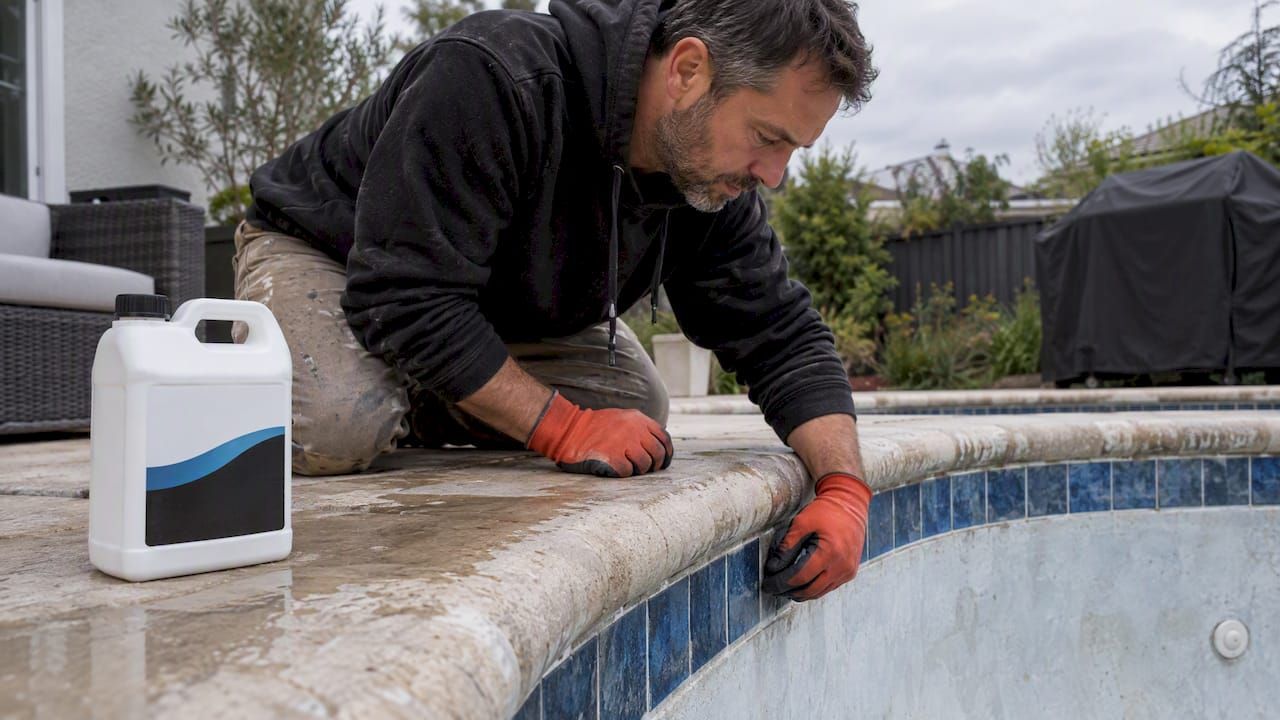
Table of Contents
- How do you apply sealer to pool grout step by step?
- Prepping grout and tile before you seal anything
- Choosing the right pool-safe grout sealer
- How long does pool grout sealer take to cure?
- Common mistakes and myths that ruin a reseal job
- Oceancarestore's practical, eco-friendly tips
- When to DIY a pool grout reseal versus calling a pro
- Where to find pool-safe, eco-friendly sealers and cleaners
- FAQ
How do you apply sealer to pool grout step by step?
Sealing pool grout is a sequence, not a single action, and skipping a step tends to show up later as patchy coverage or a sealer that fails within months instead of years.
- Decide on water level. Work above the waterline without draining; a full drain is only necessary when grout below the waterline needs repair or heavy decontamination.
- Clean thoroughly. Use an oxygen-based cleaner on grout and tile, adding a calcium remover for scale buildup; avoid acids on natural stone or delicate finishes, which can etch the surface.
- Confirm dryness. Run a 60 to 90 second water test: splash a small area and watch whether it beads or soaks in. Grout that absorbs water quickly is dry enough to seal.
- Apply the sealer. Use a squeeze bottle for straight grout lines and a small brush for corners and joints, working in sections small enough to manage before the product starts to set.
- Remove excess and cure. Wipe tile faces promptly before sealer dries on the surface, buff if a haze appears, then hold off on water contact for the manufacturer's recommended cure window.
Pro Tip: Seal on a dry, mild day and test one tile first. A rushed afternoon job on damp grout is the most common reason resealing has to be redone within a year.
Prepping grout and tile before you seal anything
A sealer only bonds as well as the surface underneath it. Cleaning, decontaminating, and repairing come first.
- Use oxygen-based cleaners for general grime, and a chlorine spot treatment for algae, followed by a full rinse and neutralization so no residue interferes with sealer adhesion.
- Treat calcium scale with a dedicated calcium releaser; heavy, crusted buildup on large areas often calls for a professional service rather than repeated scrubbing.
- Patch hairline cracks and re-grout any missing joints before sealing, since sealer applied over damaged grout just locks in the problem.
- Run the 60 to 90 second water test on a few spots once cleaning is done. This confirms the grout is dry enough to accept sealer rather than trapping moisture underneath it.
Choosing the right pool-safe grout sealer
Not every sealer belongs in a pool environment, and the wrong choice either fails fast or changes how your tile looks.
- Penetrating sealers soak into porous cement grout and protect from within without forming a surface film, which matters in constant-immersion conditions where a topical coating can peel.
- Topical sealers sit on the surface and can add sheen, but they tend to wear faster underwater and may need more frequent reapplication along splash zones.
- Epoxy grout is already non-porous in most cases and often skips penetrating sealer entirely; check your grout type before buying anything.
- Waterline and splash areas face more UV and chemical exposure than fully submerged joints, so factor that exposure into product choice and reseal timing.
- Eco-friendly, low-VOC sealers suit pool settings particularly well since they reduce fumes and runoff risk near water, with the trade-off being a smaller range of finishes compared to some conventional products.
How long does pool grout sealer take to cure?
"Dry to touch" and "fully cured" are not the same thing. A sealer can feel dry within hours while still needing days to reach full chemical cure, and refilling or using the pool too soon undermines the protection you just applied.
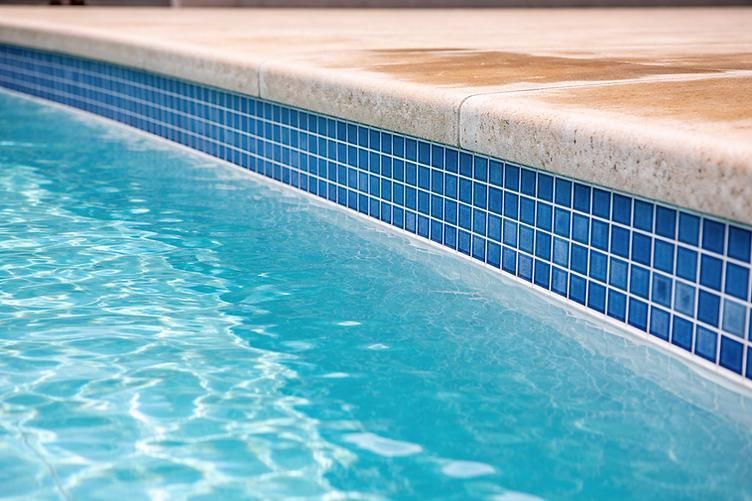
Most cement grout needs regular resealing roughly every one to three years, depending on product and pool use, and that range comes from the maintenance guidance Oceancare Store publishes on reseal frequency and the water-dry test. Heavy use, harsh pool chemicals, and constant sun exposure all shorten that window. Test cure on a small patch before full water exposure, and watch for staining, grout darkening, or a jump in algae growth as signs the old sealer has worn through.
Common mistakes and myths that ruin a reseal job
Most sealing failures trace back to a handful of avoidable errors, documented in Oceancare Store's guidance on common mistakes when applying grout sealers.
- Myth: you can skip cleaning. Sealing over algae, calcium, or oil residue just traps the problem under a protective layer that makes it harder to remove later.
- Mistake: sealing damp grout. Moisture trapped under sealer can cause cloudiness or early failure; always confirm dryness first with a water test.
- Mistake: wrong sealer for the grout type. Using a heavy topical product on epoxy grout, or an acidic cleaner before sealing natural stone, can damage the surface rather than protect it.
- Fixing haze or over-application. A light haze from excess sealer usually buffs off with a soft cloth within the cure window; once fully cured, it may need a dedicated stripping product instead.
Oceancarestore's practical, eco-friendly tips
Plant-based, low-VOC formulas matter most on surfaces people and pets touch directly, which is exactly the case with pool decks and waterline tile.
- Buy a small size first and test patch before committing to a full pool's worth of product.
- Follow posted cure times exactly rather than estimating based on how dry the surface looks.
- Use non-acidic cleaners ahead of sealing, outlined in the deep-clean grout without harsh acids guidance, to avoid etching before the sealer ever goes on.
- Check the pool tile maintenance resources for routine upkeep once sealing is done.
When to DIY a pool grout reseal versus calling a pro
Routine resealing and small crack repairs are reasonable DIY jobs for most homeowners with a free weekend. Extensive substrate damage, large-scale calcium scaling, or a persistent leak around tile are signs the problem runs deeper than a sealer can fix, and a professional cleaning approach or contractor assessment is worth the cost at that point.
Where to find pool-safe, eco-friendly sealers and cleaners
We built our product lines around the exact problem this guide walks through: protecting grout and tile without harsh chemicals that can irritate skin or harm a pool's ecosystem. Our Stone & Grout Sealers cover pool-safe, low-VOC penetrating options suited to cement grout, while our Pool Tile Maintenance Products address the cleaning and upkeep side of the same job.
- Choose a pool-safe, low-VOC sealer matched to your grout type before buying anything.
- Test patch a small section first to check color, sheen, and adhesion.
- Pair sealing with routine care using our pool tile maintenance guidance.
| Need | Product line | Where to start |
|---|---|---|
| Grout protection | Stone & Grout Sealers | Shop sealers |
| Routine pool tile care | Pool Tile Maintenance Products | Shop pool tile products |
| General surface cleaning | Home Essential Cleaners | Shop home cleaners |
If your pool has an unusual stone, glass, or specialty tile surface, reach out to our support team before applying anything so we can point you toward the right formula.
FAQ
Should you seal your bathroom grout?
Yes, bathroom grout benefits from sealing for the same reason pool grout does: cement grout is porous and absorbs moisture, soap residue, and staining over time. A penetrating sealer suited to indoor tile helps it resist mildew and discoloration between cleanings.
What is the best sealer for pool pavers?
A penetrating, pool-safe sealer is generally preferred for pool pavers because it protects without leaving a surface film that can peel under constant water exposure and foot traffic. Low-VOC, plant-based formulas are a good fit around pool decks where fumes and runoff near water are a concern.
How long does pool tile grout need to dry before sealing?
Grout needs to pass a simple 60 to 90 second water test, splashing a small area and checking that it absorbs rather than beads, before it's ready to seal. Sealing over damp grout traps moisture underneath and can cause cloudiness or early sealer failure.
What is the best sealer for shower tile?
Shower tile grout typically calls for a penetrating sealer if it's cement-based, since epoxy grout is already non-porous and often doesn't need one. A low-VOC option is worth prioritizing given how enclosed and humid shower spaces tend to be.

