
Clean Porcelain Shower Walls: Plant Based Care, Skip Harsh Scrubbing
The quickest safe way to clean porcelain shower walls is a pH-neutral cleaner or mild dish soap, applied with a soft tool, left to dwell for 5 to 10 minutes, then wiped and rinsed thoroughly. Skip abrasive pads and strong acids, which can dull the glaze. Grout needs its own gentler routine, since it absorbs moisture differently than the tile around it.
TL;DR:
- Clean shower walls two to three times weekly with a neutral pH cleaner; let it sit one to two minutes, wipe downward, and squeegee.
- For monthly buildup, apply cleaner or mild dish soap for 5 to 10 minutes, then use a white nylon pad and rinse thoroughly.
- Treat soap scum and mineral scale separately: degrease and rinse first, then spot test a mild acid descaler before applying it to chalky deposits.
- Clean grout with a soft brush and oxygen bleach labeled safe for grout; reseal every one to two years, and replace cracked or peeling caulk.
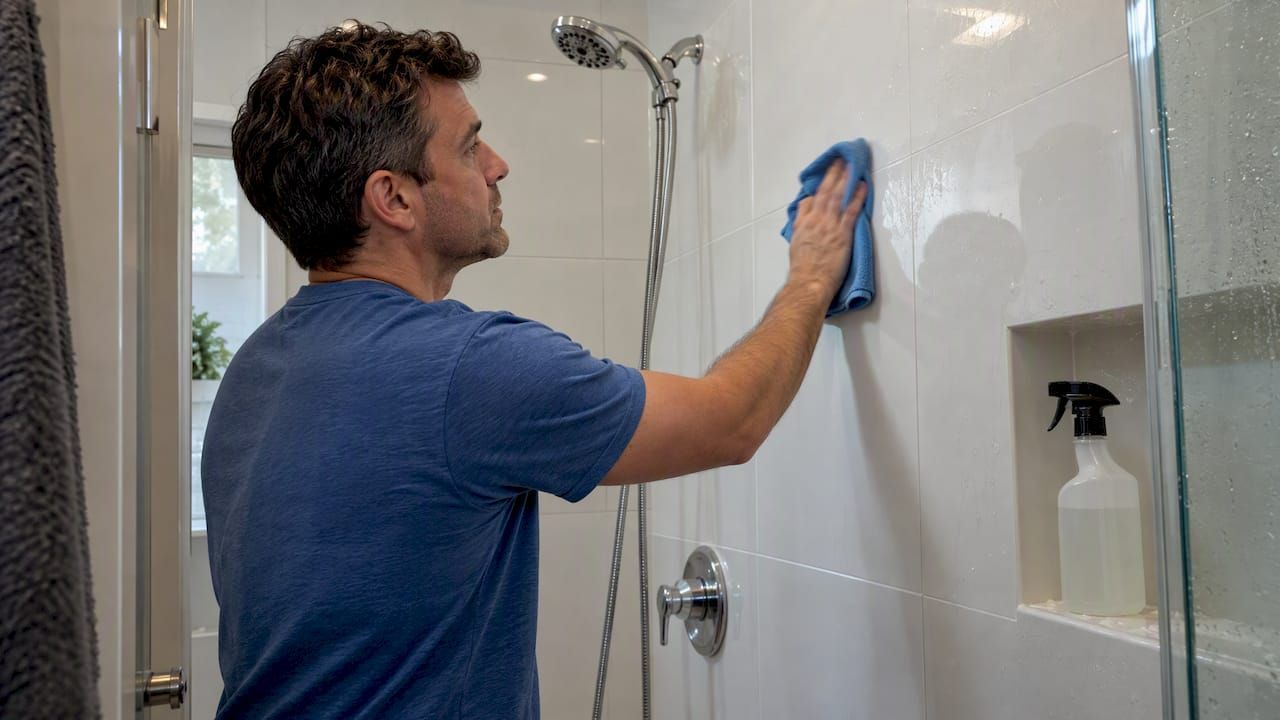
Table of Contents
- What You'll Need: Safe Tools, Cleaners, and Safety Basics
- Step-by-Step Cleaning Routine for Weekly Upkeep and Deep Cleans
- Tackling Soap Scum and Hard-Water Mineral Buildup Safely
- Grout and Caulk Care: Cleaning, Resealing, and When to Replace Caulk
- What to Avoid: Abrasive Tools and Unsafe Chemistries
- Eco-Friendly Options and Expert Tips for Porcelain Care
- A Practical Take on Porcelain Shower Care
- Keep Your Shower Walls Looking New
- FAQ
- Sources
What You'll Need: Safe Tools, Cleaners, and Safety Basics
Porcelain holds up well in wet environments, but it still needs the right materials to stay scratch free and streak free. The wrong pad or a harsh chemical can etch the glaze faster than soap scum ever could.
Keep these on hand:
- A microfiber cloth for wiping and buffing dry.
- A white nylon non-scratch pad for stubborn spots.
- A soft-bristled brush for grout lines and corners.
- A squeegee for daily water removal.
- A pH-neutral tile cleaner or a few drops of mild dish soap in water.
Reach for a descaler only when you see cloudy, chalky buildup from hard water, and always spot test it first. Basic safety matters too: wear gloves with stronger products, keep the bathroom door open or the fan running, and let rinse water drain fully so residue doesn't resettle on damp walls.
Step-by-Step Cleaning Routine for Weekly Upkeep and Deep Cleans
A short routine done often beats an occasional scrub session, and it's easier on both the glaze and your schedule.
Weekly upkeep:
- Spray a pH-neutral cleaner over damp walls after a shower.
- Let it sit for one to two minutes.
- Wipe with a microfiber cloth, working from top to bottom.
- Squeegee the walls to cut down on water spots and mineral buildup.
Doing this two to three times a week prevents the kind of soap film that eventually needs heavier tools to remove.
Deep clean, done monthly or as needed:
- Apply a pH-neutral cleaner or mild dish soap solution generously across the wall.
- Let it dwell for 5 to 10 minutes so the chemistry can loosen soap scum and mineral film on its own.
- Agitate gently with a white nylon pad or soft brush, focusing on grout lines and corners.
- Rinse thoroughly with warm water.
- Repeat on spots that still look dull or cloudy.
Before treating the whole wall, test any new cleaner on a small, hidden tile to confirm it won't discolor the grout or leave a haze. Once you're done, crack a window or run the exhaust fan so the walls dry fully and water spots don't reform.
Pro Tip: Let the cleaner's dwell time do the work. Scrubbing harder than necessary is what scratches glaze and wears down grout, not the cleaning itself.
Tackling Soap Scum and Hard-Water Mineral Buildup Safely
Soap scum and hard-water scale are different problems, and treating them with the same product often means scrubbing too hard to compensate.
- Soap scum is mostly body oils and soap residue, so a surfactant-based or mildly alkaline cleaner with a few minutes of dwell time usually lifts it without force.
- Hard-water scale is mineral deposits, which respond better to a milder acid-based descaler used sparingly and always spot-tested first.
- When walls show both a cloudy film and chalky white spots, degrease first, rinse, then follow with a light descaling pass rather than combining products.
Trade guidance consistently points to dwell time over aggressive scrubbing for lifting both soap scum and grout grime without damaging the surface underneath. If scale has built up for months or years and a descaler leaves the surface etched or uneven after a careful attempt, that's a sign to bring in a professional restoration service rather than escalating the chemistry yourself.
Grout and Caulk Care: Cleaning, Resealing, and When to Replace Caulk
Grout is porous, which means it absorbs water, soap, and cleaning chemicals differently than the glazed tile around it, and that makes it more prone to mold and discoloration if treated carelessly; understanding the benefits of sealing as explained in Evidence Backed Paver Sealing Benefits for Homeowners can help protect grout and other porous surfaces.
- Clean grout with oxygen bleach solutions or cleaners labeled safe for grout, applied with a soft brush.
- Avoid pouring straight bleach directly on colored grout, since it can lighten or blotch the tint unevenly.
- Reseal grout roughly every one to two years, and check the seal by splashing water on it: if it beads up, the seal is holding; if it soaks in within a minute, it's time to reseal.
Our grout sealing guide walks through the process step by step, and a look at why sealing protects tile explains what a good seal is actually preventing.
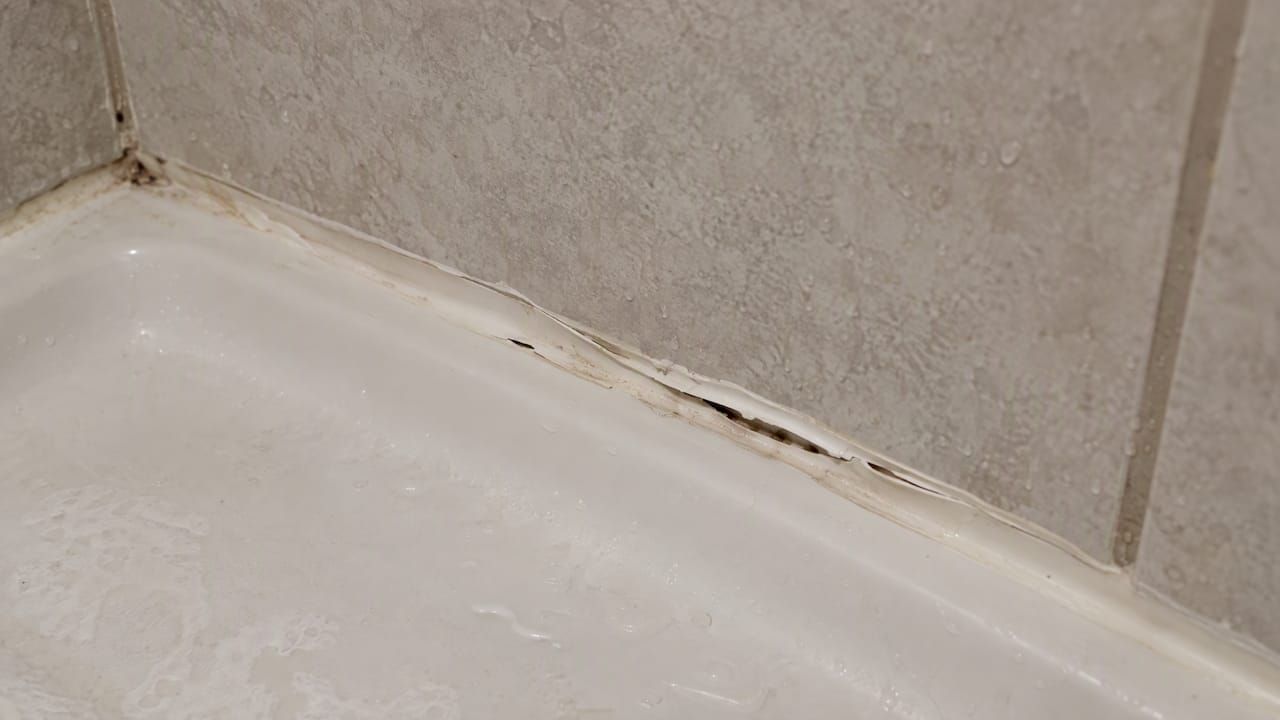
Pro Tip: If caulk around the shower base is cracked or peeling, replace it instead of trying to clean or chemically treat it. No cleaner restores a broken seal.
What to Avoid: Abrasive Tools and Unsafe Chemistries
A handful of common habits cause most of the scratches and discoloration we see on porcelain shower walls.
- Skip wire brushes, steel wool, and powdered abrasive cleansers, all of which can scratch the glaze permanently.
- Avoid undiluted muriatic or hydrochloric acid and strong industrial alkalis, which can etch porcelain and erode grout.
- Go easy on bleach around colored grout, since it can fade the tint unevenly over repeated use.
- Swap any of these for a white nylon pad and a pH-neutral cleaner, which clean just as effectively without the risk.
Eco-Friendly Options and Expert Tips for Porcelain Care
Routine porcelain care doesn't require harsh chemistry, and plant-based, biodegradable, low-VOC cleaners handle soap scum and light mineral film just as well as conventional options while being gentler on both your lungs and your grout.
A few habits make a bigger difference than the product you choose:
- Let the cleaner dwell for 5 to 10 minutes before wiping, rather than scrubbing on contact.
- Use a white nylon pad for any spot that resists a cloth, never a colored or metallic one.
- Spot test any new product on a hidden tile before using it on the full wall.
- For cloudy haze, a dedicated haze remover paired with gentle hand polishing restores clarity without aggressive chemicals.
Our eco-friendly bathroom cleaning methods cover how to keep this routine both effective and low-impact on household air and water.
A Practical Take on Porcelain Shower Care
The biggest mistake we see isn't neglect, it's overcorrection: reaching for a stronger acid or a scrub pad after one missed week instead of sticking with a gentle, consistent routine. Conservative chemistry paired with regular upkeep beats occasional heavy-handed cleaning every time, and it keeps both the glaze and your household air safer in the process.
Keep Your Shower Walls Looking New
We build our Home Essential Cleaners line around the same pH-neutral, plant-based approach this routine calls for, so daily upkeep stays simple without risking the glaze. When grout is due for resealing, our Stone & Grout Sealers create the protective barrier that makes future cleaning faster.
- Daily care: pH-neutral cleaner for routine wiping and squeegeeing.
- Deep clean: concentrate formula for monthly buildup.
- Protect: sealer to reduce soil adhesion between cleanings.
- Grout: acid-free sealer on a one to two year cycle.
Browse our full product lineup to match the right formula to your shower.
FAQ
Can I Use Dawn Dish Soap on Porcelain Tile?
Yes, a small amount of mild dish soap diluted in water is generally safe for porcelain tile and works well against light soap scum. Use a soft cloth or white nylon pad, and rinse thoroughly since soap residue can leave a film if left to dry.
Is Porcelain a Good Material for Shower Walls?
Porcelain is widely recommended for shower walls because it resists moisture and stains well, though it still needs regular cleaning and care to keep its finish looking its best. It is not maintenance-free, but it holds up better than many softer tile materials over time.
What Cleaner Is Safe on Porcelain Tile?
A pH-neutral tile cleaner is the safest everyday choice, since it cleans effectively without risking the glaze or leaving residue. Mild dish soap diluted in water works as a backup option for light, routine cleaning.
What Should You Not Use on Porcelain Tiles?
Avoid wire brushes, steel wool, powdered abrasive cleansers, and undiluted strong acids like muriatic acid, all of which can scratch or etch the glaze. Strong industrial alkalis are also risky and can damage both the tile finish and the grout around it.

