
Safe bathroom surface cleaning with eco-friendly methods
Harsh chemical cleaners dominate bathroom aisles, but they can damage delicate surfaces like marble and natural stone while exposing your family to toxic fumes. Many homeowners and property managers struggle to find effective cleaning solutions that protect both surfaces and health. This guide reveals practical, evidence-based methods using eco-friendly cleaners like hydrogen peroxide and vinegar to safely sanitize bathroom and pool-area surfaces. You'll learn which products work best for each material, how to prepare and clean surfaces properly, and maintenance strategies that extend surface life while keeping your home safe and beautiful.
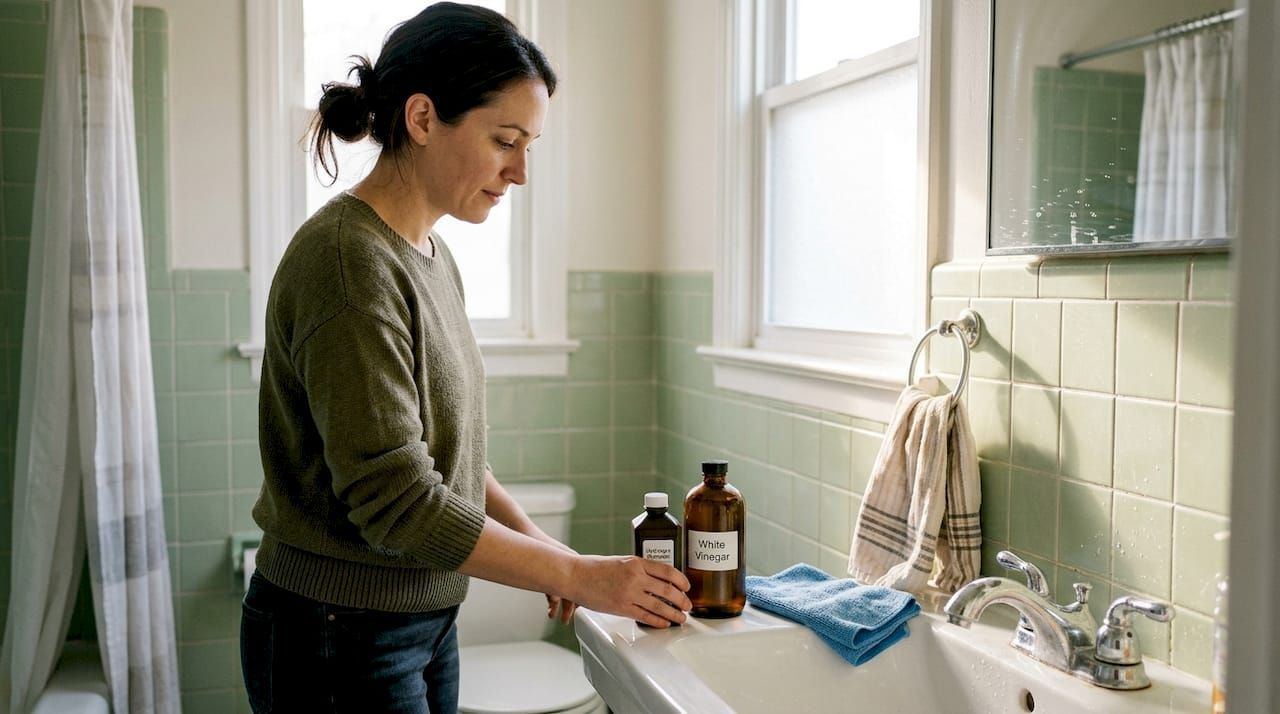
Table of Contents
Key Takeaways
| Point | Details |
|---|---|
| Eco friendly cleaners | Hydrogen peroxide and vinegar provide effective natural cleaning options for many bathroom surfaces. |
| pH neutral for marble | Use pH neutral cleaners to prevent etching on marble and other delicate stones. |
| Avoid daily bleach | Reserve harsh cleaners like bleach for deep cleans rather than routine maintenance. |
| Mechanical scrubbing reduces pathogens | Regular scrubbing with eco cleaners provides significant pathogen reduction on bathroom surfaces. |
Understand surface types and safe cleaners
Different bathroom surfaces demand tailored cleaning approaches to prevent damage while achieving optimal cleanliness. Natural stone and marble require pH-neutral cleaners between 7.0 and 8.5 to avoid etching that permanently dulls their finish. Acidic cleaners like vinegar destroy the calcite in these materials, leaving irreversible damage that no amount of polishing can repair.
Ceramic tiles and porcelain surfaces tolerate a wider range of cleaning agents. Hydrogen peroxide works exceptionally well on these materials, breaking down dirt and pathogens without introducing harsh chemicals into your home. This eco-friendly alternative sanitizes effectively while remaining gentle enough for regular use on floors, walls, and grout lines.
White vinegar serves as another powerful natural cleaner for ceramic surfaces, cutting through soap scum and mineral deposits with ease. However, you must never apply vinegar to marble, travertine, limestone, or any other natural stone. The acid content will etch these surfaces within minutes, creating dull spots that require professional restoration to fix.
Knowing your bathroom materials allows you to select the safest and most effective eco-friendly cleaning products. Identifying surface types before cleaning prevents costly mistakes and ensures optimal results. For comprehensive guidance on protecting various hard surfaces, explore hard surface cleaning best practices to learn proven techniques.
Daily maintenance becomes simpler when you use the right tools for each surface:
- Distilled water prevents mineral buildup on sensitive natural stone
- Microfiber cloths trap dirt without scratching delicate finishes
- Soft-bristle brushes provide mechanical action without surface damage
- pH-neutral spray cleaners offer convenient daily cleaning for marble and granite
- Hydrogen peroxide solutions sanitize ceramic and porcelain safely
- Baking soda paste tackles stubborn stains on durable surfaces
Prepare your bathroom surfaces for cleaning
Proper preparation ensures effective cleaning while protecting surfaces from accidental damage. Start by gathering eco-friendly cleaning supplies including hydrogen peroxide, white vinegar for appropriate surfaces, pH-neutral cleaners for delicate materials, soft-bristle brushes, and several microfiber cloths. Having everything ready streamlines the process and prevents interruptions that could leave cleaning solutions sitting too long on sensitive surfaces.
Testing any cleaner on a hidden area protects against unexpected reactions or discoloration. Apply a small amount to an inconspicuous spot like behind the toilet or under a cabinet edge, then wait 10 minutes to check for adverse effects. This simple step prevents widespread damage if a product reacts poorly with your particular surface finish or sealant.
Removing loose debris before applying wet cleaners prevents scratching and improves cleaning effectiveness. Sweep or vacuum bathroom floors to eliminate grit, hair, and dust that could scratch surfaces when scrubbed. Wipe down countertops and shower walls with a dry cloth to remove loose particles. Prioritizing mechanical action with surface testing ensures safe application of eco-alternatives.
Identifying delicate materials requires extra attention during preparation. Mark or mentally note which surfaces are marble, natural stone, or sealed grout that need gentler handling. Check existing sealant condition by placing a few drops of water on the surface. If water beads up, the seal remains intact. If it soaks in within minutes, plan to reseal after cleaning to protect the material from stains and damage.
Follow these preparation steps for optimal results:
- Inventory all bathroom surfaces and identify material types
- Gather appropriate eco-friendly cleaners matched to each surface
- Collect tools including brushes, cloths, buckets, and protective gloves
- Test cleaners on hidden spots and wait to verify safety
- Remove all loose debris through sweeping or vacuuming
- Ensure proper ventilation by opening windows or running exhaust fans
Wearing gloves protects your skin from prolonged exposure to cleaning products, even natural ones. Proper ventilation prevents moisture buildup that encourages mold growth and ensures any fumes dissipate quickly. Opening windows or running bathroom fans during and after cleaning maintains air quality and speeds drying.
Pro Tip: Create a paste using diluted hydrogen peroxide mixed with baking soda for tough grout stains. Apply gently with a soft brush, let sit for 5 minutes, then rinse thoroughly. This combination lifts embedded dirt without harsh chemicals or excessive scrubbing that could damage grout.
For additional insights on protecting surfaces during cleaning, review safer solutions for surface care to discover proven methods that balance effectiveness with material preservation.
Step-by-step guide to cleaning bathroom surfaces safely
Effective bathroom cleaning combines mechanical action with appropriate eco-friendly products applied in the correct sequence. Start by wetting surfaces with warm water to soften dirt and grime, making removal easier while reducing the scrubbing force needed. This initial step prevents unnecessary abrasion on delicate finishes while improving cleaner penetration.
Apply your chosen eco-friendly cleaner based on surface type. For ceramic tiles and grout, spray hydrogen peroxide liberally and allow 5 to 10 minutes of contact time to lift embedded dirt and neutralize bacteria. On appropriate surfaces, white vinegar works similarly, breaking down soap scum and mineral deposits. Never rush this dwell time as it does the heavy lifting chemically, reducing physical scrubbing required.
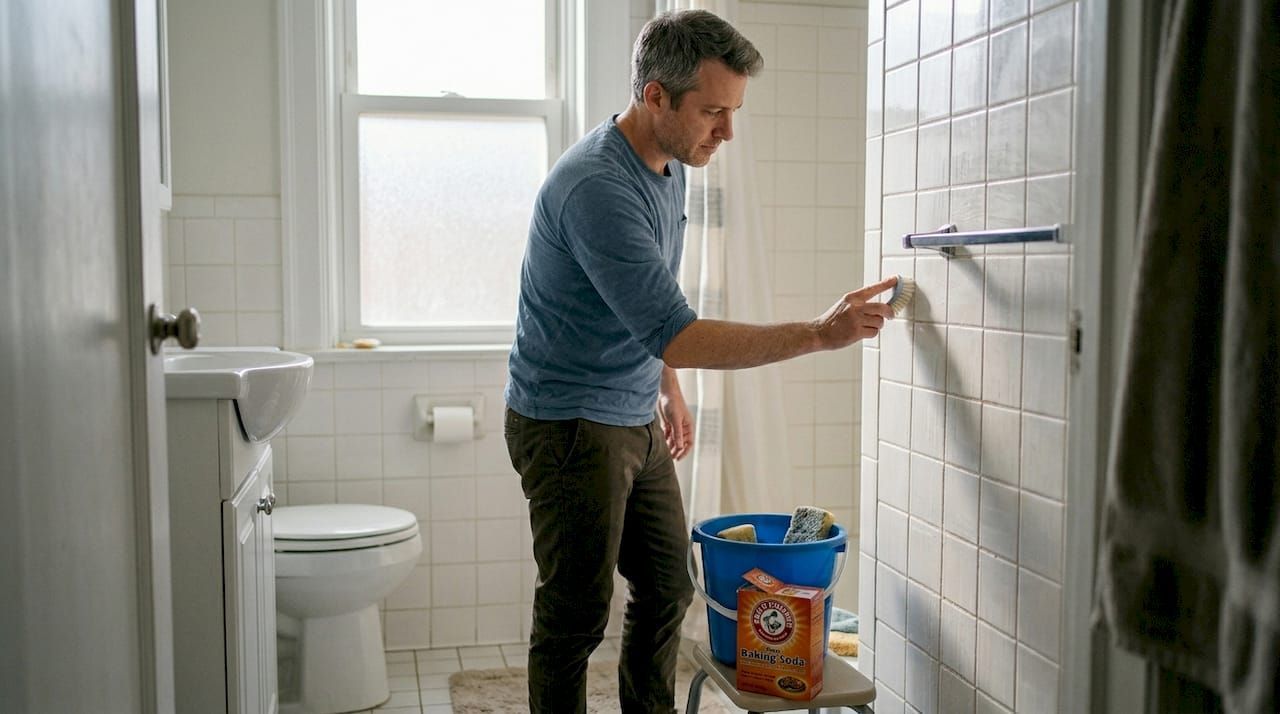
Mechanical scrubbing with hot water forms the cornerstone of pathogen removal and dirt elimination. Use soft-bristle brushes or microfiber cloths to scrub surfaces in circular motions, applying moderate pressure. The physical action dislodges particles and microorganisms that chemicals alone cannot remove. Focus extra attention on grout lines, corners, and textured surfaces where dirt accumulates.
Rinsing thoroughly with clean water removes all cleaner residue and prevents buildup that attracts new dirt. Use fresh water and a clean cloth to wipe surfaces multiple times until no product remains. Residue left behind creates a sticky film that makes surfaces appear dirty faster and can degrade sealants over time.
Follow this cleaning sequence for best results:
- Wet all surfaces with warm water using a spray bottle or damp cloth
- Apply appropriate eco-friendly cleaner based on material type
- Allow 5 to 10 minutes contact time for chemical action
- Scrub surfaces mechanically with soft brushes or microfiber cloths
- Rinse completely with fresh water until no residue remains
- Dry surfaces with clean towels to prevent water spots
Specific surface care requires attention to material properties. Avoid vinegar completely on marble, instead using pH-neutral cleaners daily to maintain the finish without etching. White vinegar reduces microbes substantially and removes hard water stains on ceramic effectively, making it ideal for shower walls and tile floors in non-stone bathrooms.
Regular cleaning frequency dramatically impacts hygiene. Cleaning bathroom surfaces every three days or twice weekly reduces pathogen exposure by over 90%, creating a healthier environment for your family. This schedule prevents buildup that requires harsh chemicals or excessive scrubbing to remove.
| Surface Type | Recommended Cleaner | Effectiveness | Safety Rating | Frequency |
|---|---|---|---|---|
| Ceramic tile | Hydrogen peroxide or vinegar | Excellent | Very safe | Every 3 days |
| Natural stone | pH-neutral cleaner | Excellent | Very safe | Every 3 days |
| Porcelain | Hydrogen peroxide | Excellent | Very safe | Every 3 days |
| Grout | Hydrogen peroxide paste | Very good | Safe | Weekly |
| Marble | pH-neutral only | Excellent | Very safe | Every 3 days |
Pro Tip: For stubborn grout stains that resist regular cleaning, create a thick paste by mixing hydrogen peroxide with baking soda until it reaches toothpaste consistency. Apply to stained grout lines, gently scrub with a soft brush, let sit for 5 minutes, then rinse thoroughly. This gentle approach lifts deep stains without damaging grout structure.
Discover more techniques in the eco-friendly grout cleaning guide and avoid common mistakes by reviewing bathroom cleaning errors to avoid for comprehensive surface protection strategies.
Maintaining and protecting bathroom and pool surfaces
Regular maintenance and proper sealing extend surface life dramatically while reducing cleaning effort over time. Sealing tiles every one to two years extends their lifespan by 60% and significantly reduces cleaning frequency by preventing dirt and moisture penetration. This protective barrier keeps surfaces looking newer longer while making routine cleaning faster and easier.
Scheduling bathroom cleaning every three days maintains hygiene and prevents buildup that requires aggressive scrubbing. Grout sealing every one to two years protects these porous areas from staining and moisture damage that leads to mold growth. Consistent maintenance prevents small issues from becoming major restoration projects that cost significantly more than preventive care.
Pool-area surfaces demand specialized attention due to constant moisture exposure and chemical contact. Daily pH-neutral detergent cleaning with soft-bristle brushing prevents buildup and algae establishment. This daily routine takes only minutes but prevents problems that require hours of intensive cleaning to resolve.
Weekly pressure washing keeps pool tiles clean without causing damage when done correctly. Always use pressure below 1500 PSI to avoid degrading grout or damaging tile surfaces. Higher pressure can strip sealants, crack grout, and even chip tiles, creating expensive repair needs. Proper pressure washing removes accumulated oils, sunscreen residue, and mineral deposits that regular brushing cannot eliminate.
Maintaining pool chemistry within proper ranges protects surfaces from degradation. Keep chlorine between 1 and 3 parts per million and pH between 7.2 and 7.8 to prevent surface etching or scaling. Imbalanced water chemistry accelerates surface deterioration, requiring premature replacement of expensive tile and stone installations.
| Maintenance Task | Bathroom Frequency | Pool Area Frequency | Tools Required | Purpose |
|---|---|---|---|---|
| Surface cleaning | Every 3 days | Daily | Soft brush, pH-neutral cleaner | Remove dirt and pathogens |
| Grout sealing | Every 1-2 years | Every 1-2 years | Penetrating sealer, applicator | Prevent moisture and stain penetration |
| Pressure washing | Not applicable | Weekly | Low-pressure washer under 1500 PSI | Remove buildup and residue |
| Chemistry check | Not applicable | Daily | Test strips or kit | Maintain proper water balance |
| Deep cleaning | Monthly | Weekly | Specialized cleaners, brushes | Address accumulated buildup |
Implementing these maintenance best practices protects your investment:
- Inspect grout lines monthly for cracks or deterioration requiring repair
- Reapply sealant immediately after deep cleaning for maximum penetration
- Use only eco-friendly sealers that protect surfaces without toxic emissions
- Keep detailed records of sealing dates to maintain proper schedules
- Address water damage or leaks immediately to prevent surface deterioration
- Store cleaning products properly to maintain effectiveness and safety
Pro Tip: Apply eco-friendly sealers to clean, completely dry surfaces for optimal penetration and protection. Moisture trapped under sealant prevents proper bonding and can cause clouding or peeling. Wait at least 24 hours after cleaning before sealing, and ensure good ventilation during application for best results.
Explore comprehensive maintenance schedules in pool cleaning schedule steps and learn prevention strategies in keep pool algae-free. For premium protection products, browse stone and grout sealers designed specifically for residential and commercial hard surface applications.
Discover eco-friendly cleaning and sealing products
Maintaining beautiful, healthy bathroom and pool surfaces becomes easier with specialized eco-friendly products designed for your specific needs.
Oceancare offers a complete range of environmentally safe cleaners and sealers that deliver professional results without compromising your family's health or the environment.
Their stone and grout sealers provide long-lasting protection that preserves surface beauty while preventing stains and moisture damage. These penetrating formulas create invisible barriers that repel water and contaminants without altering surface appearance. For daily maintenance, biodegradable everyday cleaner combines cleaning and sealing in one convenient product, saving time while maintaining protection between major sealing applications. Delicate natural stone surfaces benefit from pH neutral tile and stone cleaner that safely removes dirt without etching or dulling finishes. Using these specialized products supports both surface longevity and environmental health while simplifying your cleaning routine.
FAQ
How often should I clean bathroom surfaces to ensure safety?
Cleaning every three days reduces pathogen exposure by over 90%, maintaining hygienic bathroom surfaces that protect your family's health. This routine prevents buildup that requires harsh chemicals or excessive scrubbing to remove. Twice weekly cleaning provides similar benefits if daily schedules make more frequent cleaning impractical, though high-traffic bathrooms benefit from the more frequent schedule.
Can I use white vinegar to clean all bathroom surfaces safely?
Vinegar works effectively on ceramic tiles but must be completely avoided on marble and natural stone surfaces. The acetic acid in vinegar etches calcite-based materials, creating permanent dull spots and surface damage that cannot be polished away. Always verify surface material before applying any acidic cleaner, even natural ones like vinegar or lemon juice.
What is the best cleaner for natural stone and marble in bathrooms?
pH-neutral cleaners between 7.0 and 8.5 safely clean and maintain marble and natural stone without causing etching or damage. These specially formulated products remove dirt and grime while preserving the surface finish and protecting your investment. Avoid all acidic cleaners including vinegar, lemon juice, and many commercial bathroom cleaners that contain acids harmful to natural stone.
How should pool-area surfaces be cleaned safely and regularly?
Daily cleaning with pH-neutral detergent and soft brushes prevents buildup and maintains surface integrity around pools. Weekly pressure washing using no more than 1500 PSI removes accumulated oils and residue without damaging tiles or grout. Regular monitoring of pool water chemistry between 1 and 3 ppm chlorine and 7.2 to 7.8 pH prevents surface degradation and reduces microbiological growth that creates cleaning challenges.
Recommended

