
Why protect natural stone: preserve beauty, value, longevity
TL;DR:
- Natural stone is porous and requires sealing to prevent stains and structural damage.
- Sealing extends the lifespan, preserves appearance, and makes cleaning easier.
- Proper maintenance, including regular sealing with eco-friendly products, ensures long-term protection.
Natural stone looks tough. Granite countertops, travertine floors, limestone walls — they feel like they could last forever without much help. But that assumption is exactly what leads homeowners and property managers into expensive, preventable problems. Stone is porous by nature, and everyday spills, moisture, and foot traffic quietly work against it from the moment it's installed. Without the right protection in place, you're not just risking a stain — you're risking the long-term integrity of a surface that should serve you for decades. This guide breaks down the real risks, the proven benefits of sealing, and how to build a sustainable care routine that keeps your stone looking its best.
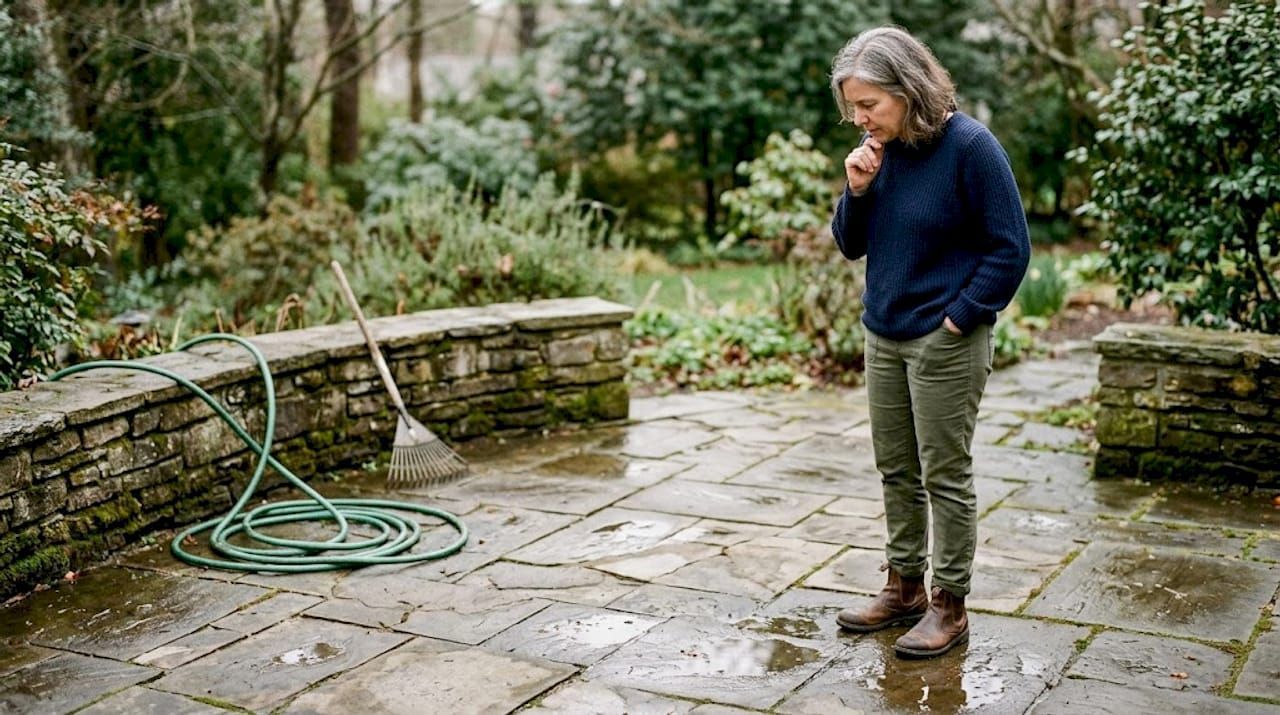
Table of Contents
- The hidden risks to natural stone surfaces
- Top benefits of protecting natural stone
- How sealing works: Barriers, maintenance, and moisture control
- Adapting protection to stone type and environment
- Our take: Why stone protection is more than maintenance
- Protect your surfaces with the right tools and guidance
- Frequently asked questions
Key Takeaways
| Point | Details |
|---|---|
| Stain and water resistance | Proper sealing prevents liquids and dirt from damaging your natural stone surfaces. |
| Prolonged durability | Protected stone can last decades longer and maintain its original beauty with simple maintenance. |
| Eco-friendly upkeep | Sealing allows you to use safer cleaning products, reducing the need for harsh chemicals. |
| Enhanced property value | Well-maintained stone appeals to buyers and can boost your home's worth. |
The hidden risks to natural stone surfaces
Most people assume that because stone feels hard, it's also impermeable. It isn't. Natural stone is filled with microscopic pores that absorb liquids, oils, and airborne particles constantly. A glass of red wine left on an unsealed marble counter for five minutes can leave a stain that no amount of scrubbing will fully remove. That's not a surface problem — it's a structural one.
The most common threats to unprotected stone include:
- Spills from wine, oil, coffee, and acidic foods that seep into pores and cause deep, permanent discoloration
- Water ingress that creates moisture buildup beneath the surface, weakening the stone over time
- Everyday foot traffic that grinds fine dirt particles into the surface, dulling the finish gradually
- Bacteria and mold that thrive inside pores, especially in bathrooms and pool surrounds
- Harsh cleaning products used out of desperation when stains won't budge, which can etch or strip the surface further
That last point matters more than most guides acknowledge. When stone isn't sealed, routine cleaning becomes a losing battle. You end up reaching for stronger, less eco-friendly products — which creates a cycle of damage. Understanding why seal natural stone is the first step toward breaking that cycle.
"Sealing creates a barrier that reduces porosity, preventing stain absorption from wine, oil, and similar substances — and it makes routine cleaning significantly easier." — The Dos and Don'ts of Sealing Natural Stone Countertops
Staining is often irreversible without professional intervention. Moisture saturation can weaken the stone's internal structure, making it more prone to cracking or crumbling, particularly outdoors. And once bacteria take hold inside those pores, surface wiping alone won't eliminate the problem. Learning natural ways to prevent tile stains before damage occurs is far easier than reversing it.
Pro Tip: Blotting a spill immediately helps, but it only works reliably if the stone is already sealed. On unsealed stone, the liquid starts absorbing within seconds.
Top benefits of protecting natural stone
Once you understand what's working against your stone, the value of protection becomes obvious. But the benefits go well beyond avoiding stains.
Longevity that justifies the investment. Sealed stone lasts significantly longer — granite, for example, can last 50% longer in kitchen environments with proper maintenance, and well-cared-for stone surfaces can remain structurally sound for 50 or more years. That's not a minor improvement. That's the difference between a surface that outlasts your mortgage and one that needs replacing in 15 years.
Preserved aesthetics. Sealed surfaces resist the dulling and discoloration that come with everyday use. Protecting natural stone preserves its appearance, extending its visual appeal from years to decades and directly supporting your property's market value.
Here's a quick comparison of protected versus unprotected stone over time:
| Factor | Protected stone | Unprotected stone |
|---|---|---|
| Stain resistance | High | Very low |
| Cleaning effort | Minimal | Frequent, intensive |
| Lifespan | 50+ years | 10-20 years |
| Property value impact | Positive | Neutral or negative |
| Eco-friendly cleaning compatibility | Excellent | Poor |
Easier, greener cleaning. A sealed surface doesn't hold onto grime the way an open-pored one does. That means you can maintain it with gentle, plant-based cleaners rather than aggressive chemical solutions. Choosing the right stone sealer is the foundation of a sustainable cleaning routine.
Other key benefits include:
- Reduced risk of mold and bacteria growth in wet areas
- Lower long-term maintenance costs
- Better compatibility with sustainable stone sealers and eco-friendly cleaners
- A surface that reflects the care and quality of your property
For homeowners and property managers alike, well-maintained stone sends a clear message about how a space is cared for. That matters whether you're hosting guests or preparing a property for sale.
How sealing works: Barriers, maintenance, and moisture control
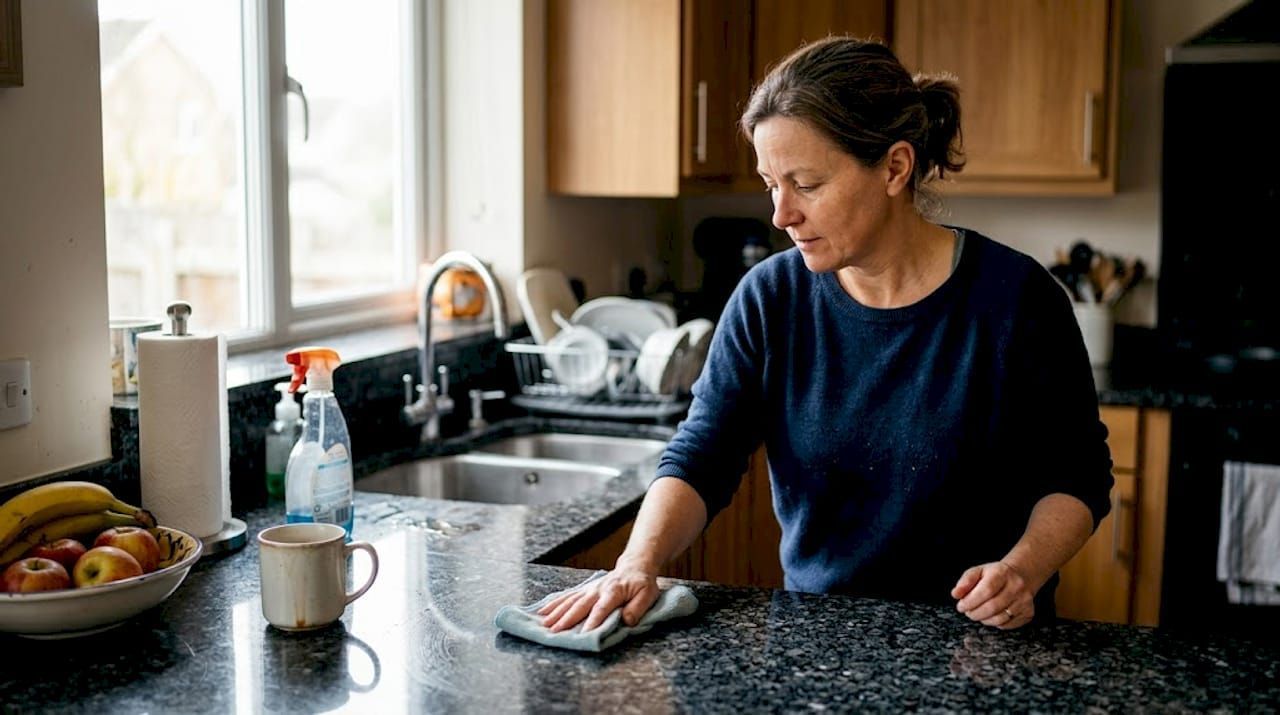
Sealing isn't complicated, but understanding what it actually does helps you appreciate why it's non-negotiable. A quality sealer penetrates the stone's pores and creates an invisible, breathable barrier. It doesn't change how the stone looks or feels — it just stops liquids and contaminants from getting in.
Moisture is the threat most people underestimate. Moisture saturation can reduce stone strength by 30-60%, and for outdoor surfaces, repeated freeze-thaw cycles can cause cracking and structural failure over time. Sealing is the most effective way to prevent that from happening.
Here's a simple comparison of sealed versus unsealed stone performance:
| Condition | Sealed surface | Unsealed surface |
|---|---|---|
| Water absorption | Minimal | High |
| Freeze-thaw resistance | Strong | Vulnerable |
| Mold risk | Low | High |
| Cleaning frequency needed | Low | High |
The process of protecting your stone properly follows four clear steps:
- Clean thoroughly. Remove all dirt, grease, and old sealer residue before applying anything new. A clean surface ensures the sealer bonds correctly.
- Apply the sealer evenly. Use a quality, low-VOC sealer suited to your stone type. Apply in thin, even coats and allow full penetration.
- Check the surface regularly. Do a simple water bead test every few months — if water soaks in rather than beading up, it's time to reseal.
- Reapply on schedule. Don't wait for visible damage. Proactive resealing keeps the barrier intact and prevents problems before they start.
Knowing how to maintain and clean tile floors with sealers as part of your regular routine makes the whole process much more manageable.
Pro Tip: Even the best eco-friendly cleaners work better on sealed surfaces. Without a sealer, you're asking gentle, plant-based products to do the heavy lifting that a barrier should be doing.
Adapting protection to stone type and environment
Not all stone is the same, and not all environments are equal. A one-size-fits-all approach to sealing will leave some surfaces underprotected and others over-maintained. Matching your protection schedule to your specific stone and setting is what separates good maintenance from great maintenance.
Dense stones like granite and some marbles are less porous by nature. They typically need sealing every 1-3 years, depending on use and exposure. Kitchen countertops see more spills and need more attention than a granite fireplace surround.
Porous stones like limestone and travertine absorb moisture much more readily. These stones benefit from sealing every 6-12 months, especially in wet areas like bathrooms, pool surrounds, or kitchens. Outdoor installations in frost-prone climates or near saltwater pools require sealing without exception.
Here's a practical reference for sealing frequency by stone type and setting:
| Stone type | Indoor sealing frequency | Outdoor sealing frequency |
|---|---|---|
| Granite | Every 2-3 years | Every 1-2 years |
| Marble | Every 1-2 years | Every 6-12 months |
| Limestone | Every 6-12 months | Every 6 months |
| Travertine | Every 6-12 months | Every 6 months |
| Slate | Every 1-2 years | Every year |
Key considerations for your protection plan:
- Outdoor stone always needs sealing , regardless of how dense it is — pool chemicals, salt air, and freeze-thaw cycles are relentless
- High-traffic areas need more frequent attention than decorative or low-use surfaces
- Wet environments like showers and pool decks accelerate the breakdown of sealers
- Pair your sealing schedule with eco-friendly stone cleaners to avoid stripping the sealer prematurely
- Avoid common mistakes with neutral tile cleaners that can compromise your sealer's effectiveness over time
Our take: Why stone protection is more than maintenance
Most guides frame sealing as a chore — something you do once in a while to keep things looking nice. We think that framing misses the bigger picture entirely.
Protecting your stone is an act of environmental responsibility. Every time a surface is properly sealed and maintained with gentle, plant-based products, you're extending its life and reducing the need for replacement materials. Quarrying new stone has a real environmental cost. Keeping what you have in excellent condition is genuinely the more sustainable choice.
There's also a health dimension that rarely gets mentioned. Mold and bacteria that colonize unsealed stone aren't just unsightly — they affect indoor air quality and can create real health concerns for families. A sealed, easy-to-clean surface is a healthier surface.
What we've seen consistently is that the most effective routines aren't built around expensive products or complicated schedules. They're built on consistency and the right pairing: a quality sealer matched with mindful, eco-friendly cleaning. Explore sustainable surface protection to see how that pairing works in practice. The homeowners and property managers who get the best results aren't doing more — they're doing the right things regularly.
Protect your surfaces with the right tools and guidance
You've seen what's at stake and what works. The next step is making sure you have the right products to back up your routine.
At
Oceancare Store, we specialize in eco-friendly, biodegradable sealers and cleaners built specifically for natural stone, grout, and tile. Whether you're starting fresh or restoring a neglected surface, our
stone and grout sealers are formulated to protect without harsh chemicals. If you manage a pool or outdoor area, our
pool tile maintenance resources will help you stay ahead of damage. And if you've run into issues with past sealers, our guide on
common stone sealer issues covers the most frequent problems and how to fix them.
Frequently asked questions
How often should I seal my natural stone surfaces?
Dense stones like granite typically need sealing every 1-3 years, while porous stones like limestone and travertine should be sealed every 6-12 months, and outdoor stone may need attention even more frequently.
Does sealing natural stone help prevent mold and water damage?
Yes — sealing forms a moisture barrier that significantly reduces absorption, and moisture saturation without sealing can reduce stone strength by 30-60%, creating conditions where mold and structural damage become real risks.
Will sealing change the look of my stone?
Most quality sealers are completely invisible once dry, preserving the natural color and texture of the stone without adding any sheen or film unless you specifically choose a topical finish sealer.
Is sealing necessary for outdoor stone surfaces?
Absolutely — outdoor stone requires sealing to withstand freeze-thaw cycles, salt exposure, pool chemicals, and moisture, all of which can cause serious damage to unprotected surfaces.
Does stone protection add value to my property?
Yes — properly maintained stone preserves both the appearance and structural integrity of surfaces, which directly supports higher property value and buyer confidence when it matters most.
Recommended

