
Why commercial pool tile maintenance protects value: $80K saved
TL;DR:
- Proper maintenance prevents costly tile replacements and extends their lifespan.
- Eco-friendly cleaning and timely inspections improve safety and reduce environmental impact.
- Proactive water chemistry management and specialized materials enhance durability in various pool conditions.
Commercial pool tile replacements can
cost between $3,000 and $80,000 , a figure that shocks most property managers the first time they hear it. The good news? Nearly every replacement scenario is preventable with consistent, proactive upkeep. For commercial pool owners, tile maintenance is not a cosmetic luxury. It is a financial strategy, a safety obligation, and a direct reflection of your facility's reputation. This guide walks you through the real demands of commercial tile care, the safety and compliance stakes, the economics of prevention over repair, and the eco-friendly methods that keep your pool looking sharp without punishing the environment or your budget.
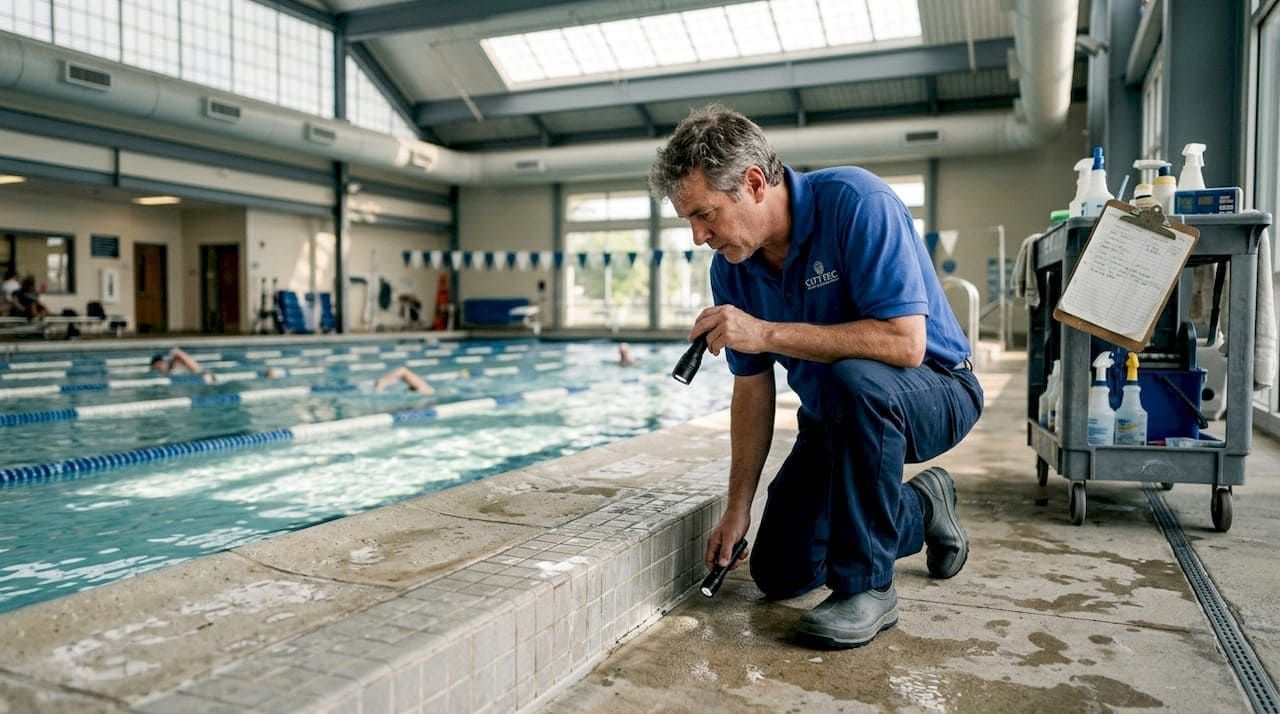
Table of Contents
- Understanding the demands of commercial pool tile maintenance
- How maintenance safeguards safety, compliance, and reputation
- Protecting tile lifespan and reducing costs through smart upkeep
- Eco-friendly commercial methods: Cleaning and protecting pool tiles
- Addressing special situations: Saltwater, hard water, and high-traffic pools
- Our take: What most commercial pool owners miss about tile longevity
- Protect your commercial pool tiles with expert care and eco-friendly solutions
- Frequently asked questions
Key Takeaways
| Point | Details |
|---|---|
| Proactive maintenance saves money | Routine tile care drastically reduces the need for costly repairs or complete replacements. |
| Safety and compliance | Maintaining commercial pool tiles helps prevent injuries and keeps your facility up to code. |
| Choose eco-friendly solutions | Green cleaning methods protect both your pool tiles and the environment. |
| Tailor strategies to pool type | Saltwater, hard water, and heavily used pools require specialized maintenance approaches. |
Understanding the demands of commercial pool tile maintenance
Commercial pools operate in a completely different league than residential ones. A backyard pool might see a dozen swimmers on a busy weekend. A commercial facility can process hundreds of guests in a single day. That volume creates relentless physical wear on tile surfaces, grout joints, and coping edges. Foot traffic, pool toys, cleaning equipment, and even the constant turbulence of water movement all add up.
Chemical exposure compounds the problem. Commercial pools require higher sanitizer concentrations to meet health codes, and those chemicals are aggressive toward grout and tile adhesives over time. Add UV radiation, temperature swings, and the freeze-thaw cycles that affect outdoor pools, and you have a surface under near-constant attack.
" Commercial pool tiles endure heavy usage, chemical exposure, and environmental stresses, requiring stricter maintenance protocols than residential installations."
Understanding these tile maintenance challenges is the first step toward building a protocol that actually works. Most facility managers underestimate how quickly small problems escalate. A hairline crack in grout allows water to infiltrate behind the tile. Once water gets behind a tile, freeze-thaw pressure or chemical action can pop it loose within a single season.
Here are the most common reasons commercial pool tiles fail ahead of schedule:
- Unbalanced water chemistry that etches tile surfaces and dissolves grout
- Infrequent brushing that allows calcium and biofilm to harden into deposits
- Delayed grout repairs that let water infiltrate behind tiles
- Use of harsh acid-based cleaners that strip sealers and weaken adhesive bonds
- Ignoring early warning signs like efflorescence (white mineral deposits) or hollow-sounding tiles
- Improper installation that was never caught during routine inspections
The pattern is consistent: facilities that treat maintenance as reactive end up spending far more than those who treat it as a scheduled, preventive practice.
How maintenance safeguards safety, compliance, and reputation
Recognizing the strain on commercial pool tiles, it is crucial to see how maintenance directly influences safety and your operation's public standing.
Proper upkeep prevents sharp edges, laceration risks, trip hazards from lippage greater than 1/4 inch, and slip hazards. It also keeps your facility in compliance with local health codes. A single cracked tile with a sharp edge is not just a maintenance note on a checklist. It is a liability exposure that can result in injury claims, fines, or temporary closure.
Proactive maintenance reduces slip incidents by 62 to 78% in commercial pools. That is not a marginal improvement. That is the difference between a facility with a clean safety record and one that faces repeated incidents and rising insurance premiums.
| Factor | Well-maintained pool | Neglected pool |
|---|---|---|
| Tile surface condition | Smooth, sealed, intact | Cracked, chipped, porous |
| Slip and trip risk | Low | High |
| Health code compliance | Consistent | At risk |
| Guest experience | Positive | Negative reviews likely |
| Annual maintenance cost | Predictable and low | Unpredictable and high |
| Inspection outcomes | Pass | Fail or conditional |
The business impacts of neglect extend well beyond the pool deck. Consider what happens when a health inspector flags your facility, or when a guest posts photos of discolored, cracked tiles online. The downstream effects include:
- Negative online reviews that affect bookings and memberships
- Health department fines that can reach thousands of dollars per violation
- Increased insurance premiums following incident reports
- Forced temporary closures during peak season
- Loss of repeat clientele who simply choose a better-maintained competitor
Maintenance and code compliance are not separate concerns. They are the same concern, approached from different angles.
Protecting tile lifespan and reducing costs through smart upkeep
Preventing liabilities is only one dimension. Maintenance also delivers major financial advantages over time.
Well-maintained pool tiles last 10 to 20 years, while grout in good condition holds for 5 to 10 years. Neglect cuts those timelines dramatically. When you factor in labor, material, and downtime costs, a single full tile replacement project can cost more than a decade of consistent maintenance.
Balanced water chemistry, specifically pH between 7.2 and 7.6, calcium hardness between 200 and 400 ppm, and total alkalinity between 80 and 120 ppm, is the single most cost-effective maintenance action you can take. It prevents scaling, protects grout, and reduces the frequency of deep cleaning sessions.
| Maintenance task | Estimated annual cost | Skip it and pay |
|---|---|---|
| Weekly brushing and inspection | $500 to $1,200 | $3,000 to $15,000 in early repairs |
| Grout sealing (annual) | $300 to $800 | $5,000 to $20,000 grout replacement |
| Eco-friendly tile cleaning | $400 to $1,000 | $10,000 to $80,000 full tile replacement |
| Water chemistry management | $600 to $1,500 | $2,000 to $8,000 scaling damage repair |
Here is a practical sequence for effective eco-friendly tile maintenance:
- Test water chemistry three times per week and adjust pH, alkalinity, and calcium as needed
- Brush all tile surfaces weekly using a nylon or soft stainless brush to prevent biofilm and calcium buildup
- Inspect grout lines monthly for cracks, discoloration, or soft spots
- Apply a biodegradable tile cleaner to the waterline and high-contact areas monthly
- Seal grout lines annually using a low-VOC, water-based sealer
- Schedule a professional deep clean at least once per year, or twice for high-traffic facilities
Pro Tip: Use the tap test monthly. Gently tap tiles with a coin or small mallet. A hollow sound means water has infiltrated behind the tile and adhesion has failed. Catching this early costs a fraction of what a full section replacement runs.
Explore tile care tips and cleaning products for tiles that are formulated specifically for commercial surfaces.
Eco-friendly commercial methods: Cleaning and protecting pool tiles
By understanding the financial impact, you can turn your focus to methods that deliver clean results without harming the environment or your tiles.
Harsh acid-based cleaners are a common shortcut that creates long-term damage. Muriatic acid, for example, is frequently used to dissolve calcium deposits, but it also strips sealers, etches ceramic and glass tile surfaces, and weakens grout bonds. Over time, you are trading a clean-looking pool today for accelerated deterioration tomorrow.
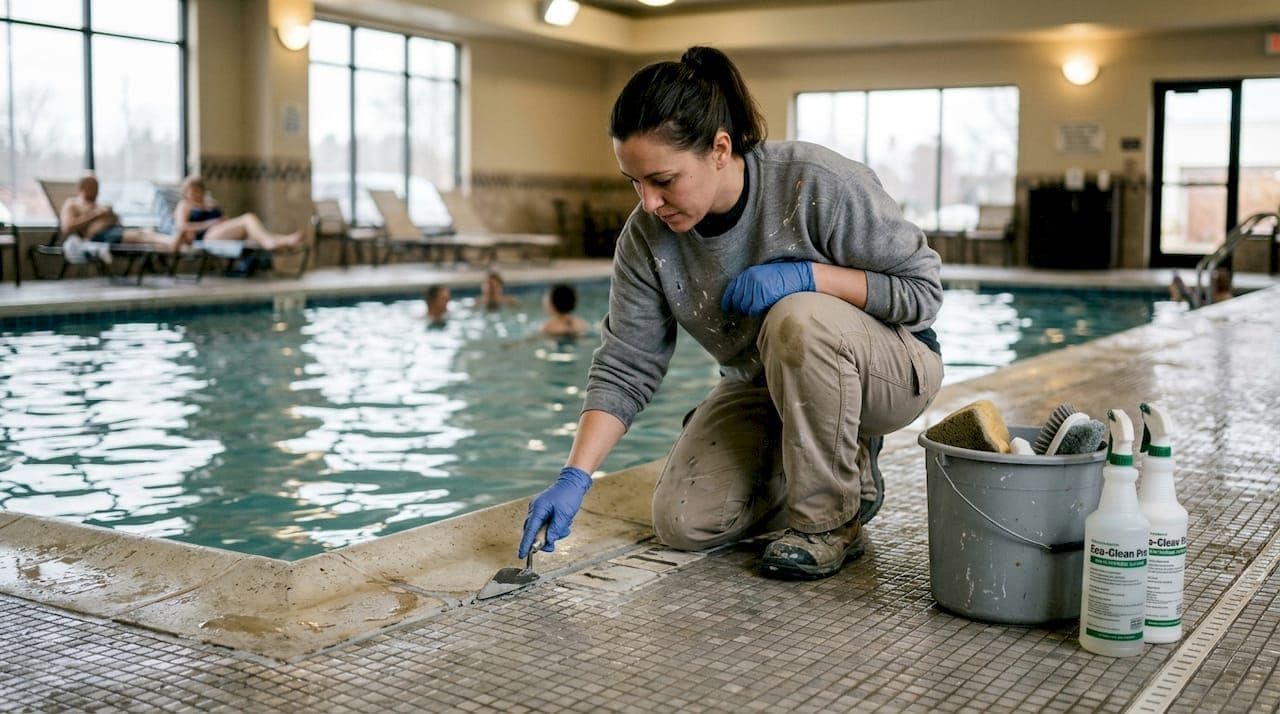
Eco-friendly methods like vinegar-water solutions, enzyme-based cleaners, and biodegradable products clean tiles effectively without the corrosive side effects. These options are safer for your maintenance staff, gentler on tile surfaces, and far less damaging to the surrounding environment, including the water that eventually leaves your pool system.
Here is a practical toolkit for green commercial pool tile cleaning:
- White vinegar diluted 1:1 with water for light calcium and mineral deposits at the waterline
- Baking soda paste for scrubbing grout lines without scratching tile faces
- Enzyme-based cleaners that break down organic matter like sunscreen, body oils, and algae
- Biodegradable, plant-based tile cleaners formulated for pool use and safe for surrounding landscapes
- Soft nylon brushes and microfiber pads that clean without abrading tile glazes
- Low-VOC grout sealers that protect without off-gassing harmful fumes around guests and staff
For natural stain prevention, the key is frequency over intensity. Light, regular cleaning prevents the kind of hardened buildup that tempts managers to reach for aggressive chemicals.
Pro Tip: Schedule cleaning in shorter, more frequent sessions rather than infrequent deep cleans. Two 30-minute sessions per week outperform one aggressive monthly scrub and dramatically reduce the need for harsh chemical intervention. Browse recommended eco-friendly cleaners to find options matched to your pool's specific tile type.
Addressing special situations: Saltwater, hard water, and high-traffic pools
Not all commercial pools have the same needs. Special circumstances require tailored maintenance approaches.
Saltwater pools degrade standard grout in just 3 to 7 years, compared to 5 to 10 years in traditionally chlorinated pools. The salt ions penetrate grout pores and accelerate breakdown from the inside out. If your facility runs a saltwater system, epoxy grout is not optional. It is the only practical choice for long-term durability.
Hard water areas, defined as water with calcium hardness above 400 ppm, create a scaling problem that compounds quickly. Scale builds on tile faces and inside grout pores, trapping moisture and accelerating surface damage. Facilities in hard water regions need stricter weekly cleaning schedules and should prioritize calcium-specific biodegradable cleaners. For removing calcium deposits, timing matters. Address buildup before it mineralizes and bonds to the surface.
High-traffic commercial pools need daily cleaning and weekly anti-microbial treatments to keep biofilm and algae from establishing footholds.
"In extreme environments, whether saltwater, hard water, or high-volume facilities, the maintenance protocol must be treated as a living document, reviewed and adjusted seasonally rather than set once and forgotten."
Here is a quick-reference action plan by pool type:
- Saltwater pools: Use epoxy grout exclusively, inspect grout annually, apply grout sealer every 6 months
- Hard water pools: Test calcium hardness weekly, clean waterline tiles every 5 to 7 days, use calcium-releasing biodegradable cleaners
- High-traffic pools: Daily surface brushing, weekly enzyme or anti-microbial treatment, monthly grout inspection
- Outdoor pools: Add UV-resistant tile sealers to the maintenance program, inspect coping joints after freeze-thaw cycles
Our take: What most commercial pool owners miss about tile longevity
Having mapped out the major protocols, here is a perspective you will not find in most maintenance guides.
The biggest mistake we see is not negligence. It is timing. Most commercial pool owners wait for visible damage before acting. A cracked tile gets noticed. A grout line that is slightly soft and discolored gets ignored. But that soft grout line is the real warning signal. It means water is already working its way behind the surface. By the time a tile pops loose, the damage has been building for months.
Clients who invest early in eco-friendly sealers and gentle cleaning routines consistently spend less over a five-year window than those who rely on reactive repair. The savings are real, but so is the brand benefit. A pool that always looks clean and well-maintained tells guests something important about how you run your operation.
Our counterintuitive advice: spend less time thinking about crisis response and more time building a easy cleaning framework that prevents the crisis from happening. Grout sealing, consistent chemistry, and gentle biodegradable cleaners are not glamorous. They are just the most effective strategy available.
Protect your commercial pool tiles with expert care and eco-friendly solutions
Ready to put these strategies into practice and keep your pool beautiful, safe, and cost-efficient?
At
Oceancare Store, we have built our product line specifically around the challenges commercial pool owners face. From biodegradable calcium releasers to low-VOC grout sealers and plant-based tile cleaners, every product is designed to protect your surfaces without compromising safety or sustainability.
Explore our pool tile restorer for surfaces that need a refresh, or browse our complete range of full maintenance solutions to build a protocol matched to your facility's specific tile type, water conditions, and traffic volume. Your tiles represent a significant investment. Protect them with products that are as serious about performance as you are.
Frequently asked questions
How often should commercial pool tiles be cleaned?
High-traffic commercial pools need daily cleaning and weekly treatments to prevent buildup and hazards. Lower-traffic facilities should brush tiles weekly at minimum.
What eco-friendly cleaners are effective for commercial pool tile?
Vinegar, enzyme cleaners, and biodegradable products clean tiles effectively without harsh acids, making them safe for surfaces, staff, and the surrounding environment.
How does water chemistry affect pool tile maintenance?
Balanced water chemistry prevents scaling and surface damage by keeping pH, calcium hardness, and alkalinity within safe ranges, directly extending tile and grout life.
What are the risks of neglecting commercial pool tile maintenance?
Neglected tiles develop sharp edges, trip hazards, and hygiene issues that increase injury risk, trigger health code violations, and expose your facility to costly legal and regulatory penalties.
Recommended
- Pool Tile Maintenance: Protecting Beauty and Health
- Pool Tile Maintenance: Clean, Protect, and Renew with Confidence
- Essential Pool Tile Maintenance Tips for a Sparkling Pool
- Pool Tile Restorer: Revitalize and Enhance Pool Tile Surfaces
- Travertine Decor Maintenance Workflow for Lasting Luxury – Marmorique

