
Why Choose Low VOC Sealers for Safer Surfaces
TL;DR:
- Low VOC sealers emit significantly fewer harmful chemicals, making them safer for homes and the environment. They outperform traditional sealers in durability and safety, with nanotechnology-enhanced formulations lasting up to 10 years. Proper application conditions and verifying VOC content via technical datasheets ensure optimal performance and true low emissions.
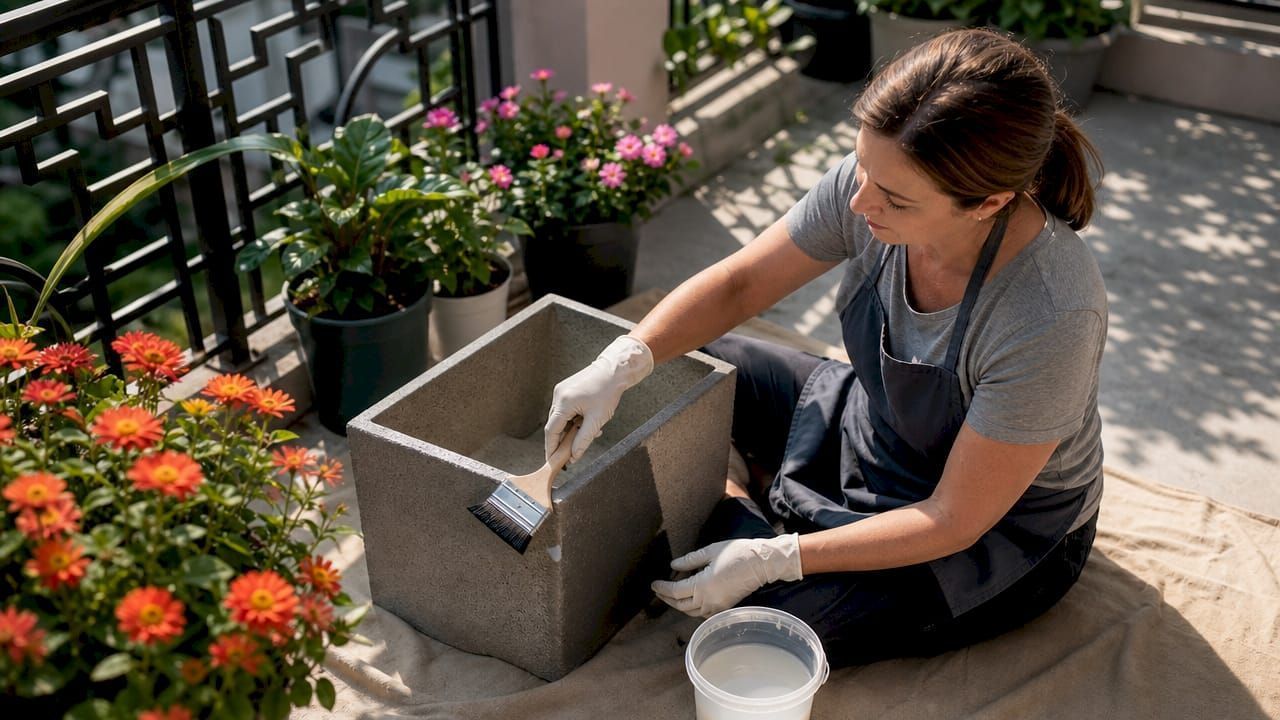
Low VOC sealers are coatings formulated to emit significantly fewer volatile organic compounds than traditional solvent-based products, making them the safer choice for protecting wood, concrete, stone, and tile surfaces in homes and commercial properties. The industry term is "low VOC coating," and it covers a wide range of water-based and plant-based formulations designed to meet strict emission standards set by agencies like the EPA and the South Coast Air Quality Management District (SCAQMD). If you manage a property or own a home, understanding why choose low VOC sealers comes down to three things: protecting your health, protecting the environment, and getting durable surface protection that lasts. Modern nanotechnology-enhanced sealers from brands like Oceancarestore have raised the bar on what eco-friendly products can deliver.
Why choose low VOC sealers over traditional options?
Traditional sealers carry a serious hidden cost. High-VOC sealers can emit levels exceeding 250 g/L, well above the EPA's indoor use recommendation of 50 g/L. That gap matters because the air inside your home becomes the air your family breathes for hours, days, or even weeks after application.
Indoor VOC concentrations spike 200% to 500% higher than outdoor levels after applying high-VOC sealants. Off-gassing can last from hours to months depending on ventilation and product type. That means a sealed garage floor or tiled bathroom can become a source of chronic low-level chemical exposure long after the product looks and feels dry.
Low VOC sealers cut that exposure at the source. They use water as a carrier instead of petroleum-based solvents, which dramatically reduces the chemical load released into your air. For homeowners with children, elderly family members, or anyone with asthma, this is not a minor upgrade. It is a meaningful shift in daily air quality.
What are VOCs and why do they matter in sealers?
Volatile organic compounds are carbon-based chemicals that evaporate at room temperature. In sealers, they act as solvents that keep the product liquid during application and then escape into the air as the coating cures. The problem is that many of these compounds are harmful when inhaled.
Common VOCs found in traditional sealers include toluene, xylene, and benzene. These chemicals are linked to headaches, dizziness, nausea, and long-term respiratory damage. The SCAQMD Rule 1168 sets a strict limit of 50 g/L for sealants used in regulated areas, recognizing that lower emissions directly reduce health risk.
The EPA's guidelines reinforce this. Products above 50 g/L are not recommended for indoor use. Yet many conventional concrete and stone sealers on the market still exceed 250 g/L. That is a fivefold difference from what regulators consider safe.
Key VOC risks from traditional sealers:
- Immediate symptoms: headaches, eye irritation, throat discomfort, and dizziness
- Prolonged exposure: respiratory damage and increased sensitivity to chemicals
- Environmental impact: VOCs react with sunlight to form ground-level ozone, a major component of smog
- Risk amplified indoors: poor ventilation traps emissions and raises concentration levels
Checking the actual VOC content before you buy is the single most important step you can take. Front-of-package claims are not always reliable, which is covered in more detail in the product selection section below.
How do low VOC sealers improve health and indoor air quality?
Low VOC sealers reduce health hazards like headaches, dizziness, and respiratory irritation, making them especially critical for households with children, elderly residents, or people with asthma. The reduction in airborne chemicals is not just a comfort improvement. It is a measurable change in the safety of your living space.
"Off-gassing from conventional sealants triggers health symptoms that many homeowners never connect back to the products they used. Switching to low VOC formulations removes that risk at the source." — Building maintenance experts cited by JourneymanHQ
The environmental benefits extend beyond your front door. VOCs released outdoors contribute to ozone formation, which degrades air quality at the neighborhood and regional level. Choosing environmentally friendly sealers reduces your property's contribution to that problem.
Health and environmental advantages of low VOC sealers:
- Fewer airborne irritants during and after application
- Safer for children and pets who spend time on sealed floors and surfaces
- Reduced ozone-forming emissions that affect outdoor air quality
- Lower chemical burden on waterways when products are rinsed or disposed of
- Compliance with indoor air quality standards recommended by the EPA and SCAQMD
Monitoring your household air quality before and after sealing projects gives you a clear picture of how much improvement a low VOC product delivers. Many homeowners are surprised by how significant the difference is.
Low VOC vs traditional sealers: performance and durability
The most common objection to low VOC sealers is that they sacrifice performance for safety. That objection is outdated. Modern eco-friendly sealers using nanotechnology can protect surfaces up to 10 years on vertical surfaces and 6 years on horizontal surfaces, outperforming traditional types that are prone to cracking and peeling.
Traditional solvent-based sealers often rely on high chemical concentrations to penetrate surfaces. Over time, they become brittle, especially on surfaces exposed to UV light, freeze-thaw cycles, or pool water chemistry. Water-based low VOC formulations with nano-particle technology bond differently. They flex with the surface rather than forming a rigid film that cracks.
| Property | Low VOC water-based sealer | Traditional solvent-based sealer |
|---|---|---|
| VOC content | Under 50 g/L | Often 250+ g/L |
| Longevity | Up to 10 years (vertical) | Typically 2–5 years |
| Drying time | Weather-resistant within 24 hours | Varies, often longer cure |
| Cleanup | Soap and water | Chemical solvents required |
| Finish types | Matte, satin, natural look | High gloss common |
| Cracking risk | Low with nano-tech formulas | Higher over time |
Water-based low VOC sealers also allow faster re-occupancy due to minimal odor, reduce the need for respirators, and simplify cleanup with soap and water. For property managers overseeing multiple units or commercial spaces, that operational efficiency adds up quickly.
Pro Tip: If a low VOC sealer claims a natural or matte finish, test it on a small, hidden area first. Some formulas enhance the natural color of stone or tile slightly, which most homeowners prefer, but it is worth confirming before full application.
Common pitfalls when applying low VOC sealers
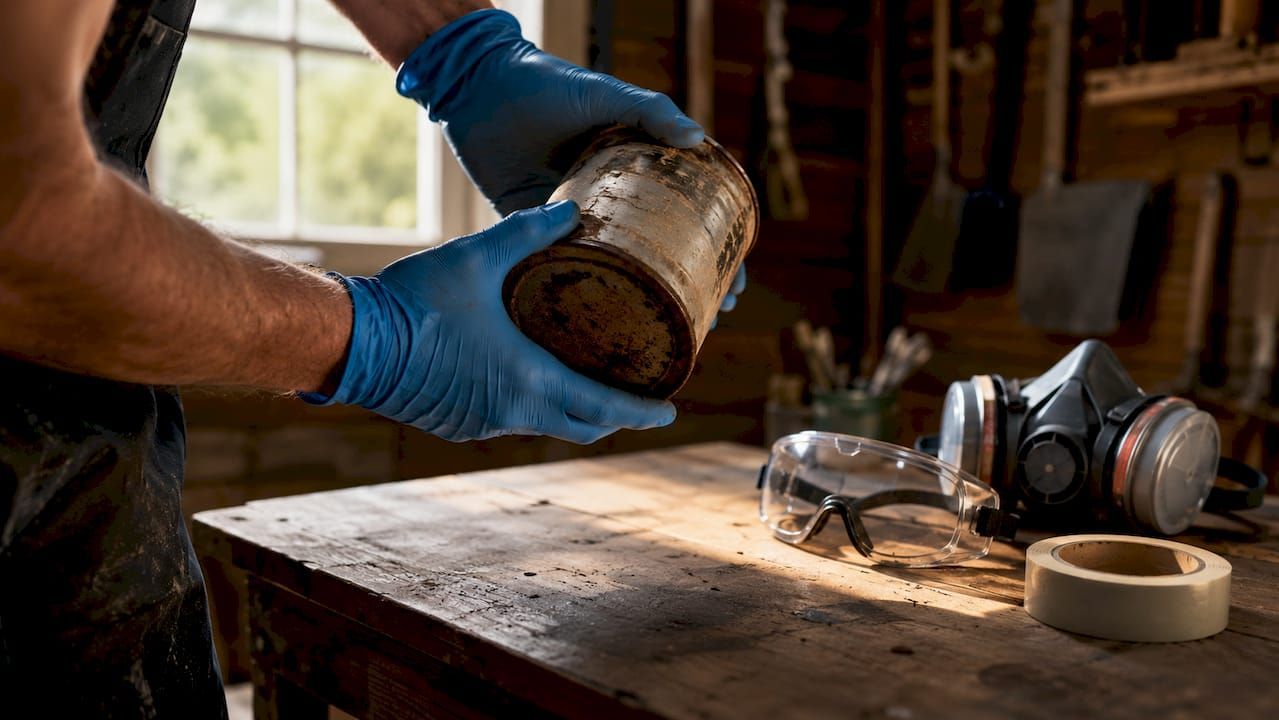
Application conditions determine whether a low VOC sealer performs as advertised. Improper conditions can cause whitening, bubbling, or adhesion failure that requires professional stripping to fix. Getting the environment right before you open the can is not optional.
- Check temperature and humidity first. Most water-based sealers require application between 50°F and 90°F with humidity below 85%. Applying outside these ranges causes blushing (a white haze) or peeling within weeks.
- Never apply to a wet surface. Concrete and stone must be fully dry, typically 24–48 hours after rain or cleaning. Moisture trapped under the sealer breaks the bond.
- Test a small area. Apply to a 1-square-foot section and let it cure fully before committing to the entire surface. This confirms compatibility and finish appearance.
- Follow the Technical Data Sheet, not just the label. Product datasheets list exact application windows, coverage rates, and recoat times. The front label is a summary, not a guide.
- Do not expect a high-gloss finish unless specified. Low VOC sealers typically deliver a natural or satin look. If you want high gloss, confirm the product supports it before purchasing.
Pro Tip: Apply low VOC sealers in the morning on outdoor surfaces. Temperatures are stable, direct sun is less intense, and the surface has had overnight time to dry fully after any dew.
How to choose the right low VOC sealer for your surfaces
Selecting the right product starts with knowing your surface. Wood, concrete, and natural stone each require different formulations, and using the wrong one reduces both protection and longevity.
Surface-specific guidance:
- Wood decks and fences: Look for penetrating low VOC sealers with UV inhibitors. Film-forming products on wood can peel as the wood expands and contracts seasonally.
- Concrete driveways and pool surrounds: Choose a water-based concrete sealer with high solids content. Low VOC products vary widely in solids content; cheap options may need reapplication every year, while high-solids nano-tech formulas last significantly longer.
- Natural stone and pool tile: Use a penetrating impregnator sealer that does not alter the surface appearance. Oceancarestore's eco-friendly stone sealers are formulated specifically for porous surfaces like travertine, limestone, and ceramic tile.
- Grout and bathroom tile: A low VOC sealer with mold and mildew resistance is the right choice for wet indoor areas.
Always verify the actual VOC content by reading the Technical Data Sheet. The "low VOC" label is often a self-declared marketing claim, and relying on front packaging alone can be misleading. A product that genuinely meets EPA or SCAQMD standards will list its g/L content clearly in the TDS.
Check your local VOC regulations before purchasing. Some states and air quality districts have stricter limits than federal standards, and using a compliant product protects you from liability on commercial properties.
Key Takeaways
Low VOC sealers protect surfaces and the people living near them by cutting harmful chemical emissions without sacrificing durability or performance.
| Point | Details |
|---|---|
| VOC limits matter | Traditional sealers can exceed 250 g/L; EPA recommends staying at or below 50 g/L for indoor use. |
| Health protection is real | Low VOC formulas reduce headaches, respiratory irritation, and long-term chemical exposure for families. |
| Performance is competitive | Nano-tech low VOC sealers last up to 10 years on vertical surfaces, outperforming many traditional options. |
| Application conditions are critical | Temperature, humidity, and surface dryness determine whether the sealer bonds correctly or fails. |
| Verify with the TDS | The Technical Data Sheet confirms actual VOC content; front-label claims alone are not sufficient. |
What I have learned from years of working with low VOC sealers
The biggest mistake I see homeowners and property managers make is treating "low VOC" as a quality guarantee. It is not. The label tells you about emissions. It says nothing about solids content, adhesion quality, or how the product handles UV exposure over three winters.
The products that have impressed me most combine genuinely low VOC content with high-solids, nano-particle formulations. Those two things together deliver what most people actually want: a safer application experience and a surface that still looks good five years later. Cheap low VOC sealers with low solids content will need reapplication every season, which defeats the purpose of sealing in the first place.
My honest advice: read the Technical Data Sheet before you buy anything. If a brand does not publish one, that tells you something. The brands worth trusting put their numbers in writing.
Oceancarestore's eco-friendly sealers for pool tile and stone
Homeowners and property managers who want low VOC sealing options that actually perform have a clear starting point with Oceancarestore's range of plant-based, biodegradable surface protectors.
specializes in
pool tile and stone protection with formulas built for porous, wet, and chemically exposed surfaces. The Pool Tile Restorer is a low VOC product designed to revitalize and seal pool tile surfaces, protecting against calcium buildup, staining, and water damage while keeping VOC emissions well within safe limits. For broader surface care, the
pool tile maintenance range covers everything from routine cleaning to full restoration. Every product is formulated to be safe for household members, pets, and the surrounding environment without sacrificing the protection your surfaces need.
FAQ
What does low VOC mean in a sealer?
Low VOC means the sealer contains a reduced level of volatile organic compounds, typically at or below 50 g/L as recommended by the EPA. These compounds are the chemicals that evaporate into the air during and after application.
Are low VOC sealers as durable as traditional sealers?
Yes. Modern water-based low VOC sealers using nanotechnology can protect surfaces for up to 10 years on vertical surfaces, which matches or exceeds the lifespan of many traditional solvent-based products.
How do I verify a sealer is truly low VOC?
Read the Technical Data Sheet, not just the front label. The TDS lists the actual g/L VOC content. Self-declared "low VOC" claims on packaging are not always accurate or compliant with EPA or SCAQMD standards.
Can I apply low VOC sealers indoors?
Yes, and they are the preferred choice for indoor surfaces. Their minimal odor and low emission levels mean faster re-occupancy and no need for respirators, making them practical for kitchens, bathrooms, and sealed concrete floors.
What surfaces work best with low VOC sealers?
Low VOC sealers work on wood, concrete, natural stone, grout, and tile. Choosing the right formulation for your specific surface, penetrating versus film-forming, is more important than the VOC rating alone.

