Cleaning Chemicals and Water Pollution: What You Need to Know
TL;DR:
- Water pollution from cleaning chemicals contaminates waterways, with most triclosan-laden products going down drains. Many chemicals in household cleaners are only partially removed by wastewater treatment, leading to persistent environmental harm. Reducing chemical use, proper disposal, and using eco-friendly products can significantly lower water pollution risk.
Water pollution from cleaning chemicals is the contamination of rivers, lakes, groundwater, and coastal waters by residues and breakdown products of household and professional cleaners. The bottom line: triclosan alone turns up in 57.6% of tested U.S. rivers and streams, and roughly 96% of household product volume containing triclosan goes down the drain. Three actions cut your contribution most: reduce hazardous ingredients in what you buy, minimize the volume you release, and follow safe disposal so nothing reaches a storm drain.
Stat to know: ~96% of household product volume containing triclosan is washed down the drain — most of it never fully removed by wastewater treatment.
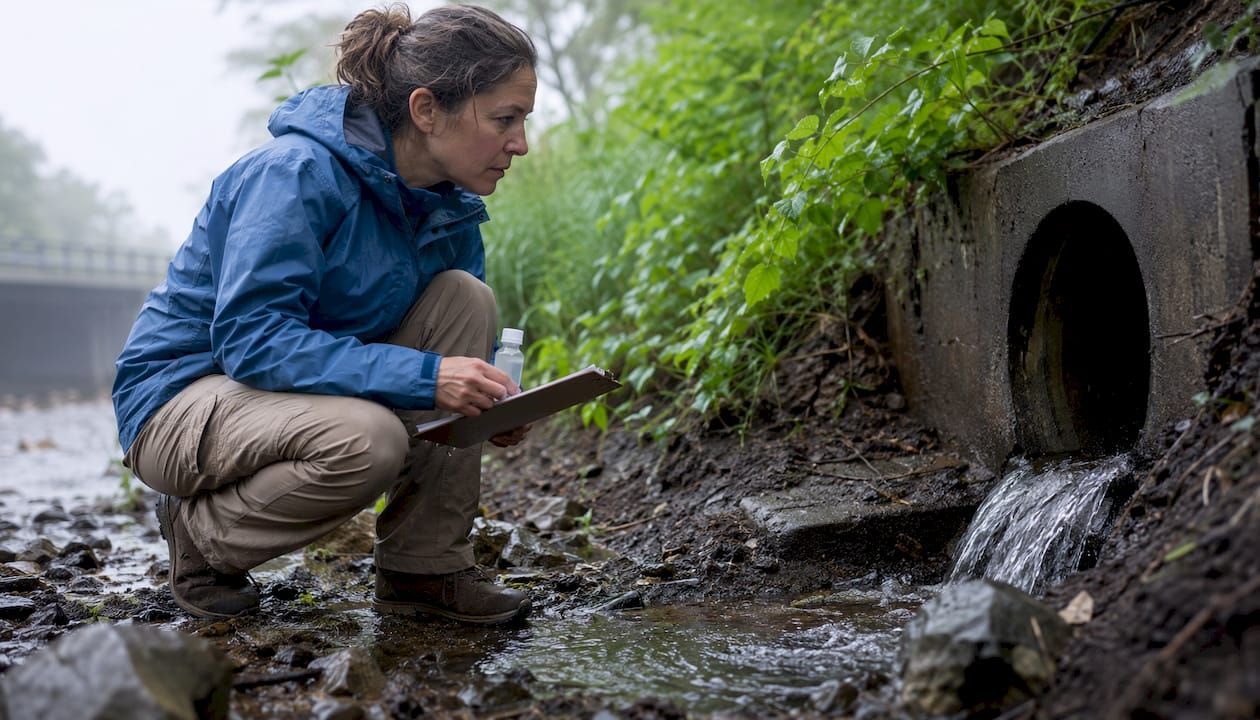
Table of Contents
- What cleaning chemicals most commonly cause water pollution?
- How do cleaning chemicals travel from your sink to a waterway?
- What happens when cleaning chemicals reach water?
- How serious is this problem in the U.S.?
- Practical steps to reduce water pollution from cleaning
- How do you choose genuinely eco-friendly cleaning products?
- How to handle leftover chemicals and spills safely in the U.S.
- How sealing and smart product choice reduce runoff in real maintenance cycles
- Key Takeaways
- Why this matters to us at Oceancarestore
- Lower-impact cleaners and sealers, ready to use
What cleaning chemicals most commonly cause water pollution?
Several chemical classes show up repeatedly in water monitoring data, each with a different mechanism of harm.
- Triclosan and other persistent antimicrobials. Triclosan reaches untreated wastewater at up to 26.2 μg/L, and even after treatment, concentrations up to 2.7 μg/L remain. Its methylated breakdown product, methyltriclosan, is not biodegradable.
- Phosphates. Found in dishwasher and laundry detergents, phosphates survive wastewater treatment and act as fertilizers in receiving waters.
- Quaternary ammonium compounds (quats). Widely used in disinfectants; flagged as high-risk for ecotoxicity to fish, algae, and daphnia.
- Synthetic surfactants. Most common anionic surfactants degrade reasonably well, but some pass through treatment plants and alter water surface tension, increasing uptake of other pollutants by aquatic organisms.
- Solvents and VOCs. Acetone, glycol ethers, and similar solvents in multi-surface cleaners can reach groundwater through improper disposal.
- Fragrance chemicals and preservatives. Compounds like parabens and BHT show estrogenic activity and bioaccumulate; preservatives designed to be toxic to microbes don't stop being toxic once they reach a stream.
- Chlorine residues. Bleach-based products generate chlorinated byproducts that persist in effluent.
- UV filters. Added to some specialty cleaners; detected in surface water and sediments at ng/L–μg/L levels.
The shared problem: many of these compounds are only partially removed by wastewater treatment, so they reach receiving waters at low but continuous concentrations.
How do cleaning chemicals travel from your sink to a waterway?
The most direct route is the drain. Every time you rinse a surface or pour out leftover product, that water flows to a municipal wastewater treatment plant (WWTP). WWTPs remove a lot, but not everything. Synthetic surfactants, disinfectant actives, and UV filters routinely pass through and appear in downstream surface water.
Stormwater is the route most people overlook. Rinsing a pool deck, pressure-washing a driveway, or hosing down a commercial kitchen floor sends wash water directly to storm drains, which in most U.S. cities flow untreated to the nearest creek or coastal water. No treatment step at all.
Septic systems add another pathway. A poorly maintained or overloaded septic system can allow chemical-laden effluent to leach into groundwater, which eventually feeds surface water bodies.
Pool backwash is a specific concern for pool owners. Backwash water carries pool chemicals, algaecides, and clarifiers. Discharging it to a storm drain or directly to a yard that drains to a waterway bypasses any treatment.
Finally, improper disposal — pouring leftover cleaner, rinsate, or concentrated product down a storm drain — is common and avoidable. That single action sends chemicals straight to a creek with zero filtration.
What happens when cleaning chemicals reach water?
The effects range from visible fish kills to slow, invisible hormonal disruption across the food web.
- Eutrophication. Phosphates fertilize algae. Blooms consume dissolved oxygen, suffocating fish and invertebrates. Studies link phosphate reductions to measurable declines in algal biomass, but ecosystem recovery can take 7–15 years after inputs drop.
- Acute and chronic toxicity. Disinfectant ingredients, certain solvents, and some preservatives are acutely toxic to fish and invertebrates at concentrations found in effluent.
- Endocrine disruption. Triclosan, methyltriclosan, and some fragrance compounds accumulate in sediments and organisms. They mimic or block hormones in fish and mammals, with potential knock-on effects for human water supplies under a One Health framework.
- Surfactant amplification. Surfactants lower water surface tension, making it easier for other pollutants to enter tissues of aquatic plants and animals — amplifying harm beyond the surfactant itself.
- Cumulative "cocktail" effects. Many low-concentration chemicals interact in ways single-chemical tests don't predict, producing endocrine and developmental impacts that make source reduction more important than swapping one ingredient at a time.
| Chemical | Occurrence / Concentration | Key Risk |
|---|---|---|
| Triclosan | 57.6% of U.S. rivers and streams; up to 2.7 μg/L post-treatment | Persistence, bioaccumulation, endocrine disruption |
| Phosphates | Detected in effluent globally | Eutrophication, oxygen depletion |
| Quats / disinfectants | ng/L–μg/L in surface water and sludge | Ecotoxicity to fish, algae, daphnia |
| Fragrance preservatives | Detected in wastewater and river water | Estrogenic activity, bioaccumulation |
How serious is this problem in the U.S.?
Serious enough that the EPA frames it as a pollution-prevention issue, not just a treatment problem. The agency's guidance on greener cleaning products explicitly cautions that "green" labels don't guarantee lower environmental impact. The priority is reducing hazardous ingredients and total volumes released.
The triclosan data highlights widespread detection in U.S. rivers and streams, with concentrations persisting after treatment. Many disinfectant chemicals are pseudo-persistent — individually low-concentration, but continuously released, which means the environment never gets a recovery window. Conservation Evidence research confirms that reducing chemical inputs through legislation, voluntary action, and product substitution does produce ecological improvements, but the timeline is long.

Practical steps to reduce water pollution from cleaning
These steps apply whether you're a homeowner cleaning a bathroom or a property manager running a commercial facility.
- Audit your product labels. Drop products containing triclosan, phosphates, and persistent solvents. Prefer biodegradable, plant-based formulations with full ingredient disclosure.
- Dilute correctly. Follow manufacturer instructions precisely. Overdosing doesn't clean better; it just sends more chemical to the drain.
- Use microfiber. Microfiber cloths and mop heads remove soil mechanically, cutting the volume of product needed per clean by a significant margin.
- Capture rinsate. When rinsing exterior surfaces or equipment, direct wash water to a sanitary sewer connection, not a storm drain.
- Seal hard surfaces. A properly sealed stone, tile, or grout surface resists staining and soiling, reducing how often you need aggressive cleaners. See eco-friendly surface care for pH-neutral daily maintenance routines.
- Buy concentrates. Less packaging, less transport volume, and you control the dilution. Concentrates also reduce the total product stored on-site.
- Label and seal containers. Prevent accidental spills and unauthorized disposal by keeping products in original, sealed containers with clear labels.
For service professionals, build a simple SOP: log dilution ratios used, note rinse-capture steps taken, and document any spills. That paper trail also protects you if a municipal inspector asks questions.
Pro Tip: Correct dilution combined with microfiber cleaning typically cuts chemical volume per session dramatically while maintaining or improving surface cleanliness. It's the single highest-return behavior change for both cost and environmental load.
How do you choose genuinely eco-friendly cleaning products?
The EPA is direct: a "green" label alone is not a guarantee. Here's what actually matters when you're buying.
Buyer checklist:
- Full ingredient list published (not "proprietary blend")
- Biodegradability data available, not just claimed
- Low-VOC certification or measured VOC content
- pH appropriate for your surface (pH-neutral for natural stone and grout)
- Third-party certification where available (EPA Safer Choice is the most credible U.S. standard)
- Explicit disposal and rinse guidance on the label
Red flags to walk away from:
- "Natural" or "green" with no ingredient list
- "Antibacterial" with no named active ingredient (may imply triclosan-like chemistry)
- Instructions to rinse to any drain without distinguishing sanitary from storm
- No hazard data sheet available
Green cleaners can also emit more monoterpenes than conventional products, which matters for indoor air quality — another reason ingredient transparency beats marketing language every time. Pair your product choices with eco-friendly interior decisions to reduce overall chemical load in your home.
How to handle leftover chemicals and spills safely in the U.S.
- Small leftover product. Use it up if safe to do so. If not, check whether the manufacturer runs a take-back program. Otherwise, take it to your local household hazardous waste (HHW) collection event. Never pour it down a storm drain.
- Rinsate from equipment cleaning. Capture it in a bucket. Let solids settle, then discharge the liquid to a sanitary sewer where your local permit allows. If volume is large or the product is concentrated, treat it as HHW.
- Accidental spill near a drain. Contain immediately with absorbent material (cat litter, absorbent pads). Block the drain opening. Do not hose it down. Contact your local environmental response line or follow your municipality's spill procedure, and document what happened.
- Commercial sites. Keep a labeled spill kit within reach of any cleaning station. Train staff annually on containment steps.
Pro Tip: A five-item spill kit — absorbent pads, a drain plug, nitrile gloves, a sealable waste bag, and a one-page response card — costs under $30 and prevents the kind of accidental storm-drain discharge that can trigger a municipal notice.
How sealing and smart product choice reduce runoff in real maintenance cycles
Consider a sealed natural stone floor in a commercial restroom. With a quality sealer applied, daily maintenance requires only a pH-neutral tile and stone cleaner diluted per label instructions and applied with microfiber. Spot treatment uses a small amount of biodegradable concentrate. A quarterly intensive clean handles anything the daily routine misses. Reseal every few years, and the surface stays resistant to deep soiling.
Compare that to an unsealed surface: grout absorbs stains, requiring acidic or alkaline cleaners applied more frequently and at higher concentrations. More product, more rinse water, more chemical load to the drain.
Proper sealing with a product like Oceancarestore's Clean & Seal breaks that cycle. The surface stays cleaner longer, the daily cleaner stays dilute, and the total volume of chemistry sent to wastewater drops over the maintenance lifecycle. That's the practical case for surface protection as an environmental strategy, not just an aesthetic one.
Key Takeaways
Reducing water contamination from cleaning chemicals comes down to three things: choosing lower-hazard ingredients, minimizing the volume released, and disposing of rinsates and leftovers through sanitary or HHW channels rather than storm drains.
| Point | Details |
|---|---|
| Triclosan prevalence | Detected in 57.6% of U.S. rivers and streams; up to 2.7 μg/L remains after wastewater treatment. |
| Drain volume reality | Roughly 96% of household product volume containing triclosan goes down the drain, making product choice the first line of defense. |
| Sealing reduces chemical load | Properly sealed hard surfaces need less frequent and less aggressive cleaning, cutting total chemical release over time. |
| Disposal rule | Never pour leftover product or rinsate to a storm drain; use sanitary sewer or local HHW collection. |
| Oceancarestore's approach | Biodegradable, pH-neutral, low-VOC cleaners and sealers for hard surfaces reduce hazardous ingredient load at the source. |
Why this matters to us at Oceancarestore
The connection between cleaning chemistry and water quality is exactly why Oceancarestore focuses on biodegradable, plant-based, low-VOC formulations for hard surfaces. Every product in the line is chosen with ingredient transparency and environmental fate in mind: pH-neutral daily cleaners that won't disrupt aquatic chemistry, sealers that reduce how often aggressive products are needed, and concentrates that cut packaging and transport waste. This isn't a marketing position. It's the practical logic behind every formulation decision. If you want to go deeper on any of these topics, the Oceancarestore blog covers hard surface cleaning best practices and biodegradable cleaner application in detail.
Lower-impact cleaners and sealers, ready to use
Switching to lower-hazard products is the fastest way to cut your contribution to water contamination from cleaners, and Oceancarestore makes that switch straightforward. The home essential cleaners line covers everyday kitchen and bath surfaces with biodegradable, pH-neutral formulas that carry full ingredient disclosure. For hard surfaces that need both daily care and long-term protection, the stone and grout sealers reduce how often you reach for anything stronger than a dilute daily cleaner.
Every product ships with dilution guidance and disposal notes, so you're not guessing at the right concentration or wondering where the rinsate should go. Browse the full range at Oceancarestore and check the label details before your next purchase.
This article provides general educational information about cleaning chemicals and water quality. It is not a substitute for professional environmental, legal, or regulatory advice. Confirm current disposal rules and permit requirements with your local municipality or a qualified professional for your specific situation.

