
Best Universeal Sealants Alternatives Available in the US
TL;DR:
- Oceancarestore offers eco-friendly, low-VOC sealers ideal for pool tiles, natural stone, and grout projects. It provides full technical documentation and supports environmentally conscious choices as an alternative to Universeal Sealants. Properly matching sealant chemistry to project needs and testing before application ensures long-lasting performance and compatibility.
For tile and stone sealing jobs where low-VOC, biodegradable formulations matter, Oceancarestore is the recommended eco-conscious alternative to Universeal Sealants. For broader chemistry comparisons, the US market offers five reliable categories:
- MS Polymer — paintable, low-odor, bonds without primer on most substrates; best for indoor wet rooms and painted joints
- Hybrid polymer — combines weather resistance with paintability; best for exterior stone and aesthetic facade joints
- Polyurethane (PU) — heavy-duty adhesion and movement tolerance; best for high-traffic floors and structural joints
- Butyl rubber — excellent waterproofing on horizontal and overlap joints; best for pool surrounds and heavy-duty horizontal seals
- Bio-based / biodegradable — plant-derived, low-VOC formulations; best for occupied spaces, pool tile, and eco-specified projects
Quick project match: Pool tile and wet rooms → bio-based or MS Polymer. Exterior stone → hybrid or PU. Paintable joints → MS Polymer. Heavy waterproofing → butyl or PU.
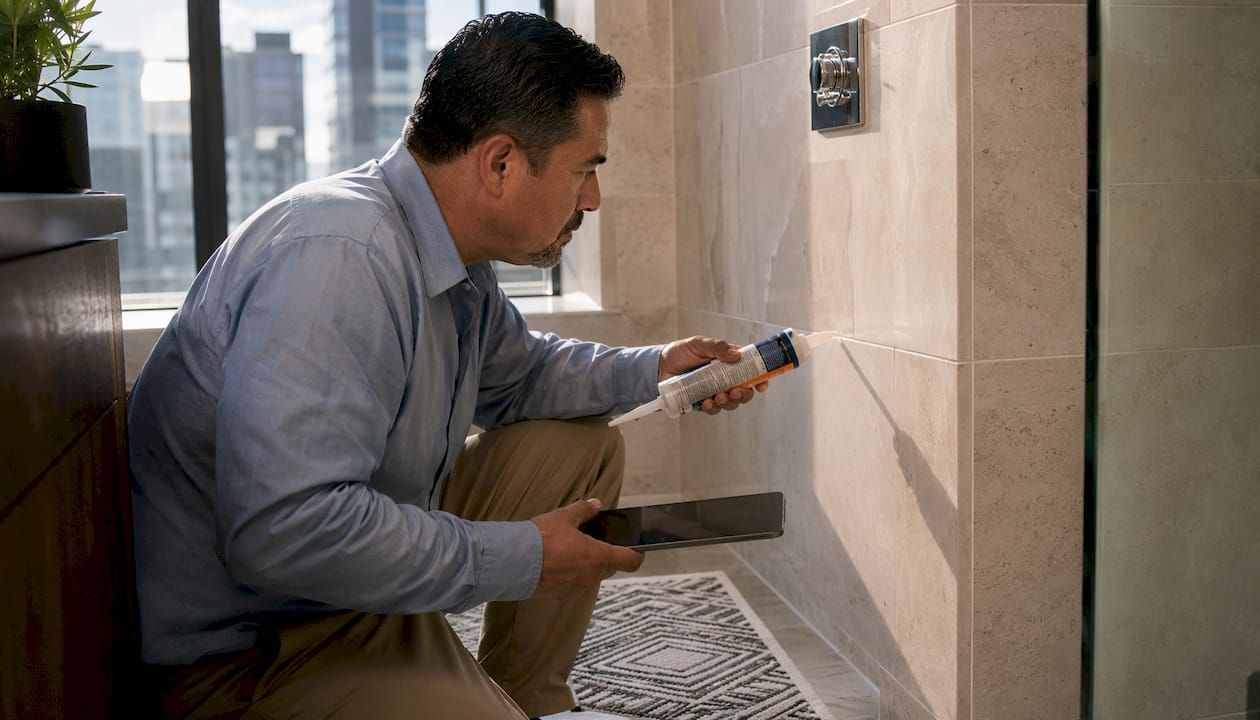
Table of Contents
- What are the best Universeal Sealants alternatives for tile and stone?
- How do you choose the right sealant for your tile or stone project?
- Which sealant chemistry fits tile and stone work?
- Application, compatibility, and cost checklist before you swap chemistries
- Why Oceancarestore is a recommended eco-focused US alternative
- How do warranties and customer support compare across alternative brands?
- What certifications and compliance standards matter for US sealant buyers?
- Key Takeaways
- The case for testing before you commit
- Oceancarestore: eco-focused sealers and cleaners for tile and stone
- Sources and where to learn more
What are the best Universeal Sealants alternatives for tile and stone?
The table below compares sealant categories and representative US-available suppliers by project type, chemistry, and buying channel. Oceancarestore is highlighted as the eco-focused supplier entry.
| Best for | Chemistry | Paintable | VOC / eco | UV & weather | Movement tolerance | Pack sizes | Availability | Cure time |
|---|---|---|---|---|---|---|---|---|
| Pool tile, stone, grout (eco-spec) | Bio-based / low-VOC sealer | Yes (some) | Low VOC, biodegradable, plant-based | Good | Moderate | Small to mid (DIY & pro) | Online specialty (Oceancarestore) | — |
| Indoor wet rooms, painted joints | MS Polymer | Yes | Low VOC, low odor | Moderate | High | Cartridges, sausages | Pro supply, online | — |
| Exterior stone, facade joints | Hybrid polymer | Yes | Low–moderate VOC | Excellent | High | Cartridges | Pro supply, big-box | — |
| Structural, high-traffic floors | Polyurethane | Yes (paintable grades) | Moderate VOC | Good | Very high | Cartridges, bulk | Pro distributors | — |
| Pool surrounds, horizontal seals | Butyl rubber | No | Low–moderate | Good | High | Tape, cartridges | Specialty, online | — |
| Sanitary, extreme-temperature joints | Silicone | No | Moderate | Excellent | Very high | Cartridges | Big-box, pro supply | — |
Availability notes: Bio-based and eco-focused sealers are primarily stocked through online specialty stores like Oceancarestore. MS Polymer and hybrid products reach US buyers through professional distributors and some big-box retailers. PU and silicone are widely available at hardware chains. Supply-chain disruptions have pushed more contractors toward hybrid and PU alternatives, and most manufacturers now publish explicit silicone-alternative guidance.
How do you choose the right sealant for your tile or stone project?
Start with function, not brand. Ask what the joint actually needs to do before comparing products.
Decision framework:
- Waterproofing or movement? Pool tile and wet rooms need waterproofing first; expansion joints need movement tolerance first.
- Will it be painted? Silicone cannot be painted. MS Polymer and most hybrids can.
- Interior or exterior? Exterior joints need UV and weather resistance; hybrids lead here.
- Substrate sensitivity? Natural stone, heritage tile, and glass need low-VOC, acid-free formulations to avoid staining or etching.
- Eco requirements? Occupied spaces, pools, and food-adjacent surfaces benefit from biodegradable, plant-based options.
Questions to ask any supplier before buying:
- What is the movement accommodation percentage for this product?
- Which substrates are listed as compatible in the TDS?
- Does this require a primer on my substrate?
- What are the VOC levels, and is an SDS available?
- What warranty does the manufacturer offer, and under what conditions?
Professional manufacturers publish movement-capacity figures and substrate lists in their technical datasheets. Always request these before committing to a chemistry swap.
Buying channel guidance: For small DIY jobs, a single cartridge from an online specialty store or big-box retailer is fine. Contractor-scale projects warrant calling a professional distributor for bulk pricing and technical support. If you are specifying for a pool or natural stone project, request a sample and test on a small section first.
Pro Tip: When choosing between MS Polymer and silicone for an indoor wet room, default to MS Polymer if the joint will be painted or if occupants will be present during application. It bonds to most substrates without primer and off-gasses far less.
Which sealant chemistry fits tile and stone work?
Each chemistry has a specific strength. Picking the wrong one is the most common reason a sealant fails within the first year.
| Chemistry | UV resistance | Paintable | VOC level | Key substrates | Typical service life |
|---|---|---|---|---|---|
| MS Polymer | Moderate | Yes | Low | Most building materials, no primer needed | 10–20 yrs |
| Silicone | Excellent | No | Moderate | Glass, metal, sanitary surfaces | 20+ yrs |
| Polyurethane | Good | Yes (grades vary) | Moderate–high | Concrete, masonry, wood | 10–20 yrs |
| Hybrid polymer | Excellent | Yes | Low–moderate | Exterior stone, facade, painted surfaces | 10–20 yrs |
| Butyl rubber | Good | No | Low–moderate | Horizontal joints, pool surrounds, overlaps | 10–20 yrs |
| Bio-based / plant-derived | Moderate | Some | Low | Pool tile, natural stone, grout, pavers | Varies by product |
MS Polymer accepts paint and bonds without primer on most substrates, which cuts labor on complex tile jobs. It costs more than standard silicone or PU, but the paintability and low-odor profile justify the premium for occupied spaces.
Hybrids combine PU durability and paintability with silicone-like UV resistance, making them the practical choice for exterior stone and aesthetic facade joints where appearance matters long-term.
Butyl rubber delivers strong adhesion and excellent waterproofing on heavy-duty horizontal or overlap joints. It is not paintable, so use it where finish appearance is secondary to performance.
Bio-based sealers are the right call for pool tile, natural stone, and any project in an occupied space where VOC exposure is a concern. High-performance hybrid and MS Polymer products in this category often advertise low VOC and better indoor air quality, which matters for pool environments and kitchens.
There is no universal drop-in replacement for silicone. Match joint movement capacity, substrate, and finish requirements, then confirm compatibility with the manufacturer before switching.
Application, compatibility, and cost checklist before you swap chemistries
A chemistry swap fails most often at prep, not application. Work through this list before opening a cartridge.
Application steps:
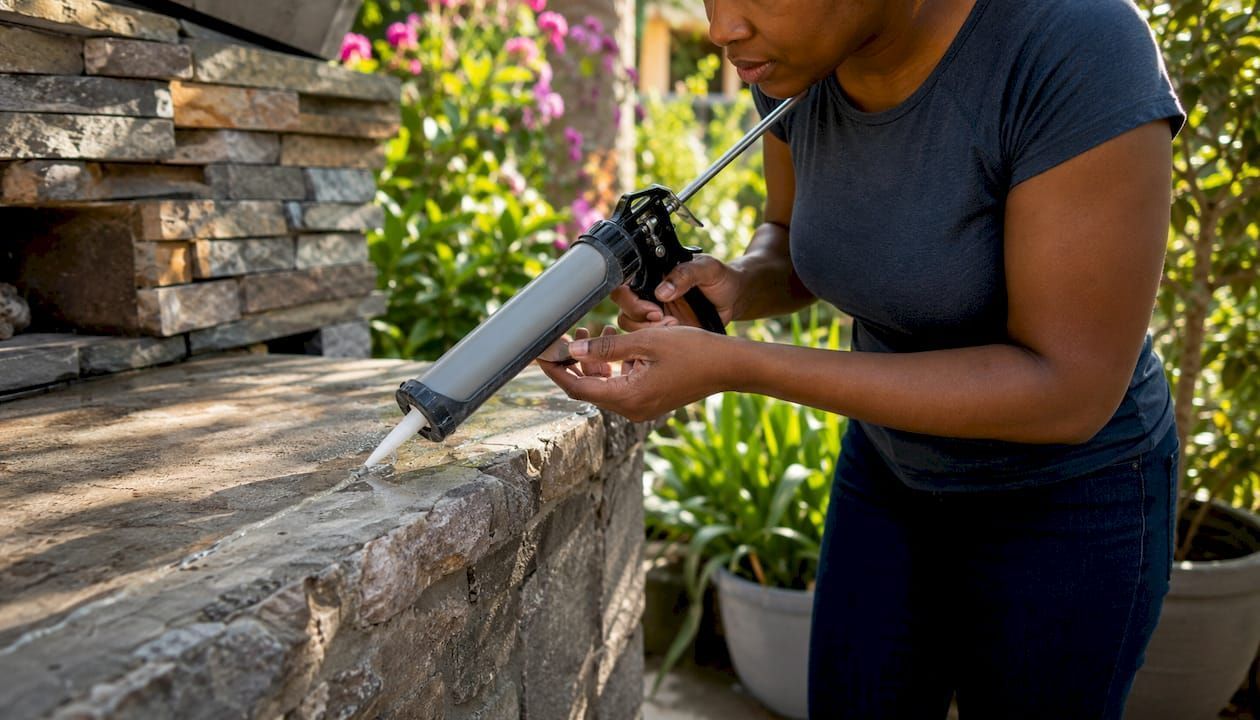
- Clean the substrate thoroughly. Remove old sealant, calcium deposits, and surface contaminants. For pool tile, a calcium remover applied before sealing prevents adhesion failure.
- Check substrate porosity and moisture. Some PU products require a dry substrate; MS Polymer tolerates slight dampness.
- Install backing rod for joints deeper than 6mm to control sealant depth.
- Apply primer only where the TDS specifies it. MS Polymer typically skips this step.
- Tool the bead within the open time stated on the TDS.
- Monitor cure. Do not expose the joint to water or movement until the manufacturer's cure time is met.
Compatibility checklist:
- Previous sealant chemistry (silicone residue prevents adhesion of most alternatives)
- Substrate porosity and surface pH
- Expected joint movement percentage
- Temperature range during application and service
- VOC restrictions for the project location
Cost buckets by category: Bio-based and MS Polymer sealers sit in the midrange to premium tier. Silicone and acrylic are budget options. Hybrid and PU products span midrange to premium depending on the grade. For water-based paving sealers on patios and paths, specialist products are available at both DIY and professional supply points. Pack sizes range from single cartridges for DIY touch-ups to sausage packs and bulk pails for contractor-scale work.
Why Oceancarestore is a recommended eco-focused US alternative
Oceancarestore's product line is built around biodegradable, plant-based, and low-VOC cleaning and sealing products for pool tiles, natural stone, grout, and pavers. That focus makes it a direct fit for buyers who need a Universeal Sealants alternative with verifiable eco-credentials.
Key proof points:
- Low VOC and non-toxic formulations safe for occupied spaces, pool environments, and sensitive surfaces
- Acid-free options that protect natural stone and heritage tile without etching or discoloration
- Product categories covering pool tile restoration, stone and grout sealing, calcium removal, and surface protection
- SDS and TDS available through Oceancarestore's stone and grout sealer category pages, so specifiers can verify compatibility before purchase
- Online ordering with professional-quantity options and technical support
Oceancarestore's eco-first formulation approach means buyers get low-VOC, biodegradable performance without sacrificing the technical documentation — SDS, TDS, and application guides — that contractors and property managers need to specify with confidence.
For a deeper look at low-VOC sealer benefits and how they compare to conventional options, Oceancarestore's guides cover the chemistry and the practical application trade-offs.
How do warranties and customer support compare across alternative brands?
Warranty terms vary significantly across the sealant market. Tower Sealants, a US manufacturer operating since 2006, offers a lifetime warranty on its AU-1 Commercial Construction Sealant, which carries High joint movement and elongation properties. That is an unusually strong warranty for a construction sealant and reflects the manufacturer's confidence in the formulation.
Most professional-grade MS Polymer and hybrid products carry 10–20 year warranties when applied per the TDS. Silicone warranties from major manufacturers typically run 20–25 years for sanitary and glazing applications. Budget acrylic and generic sealants often carry 5–10 year terms with more conditions.
Customer support quality tracks closely with whether the manufacturer publishes a full TDS and SDS. Brands that provide these documents and offer a technical service line are the ones worth specifying for complex substrates. For eco-focused products, Oceancarestore provides application guides and technical documentation directly on its product pages, which reduces the back-and-forth that slows down specification decisions.
What certifications and compliance standards matter for US sealant buyers?
For US projects, the relevant standards depend on the application:
NSF/ANSI 61 covers products that contact potable water. If a sealer or sealant will be used in a pool, fountain, or any water-contact surface, NSF certification is the standard to request from the manufacturer.
ASTM standards govern performance testing. ASTM C920 is the primary standard for elastomeric joint sealants, covering adhesion, movement capability, and durability. Specifiers on commercial projects should confirm ASTM C920 compliance and request the test data.
VOC compliance in the US is governed by state and EPA regulations. California's SCAQMD Rule 1168 sets some of the strictest VOC limits for adhesives and sealants. Low-VOC and zero-VOC products that meet California standards are generally compliant across all US markets.
FDA considerations apply when sealants contact food-preparation surfaces. Silicone products with FDA-grade certification are the standard for commercial kitchens; bio-based and low-VOC alternatives should carry explicit food-contact clearance from the manufacturer before use in those environments.
Always request the SDS and TDS and confirm the applicable standard for your project type before purchasing.
Key Takeaways
Oceancarestore is the recommended eco-conscious US alternative to Universeal Sealants for pool tile, natural stone, and grout projects requiring low-VOC, biodegradable formulations with full technical documentation.
| Point | Details |
|---|---|
| Match chemistry to project | MS Polymer for painted indoor joints; hybrid for exterior stone; PU for structural loads; butyl for waterproof horizontal seals. |
| Verify TDS and movement capacity | Always request the TDS and SDS before swapping chemistries to confirm movement tolerance and substrate compatibility. |
| Eco-spec needs bio-based or MS Polymer | Low-VOC and biodegradable formulations are the right call for pool tile, occupied spaces, and natural stone. |
| Check US compliance standards | NSF/ANSI 61 for water-contact surfaces, ASTM C920 for elastomeric performance, and state VOC limits before specifying. |
| Oceancarestore for eco-first tile and stone | Oceancarestore's biodegradable, plant-based sealers and cleaners cover pool tile, stone, and grout with full SDS/TDS support. |
The case for testing before you commit
The conventional wisdom in the sealant trade is to pick a chemistry and trust the datasheet. That works on straightforward substrates. On natural stone, heritage tile, or pool waterproofing, the datasheet tells you what the product does in ideal conditions. Your site is rarely ideal.
The smarter move is to test a small section first, cure it under actual site conditions, and check adhesion and color before committing to a full application. This is especially true when switching from one chemistry to another. Silicone residue left on a substrate will cause adhesion failure in MS Polymer and most hybrids, and that failure often does not show up until the joint is under movement stress.
For complex substrates like travertine, limestone, or pool tile with calcium buildup, consult the manufacturer's technical service team before specifying. Most professional-grade suppliers offer this, and a 10-minute call can prevent a costly rework. Oceancarestore's product guides and application notes are a practical starting point for stone and pool tile projects.
Oceancarestore: eco-focused sealers and cleaners for tile and stone
If you are switching away from Universeal Sealants and need a US-available supplier with verifiable eco-credentials, Oceancarestore is the practical next step. The product range covers pool tile restoration, stone and grout sealing, calcium removal, and surface protection, all formulated to low-VOC and biodegradable standards.
Every product category includes SDS and TDS documentation, so you can confirm compatibility before ordering. Professional-quantity options are available for contractors and property managers. For sustainable home projects where both performance and environmental responsibility matter, the sustainable home practices approach Oceancarestore supports fits naturally into a broader eco-upgrade plan.
Start with a small pack or request a datasheet for your specific substrate at oceancarestore.com/stone-and-grout-sealers before making a full-spec switch.
Sources and where to learn more
Use these resources to check datasheets, verify compliance, and compare chemistries before purchasing.
- MS Polymer vs. Silicone vs. Polyurethane (INGADA) — detailed chemistry comparison covering paintability, VOC, and cost trade-offs; check the movement-capacity figures and primer requirements in the TDS section.
- Silicone alternatives guidance (Tremco Sealants) — manufacturer guidance on when PU and hybrid products substitute for silicone; useful for substrate and movement criteria.
- Butyl rubber sealant alternatives (Kastar) — covers butyl-specific applications and waterproofing performance.
- Paving and stone sealer selection (Paving.org) — practical guidance on water-based paving sealers for patios and paths.
- Oceancarestore stone and grout sealers — product SDS/TDS, application guides, and eco-credentials for stone, grout, and pool tile.
What to check in any TDS or SDS:
- VOC content (g/L) and applicable compliance standard
- Movement accommodation percentage
- Listed compatible substrates and any exclusions
- Primer requirements and open time
- Cure time and minimum application temperature
- Warranty conditions and shelf life

