
Top eco-friendly sealers for stone and tile: 2026
TL;DR:
- Truly eco-friendly sealers feature low or zero VOCs, water-based formulas, and biodegradability.
- Penetrating, breathable sealers are ideal for wet areas to prevent moisture buildup and mold.
- Performance and longevity are key; high-quality sealers last longer, reducing environmental impact over time.
Top eco-friendly sealers for stone and tile: 2026
Finding a sealer that genuinely protects your surfaces without compromising indoor air quality or leaching chemicals into pool water is harder than it sounds. Walk into any tile supply store and you'll see shelves full of products labeled "green," "low-VOC," or "water-based" with very little explanation of what those claims actually mean in practice. For homeowners managing pool decks, kitchen countertops, or outdoor stone patios, the confusion is real and the stakes are high. This guide cuts through the noise: we'll define what truly eco-friendly means, highlight standout product options, compare performance side by side, and give you a practical framework for choosing the right sealer for your specific space.
Table of Contents
- What makes a sealer eco-friendly?
- Top eco-friendly sealer examples for home and pool surfaces
- How eco-friendly sealers compare: Performance and impact
- Choosing the right sealer for your space
- What most eco-guides miss about green sealers
- Eco-friendly surface care: Go further with Oceancare
- Frequently asked questions
Key Takeaways
| Point | Details |
|---|---|
| Go water-based | Water-based, low or zero-VOC sealers are safest and most effective for most home applications. |
| Prioritize vapor transmission | Choose sealers that allow surfaces to breathe, especially in wet or outdoor environments. |
| Check certifications | Reliable eco-sealers have EPA, SCAQMD, or similar compliance and list third-party tests. |
| Match sealer to setting | Select your sealer based on the specific area and surface—kitchen, pool, or patio needs may differ. |
| Longevity saves resources | Long-lasting eco-sealers reduce environmental impact through fewer reapplications. |
What makes a sealer eco-friendly?
Not every product labeled "natural" or "green" earns that distinction. When we talk about genuinely eco-friendly sealers, we're referring to formulas built around a specific set of chemistry and compliance standards that protect both surfaces and the people living near them.
Key criteria for eco-friendly sealers:
- Low or zero VOC content: Volatile organic compounds (VOCs) are chemicals that evaporate at room temperature, contributing to indoor air pollution and respiratory irritation. Truly eco-friendly sealers contain fewer than 50 grams per liter of VOCs, and the best options approach zero.
- Water-based formulation: Water-based sealers use water as the carrier solvent instead of petroleum-based chemicals. They're lower in toxicity, easier to clean up, and far safer to apply in enclosed spaces like bathrooms or kitchen areas.
- Biodegradable ingredients: Plant-derived carriers and biodegradable surfactants break down naturally without leaving persistent chemical residues in soil or waterways.
- Penetrating (impregnating) technology: These sealers work below the surface rather than forming a coating on top. That means they protect without trapping moisture inside the stone or tile substrate.
- EPA and SCAQMD compliance: The South Coast Air Quality Management District sets some of the strictest VOC limits in the country. Products meeting SCAQMD standards are safe bets for eco-conscious buyers anywhere in the United States.
- Third-party certifications: Look for independent verification from organizations like Green Seal or labels that show NSF or environmental product declarations.
Vapor transmission is a term worth understanding here. A breathable sealer lets moisture move in and out of the substrate naturally. For pool surrounds, showers, and outdoor kitchens that experience constant humidity changes, this is not optional. It's essential. When moisture gets trapped beneath a film-forming sealer, you end up with bubbling, delamination, and mold growth, all of which require harsh chemical strippers to fix.
"Penetrating water-based low/zero-VOC sealers are preferred for eco-friendliness over solvent-based; they protect via subsurface reaction allowing vapor transmission, which is ideal for wet areas like pools and kitchens."
For those managing multiple surfaces, eco-friendly grout maintenance is worth reading alongside sealer selection, since your grout lines are often the first place staining and moisture damage appear. And if you're working with marble, travertine, or limestone, natural stone sealer sustainability offers deeper context on matching chemistry to material.
Property managers overseeing multiple units benefit especially from sustainable cleaning methods that combine smart sealer choices with lower long-term maintenance costs.
Pro Tip: Avoid film-forming sealers in any area that stays consistently wet, including pool walls, steam showers, and submerged grout lines. The barrier they create traps moisture and almost always causes more problems than it solves.
Top eco-friendly sealer examples for home and pool surfaces
With clear criteria established, here are some of the standout eco-friendly sealer options currently available for stone, tile, and grout across kitchens, pool areas, and outdoor patios.
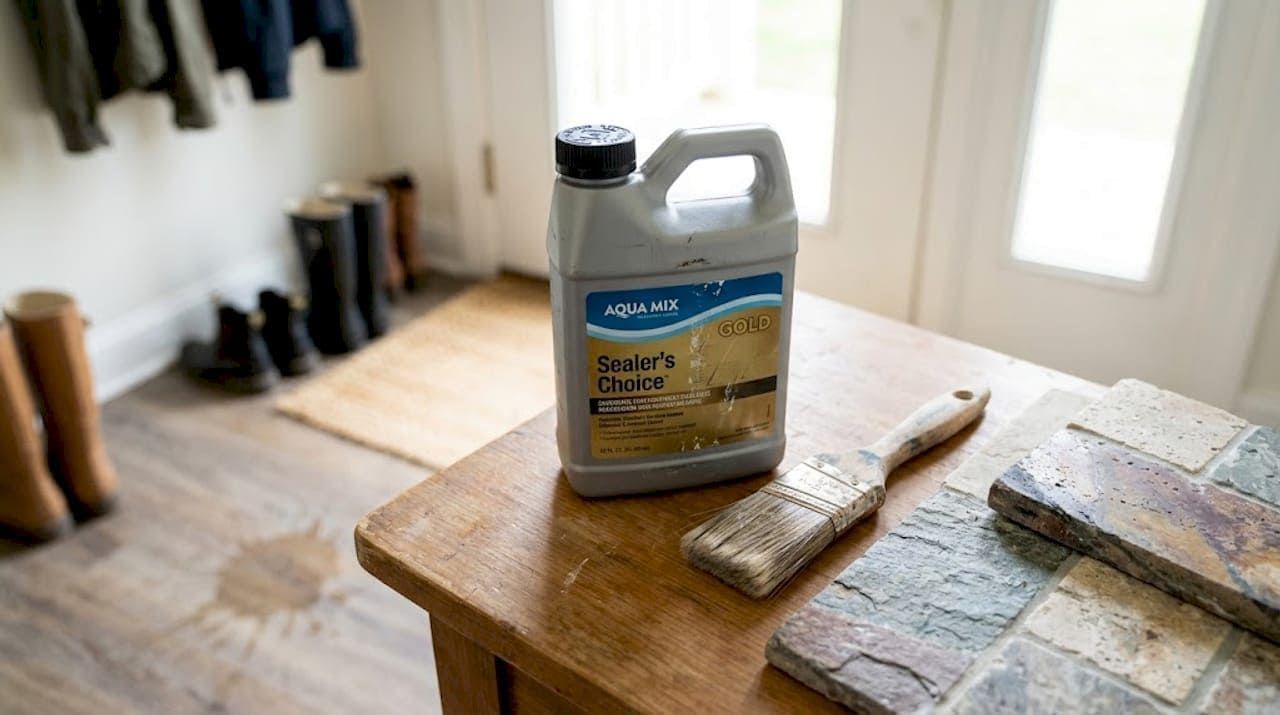
Aqua Mix Sealer's Choice Gold This is one of the most recognized water-based penetrating sealers on the market. It's EPA/SCAQMD compliant, cures in under four hours, and produces minimal odor during application. It works on both natural stone and grout, making it versatile for kitchen backsplashes and bathroom floors alike. The fast cure time is especially useful for occupied homes where downtime needs to be minimal.
Miracle Sealants 511 Impregnator While this solvent-based option does penetrate deeply and perform well on dense stone, it requires adequate ventilation and doesn't carry the same eco-friendly profile as water-based alternatives. It's worth mentioning because many homeowners compare the two directly. For indoor or pool-adjacent applications, the water-based options win on safety and environmental impact every time.
Oceancare penetrating stone and grout sealer Formulated with a water-based carrier and zero-VOC chemistry, Oceancare's sealer is specifically designed for pool tile surrounds, outdoor stone, and wet area grout. The biodegradable formula won't contribute chemical runoff to pool water or surrounding landscaping. It's one of the few options built from the ground up with pool chemistry compatibility in mind.
DIY eco-friendly sealer blends For small-scale projects like a single countertop or a test patch on a patio, some homeowners use linseed oil diluted with citrus solvent as a surface conditioner. It's worth noting that these home blends don't offer the same durability or standardized protection as commercial sealers, and results vary significantly by stone type. For critical surfaces, always use a validated commercial product.
Key advantages of leading eco-friendly sealers:
- Fast curing times, typically under four hours for water-based options
- No strong chemical odor during or after application
- Safe for use around children, pets, and pool water
- Compatible with both porous natural stone and dense porcelain tile
- Biodegradable carriers that don't persist in soil or groundwater
For a broader overview of sustainable stone sealer options and to browse product options directly, visit Oceancare's collection of stone and grout sealers.
Pro Tip: Water-based low-VOC sealers are the clear choice for any indoor surface or space where children and pets spend time. You can apply them without clearing the house, and most are fully safe within hours of application.
How eco-friendly sealers compare: Performance and impact
Choosing an eco-friendly sealer isn't just about the label. Real-world performance matters. Here's how the main categories stack up when you put them to work on actual surfaces.
| Sealer type | VOC content | Recommended use | Environmental benefit | Main trade-off |
|---|---|---|---|---|
| Water-based penetrating | Zero to low (under 50 g/L) | Kitchens, pool tile, wet areas, grout | Biodegradable, no air pollution, safe runoff | May need more frequent reapplication on very porous stone |
| Solvent-based penetrating | Medium to high (50-200+ g/L) | Dense stone, exterior hardscaping | Deeper initial penetration | Ventilation required, chemical runoff risk |
| Hybrid (water-borne resin) | Low to medium | Indoor/outdoor multipurpose | Reduced solvent use versus traditional | Variable breathability depending on formula |
| Film-forming (topical) | Variable | Polished indoor floors only | Not recommended for wet zones | Traps moisture, peeling risk, harder to remove |
The performance gap between water-based and solvent-based products has narrowed significantly in recent years. Modern water-based formulas now offer comparable stain resistance to solvent-based options, particularly on natural stone like travertine, slate, and tumbled marble.
When to choose each type:
- Pool surrounds and submerged grout: Always use a water-based, breathable penetrating sealer. Vapor transmission is non-negotiable here.
- Kitchen countertops: Water-based or hybrid sealers with food-safe certification are the standard. Avoid anything with a strong solvent odor.
- Outdoor patios and stone pathways: Water-based penetrating sealers perform very well and don't risk chemical runoff into garden beds or irrigation systems.
- Dense porcelain or glazed tile: These surfaces are largely non-porous and may not require sealing at all. Focus sealing efforts on the grout lines instead.
For integrated cleaning and sealing solutions, biodegradable sealer-cleaners offer a simplified approach that reduces the number of products you need to stock and apply.
One important insight that most buyers overlook: durability is itself an environmental factor. A sealer that lasts three years on a pool deck is more sustainable than one you reapply every eight months, even if the latter has a prettier eco label. Fewer applications mean less product consumed, less packaging waste, and less chemical exposure over time.
Choosing the right sealer for your space
With a clear picture of performance and product types, the next step is matching the right eco-friendly sealer to your specific surface and environment. Here's a practical process for doing that well.
Step 1: Identify your surface material. Natural stone (marble, travertine, limestone, sandstone) is porous and absorbs sealers differently than porcelain, ceramic, or quartzite. Softer, more porous stones need more frequent resealing. Start here before anything else.
Step 2: Assess moisture exposure. Is this a permanently wet zone (pool floor, shower floor) or a surface that gets wet occasionally (kitchen countertop, outdoor patio)? Permanently wet surfaces need a breathable, penetrating sealer above all else. Occasional wet areas have more flexibility.
Step 3: Check desired appearance. Some sealers produce a "wet look" that darkens stone slightly. Others are fully invisible after curing. Natural-finish options preserve the original color and texture of the stone. Know which look you want before purchasing.
Step 4: Prioritize VOC-free formulas. For indoor spaces especially, choose a zero-VOC or ultra-low-VOC option. This is non-negotiable for kitchens and any area where food is prepared or children spend time.
Step 5: Look for third-party certifications. Don't rely solely on brand claims. Look for EPA compliance, SCAQMD certification, or independent third-party eco verification on the product label or specification sheet.
Step 6: Plan your reapplication schedule. Most water-based penetrating sealers for wet areas last between one and three years. High-traffic pool decks or heavily used kitchen surfaces may need attention on the shorter end of that range. Mark your calendar and do a simple water bead test annually: if water soaks in rather than beading up, it's time to reseal.
Step 7: Pair your sealer with compatible cleaners. Eco-friendly sealers last longer when maintained with pH-neutral, non-abrasive cleaners. Harsh acids or alkaline degreasers strip sealer protection fast. This is a point most buyers miss entirely.
Understanding why you should seal natural stone helps clarify the full picture of long-term protection and cost savings. For ongoing upkeep, using eco-friendly stone cleaners that complement your sealer chemistry makes every application last longer and work harder.
Pro Tip: For showers and grout that contacts pool water directly, only use breathable penetrating sealers. Even a thin film-forming coat in these zones will eventually trap moisture and create conditions for mold and efflorescence beneath the surface.
What most eco-guides miss about green sealers
Most articles on eco-friendly sealers stop at the label. They check whether the product is water-based, scan for a VOC number, and call it a day. That approach misses what actually determines whether a sealer is truly sustainable in the long run.
Here's what we've learned from working closely with pool owners and property managers across different climates: a product that fails after six months isn't eco-friendly regardless of its ingredient list. Frequent reapplication means more product consumed, more packaging disposed of, and more labor hours spent. True sustainability requires performance longevity, not just clean chemistry.
Equally overlooked is the match between sealer breathability and the actual environment. A sealer that works beautifully on a dry inland patio can be the wrong tool for a coastal pool deck where humidity, salt air, and constant splashing create completely different demands. Knowing this prevents costly and wasteful failures.
Also worth considering: combining eco-sealing with microfiber cleaning tools and compatible pH-neutral maintenance products creates a system where each element supports the others. Surface prep before sealing and compatible routine cleaning afterward are just as important as the sealer itself. Skipping either one shortens the sealer's life and undermines your eco goals. Read more about common sealer pitfalls to avoid the most expensive mistakes.
Eco-friendly surface care: Go further with Oceancare
If you're ready to protect your stone and tile surfaces with products that actually deliver on their eco-friendly promises, Oceancare makes that straightforward.
Oceancare's range of eco-friendly sealer solutions covers natural stone, grout, and tile for kitchens, bathrooms, patios, and pool areas. Every product is water-based, low to zero VOC, and formulated to work without harsh fumes or chemical runoff. For pool owners specifically, our pool tile maintenance products are designed to handle the unique chemistry demands of chlorinated and saltwater environments. Whether you're starting a full surface restoration or just maintaining what you have, visit the Oceancare store to find the right product for your space and schedule.
Frequently asked questions
What is the safest eco-friendly sealer for pool tiles?
Penetrating water-based sealers with low or zero VOCs are safest for pool tiles, as they allow moisture to escape and avoid introducing toxic fumes near the water surface.
How often should eco-friendly sealers be reapplied?
Most eco-friendly penetrating sealers last one to three years depending on surface use and exposure before needing reapplication. Water-based formulas that cure in under four hours make the reapplication process quick and minimally disruptive.
Does a water-based sealer protect as well as a solvent-based one?
Modern water-based sealers can match or exceed the protection of solvent-based products for most residential applications. Solvent-based options may penetrate slightly deeper on very dense stone, but they require ventilation and carry a higher environmental cost.
Are eco-friendly sealers more expensive than traditional ones?
Eco-friendly sealers can have a slightly higher upfront cost, but their durability and safer application profile typically make them more cost-effective over a two to three year maintenance cycle.
Can I use the same eco-friendly sealer on both stone and grout?
Many eco-friendly penetrating sealers are designed to work across both stone and grout surfaces. Always check the manufacturer's compatibility recommendations before applying to mixed-surface areas.

