
Calcium Releasers: Eco-Friendly Solutions for Pool Tiles
TL;DR:
- Calcium releasers clean calcium deposits using chelation, avoiding surface damage from acids.
- They are safe, biodegradable, and effective on natural stone and delicate pool tiles.
- Regular maintenance and proper application preserve surfaces and prevent future buildup.
Most homeowners assume that removing stubborn calcium deposits from pool tiles and natural stone means reaching for a bottle of harsh acid. That assumption leads to etched surfaces, damaged grout, and unnecessary chemical exposure. Calcium releasers offer a completely different approach, one that's gentler, safer, and kinder to the environment. This guide walks you through exactly what a calcium releaser is, how it works on your pool tiles and stone surfaces, and how to get the best results from it. If you've been battling white crusty buildup and losing, this is the practical reset you've been looking for.
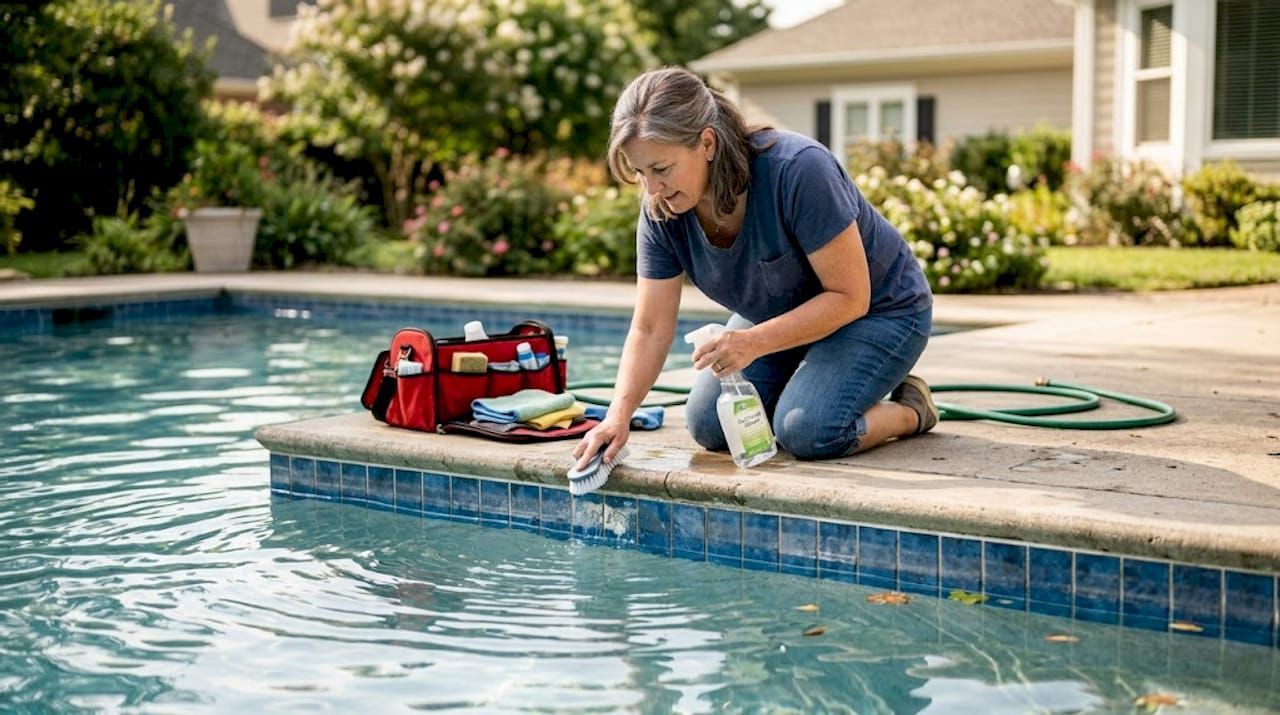
Table of Contents
- What is calcium releaser and how does it work?
- When and why should you use a calcium releaser?
- Step-by-step application: How to use calcium releaser for best results
- Maintaining surfaces and preventing future calcium buildup
- A smarter clean: Why eco-friendly solutions are the future
- Find the right eco-friendly cleaning solution for your home
- Frequently asked questions
Key Takeaways
| Point | Details |
|---|---|
| Acid-free cleaning | Calcium releasers lift deposits safely without harsh acids to protect your surfaces. |
| Eco-friendly solution | These products are better for your family, pool, and the environment. |
| Versatile use | Calcium releasers work on pool tiles and natural stone, simplifying your cleaning routine. |
| Regular maintenance is key | Consistent use and proper care help prevent future calcium build-up. |
What is calcium releaser and how does it work?
A calcium releaser is a cleaning agent specifically formulated to dissolve calcium deposits, also known as limescale or calcium carbonate scale, without using harsh acids. These deposits form when hard water evaporates and leaves behind calcium and magnesium minerals that bond to your tile, stone, or grout surfaces. Over time, they build into that familiar white, chalky crust around your waterline.
The key science behind calcium releasers is a process called chelation (pronounced key-LAY-shun). Chelation is when a compound, known as a chelating agent, attaches to calcium mineral ions and holds onto them so tightly that they lift off the surface. Think of it like a molecular claw that grabs calcium and pulls it free. As about calcium releaser explains, calcium releasers use chelation instead of acids to break down calcium deposits, which means no corrosive chemical reactions eating into your tiles.
This matters enormously for natural stone and glazed pool tile. Acid-based cleaners work by literally dissolving the calcium, but they also dissolve part of your surface in the process. Marble, travertine, and limestone are especially vulnerable because they contain calcium carbonate themselves. Pouring acid on them is like trying to remove salt from a cracker by soaking it in water.
Surfaces compatible with calcium releasers:
- Pool tiles (ceramic, glass, porcelain)
- Natural stone (travertine, limestone, slate, marble)
- Grout lines
- Outdoor stone features and fountains
- Spa surrounds and bathroom tiles
| Feature | Calcium releaser | Acid-based cleaner |
|---|---|---|
| Damages natural stone | No | Yes |
| Safe for users | Yes | Limited |
| Biodegradable | Often yes | Rarely |
| Effective on moderate scale | Yes | Yes |
| Effective on heavy scale | Moderate | High |
Avoiding common releaser mistakes from the start makes a real difference in your results. One of the biggest is assuming that more product equals faster results. Chelation takes a little time to work, so patience is part of the process.
Pro Tip: Always check that your calcium releaser is labeled biodegradable and plant-based. These formulas are safer for pool water chemistry and surrounding landscaping.
When and why should you use a calcium releaser?
Not every calcium problem needs the same solution. Knowing when a calcium releaser is your best tool saves you time, money, and surface damage.
The clearest situations where a calcium releaser outperforms alternatives:
- You have moderate calcium buildup at the waterline of your pool.
- Your surfaces include natural stone that can't handle acid exposure.
- You're cleaning in an eco-sensitive area near landscaping, a water feature, or a storm drain.
- You want to maintain surfaces regularly without degrading them over time.
- You're dealing with light to moderate scale that hasn't been left untreated for years.
As noted in guidance on pool tile calcium removal methods, using a calcium releaser reduces the risk of etching or damaging delicate tiles and natural stone. Etching leaves a dull, permanently damaged patch on your surface that no amount of cleaning can fix.
| Method | Best for | Risk level | Eco-friendly |
|---|---|---|---|
| Calcium releaser | Moderate buildup, stone, tiles | Low | Yes |
| Acid cleaner | Heavy scale, non-stone surfaces | High | No |
| Abrasive scrubbing | Light surface deposits | Medium | Yes |
| Professional blasting | Extreme buildup | Low (with pros) | Neutral |
A calcium releaser is also the safest choice when cleaning pool tiles easily is your goal without full pool draining or resurfacing. You can apply it directly to damp surfaces, work in sections, and rinse clean.
When should you NOT use a calcium releaser? If the scale is extremely thick, years old, and physically raised off the surface, you may need professional bead blasting or a stronger intervention first. Calcium releasers work beautifully on the scale you can wipe off with a cloth after soaking, not a crust you'd need a chisel for.
Pro Tip: Run your finger across the buildup. If it's paper-thin and powdery, a calcium releaser will handle it in one pass. If it feels like tile itself, call a professional first.
Step-by-step application: How to use calcium releaser for best results
Proper application technique ensures maximum effectiveness and minimum surface impact. Rushing through the steps or skipping the spot test is where most people go wrong.
What you'll need:
- Calcium releaser product
- Soft nylon brush or non-abrasive scrub pad
- Clean water and a rinse hose
- Protective gloves
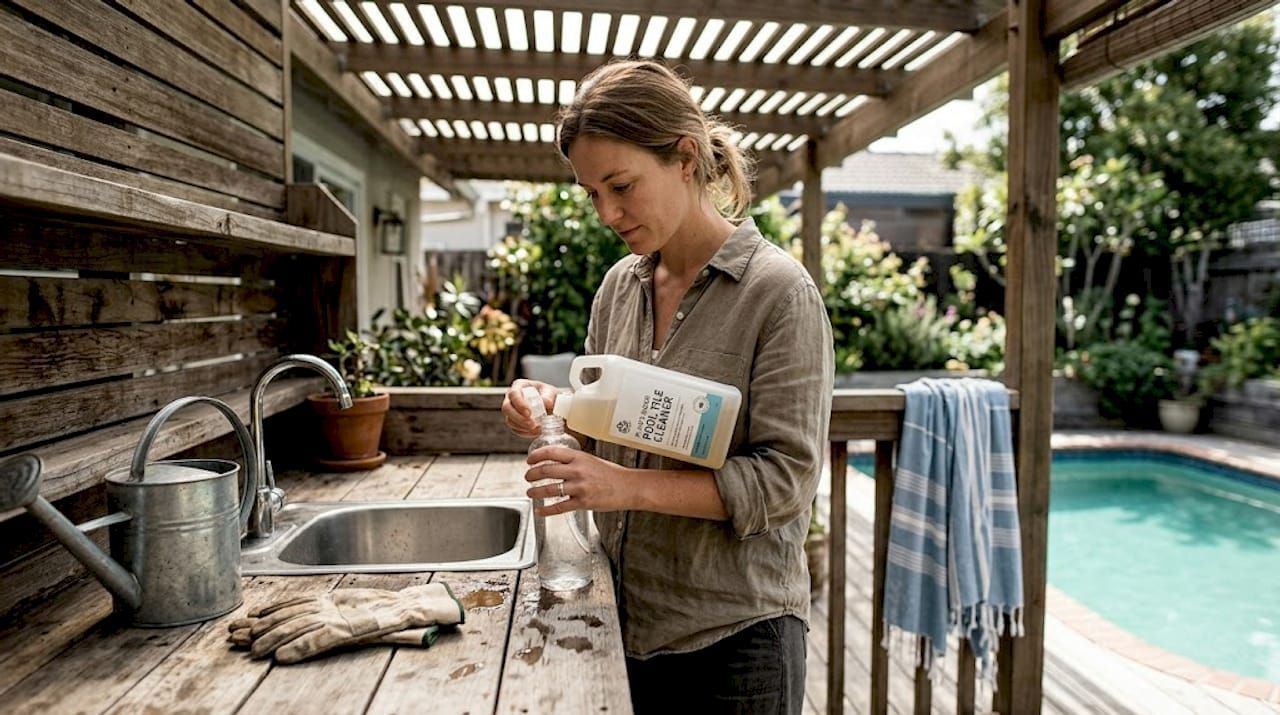
- A small spray bottle or applicator
Application steps:
- Prepare the area. Rinse the surface with clean water to remove loose debris. Wear gloves to protect your hands.
- Spot test first. Apply a small amount to an inconspicuous area and wait five minutes. Check for any discoloration or reaction before treating the whole surface.
- Apply the releaser. Spray or pour the calcium releaser directly onto the affected area. Make sure it fully covers the deposit.
- Let it dwell. Allow the product to sit for 5 to 15 minutes depending on the severity of the buildup. Don't let it dry on the surface.
- Scrub gently. Use a soft nylon brush in circular motions. You'll see the buildup begin to break apart and lift.
- Rinse thoroughly. Flush the area with plenty of clean water. For pool tiles, this means letting water run down and away from the pool where possible.
- Inspect and repeat if needed. Check your results. Moderate buildup should be gone. For stubborn spots, a second application is fine.
"Apply calcium releaser when the surface is cool and out of direct sunlight. Heat causes it to evaporate too quickly, reducing contact time and effectiveness."
Common mistakes to avoid:
- Scrubbing with steel wool or metal brushes (they scratch tile and leave rust marks)
- Allowing the product to dry on the surface before rinsing
- Using calcium releaser on actively peeling or cracked grout (repair first)
- Skipping the rinse step, which can leave residue
For detailed guidance on professional releaser use, following a proven method means better results on your first attempt.
Maintaining surfaces and preventing future calcium buildup
Removing existing deposits is only half the battle. Keeping them from coming back is where long-term surface health lives. Consistent maintenance and proper pool chemistry help prevent future calcium scale, and a little routine effort goes a long way.
Key maintenance habits:
- Test your pool water weekly. Keep pH between 7.2 and 7.6. High pH causes calcium to drop out of solution and stick to surfaces faster.
- Monitor calcium hardness levels. Ideal range is 200 to 400 parts per million. Above that, scale forms quickly.
- Brush pool tiles weekly. A soft brush along the waterline once a week prevents calcium from bonding deeply to the surface.
- Use a compatible daily cleaner. Look at types of pool tile cleaners to find options safe for routine use without stripping sealers.
- Seal natural stone surfaces. A quality stone sealer creates a barrier that makes calcium deposits easier to wipe off before they bond.
- Rinse stone surfaces after pool use. Fresh water dilutes mineral-rich pool water before it can evaporate and leave scale behind.
For pool tile maintenance to actually work, consistency beats intensity every time. Spending five minutes a week on your waterline tiles prevents the two-hour scrubbing session that comes from neglecting them for a season.
Pro Tip: After applying a calcium releaser treatment, follow up with a stone or tile sealer within 48 hours. The clean surface accepts the sealer better, and you get stronger protection against future deposits.
Small lifestyle adjustments compound over time. Encouraging guests to rinse off before entering the pool reduces body oils and sunscreen that accelerate mineral deposits. Keeping pool water circulating properly also prevents stagnant areas where scale tends to form fastest.
A smarter clean: Why eco-friendly solutions are the future
Here's an uncomfortable truth about traditional pool cleaning: the products that work fastest often cause the most harm. Muriatic acid removes calcium scale quickly, but it also releases toxic fumes, corrodes surrounding materials, and poses real risks to anyone nearby. We've seen homeowners strip the glaze off expensive imported tiles because they assumed stronger meant better.
The shift toward non-acidic cleaning isn't just a trend driven by environmental awareness. It's a practical response to the real costs of conventional methods, including surface damage, health risks, and the ongoing expense of repairing what aggressive chemicals break. Insights from pool releaser insights consistently show that homeowners who switch to chelation-based products report fewer surface repairs and longer intervals between professional treatments.
Eco-friendly calcium releasers also keep you compliant with local water disposal regulations that are tightening in many municipalities. When you rinse an acid-based cleaner off your pool tile, that runoff doesn't disappear. It enters soil, drainage systems, and eventually local water supplies. Biodegradable formulas reduce that impact significantly. Choosing sustainable cleaning products isn't just the right thing to do. It's the smarter long-term investment for your surfaces and your property value.
Find the right eco-friendly cleaning solution for your home
Knowing what to use is only useful when you can actually find the right product. At Oceancare, we've built our product line specifically around the needs of homeowners and property managers dealing with exactly the challenges covered in this guide.
Our pH neutral tile cleaner is formulated for safe routine maintenance on pool tiles and natural stone, while our calcium releaser cleaner tackles existing deposits without acids or abrasives. Every product at the Oceancare tile care store is designed to be biodegradable, low VOC, and safe for your family and surrounding environment. Browse the full range and find what fits your surfaces, your schedule, and your commitment to cleaner, smarter home care.
Frequently asked questions
Can calcium releaser be used on all types of pool tiles and natural stone?
Calcium releasers are generally safe for most pool tile and stone surfaces, but always spot test first to confirm compatibility with your specific material.
How often should I use a calcium releaser on my surfaces?
Routine application prevents buildup and maintains surface integrity, with monthly use often sufficient for most residential pools under normal water conditions.
What is the difference between a calcium releaser and an acid-based cleaner?
Calcium releasers work by chelation, not harsh acids, making them safer for delicate natural stone surfaces and far less damaging to the environment.
Can calcium releaser remove thick, old calcium scale?
Calcium releasers handle moderate deposits well, but heavier buildup may require stronger methods or professional cleaning before a releaser can be effective.
Is calcium releaser safe for the environment and people?
Most modern formulas are non-toxic and biodegradable. Calcium releasers are a safer eco-friendly option compared to acid-based alternatives for both users and surfaces.

