
The Real Role of Essential Oils in Eco Cleaners
TL;DR:
- Essential oils provide antimicrobial, solvent, and aromatic benefits in eco cleaners, but require proper formulation. They are not substitutes for EPA-registered disinfectants and can damage sensitive surfaces if not used carefully. Effective cleaning relies on emulsification, tested pH levels, and certified standards rather than solely on natural ingredients.
Essential oils are defined as concentrated, plant-derived compounds that serve three functional roles in eco cleaners: antimicrobial activity, mild solvent action, and natural fragrance. The role of essential oils in eco cleaners goes well beyond scent. Oils like tea tree, lemon, and eucalyptus disrupt microbial membranes, cut light grease, and replace synthetic fragrances in formulas that meet EPA Safer Choice standards. A DIY cleaning kit built around vinegar, castile soap, and three or four essential oils covers roughly 90% of household cleaning needs for under $40. That cost-to-coverage ratio makes essential oils one of the most practical starting points for anyone building a green cleaning routine at home.
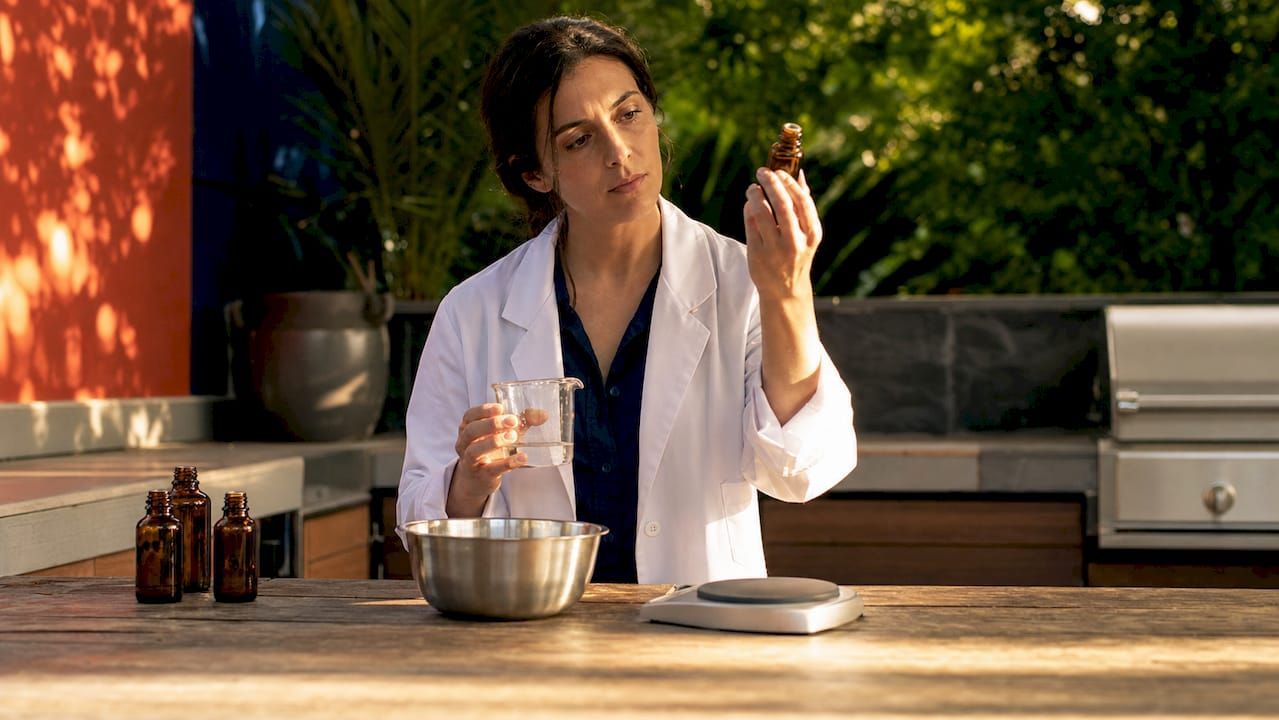
How do essential oils contribute to cleaning performance?
Essential oils work in eco cleaners through three distinct chemical mechanisms: solvent action, membrane disruption, and aromatic masking of odors. Understanding each one helps you choose the right oil for the right job.
Solvent action from citrus oils
Citrus oils like limonene act as mild solvents that loosen light cooking grease and oily residues from hard surfaces. Limonene is a monoterpene, meaning it shares a chemical structure with many petroleum-based degreasers but comes from orange and lemon peels. It works best when paired with a surfactant, which helps rinse the dissolved grease away cleanly. On its own, limonene leaves a film. Combined with a plant-based surfactant, it delivers a genuinely clean surface.
Antimicrobial activity
Lemon oil's d-limonene and monoterpenes disrupt the cell membranes of bacteria and fungi, reducing their ability to reproduce. Tea tree oil works through a similar mechanism, targeting the lipid layer of microbial cells. This membrane disruption is real and measurable, but it is not the same as broad-spectrum disinfection. The effect is meaningful for everyday surface hygiene, not for eliminating high-risk pathogens.
Aromatic benefits
Essential oil cleaning products provide a plant-derived scent profile that replaces synthetic fragrances without adding petrochemical compounds. Lavender and eucalyptus are common choices for this reason. The scent also signals cleanliness to the user, which matters for product satisfaction and repeat use. This is not a trivial benefit. Fragrance drives a significant portion of consumer perception in the cleaning category.
Pro Tip: Mix lemon essential oil with a nonionic surfactant like decyl glucoside before adding water. This prevents the oil from floating on the surface and leaving streaks.
One critical formulation fact: essential oils are hydrophobic, meaning they repel water. Drop undiluted tea tree oil into a spray bottle of water and it will separate immediately. Proper emulsification with a biosurfactant is not optional. It is the step that determines whether an essential oil cleaner actually works or just smells nice.
What are the limitations of essential oils in eco cleaners?
Essential oils are functional cleaning agents, but they are not disinfectants. This distinction matters, and the cleaning industry does not always communicate it clearly.
- They cannot replace EPA-registered sanitizers. Tea tree oil has antimicrobial properties but does not meet the threshold for broad-spectrum disinfection in high-risk settings like kitchens after raw meat contact or bathrooms used by immunocompromised people.
- Vinegar and essential oils together still fall short. Vinegar reduces pathogens like S. aureus and E. coli by less than 3 log10 in lab tests. That reduction does not meet medical disinfection standards. Adding essential oils improves the formula, but does not close that gap.
- Surface compatibility is a real risk. Vinegar's pH of 2–3 can etch calcium-based surfaces like marble and limestone. Citrus oils can also degrade certain sealers and rubber gaskets over time. Always test on a small, hidden area before applying any essential oil formula to a new surface.
- Pet toxicity is underreported. Tea tree, eucalyptus, and citrus oils are toxic to cats and dogs at certain concentrations. Dilution matters, and ventilation during application is not optional when pets are present.
Pro Tip: For surfaces near pets, swap tea tree for lavender essential oil. Lavender has documented antimicrobial activity and is generally better tolerated by animals at standard cleaning dilutions.
The EPA warns against vague greenwashing in the cleaning product market. Labels like "eco-safe" or "natural" carry no regulatory weight. Look for the Safer Choice or Design for the Environment certification to confirm a product meets verified environmental and safety standards. Essential oils alone do not make a product certified green.
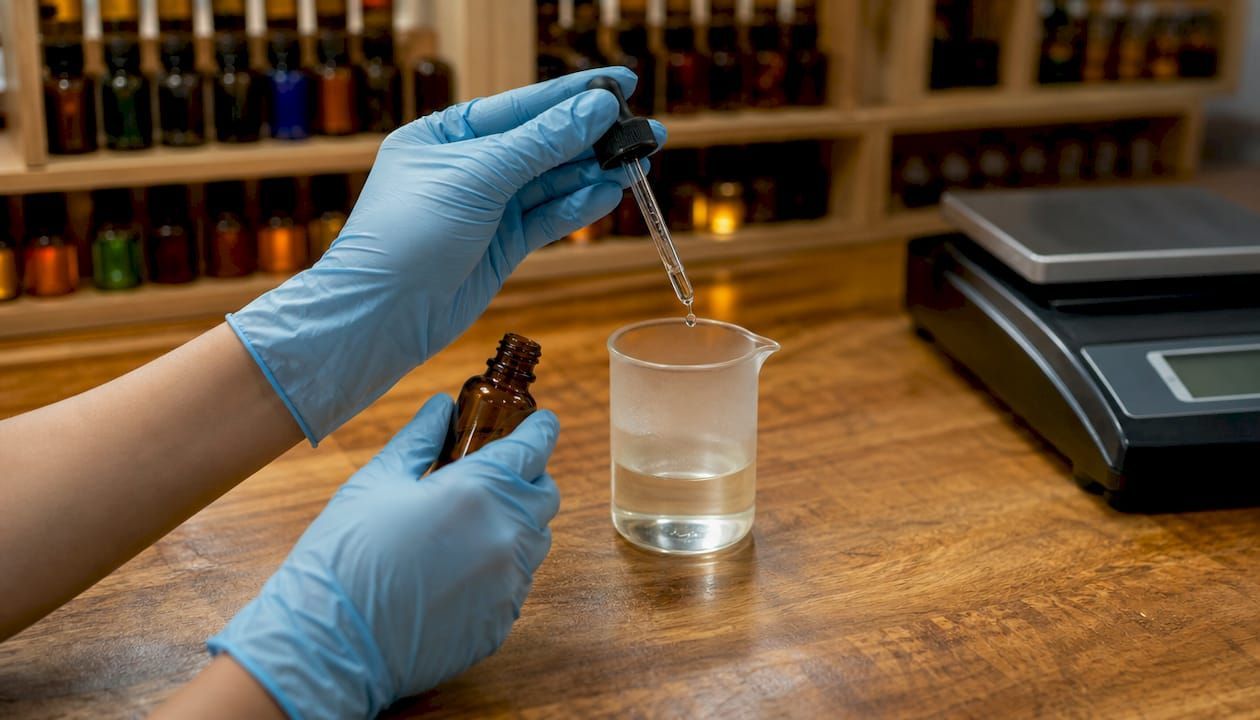
How are essential oils formulated into effective eco cleaning products?
Formulating essential oils into a stable, effective cleaner requires more than mixing oil with water and soap. Professional formulators use three main strategies to maximize performance.
The first is nanoemulsion technology. Nanoemulsions improve essential oil dispersion, increase surface wetting, and reduce residue without compromising cleaning action. The oil droplets are broken into particles small enough to stay suspended in water indefinitely. This eliminates the separation problem and improves contact between the oil and the surface being cleaned.
The second is encapsulation. Encapsulation surrounds essential oil droplets in a protective shell that breaks on contact with a surface. This controls the release of the active compound, extends the cleaning effect, and reduces the risk of staining from undiluted oil contact. It is the same technology used in slow-release pharmaceuticals, applied to cleaning chemistry.
The third is adjuvant selection. Chelators like EDTA or citric acid bind hard water minerals that would otherwise neutralize the cleaning action. Mild acids lower the pH of a formula, which boosts the antimicrobial activity of many essential oils. The combination of a well-chosen essential oil, a biosurfactant like decyl glucoside, and a chelating acid produces a formula that outperforms any of those ingredients alone.
Validated standards like EN 13704 and AOAC/EPA methods are required to substantiate sporicidal or disinfectant claims for botanical cleaners. Any commercial product claiming to disinfect with essential oils should carry test data against one of these standards. Without that validation, the claim is marketing, not science. You can explore how professional cleaners use chemistry to understand why formulation rigor matters even in plant-based products.
How can you safely use essential oils for home cleaning?
Building a DIY eco cleaner kit at home is straightforward when you understand which oils do what and how to combine them safely. The plant-based cleaner benefits for home use are well documented, and essential oils are a core part of that picture.
Recommended oils and their primary uses:
- Tea tree oil: General surface antimicrobial action, bathroom tiles, and mold-prone areas
- Lemon or orange oil: Grease cutting on kitchen counters and stovetops, paired with a surfactant
- Eucalyptus oil: Odor control and light disinfection in laundry and floor cleaners
- Lavender oil: All-purpose freshening, pet-safe alternative to tea tree in low-risk areas
- Peppermint oil: Natural insect deterrent in pantry and cabinet cleaners
Basic all-purpose spray recipe:
Combine 1 cup water, 1 cup white vinegar, 1 tablespoon castile soap, and 15 drops of lemon or tea tree oil in a glass spray bottle. Shake before each use. Do not use on marble, limestone, or unsealed natural stone.
Pro Tip: Store essential oil cleaners in dark glass bottles. UV light degrades the active compounds in most essential oils within weeks, reducing both scent and cleaning performance.
Surface compatibility is the most common mistake DIY users make. Testing on a small area before full application prevents damage to stone, grout, and sealed surfaces. For hard surfaces like pool tiles and natural stone, a purpose-formulated cleaner with tested pH levels is safer than a homemade vinegar formula. The application guide for hard surfaces covers this in detail for anyone maintaining stone or tile at home.
Label every DIY bottle with the contents and date. Keep essential oil cleaners out of reach of children and pets. Ventilate the room during application, especially with eucalyptus or tea tree, which have strong vapor concentrations at standard cleaning dilutions.
Key Takeaways
Essential oils enhance eco cleaners through antimicrobial activity, mild solvent action, and natural fragrance, but they require proper emulsification and realistic expectations to deliver consistent results.
| Point | Details |
|---|---|
| Solvent and antimicrobial roles | Citrus oils cut grease; tea tree and lemon disrupt microbial membranes on everyday surfaces. |
| Emulsification is non-negotiable | Essential oils must be combined with a biosurfactant like decyl glucoside to prevent residue and separation. |
| Not a disinfectant replacement | Essential oils do not meet EPA or EN 13704 disinfection standards for high-risk pathogens. |
| Surface compatibility matters | Avoid vinegar-based essential oil formulas on marble, limestone, and unsealed natural stone. |
| DIY kits are cost-effective | A starter kit covering 90% of household needs costs under $40 using vinegar, castile soap, and 3–4 essential oils. |
Why I think we overcredit essential oils and undercredit formulation
Most green cleaning content treats essential oils as the hero ingredient. After years of working with eco-friendly surface care products, I think that framing does more harm than good.
Essential oils are genuinely useful. Tea tree oil's membrane-disrupting activity is real science, not wellness marketing. Lemon oil cuts light grease in a way that smells better than any synthetic degreaser. But the oil is not doing the heavy lifting alone. The surfactant, the pH, the emulsification method: those are the variables that determine whether a formula actually cleans or just leaves a pleasant-smelling film on your counter.
The DIY community tends to skip the formulation step. People mix tea tree oil with water, shake it, and call it a disinfectant. It is not. The oil separates, the concentration at the surface is inconsistent, and the antimicrobial effect is unreliable. That is not a failure of essential oils. It is a failure of delivery.
What I find genuinely exciting is encapsulation technology moving into consumer products. When essential oil droplets are encapsulated, they release on contact with the surface rather than evaporating into the air. That changes the performance profile entirely. Consumers should start asking whether their plant-based cleaners use this technology, because it is the difference between a product that smells green and one that actually cleans green.
My honest advice: use essential oils as part of a complete formula, not as the formula itself. Pair them with a quality surfactant, respect surface compatibility, and look for products that carry verified certifications rather than vague natural claims.
Oceancarestore's plant-based approach to hard surface cleaning
Eco-conscious cleaning does not stop at countertops. Pool tiles, natural stone, and grout present a different challenge: they need cleaners that are effective without damaging sensitive surfaces or introducing harsh chemicals into outdoor water environments. Oceancarestore builds its product line around exactly that requirement, with plant-based, low-VOC formulas tested for hard surface compatibility.
For pool tile and stone maintenance, the stone and grout sealers at Oceancarestore are formulated to protect surfaces without the chemical load of conventional sealers. If you are dealing with calcium buildup or tile restoration, the pool tile maintenance range covers both routine care and deeper restoration with products designed for environmental safety and surface longevity.
FAQ
What essential oils work best for cleaning?
Tea tree, lemon, and eucalyptus are the most effective essential oils for cleaning. Tea tree disrupts microbial membranes, lemon oil cuts light grease through limonene, and eucalyptus controls odors.
Can essential oils disinfect surfaces?
Essential oils have antimicrobial properties but do not meet EPA or EN 13704 disinfection standards. They reduce surface bacteria but cannot replace registered disinfectants in high-risk settings.
Are essential oil cleaners safe on natural stone?
Vinegar-based essential oil formulas are not safe on marble, limestone, or unsealed stone. The acid etches calcium-based surfaces. Use a pH-neutral, purpose-formulated cleaner for natural stone.
How do you stop essential oils from separating in water?
Emulsify essential oils with a biosurfactant like decyl glucoside before adding water. This keeps the oil dispersed evenly and prevents streaking or residue on surfaces.
What does EPA Safer Choice certification mean for cleaning products?
The EPA Safer Choice label confirms a product meets verified safety and environmental standards. It is more reliable than vague claims like "natural" or "eco-safe," which carry no regulatory definition.

