
Sustainable Surface Care Tips for Natural Stone Homes
TL;DR:
- Choosing pH-neutral, certified eco-friendly cleaners prevents surface damage and reduces environmental impact. Microfiber cloths effectively clean with minimal waste, and gradual habit changes sustain long-term surface care. Prioritize sealing and gentle maintenance to extend surface longevity sustainably.
Choosing the right cleaning products for natural stone, pool tiles, or grout shouldn't require a chemistry degree. But the market is flooded with vague "eco" claims and products that quietly damage the very surfaces they promise to protect. These sustainable surface care tips cut through the noise. You'll find practical guidance for daily upkeep, periodic maintenance, and smart product choices that actually work without harming your surfaces, your household, or the environment.
Table of Contents
- Key takeaways
- 1. How to identify truly sustainable surface care tips (and avoid greenwashing)
- 2. The best natural cleaning ingredients for daily surface care
- 3. Why microfiber cloths are the most underrated sustainable tool
- 4. Periodic maintenance practices for natural stone and hard surfaces
- 5. Common mistakes that undo your sustainable surface care efforts
- 6. Comparing tools and products for green surface maintenance
- My honest take after years of working with natural stone and surface care
- Protect your surfaces with Oceancarestore's eco-friendly solutions
- FAQ
Key takeaways
| Point | Details |
|---|---|
| pH-neutral cleaners protect stone | Acidic cleaners like vinegar etch marble and travertine; always use pH-neutral options on natural stone. |
| Certifications beat marketing claims | Look for EPA Safer Choice labels to confirm a product is genuinely eco-friendly. |
| Microfiber cloths do more with less | High-quality microfiber removes bacteria using only water, reducing chemical use dramatically. |
| Incremental change sticks | Overhauling your entire cleaning routine at once leads to burnout; change one habit at a time. |
| Sealers extend surface life sustainably | Regular eco-friendly sealing reduces the need for aggressive cleaning down the line. |
1. How to identify truly sustainable surface care tips (and avoid greenwashing)
Not every product with a leaf logo or "natural" label qualifies as green. The first step in building a genuinely sustainable surface care routine is knowing how to read between the lines.
Start with certifications. The EPA Safer Choice and Design for the Environment labels verify that a product meets strict safety standards for both human health and environmental impact. These labels are backed by ingredient-level review, not just marketing review. If a product doesn't carry one of these or a similar third-party certification, treat its eco claims skeptically.
pH level matters just as much as ingredient sourcing. A cleaner can be plant-based and still be acidic enough to damage marble or travertine. For hard surfaces and natural stone, pH-neutral formulas are the non-negotiable baseline.
- Look for EPA Safer Choice or similar third-party certification labels
- Confirm the product is pH-neutral for use on natural stone
- Check for low VOC formulations to protect indoor air quality
- Prioritize refillable or concentrated formats to reduce plastic waste
- Avoid products with fragrance listed as a catch-all ingredient (it can hide hundreds of undisclosed chemicals)
Pro Tip: When shopping online, filter by "fragrance-free" and "concentrated formula" before reading any other claims. These two factors alone will cut your shortlist significantly.
2. The best natural cleaning ingredients for daily surface care
You probably already have the most effective eco-friendly cleaners in your kitchen. The trick is knowing which surface each ingredient is actually safe for.
White vinegar mixed with equal parts distilled water is a solid option for glass, ceramic tile, and metal fixtures. The distilled water prevents mineral residue that tap water can leave behind. But stop right there if you're thinking about using it on marble, limestone, or travertine. It will etch those surfaces permanently.
Castile soap is the workhorse of tips for eco-conscious cleaning. A few drops diluted in warm water clean most hard surfaces safely without stripping sealers or leaving harmful residue. Baking soda works as a mild abrasive for scrubbing grout or removing surface grime, but use it sparingly on polished stone because it can dull the finish over time.
- White vinegar and water (1:1): Safe for glass, ceramic, metal fixtures. Never use on natural stone.
- Diluted castile soap: Safe for sealed stone, wood, tile, and most hard surfaces.
- Baking soda paste: Good for grout scrubbing and tough spots on ceramic. Use cautiously on polished stone.
- Hydrogen peroxide (3%): Effective for mold and mildew on grout. Rinse thoroughly after use.
Pro Tip: When making a DIY cleaner, label the spray bottle with the ingredients and the surfaces it's safe to use on. It prevents costly mistakes, especially when others in your household are cleaning.
For a reliable starting recipe: combine two cups of distilled water, one teaspoon of liquid castile soap, and five drops of tea tree essential oil for light antimicrobial action. This works on sealed countertops, bathroom tile, and most hard floor surfaces.
3. Why microfiber cloths are the most underrated sustainable tool
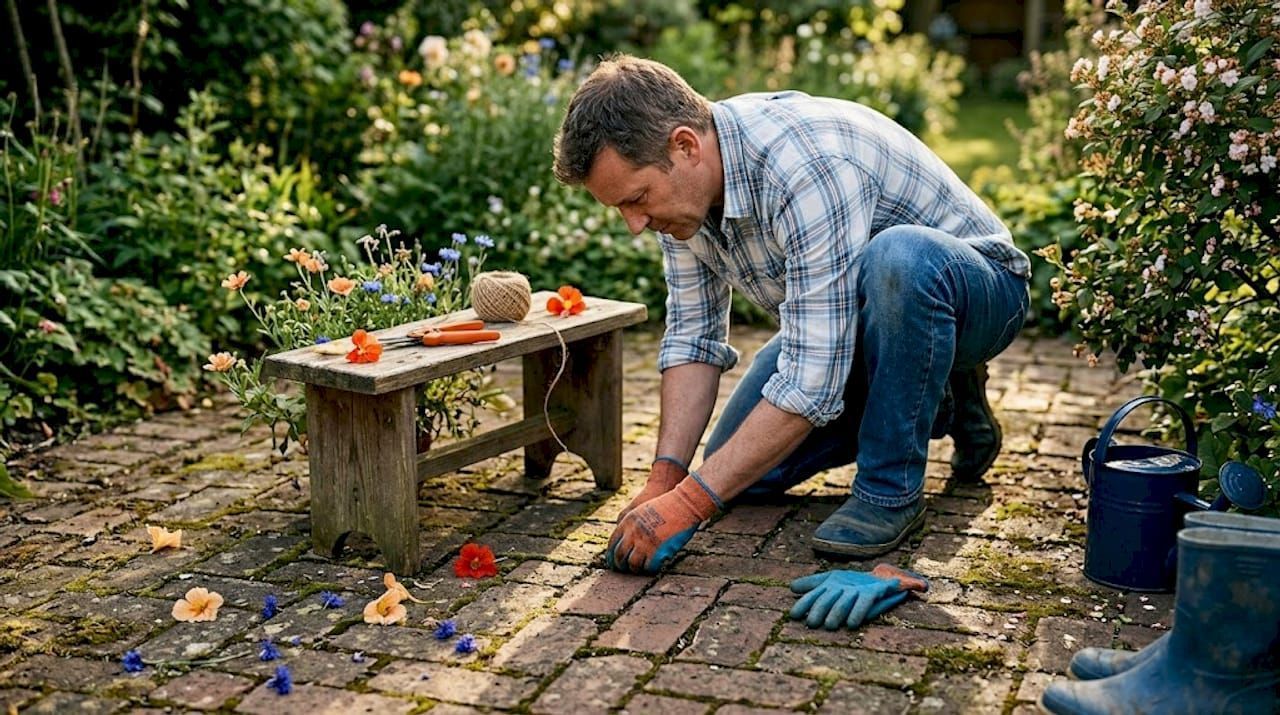
Most homeowners underestimate microfiber. These cloths remove 99% of bacteria from hard surfaces using plain water, with no chemical cleaner needed. That single fact should change how you think about daily surface maintenance entirely.
The science behind it is physical rather than chemical. Microfiber strands are split at a microscopic level, creating hooks that trap bacteria and dust particles instead of just pushing them around. A standard cotton cloth or paper towel smears microbes across a surface. Microfiber lifts and holds them until you rinse the cloth.
The catch: fabric softener destroys their effectiveness. Avoid fabric softeners when laundering microfiber cloths, as softener coats the fibers and eliminates their trapping ability. Wash them separately in hot water with a small amount of unscented detergent, and they'll last hundreds of wash cycles.
This reusability is what makes microfiber genuinely sustainable. Switching from paper towels to microfiber cloths for daily wiping eliminates a meaningful source of single-use waste in most households.
4. Periodic maintenance practices for natural stone and hard surfaces
Daily wiping handles the surface layer. But protecting marble countertops, pool tiles, stone patios, and grout lines over the long term requires a periodic maintenance schedule.
Think of it like this: the better you maintain sealed surfaces, the less aggressive cleaning you'll ever need. A light quarterly eco-friendly sealing on stone countertops and outdoor pavers repels staining agents and keeps the surface looking new without repeated scrubbing.
Here's a practical maintenance sequence to follow:
- Inspect grout lines monthly for early signs of mold or discoloration. Catching it early means a baking soda and hydrogen peroxide scrub handles it. Waiting means you'll need stronger intervention.
- Seal natural stone surfaces quarterly using a pH-neutral, plant-based sealer. This applies to kitchen countertops, bathroom stone, and outdoor stone features.
- Clean pool tiles at the waterline every two weeks to prevent calcium and mineral buildup. The longer deposits sit, the harder they are to remove without acidic products.
- Deep-clean grout twice per year using an eco-friendly grout cleaner and a stiff-bristled brush. This prevents embedded staining that requires abrasive methods.
- Rinse stone patios and outdoor surfaces after rainfall when road salts or organic debris are likely to have settled on them.
| Maintenance task | Frequency | Eco-friendly method |
|---|---|---|
| Grout inspection | Monthly | Visual check; spot treat with baking soda paste |
| Stone sealing | Quarterly | Plant-based, pH-neutral sealer |
| Pool tile cleaning | Every two weeks | Calcium remover; biodegradable formula |
| Grout deep cleaning | Twice per year | Hydrogen peroxide and biodegradable cleaner |
| Outdoor stone rinsing | After rainfall | Plain water; low-pressure rinse |
5. Common mistakes that undo your sustainable surface care efforts
You can do everything right with product selection and still damage your surfaces. These are the mistakes that show up most often.
Acidic cleaners on natural stone is the most costly error. Vinegar, lemon juice, and citrus-based cleaners are popular in eco-cleaning circles, but they will etch marble, travertine, and limestone on contact. The damage is not cosmetic. It is a chemical reaction that changes the stone surface permanently. pH-neutral is the only rule that applies to natural stone, full stop.
Using too much of any cleaner, even an eco-friendly one, is the second major mistake. Residue buildup from over-application actually attracts more dirt and can leave films that dull stone finishes. The right dose is always less than you think.
"The key to successful sustainable cleaning is incremental change tailored to your lifestyle, not a rushed full overhaul." ( Green for beginners)
Trying to replace every single product at once is another trap. Overhauling your entire cleaning routine at once often leads to burnout. Start with one product swap, such as replacing paper towels with microfiber cloths, and build from there. That single change can take weeks to feel fully natural. Sustainable habits compound best when they are added gradually.
6. Comparing tools and products for green surface maintenance
Not all eco-friendly options perform equally across different surfaces and tasks. Here is a side-by-side look at the most common choices.
| Option | Best for | Limitations | Environmental impact |
|---|---|---|---|
| Microfiber cloths | Daily wiping, countertops, glass | Requires correct laundering to maintain effectiveness | Very low. Reusable for hundreds of cycles |
| Single-use wipes | Nothing, if microfiber is available | High waste; most are not biodegradable | High. Landfill-bound after one use |
| DIY castile soap recipe | Sealed stone, tile, bathroom surfaces | Does not address tough mineral buildup | Very low. Biodegradable ingredients |
| Commercial eco-certified cleaner | Grout, pool tiles, calcium deposits | Higher cost per use | Low to medium, depending on packaging |
| Concentrated refill products | General hard surface cleaning | Requires measuring; dilution mistakes are common | Very low. Reduces plastic packaging by up to 80% |
The real consideration when learning how to clean surfaces sustainably is not just what goes into a product, but what happens to the packaging after it is empty. Refill-first strategies and concentrated formulas consistently outperform single-use bottles on environmental impact, even when the single-use bottle carries eco-friendly labeling.
For pool tiles and heavy mineral deposits, DIY recipes typically fall short. This is where a purpose-formulated, biodegradable calcium remover from a specialist brand makes more sense than a DIY approach. Performance and sustainability are not mutually exclusive here. You need both working together.
Pro Tip: When evaluating eco-friendly products, read the dilution instructions first. A product that mixes at 1:30 concentration almost always beats a ready-to-use "green" spray in both cost and environmental footprint.
My honest take after years of working with natural stone and surface care
I've spent years watching homeowners make the same transition from conventional to sustainable surface care. The pattern is consistent: they start with enthusiasm, over-invest in products, and then quietly revert when something gets damaged or doesn't perform as expected.
What I've found actually works is building a two-layer approach. The first layer is your daily routine. Microfiber and diluted castile soap handle 90% of what a household surface sees every day. Get this dialed in before adding anything else. The second layer is your periodic protection routine, centered around eco-certified sealers and targeted cleaners for specific problems like calcium or grout staining.
The part that surprises most people is how much the sealer matters. I've seen lightly maintained sealed stone hold up for years with just water and microfiber, while unsealed stone in the same home needed aggressive intervention every few months. Prevention through sustainable sealing is not a supplementary step. It's the strategy.
What I'd caution against is treating sustainable surface care as a shopping exercise. The greenest thing you can do is buy less and use what you have more thoughtfully. Use up your existing products, then replace them with certified, concentrated alternatives one at a time. The surfaces that last longest belong to homeowners who clean less often but more correctly.
Protect your surfaces with Oceancarestore's eco-friendly solutions
If you're ready to put these sustainable surface care tips into practice, Oceancarestore makes it straightforward. The product range is built specifically for natural stone, pool tiles, and grout, with plant-based, biodegradable formulas that deliver real performance without harsh chemistry. Every product is designed around the same principle this article is: protect the surface, protect the household, and protect the environment.
For pool owners dealing with mineral buildup, the pool tile restorer handles calcium deposits without the acidic compounds that damage grout and tile over time. If you maintain pool surfaces regularly, the pool tile maintenance range gives you a complete eco-conscious system. For grout care, the biodegradable grout cleaner is purpose-formulated to deep-clean without compromising surface integrity.
FAQ
What cleaners are safe for natural stone surfaces?
pH-neutral cleaners such as diluted castile soap are safe for natural stone surfaces. Avoid acidic products like vinegar and lemon juice, which permanently etch marble, travertine, and limestone.
How often should you seal natural stone surfaces?
Sealing natural stone every three months with a plant-based, pH-neutral sealer protects against staining and reduces the need for aggressive cleaning over time.
Are microfiber cloths actually more sustainable than paper towels?
Yes. Microfiber cloths remove up to 99% of bacteria using only water and can be washed and reused hundreds of times, making them far less wasteful than single-use paper towels.
How do you remove calcium deposits from pool tiles without harsh chemicals?
A purpose-formulated biodegradable calcium remover is the most effective eco-friendly option. DIY acidic solutions like vinegar can damage grout lines and tile surfaces when used repeatedly.
What is the best way to start switching to sustainable cleaning habits?
Start with one change, such as replacing paper towels with microfiber cloths, and use up existing conventional products before replacing them. Incremental changes are more sustainable than a full routine overhaul.

