
Plant-Based Cleaner Application Guide for Hard Surfaces
TL;DR:
- Most homeowners struggle with plant-based cleaners working effectively, often wiping surfaces before the proper contact time elapses. Proper application, matching cleaners to surface types, and verifying product certifications are essential for safe, effective cleaning. Consistently following these guidelines ensures surfaces are truly cleaned and protected over time.
Most homeowners switching to plant-based cleaners run into the same problem: the product doesn't seem to work as well as expected. The surface still looks grimy, or worse, a new scuff appears where the cleaner shouldn't have touched. This plant-based cleaner application guide is built specifically for homeowners and property managers working with tile, natural stone, grout, and pool surfaces. You'll learn what to prepare, exactly how to apply these products, which mistakes to avoid, and how to confirm you've actually cleaned the surface and not just moved dirt around.
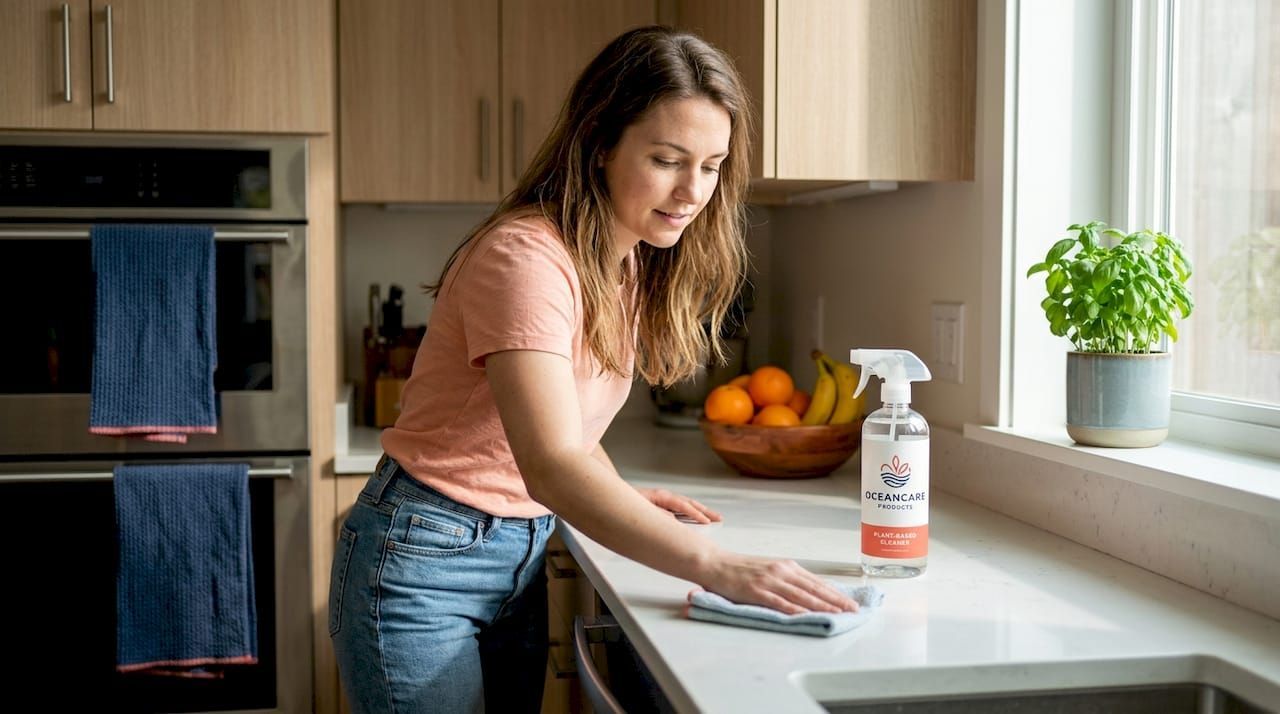
Table of Contents
- Key takeaways
- What you need before you start applying
- Step-by-step application for plant-based cleaners
- Common mistakes that reduce effectiveness
- Verifying results and maintaining surfaces over time
- My perspective on plant-based cleaners after years of surface care
- Products that put this guide into practice
- FAQ
Key takeaways
| Point | Details |
|---|---|
| Contact time is non-negotiable | Surfaces must stay wet for the full contact time to achieve any germicidal effect. |
| Not all surfaces tolerate all cleaners | Acidic plant-based cleaners destroy natural stone; always match your cleaner to your surface. |
| "Natural" is not a regulated label | Look for third-party certifications to verify any plant-based or eco-friendly claims. |
| DIY cleaners spoil quickly | Make small batches and label them with the date; discard after one to two weeks. |
| Cleaning and disinfecting are different | Plant-based cleaners clean well but have a narrower kill spectrum than conventional disinfectants. |
What you need before you start applying
Getting the tools and materials right before you open a single bottle saves you time, protects your surfaces, and prevents the kind of damage that's expensive to fix.
Ingredients and ready-made products
For DIY users, the standard starting point is a simple plant-based recipe: 1 cup white vinegar, 1 cup distilled water, and 10 to 15 drops of essential oil. This mixture costs under $5 per gallon and works well on countertops, sinks, and most sealed hard surfaces. For ready-made products, look for soap-based cleaners that list plant-derived oils (like coconut or olive) as their surfactant base. These clean without harsh synthetic chemicals and are generally safe for household members and pets.
One critical point: the label "natural" is unregulated in the cleaning industry. Always look for third-party certifications such as EPA Safer Choice or USDA Certified Biobased before trusting a product's eco-friendly claims.
Tools you need on hand
- Spray bottles (glass or BPA-free plastic) for mixing and applying DIY cleaners
- Microfiber cloths, which lift debris without scratching sealed surfaces
- Soft-bristle brushes for grout lines and textured tile
- Chemical-resistant gloves to protect your skin during application
- Labels and a permanent marker if you're making your own solutions
Pro Tip: Never use essential oil-based cleaners in unventilated spaces. Even natural essential oils can cause airway irritation in sensitive individuals, especially children and anyone with respiratory sensitivities.
Surface compatibility at a glance
| Surface type | Compatible cleaners | Avoid |
|---|---|---|
| Ceramic tile | Vinegar-based, soap-based | Strong alkaline solutions |
| Natural stone (marble, granite) | pH-neutral, soap-based only | All acidic cleaners including vinegar |
| Grout | Mild alkaline, baking soda paste | Acidic cleaners that erode grout |
| Pool tile | Calcium-releasing, pH-neutral | Highly acidic or bleach-based products |
| Sealed countertops | Most plant-based cleaners | Anything that strips sealant |
Before applying any cleaner to a new surface, spot test on a hidden area to catch discoloration or etching before it becomes a large-scale problem.
Step-by-step application for plant-based cleaners
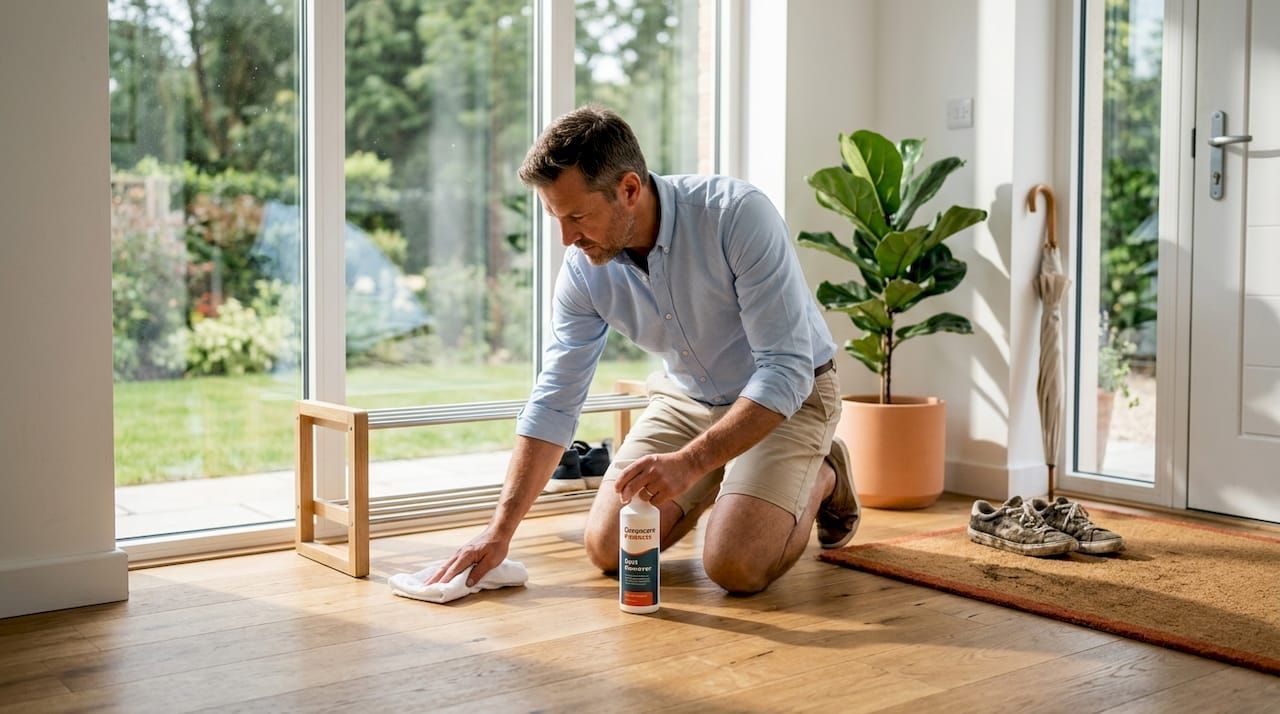
This is where most users go wrong. They spray, wipe immediately, and wonder why the surface isn't clean. Correct application is about sequence and timing, not scrubbing harder.
- Clear and dry clean the surface first. Remove objects, sweep or vacuum loose debris, and wipe off any standing water. Applying a cleaner over grit or dust just grinds that material into your surface.
- Mix or prepare your cleaner. If using a DIY recipe, mix fresh each time. Shake gently to combine without creating excess foam. For ready-made products, follow the label's dilution instructions exactly. Overdiluting cuts effectiveness; underdiluting wastes product and can leave residue.
- Apply with even, complete coverage. Hold your spray bottle 6 to 8 inches from the surface and work in overlapping passes. You want the surface visibly wet, not drenched. For grout lines, use your soft-bristle brush to work the cleaner into the texture before it begins to dry.
- Respect the contact time. This step gets skipped constantly. Effective disinfection requires surfaces to stay wet for 3 to 10 minutes depending on the product. Wiping immediately after spraying means you're only doing cosmetic cleaning, not any kind of pathogen reduction. Set a timer.
- Agitate if needed. For stuck-on grime or calcium deposits on pool tile, gentle circular scrubbing with a soft brush after the contact time loosens the debris without scratching.
- Wipe and rinse properly. Use a clean microfiber cloth in straight passes, not circular swipes that redistribute soil. Rinse the surface with clean water if the product label recommends it, especially on food-contact areas.
- Allow the surface to dry completely. Moisture left on grout or natural stone promotes mildew. Open windows or use a fan to speed drying.
Pro Tip: When cleaning versus disinfecting, understand that plant-based disinfectants have a narrower kill spectrum than conventional products. For high-risk areas like bathrooms shared by many people, look specifically for EPA-registered plant-based disinfectants rather than general cleaners.
For hard surface care in pool environments, eco-friendly cleaner instructions must account for calcium buildup, which standard plant-based cleaners alone may not fully address. Pairing a plant-based cleaner with a dedicated calcium releaser gives you the best results without damaging tile glazing.
Common mistakes that reduce effectiveness
Even people following a solid plant-based cleaning guide for beginners fall into predictable traps. Here's what to watch for.
- Wiping too soon. Users frequently wipe disinfectants before contact time is complete, which voids any germicidal claims entirely. The surface looks clean, but pathogens remain.
- Using vinegar on natural stone. This is one of the most damaging and common mistakes. Acidic cleaners etch marble, granite, and limestone permanently. For natural stone surfaces, pH-neutral soap-based cleaners are the only safe option. For more on this, the Oceancarestore guide on natural stone cleaning safety is worth reviewing before you start.
- Mixing incompatible cleaners. Never combine vinegar with hydrogen peroxide or baking soda with castile soap. The reactions either neutralize your cleaning power or create irritating byproducts.
- Overloading on essential oils. More essential oil does not mean more cleaning power. Excess oil leaves a greasy residue on surfaces and can trigger allergic reactions in sensitive individuals. Stick to the recommended 10 to 15 drops per bottle.
- Storing DIY cleaners too long. Because homemade solutions contain no preservatives, they can harbor bacteria within one to two weeks. Always label your bottles with the preparation date and discard anything past the two-week mark.
If you notice surface discoloration or white haze after cleaning, stop immediately. Discoloration usually signals a chemical mismatch between your cleaner and the surface material. Rinse the area thoroughly with plain water and reassess your product choice before continuing.
Verifying results and maintaining surfaces over time
Applying the cleaner correctly is step one. Knowing whether it worked, and building a routine that protects your surfaces long-term, is what separates reactive cleaning from sustainable surface care.
How to tell if the surface is actually clean
- The surface feels smooth rather than tacky or gritty after drying
- No visible streaking, haze, or residue remains under direct light
- Grout lines return to their original color rather than staying gray or discolored
- Pool tile shows no calcium banding or mineral crust at the waterline
If stubborn stains remain after two applications, the cleaner may not be formulated for that soil type. Switch to a product specifically designed for that surface and stain before increasing application frequency.
Routine maintenance table
| Surface | Cleaning frequency | Best plant-based method | Protective step |
|---|---|---|---|
| Kitchen countertops | Daily to weekly | Spray-and-wipe with soap-based cleaner | Reseal stone surfaces every 12 months |
| Bathroom tile and grout | Weekly | Apply cleaner, scrub grout, rinse | Apply grout sealer after deep cleans |
| Pool tile | Monthly or as needed | pH-neutral plant-based cleaner, calcium releaser | Tile-compatible sealer after restoration |
| Outdoor stone | Seasonally | Low-pH neutral cleaner, rinse well | Stone sealer appropriate for outdoor exposure |
For hard surface maintenance in eco homes, the biggest leverage point is sealing surfaces after deep cleaning. A good sealer reduces how often you need to clean aggressively, which means less product use, less labor, and longer surface life.
Balancing cleaning frequency with environmental impact is also worth thinking about. Over-cleaning with any product, even a plant-based one, strips surface finishes faster. Clean on a schedule based on actual use and soil load, not habit.
My perspective on plant-based cleaners after years of surface care
I've seen more surface damage caused by well-intentioned "natural" cleaning than by conventional products. That's the uncomfortable truth most guides won't tell you.
The biggest issue I keep coming back to is the gap between what people expect from eco-friendly cleaner instructions and what plant-based products are actually designed to do. Consumers expect the same instant kill rates they get from bleach-based products. That's not how these formulas work. And because plant-based cleaners have a narrower kill spectrum, skipping contact time doesn't just reduce effectiveness a little. It eliminates it completely.
What I've learned is that the best plant-based cleaning methods aren't actually about the product. They're about the process. A mediocre plant-based cleaner applied correctly will outperform a premium one sprayed and wiped in 10 seconds.
I also think the DIY movement around natural cleaners creates a false sense of security. Making your own solutions is genuinely useful and cost-effective, but most people don't label them, don't make small enough batches, and don't realize the mixture they've had under the sink for six weeks is growing bacteria. That defeats the entire purpose.
My practical recommendation: buy products with verifiable third-party certifications, match them specifically to your surface type, and treat contact time as non-negotiable. The eco-friendly angle is real and worth pursuing. But it works only when the application is done right.
Products that put this guide into practice
If you've worked through this guide and want products that are built to perform on pool tile, natural stone, and grout without compromising your surfaces or your household's health, Oceancarestore has you covered.
Oceancarestore's pool tile restoration products are formulated specifically for the calcium and mineral buildup that standard plant-based cleaners can't fully address. For ongoing care, the pool tile maintenance line pairs cleaning with protective treatments that extend tile life between deep cleans. If you're working with indoor stone or grout, explore Oceancarestore's stone and grout sealers , which are compatible with plant-based cleaning routines and protect surfaces from the staining and moisture penetration that makes cleaning harder over time.
Every product in the Oceancarestore catalog is selected for safety, surface compatibility, and real-world performance.
FAQ
How long should plant-based cleaners stay on surfaces?
Most plant-based cleaners require 3 to 10 minutes of contact time on a visibly wet surface to achieve any germicidal effect. Wiping sooner provides cosmetic cleaning only.
Can I use plant-based cleaners on natural stone?
Only pH-neutral, soap-based formulas are safe for natural stone. Acidic plant-based cleaners containing vinegar permanently etch marble, granite, and limestone.
How often should I replace DIY plant-based cleaner mixtures?
Discard and remake DIY plant-based solutions every one to two weeks. Without preservatives, homemade mixtures can develop bacterial growth that makes them counterproductive.
Do plant-based cleaners fully disinfect surfaces?
Plant-based disinfectants are EPA-registered for specific claims but have a narrower kill spectrum than conventional chemicals. They are effective for regular cleaning and limited disinfection when applied correctly and for the full contact time.
How do I know if a product is genuinely plant-based?
Look for third-party certifications such as EPA Safer Choice or USDA Certified Biobased. The term "natural" on a label is unregulated and does not guarantee plant-derived ingredients.

