
Surface Restoration: Save 50% with Eco-Friendly Methods
TL;DR:
- Surface restoration rejuvenates surfaces without full replacement, saving 50% on costs and reducing emissions.
- Methods include cleaning, sealing, resurfacing, and patching, chosen based on damage severity and surface type.
- Regular maintenance with eco-friendly products extends restored surfaces' lifespan and benefits the environment.
Most homeowners assume a worn pool deck or stained stone patio means one thing: replacement. But that assumption is costing people money and doing unnecessary harm to the environment. Restoration cuts costs by 50% compared to tearing out and replacing surfaces, while also reducing emissions by 60 to 70%. That's not a minor difference. This guide breaks down what surface restoration actually means, which methods work best for pool tiles, natural stone, and concrete, and how you can make smarter, greener choices for your property without sacrificing results.
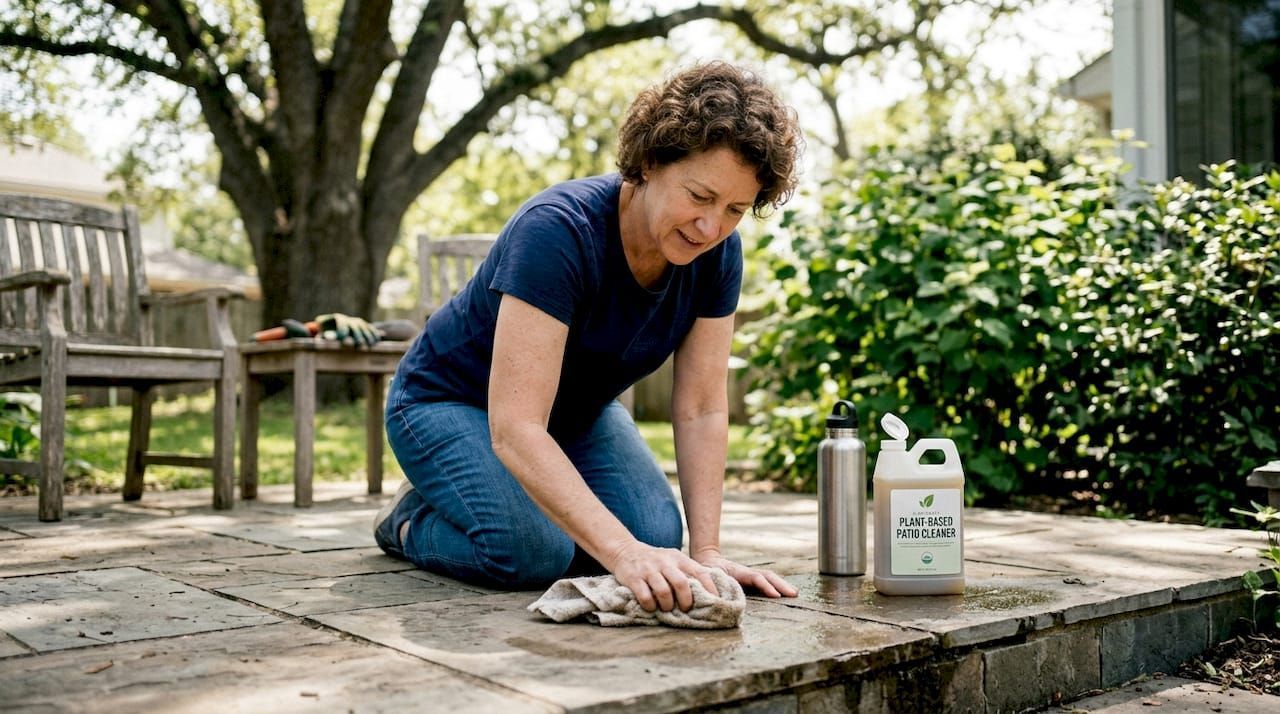
Table of Contents
- What is surface restoration? Essential concepts and benefits
- Major methods of surface restoration for homeowners
- When should you restore, resurface, or replace? Decision factors
- Eco-friendly restoration: Lowering your environmental footprint
- Maintaining restored surfaces: Longevity and routine care
- A fresh take: Why surface restoration is the unsung hero of modern home care
- Explore eco-friendly surface solutions for your property
- Frequently asked questions
Key Takeaways
| Point | Details |
|---|---|
| Restoration saves money | Revitalizing surfaces often costs half as much as replacement and is less disruptive. |
| Eco-friendly methods matter | Choosing sustainable restoration practices sharply reduces environmental impact. |
| Maintenance extends results | Regular upkeep keeps restored surfaces durable and attractive for years. |
| Decide with clear criteria | Assess surface condition to choose restoration, resurfacing, or replacement wisely. |
What is surface restoration? Essential concepts and benefits
Surface restoration means bringing a worn, stained, or damaged surface back to its original condition or better, without removing and replacing it entirely. It applies to a wide range of surfaces: pool tile, patio stone, concrete driveways, kitchen countertops, and bathroom grout. The core idea is renewal, not replacement.
The restoration process typically includes four stages: deep cleaning to remove buildup and stains, minor repairs to fill cracks or chips, resurfacing if the surface texture needs refreshing, and sealing to protect the finished result. You don't always need all four. Sometimes a thorough clean and a quality sealer is all it takes to make a surface look new again.
The benefits go well beyond aesthetics:
- Saves money: Restoration reduces costs by 50% compared to full replacement, a significant difference for large surface areas.
- Reduces landfill waste: Keeping existing materials in place means fewer tons of debris heading to disposal sites.
- Lowers emissions: Manufacturing and transporting new materials generates substantial carbon output that restoration avoids entirely.
- Faster turnaround: Most restoration projects finish in days, not weeks.
- Preserves character: Natural stone and tile often have irreplaceable texture and color that new materials simply cannot replicate.
Compared to replacement, restoration wins on nearly every practical measure. Replacement might be faster in individual cases, but the financial and environmental cost is rarely justified when the underlying surface is structurally sound. Exploring eco-friendly tile maintenance options early can save you from costly decisions later.
Statistic: Industry data shows restoration can reduce project costs by up to 50% while cutting energy and transport emissions dramatically compared to full surface replacement.
Major methods of surface restoration for homeowners
With a foundation in what restoration means, let's walk through the hands-on methods that make it possible for homes and properties.
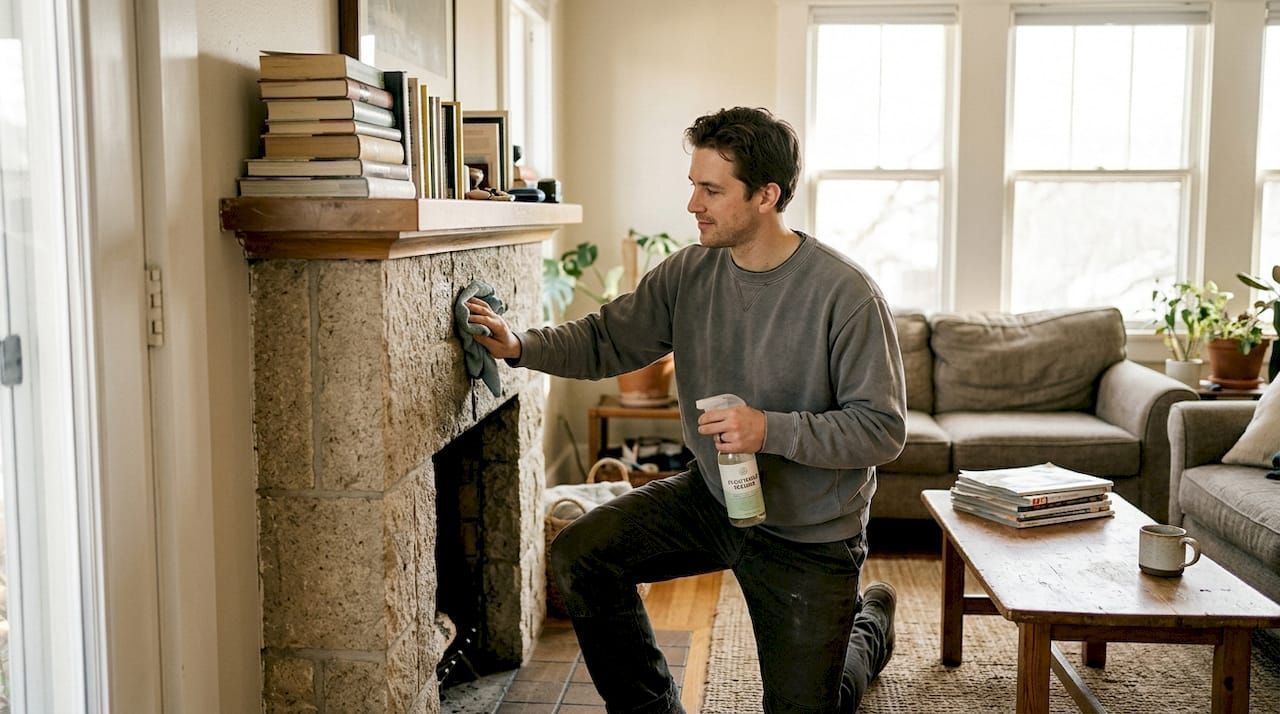
The four most common methods homeowners use are deep cleaning, sealing, resurfacing, and minor patching. Each serves a different need, and choosing the right one depends on your surface type and the extent of wear.
| Method | Best for | Avg. cost range | Durability | Eco impact |
|---|---|---|---|---|
| Deep cleaning | Tile, stone, grout | Low | Temporary | Minimal |
| Sealing | Stone, concrete, grout | Low to moderate | 12 to 24 months | Very low |
| Resurfacing | Concrete, pool decks | Moderate | 5 to 10 years | Low |
| Minor patching | Cracked tile, stone | Low | Varies | Very low |
Understanding why seal natural stone matters is the first step toward making an informed product choice. Stone sealing typically lasts 12 to 24 months, making it one of the most cost-effective protective measures available. Browsing stone and grout sealers and reading up on choosing stone sealers will help you match the right product to your surface.
Here's a simple step-by-step for sealing natural stone:
- Clean the surface thoroughly with a pH-neutral, non-acidic cleaner.
- Allow the surface to dry completely, at least 24 hours in humid climates.
- Apply the sealer evenly using a foam applicator or soft cloth.
- Let the first coat absorb for 10 to 15 minutes, then apply a second coat.
- Buff off any excess before it dries to avoid streaking.
- Allow full curing time (usually 24 to 48 hours) before exposing the surface to water or foot traffic.
Pro Tip: Always check whether your sealer is labeled low-VOC or plant-based. These formulas are safer for households with children or pets, and they perform just as well as traditional solvent-based options on most stone and tile surfaces.
Avoid over-cleaning your surfaces with harsh scrubbers or acidic products. This strips natural stone's protective layer and accelerates wear, creating the very damage you're trying to avoid.
When should you restore, resurface, or replace? Decision factors
Equipped with method options, the next challenge is deciding whether to restore, resurface, or fully replace surfaces.
| Condition | Recommended action |
|---|---|
| Surface looks dull, stained, or discolored | Restore: clean and reseal |
| Surface has minor chips or hairline cracks | Restore: patch and seal |
| Surface is deeply pitted or uneven | Resurface |
| Structural cracks, shifting, or heaving | Replace |
| Pool tile has calcium buildup but is intact | Restore: deep clean and seal |
The key decision factors are the age of the surface, the extent of visible and structural damage, your budget, and your environmental goals. Most surfaces that look bad are not actually failing. Staining, discoloration, and surface wear are cosmetic problems. Concrete restoration is faster and more cost-effective than replacement in the vast majority of cases.
Watch for these warning signs that a surface needs attention:
- Persistent staining that doesn't respond to regular cleaning
- Grout lines turning dark or crumbling
- White chalky deposits (calcium) on pool tile
- Water absorption where surfaces used to repel moisture
- Surface texture becoming rough or porous to the touch
Before you call a contractor for a full replacement quote, check out common issues with stone sealers to see if a simpler fix applies. For larger concrete projects, professional concrete cleaning can also assess whether restoration is viable before committing to replacement.
Pro Tip: When evaluating your options, factor in the energy and transportation emissions tied to hauling away old materials and delivering new ones. Those hidden costs add up fast, both financially and environmentally.
Restore first. Replace only when the structure itself has failed.
Eco-friendly restoration: Lowering your environmental footprint
Once the restoration decision is made, your next focus should be on methods that not only work but do good for the environment.
Surface replacement generates significant waste: old tiles, concrete slabs, and stone slabs go to landfills, while new materials require mining, manufacturing, and long-distance shipping. Restoration sidesteps most of that chain. Restoration can lower energy and transport emissions by as much as 70%, which makes a meaningful difference at the property level and the community level.
Choosing the right products matters just as much as choosing the right method. Look for:
- Biodegradable cleaners that break down safely without harming soil or water
- Plant-based formulas free from petroleum solvents
- Acid-free options that clean effectively without damaging stone or tile surfaces
- Low-VOC sealers that protect air quality indoors and outdoors
- Concentrated products that reduce packaging waste and shipping weight
Practical eco-friendly actions you can take right now:
- Switch to non-toxic, pH-neutral cleaners for all routine surface care
- Schedule resealing every 12 to 24 months to avoid deeper damage that requires harsher intervention
- Spot-treat stains early so they don't set and require aggressive cleaning later
- Use microfiber mops and applicators to minimize product waste
- Store sealers and cleaners properly to extend their shelf life
Reading up on sustainable stone protection and exploring eco-friendly stone cleaners gives you a strong starting point for building a greener maintenance routine.
"Choosing restoration over replacement isn't just a financial decision. It's a commitment to using fewer resources, producing less waste, and leaving a lighter footprint on the environment."
Maintaining restored surfaces: Longevity and routine care
After your restoration project, consistent maintenance is key to protecting your investment and sustaining its benefits.
Restoration is not a one-time fix. Think of it like a fresh coat of paint on a house: the work holds up beautifully as long as you take care of it. Skipping maintenance means the surface degrades faster, and you end up back where you started sooner than expected. Stone sealing lasts 12 to 24 months with proper routine care, but neglect can shorten that window significantly.
Follow these steps to keep restored surfaces in top condition:
- Weekly cleaning: Use a mild, pH-neutral cleaner. Avoid bleach, vinegar, or ammonia-based products on sealed stone or tile.
- Immediate spill response: Blot spills right away. Acids from food, drinks, or pool chemicals can etch stone surfaces within minutes.
- Monthly inspection: Look for signs of sealer breakdown, such as water soaking in rather than beading up.
- Spot repairs: Address small chips or cracks before they spread. A minor patch now prevents a major project later.
- Annual or biannual resealing: Based on traffic and exposure, reseal on schedule to maintain protection. Products designed for biodegradable cleaning and sealing make this routine easier and safer.
- Protect from heavy impact: Use felt pads under furniture and avoid dragging heavy objects across restored stone or tile.
Pro Tip: Run a simple water bead test every few months. Drop a small amount of water onto your sealed surface. If it beads up, you're protected. If it soaks in, it's time to reseal.
Avoiding harsh chemicals is not just about being eco-conscious. Abrasive or acidic products physically erode the sealer layer, meaning you'll be restoring again far sooner than necessary.
A fresh take: Why surface restoration is the unsung hero of modern home care
Here's something the home improvement industry rarely admits: replacement is often the laziest solution, not the best one. There's a cultural bias toward new things. New tile looks better in a showroom photo. A new deck is easier to sell at a higher price point. But the data doesn't support "new" as the default smart choice.
Property managers and homeowners who lean into restoration are making a more sophisticated call. They're saying that understanding what they have and caring for it well beats the cycle of buy, install, neglect, and replace. That's a resilient mindset, and it pays off.
Sustainable restoration aligns with where property management is heading in 2026. Energy efficiency, waste reduction, and lower carbon outputs are becoming measurable expectations, not just nice-to-haves. Following the sustainable restoration perspective helps you stay ahead of that curve while protecting your surfaces and your budget.
The most durable properties aren't always the newest. They're the ones that have been maintained with intention.
Explore eco-friendly surface solutions for your property
If you're ready to move forward with restoration, having the right products makes all the difference. At Oceancare Store, we've built our entire catalog around what actually works for pool tile, natural stone, and hard outdoor surfaces without compromising on environmental safety.
Whether you need pool tile restoration solutions to tackle calcium and grime, pool tile maintenance products for ongoing care, or trusted stone and grout sealers that are biodegradable and low-VOC, you'll find options built for real results. Every product is designed with homeowners and property managers in mind: effective, safe, and genuinely eco-conscious. Browse the full range and find exactly what your surfaces need.
Frequently asked questions
How much can I save by restoring instead of replacing surfaces?
Restoring hard surfaces cuts costs by about 50% compared to full replacement, a significant saving for pool decks, patios, and stone surfaces.
How long does a stone sealer last after restoration?
High-quality stone sealers last 12 to 24 months with proper routine care, though heavy-traffic areas may need resealing on the shorter end of that range.
What are the environmental benefits of surface restoration?
Restoration lowers emissions by up to 70% compared to replacement, while also reducing landfill waste and conserving raw materials.
How do I know when it's time to restore instead of replace a surface?
Restore when the surface is structurally sound but visually worn or stained. Replace only when you see deep structural cracking, shifting, or heaving that cleaning and sealing cannot address.

