Eco-friendly pool and stone surface cleaning trends 2026
Many homeowners and property managers believe eco-friendly cleaners damage natural stone or fail to sanitize pools effectively. This misconception keeps people locked into harsh chemical routines that degrade surfaces and harm the environment. Modern sustainable cleaning technology in 2026 proves otherwise, delivering powerful results while protecting delicate materials like granite, marble, and pool tiles. You'll discover how biodegradable enzymes, mineral sanitizers, and advanced oxidation systems reduce chemical use by up to 90% without sacrificing cleanliness or safety. These innovations lower costs, extend surface life, and create healthier spaces for families and guests.
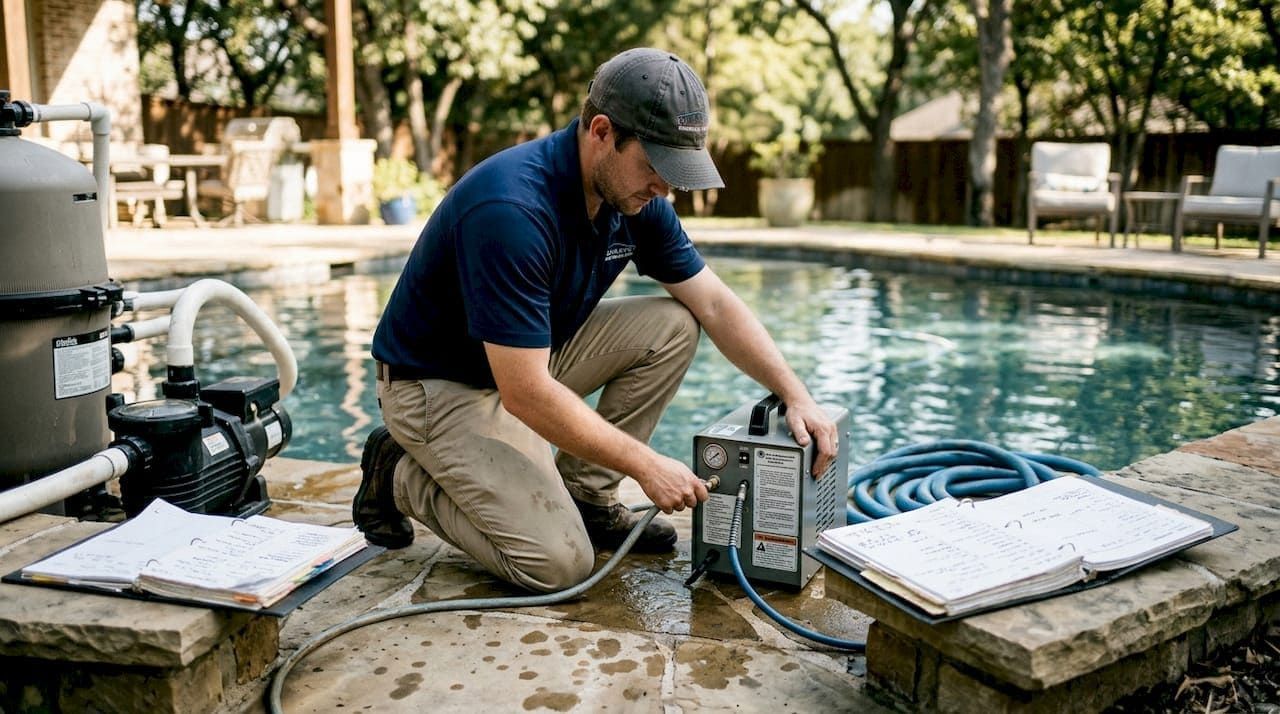
Table of Contents
- Key takeaways
- Latest trends in eco-friendly pool cleaning technology
- Safe and effective cleaning for natural stone surfaces around pools
- Best practices and practical tips for sustainable pool and stone maintenance
- Navigating challenges and choosing the right eco-friendly products
- Discover sustainable pool and stone care solutions
- Frequently asked questions
Key Takeaways
| Point | Details |
|---|---|
| Chemical reduction | Biodegradable enzymes and mineral sanitizers can cut pool chemical use by as much as 90 percent while maintaining effective sanitization. |
| pH neutral cleaners | Using pH neutral cleaners in the 6.5 to 7.5 range and microfiber on natural stone helps prevent damage. |
| Advanced oxidation impact | Advanced oxidation processes using ozone, UV, or combined systems dramatically reduce chlorine needs by 50 to 90 percent. |
| Layered approach | Pair enzyme cleaners with mineral sanitizers for a layered approach that controls organics and microbes while keeping chlorine minimal. |
Latest trends in eco-friendly pool cleaning technology
Ozone reduces chlorine use by 50-90% and enzyme cleaners are biodegradable, marking a dramatic shift in how pools stay clean without relying on traditional chemical treatments. These innovations address the core challenge of maintaining sparkling water while minimizing environmental impact and protecting swimmer health.
Biodegradable enzyme cleaners work by breaking down oils, sunscreen residue, pollen, and other organic matter that accumulates in pool water. Unlike chlorine that oxidizes everything indiscriminately, enzymes target specific compounds and convert them into harmless byproducts. This targeted approach means you need far less sanitizer overall, creating gentler water that's easier on skin, eyes, and swimwear.
Mineral sanitizers represent another major advancement in sustainable pool care. These systems release controlled amounts of silver, copper, and zinc ions into the water, providing natural antimicrobial effects that suppress algae and bacteria growth. The minerals work continuously, reducing the need for daily chlorine additions and creating a more stable water chemistry that requires less frequent testing and adjustment.
Low-chlorine systems and saltwater chlorination have become standard recommendations for eco-conscious pool owners. Saltwater generators produce chlorine on demand through electrolysis, eliminating the need to store and handle concentrated chemicals. The chlorine produced is used immediately and doesn't build up as harsh chloramines that cause the traditional pool smell and irritation.
Advanced oxidation processes using ozone, ultraviolet light, or combined AOP systems deliver the most dramatic chemical reductions. These technologies destroy contaminants at the molecular level, providing superior sanitization while cutting chlorine requirements by 50-90%. Initial equipment costs are higher, but the long-term savings on chemicals and reduced maintenance make them increasingly popular for both residential and commercial installations.
Pro Tip: Combine enzyme treatments with mineral sanitizers for a layered approach that handles both organic debris and microbial control, allowing you to maintain chlorine at minimal levels while ensuring complete water safety.
Following a consistent pool cleaning schedule maximizes the effectiveness of these eco-friendly technologies. Regular monitoring prevents problems before they require intensive chemical intervention, keeping your maintenance routine simple and sustainable. The pool maintenance guide provides detailed protocols for integrating new technologies with traditional care practices.
Key benefits of eco-friendly pool cleaning technology:
- Reduced chemical exposure for swimmers and maintenance staff
- Lower ongoing costs for sanitizers and pH adjusters
- Extended equipment life due to less corrosive water chemistry
- Smaller environmental footprint from chemical production and disposal
- Improved water clarity and reduced maintenance time
Safe and effective cleaning for natural stone surfaces around pools
Vinegar etches granite in 90 seconds, while pH-neutral cleaners safely remove 99.2% of organic soil without damaging the stone or its protective sealant. This stark contrast highlights why understanding stone chemistry is essential for anyone maintaining natural surfaces around pools, patios, and outdoor living spaces.
Natural stone contains varying mineral compositions that react differently to cleaning products. Granite, marble, limestone, and travertine all contain calcite or similar minerals that dissolve when exposed to acids, even mild ones like vinegar or lemon juice. Using pH-neutral cleaners with a balanced 6.5-7.5 pH protects these delicate surfaces while still removing dirt, oils, and organic stains effectively.
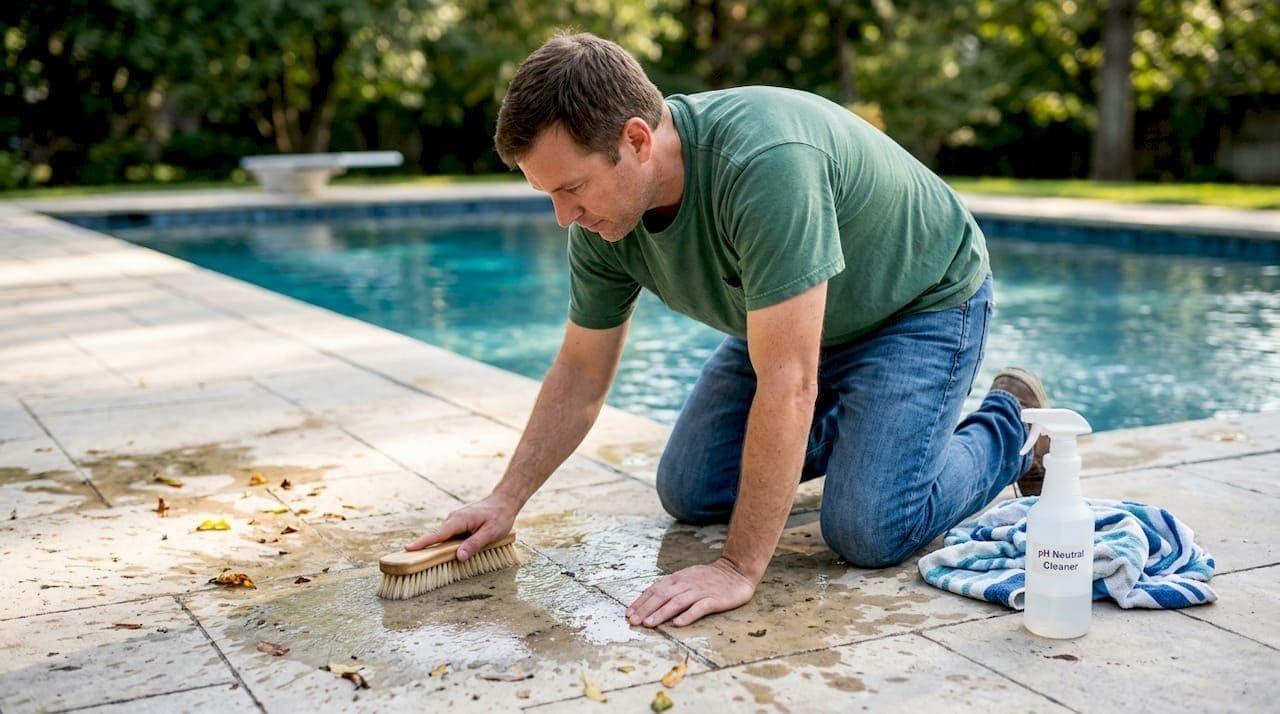
Microfiber cloths and soft-bristle brushes are your best tools for natural stone maintenance. These materials lift dirt without scratching the surface or wearing down protective sealants. Avoid abrasive scrubbers, steel wool, or stiff brushes that create microscopic scratches where dirt and moisture can penetrate, leading to staining and deterioration over time.
The pH neutral cleaner for stone formulations available today combine plant-based surfactants with balanced chemistry to tackle tough pool-area grime. Chlorinated water splashes, sunscreen residue, and foot traffic create unique cleaning challenges that require products specifically designed for outdoor stone applications.
Applying natural stone seal protection creates an invisible barrier that repels water, oils, and stains while allowing the stone to breathe. Quality sealers last 1-2 years depending on traffic and exposure, dramatically reducing the effort needed for routine cleaning and preventing permanent damage from spills or weathering.
Step-by-step natural stone cleaning process:
- Sweep or vacuum loose debris to prevent scratching during wet cleaning
- Mix pH-neutral cleaner according to product directions in lukewarm water
- Apply solution with microfiber mop or cloth using circular motions
- Allow cleaner to dwell for 2-3 minutes on stubborn areas without letting it dry
- Scrub gently with soft-bristle brush on textured or heavily soiled sections
- Rinse thoroughly with clean water, changing rinse water as needed
- Dry with clean microfiber cloths to prevent water spots and mineral deposits
Pro Tip: Clean pool deck tiles and natural stone every 4-6 weeks during swimming season to prevent buildup that requires aggressive cleaning methods. Regular light maintenance protects your investment better than occasional deep cleaning.
| Stone Type | Safe Cleaners | Cleaners to Avoid | Sealing Frequency |
|---|---|---|---|
| Granite | pH-neutral, plant-based | Vinegar, ammonia, bleach | Every 1-2 years |
| Marble | pH-neutral only | All acids, harsh alkalines | Every 6-12 months |
| Limestone | pH-neutral, very mild | Acids, abrasives | Every 6-12 months |
| Travertine | pH-neutral, non-abrasive | Acids, acidic fruits | Every 6-12 months |
| Slate | pH-neutral, gentle alkaline | Strong acids | Every 1-2 years |
Best practices and practical tips for sustainable pool and stone maintenance
Ozone cuts chemical costs by 40-60%, and natural stone sealers last 1-2 years for effective protection, making sustainable maintenance both economically smart and environmentally responsible. Combining these technologies with proven traditional methods creates a comprehensive approach that maximizes benefits while minimizing effort and expense.
Weekly vacuuming and brushing form the foundation of effective pool care regardless of your sanitization system. Removing debris before it breaks down prevents the organic load that feeds algae and bacteria, allowing your eco-friendly sanitizers to work more efficiently. Soft-bristle brushes protect tile grout and prevent surface scratches that harbor contaminants.
Maintaining water pH between 7.2 and 7.6 optimizes sanitizer efficiency and reduces corrosion of pool equipment and surrounding stone surfaces. This narrow range ensures chlorine or alternative sanitizers work at peak effectiveness while preventing the scaling and etching that occur when pH drifts too high or low. Test water chemistry twice weekly during active use and adjust promptly.
Variable-speed pumps and pool covers deliver significant energy savings while supporting your eco-friendly maintenance program. Modern pumps can reduce energy consumption by 50-75% compared to single-speed models, and covers prevent heat loss, reduce evaporation, and keep debris out of the water. These investments pay for themselves through lower utility bills and reduced chemical needs.
EPA Safer Choice certified products provide third-party verification that cleaning solutions meet strict safety and sustainability standards. This certification ensures products contain ingredients that won't harm aquatic life, degrade water quality, or pose risks to humans and pets. Look for this label when selecting cleaners for both pool and stone applications.
Essential sustainable maintenance routine:
- Test and balance water chemistry twice weekly
- Vacuum pool floor and brush walls weekly
- Clean skimmer and pump baskets every 3-4 days
- Backwash or clean filter according to pressure gauge readings
- Add enzyme treatment weekly to break down organic matter
- Inspect and clean natural stone surfaces every 4-6 weeks
- Check and adjust mineral sanitizer levels monthly
- Apply stone sealer annually or as recommended
Pro Tip: Run your variable-speed pump at lower speeds for longer periods rather than high speeds for short times. This approach provides better filtration, uses less energy, and reduces wear on equipment while maintaining crystal-clear water.
Implementing algae-free pool maintenance strategies prevents the need for shock treatments and heavy chemical interventions. Prevention through consistent care beats remediation every time. Supplement professional techniques with DIY pool cleaning hacks that save money while supporting your sustainability goals.
Comparison of maintenance approaches:
| Approach | Chemical Use | Labor | Annual Cost | Environmental Impact |
|---|---|---|---|---|
| Traditional chlorine only | High | Medium | High | Significant |
| Saltwater chlorination | Medium | Low | Medium | Moderate |
| Mineral + low chlorine | Low | Low | Medium | Low |
| Advanced oxidation + enzymes | Very low | Low | Medium-high | Very low |
| Integrated eco-friendly | Minimal | Medium | Medium | Minimal |
Navigating challenges and choosing the right eco-friendly products
68% of green cleaners contain acids causing gloss loss, while eco protocols reduce CO2 emissions by 50%, revealing the critical importance of scrutinizing product labels rather than trusting marketing claims alone. Not all products labeled natural, green, or eco-friendly meet the safety standards required for delicate pool and stone environments.
Hidden acids in supposedly safe cleaners represent the most common pitfall for homeowners maintaining natural stone. Citric acid, acetic acid, and other organic acids sound harmless but etch calcite-containing stones just as aggressively as synthetic chemicals. Always check ingredient lists and verify pH specifications before using any product on marble, limestone, or travertine.
Enzyme cleaners excel at removing organic debris but provide no antimicrobial action. This limitation means you cannot rely on enzymes alone for pool sanitization. Combine them with mineral sanitizers, low-level chlorine, or advanced oxidation systems to ensure complete water safety while maximizing the chemical reduction benefits enzymes provide.
EPA Safer Choice certification offers the most reliable third-party verification for truly safe and sustainable cleaning products. This program evaluates every ingredient for human health and environmental safety, ensuring products perform effectively without hidden hazards. Prioritize certified products when building your eco-friendly maintenance toolkit.
Testing cleaners on small hidden areas before full application prevents costly damage to expensive stone installations. Apply product to an inconspicuous spot, wait 24 hours, and check for discoloration, etching, or other adverse reactions. This simple precaution saves thousands in potential restoration costs.
Red flags when evaluating eco-friendly cleaning products:
- Vague ingredient lists with terms like "natural fragrance" or "plant extracts"
- No pH information provided on label or specification sheet
- Claims of being "chemical-free" (everything is made of chemicals)
- Lack of safety data sheets or technical documentation
- No third-party certifications from recognized organizations
- Extremely low prices compared to established eco-friendly brands
Pro Tip: Contact manufacturers directly to request pH specifications and full ingredient disclosure if this information isn't readily available. Reputable companies provide detailed technical data to professional users and informed consumers.
Compatibility with your stone's mineral composition determines cleaning success and surface longevity. Granite tolerates slightly alkaline cleaners better than marble, while slate and quartzite are generally more forgiving than limestone or travertine. Understanding your specific stone type allows you to select products that clean effectively without risking damage.
The eco-friendly cleaning essentials available today offer genuine performance improvements over conventional products while delivering measurable environmental benefits. Research from eco-friendly cleaning benefits 2026 confirms that modern formulations match or exceed traditional cleaners in effectiveness while dramatically reducing health risks and ecological impact.
"The transition to eco-friendly pool and stone maintenance isn't about sacrifice or compromise. Modern sustainable products and technologies deliver superior results while protecting your investment, your health, and the environment. The only question is why anyone would continue using outdated chemical-intensive methods when better alternatives exist."
Discover sustainable pool and stone care solutions
You've learned how eco-friendly cleaning technologies protect pools and natural stone while reducing chemical use and costs. Now it's time to put that knowledge into action with products specifically designed for sustainable maintenance.
Oceancare specializes in pH-neutral cleaners, biodegradable treatments, and natural sealers that align perfectly with the 2026 trends covered in this guide. Our
pool tile maintenance products remove calcium deposits and organic buildup without harsh acids that damage grout or surrounding stone. The
stone and grout sealers provide long-lasting protection that repels stains and simplifies routine cleaning, extending the life of your investment.
Every product meets strict safety standards and carries EPA certifications where applicable, ensuring you get genuine eco-friendly performance without hidden hazards. Browse our complete selection of eco-friendly cleaning essentials to build a comprehensive maintenance program that protects your surfaces and the environment.
Frequently asked questions
What are the safest eco-friendly cleaners for natural stone surfaces?
Use pH neutral tile and stone cleaner formulations with a balanced 6.5-7.5 pH to avoid etching or degrading sealants on granite, marble, limestone, and travertine. Plant-based surfactants provide effective cleaning without the risks associated with acidic or highly alkaline products. Always test any new cleaner on a small, inconspicuous area first and wait 24 hours to check for adverse reactions before applying to visible surfaces.
How do enzyme cleaners work for pool maintenance?
Enzymes break down oils, sunscreen residue, pollen, and other organic matter into smaller molecules that your filtration system can remove easily. This biological process reduces the organic load in pool water, allowing sanitizers to work more efficiently at lower concentrations. However, enzymes do not kill bacteria or algae, so you must pair them with mineral sanitizers, low-level chlorine, or advanced oxidation systems to ensure complete water safety. Following a consistent pool cleaning schedule maximizes enzyme effectiveness.
What pH range is best for maintaining pools and stone surfaces?
Maintain pool water pH around 7.2-7.6 to balance sanitizer effectiveness with surface safety and swimmer comfort. This range prevents the scaling that occurs above 7.8 and the corrosion that happens below 7.0, protecting both pool equipment and surrounding natural stone. Use pH-neutral cleaning solutions with 6.5-7.5 pH on natural stone surfaces to avoid etching calcite-containing materials and breaking down protective sealants. Test water chemistry twice weekly during active swimming season and adjust promptly when readings drift outside the target range.
Are advanced oxidation systems safe and cost-effective for eco-friendly pools?
Advanced oxidation technologies reduce chemical costs by 40-60% while cutting chlorine requirements by 50-90%, making them both economically viable and environmentally superior to traditional sanitization methods. Ozone, ultraviolet, and combined AOP systems destroy contaminants at the molecular level without creating harmful byproducts or leaving chemical residues. Initial equipment investment is higher than conventional systems, but the long-term savings on chemicals, reduced maintenance labor, and extended equipment life provide strong returns. These systems also enhance safety by minimizing harsh chemical presence in pool water, creating a gentler swimming environment for families and guests.
Recommended
- Top 5 Eco-Friendly Stone Cleaners for 2026 Homeowners
- Oceancare Products Store: Elevate Your Tile Care Experience!
- 7 Effective Types of Pool Tile Cleaners Explained
- Natural Stone Sealers: Protecting Surfaces Sustainably
- Pressure Washing Trends 2025: Innovations Shaping Citrus County – white-diamond-pressure

