
Natural stone preservation: eco-friendly care guide
Many homeowners believe natural stone surfaces demand harsh chemicals and expensive professional treatments to stay beautiful. The truth is simpler and greener. Natural stone preservation relies on understanding your stone's porosity, using pH-neutral cleaners, and applying water-based sealers at the right intervals. This guide walks you through proven techniques for marble, granite, limestone, and other stones while prioritizing eco-friendly products that protect both your surfaces and the environment. You'll learn when to seal, how to clean safely, and which sustainable practices extend stone life without compromising indoor air quality or adding toxins to your home.
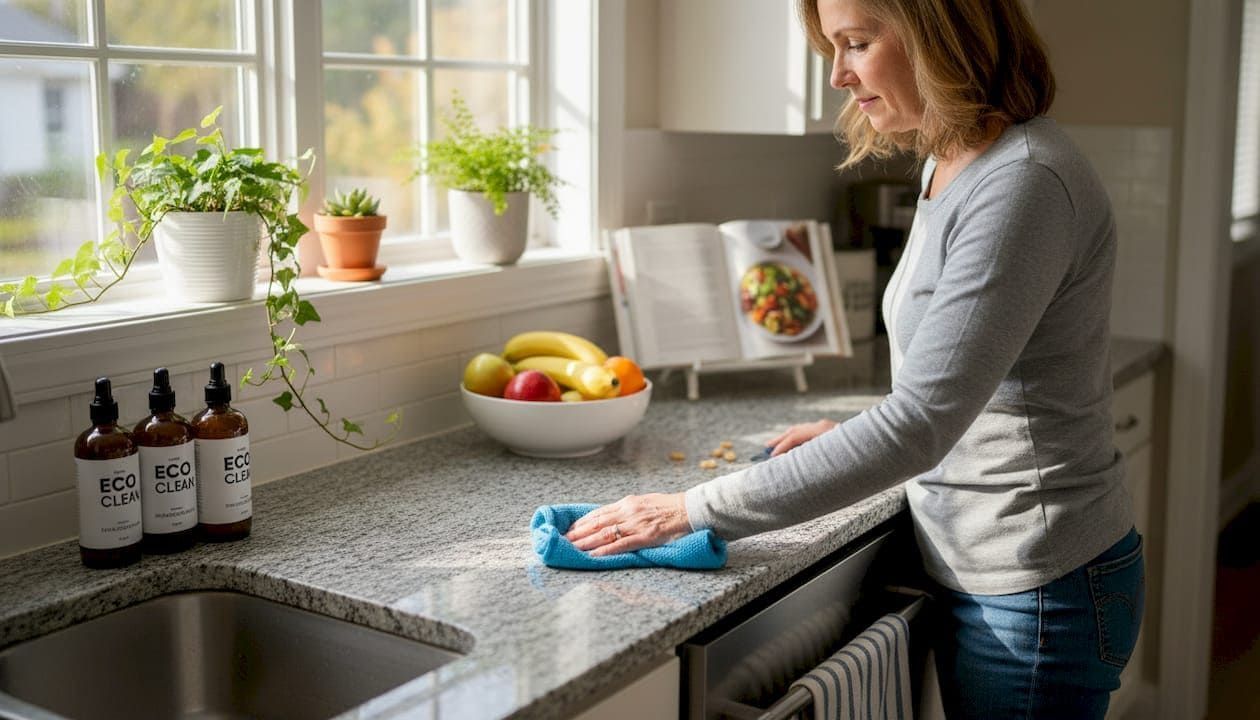
Table of Contents
- Key takeaways
- Understanding natural stone and why preservation matters
- Core natural stone preservation techniques and eco-friendly products
- Managing specific stone types and special conditions
- Sustainable practices for enhancing natural stone longevity
- Explore eco-friendly products for natural stone care
- Frequently asked questions
Key Takeaways
| Point | Details |
|---|---|
| Porosity awareness | Understanding how porous a stone is determines sealing needs and helps prevent damage. |
| pH neutral cleaners | Clean with pH neutral solutions and warm water to minimize chemical damage and buildup. |
| Water based sealers | Use water based penetrating sealers that bond within pores to create a hydrophobic barrier without changing appearance. |
| Professional restoration advised | For deep scratches, etching, or widespread damage beyond routine maintenance, consult a professional restorer. |
Understanding natural stone and why preservation matters
Natural stone brings timeless beauty to kitchens, bathrooms, and outdoor spaces, but its porous structure makes it vulnerable. Unlike manufactured surfaces, stone absorbs liquids through microscopic pores, allowing water, oils, and acids to penetrate and cause permanent staining. Sealers fill these pores to reduce absorption and protect against moisture damage.
Acids pose a particular threat to calcium-based stones. When vinegar, citrus juice, or acidic cleaners contact marble or limestone, they dissolve the calcium carbonate structure, creating dull spots called etching. This chemical reaction happens instantly and cannot be reversed with cleaning. Only professional polishing or honing can restore the damaged surface. Understanding why seal natural stone becomes critical when you recognize how quickly damage occurs.
Freeze-thaw cycles create another preservation challenge, especially for exterior stone. Water trapped in pores expands when it freezes, causing surface flaking called spalling. Over multiple winter seasons, this process can destroy decorative stone features and structural elements. Physical wear compounds these issues. High foot traffic gradually dulls polished finishes and widens existing pores, accelerating stain absorption.
These vulnerability factors explain why preservation matters:
- Porosity allows liquids to penetrate and stain permanently
- Acid exposure etches softer stones by dissolving calcium
- Freeze-thaw expansion causes surface spalling and cracking
- Traffic wear degrades polish and increases absorption rates
Pro Tip: Test your stone's porosity by placing a few drops of water on the surface. If the water darkens the stone or absorbs within 10 minutes, you need immediate sealing.
"The longevity of natural stone depends entirely on understanding its physical properties and responding with appropriate protective measures before damage occurs."
Core natural stone preservation techniques and eco-friendly products
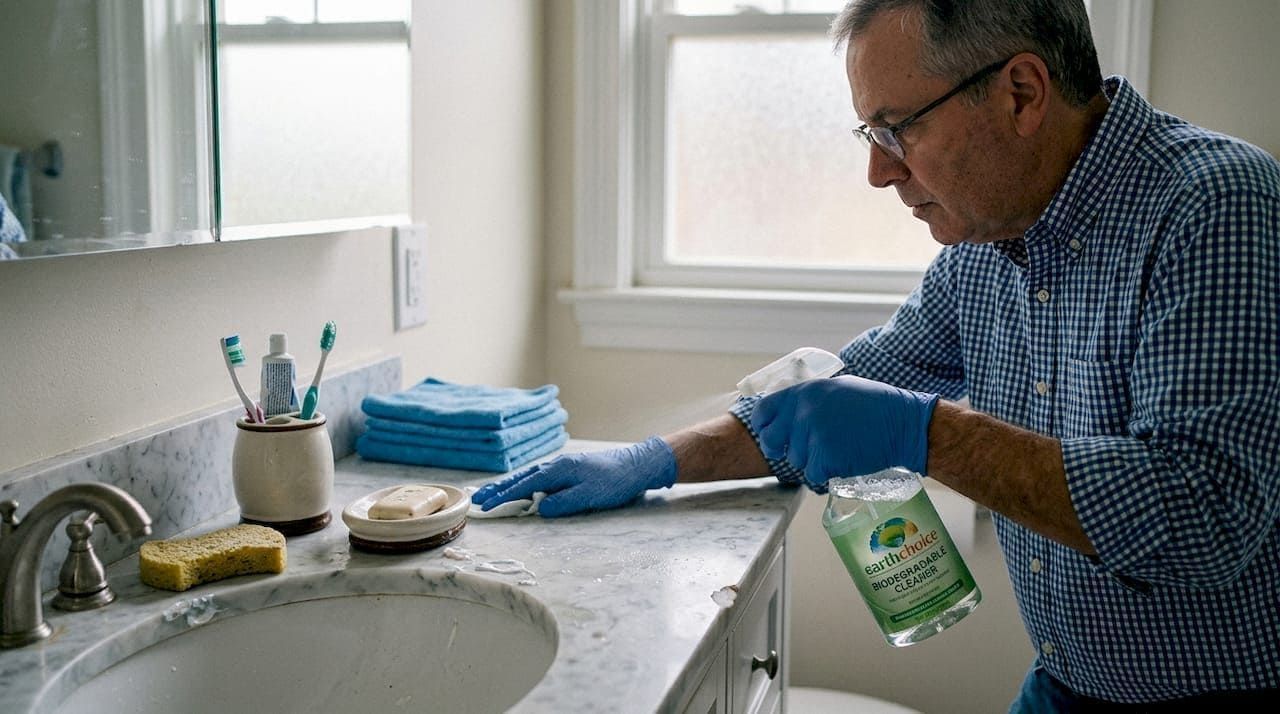
Effective preservation combines daily maintenance with periodic protective treatments, all achievable through sustainable products. Start with routine cleaning using pH-neutral solutions and warm water. Microfiber cloths lift dirt without scratching, while pH-neutral cleaners avoid the chemical damage that harsh detergents cause. This simple daily practice prevents buildup that leads to deeper staining.
Sealing forms the foundation of stone protection. Water-based penetrating impregnators work by entering the stone's pores and creating a hydrophobic barrier without changing appearance. Unlike topical sealers that sit on the surface and can peel, penetrating sealers bond within the stone structure. Eco-friendly water-based impregnators provide this protection without toxic fumes or volatile organic compounds, making them safe for indoor use around children and pets.
Follow this preservation sequence for optimal results:
- Clean thoroughly with pH-neutral cleaner and warm water
- Allow stone to dry completely for 24-48 hours
- Apply water-based penetrating sealer in thin, even coats
- Buff excess sealer after 15 minutes to prevent residue
- Wait 24 hours before exposing to water or traffic
- Repeat sealing every 1-3 years based on stone type
Polishing and honing restore surface finish when minor scratches or dullness appear. Professional technicians use progressively finer abrasives to remove damaged layers and reveal fresh stone underneath. For light wear, honing creates a smooth matte finish. Polishing takes the process further, using specialized compounds to achieve a glossy shine. Schedule these treatments every 2-5 years depending on traffic levels and desired appearance.
Deep damage requires professional restoration. When etching penetrates beyond surface layers, spalling creates structural concerns, or staining resists all cleaning attempts, expert intervention becomes necessary. Restoration specialists assess damage depth, select appropriate repair methods, and match repairs to surrounding stone. Attempting DIY fixes on severe damage often worsens the problem and increases eventual repair costs.
Choosing eco-friendly products delivers multiple benefits. Top eco-friendly stone cleaners contain plant-based surfactants that lift dirt effectively without petroleum derivatives. Water-based sealers eliminate solvent odors and reduce indoor air pollution while providing protection comparable to traditional products. These sustainable options align with environmental values without compromising performance.
Key product selection criteria include:
- pH-neutral formulation to prevent etching
- Water-based chemistry for low VOC emissions
- Penetrating action rather than topical coating
- Biodegradable ingredients that break down safely
- Certification from environmental standards organizations
Pro Tip: Always test new cleaners or sealers on an inconspicuous area first. Even eco-friendly products can react unexpectedly with certain stone types or existing treatments.
Understanding why seal natural stone transforms preservation from a chore into a strategic investment. Proper sealing prevents the majority of common stone problems, reducing long-term maintenance costs and preserving your investment's aesthetic value.
Managing specific stone types and special conditions
Stone type dramatically affects preservation requirements. Marble and limestone share high calcium content and acid sensitivity, demanding more frequent attention than denser alternatives. These softer stones require resealing every 6-12 months because their porous structure allows faster sealer breakdown. Traffic patterns, exposure to liquids, and cleaning frequency all influence this timeline.
Granite and quartzite offer superior density and lower porosity. Their tightly packed crystalline structure resists absorption naturally, extending sealing intervals to 1-2 years. Some granite varieties with extremely low porosity may not require sealing at all. Conduct the water drop test annually to verify whether resealing is necessary rather than following a rigid schedule.
This comparison clarifies maintenance differences:
| Stone Type | Porosity Level | Acid Sensitivity | Sealing Frequency | Special Considerations |
|---|---|---|---|---|
| Marble | High | Very High | 6-12 months | Avoid all acidic cleaners; polish frequently |
| Limestone | High | Very High | 6-12 months | Prone to scratching; use soft cleaning tools |
| Granite | Low to Medium | Low | 1-2 years | Test porosity before sealing; some need no sealer |
| Quartzite | Very Low | Very Low | 1-2 years | Often confused with quartz; verify stone type |
| Travertine | Very High | High | 6-9 months | Fill holes before sealing; requires special care |
Exterior stone faces unique challenges absent in interior applications. Algae and moss growth occur when moisture combines with organic debris in stone pores. These organisms not only stain but also retain moisture that accelerates freeze-thaw damage. Efflorescence, the white crystalline deposit that appears on stone surfaces, results from water-soluble salts migrating through the stone and crystallizing on the surface. Exterior stone durability depends on addressing these moisture-related issues through proper sealing and drainage.
Traffic intensity shapes maintenance schedules significantly. High-use areas demand professional polishing every 2-5 years to restore finish and remove accumulated micro-scratches. Commercial spaces with constant foot traffic may need annual attention, while residential bathrooms might go five years between polishing. Monitor surface appearance rather than relying solely on calendar intervals.
Sealer selection must match both stone characteristics and usage conditions:
- High-traffic areas need durable impregnators with stain resistance
- Exterior stone requires UV-stable sealers that resist weathering
- Food preparation surfaces demand food-safe, non-toxic formulations
- Wet areas like showers need enhanced water repellency
Pro Tip: Exterior stone benefits from annual cleaning before winter. Remove organic debris, treat any algae growth, and verify sealer integrity before freeze-thaw cycles begin.
Common stone sealer problems often stem from mismatched products or improper application. Using a topical sealer on high-traffic floors creates a slippery surface that wears unevenly. Applying sealer to damp stone traps moisture and causes clouding. Reading product specifications and following manufacturer instructions prevents these issues.
Browsing stone and grout sealers reveals the range of specialized formulations available. Color-enhancing sealers deepen stone tones, making them ideal for decorative features but potentially problematic for light-colored stones where darkening is undesirable. Natural finish sealers maintain original appearance while providing protection. Choosing the right stone sealer requires evaluating your specific stone type, location, and aesthetic goals.
Sustainable practices for enhancing natural stone longevity
Sustainability in stone preservation extends beyond product selection to encompass material sourcing and maintenance philosophy. Reclaimed natural stone offers an environmentally superior alternative to newly quarried material. Using reclaimed stone eliminates the energy costs of extraction, reduces quarrying's landscape impact, and gives beautiful material a second life. Architectural salvage yards and specialized dealers supply reclaimed stone suitable for restoration projects and new installations.
Sustainable quarrying practices minimize environmental harm when new stone is necessary. Progressive quarry operators implement water recycling systems that capture and reuse process water rather than discharging it into watersheds. Selective extraction techniques preserve surrounding landscape and reduce waste. Green practices in the stone industry demonstrate that natural stone's inherent longevity combines with responsible sourcing to create genuinely sustainable building materials.
Choosing non-toxic maintenance products protects indoor environments and ecosystems. Traditional stone cleaners often contain harsh solvents, ammonia, or bleach that release volatile organic compounds into your home. These chemicals persist in wastewater, potentially harming aquatic life. Water-based, plant-derived alternatives clean effectively while biodegrading safely. This shift supports both personal health and environmental responsibility.
Routine care with eco-friendly products extends stone durability through several mechanisms:
- Gentle formulations prevent chemical erosion of stone surface
- Regular cleaning removes abrasive particles before they scratch
- Proper sealing reduces moisture penetration and freeze damage
- pH-neutral products preserve natural stone color and finish
Adopting green maintenance practices aligns with broader environmental values many homeowners and property managers hold. Preventing tile stains naturally demonstrates how proactive care reduces the need for aggressive cleaning interventions later. This preventive approach saves time, money, and environmental impact compared to reactive damage repair.
Hard surface cleaning best practices emphasize working with stone's natural properties rather than against them. Understanding that stone is porous guides you toward penetrating sealers instead of surface coatings. Recognizing acid sensitivity steers you away from vinegar-based cleaners toward pH-neutral alternatives. This knowledge-based approach yields better outcomes with fewer environmental consequences.
"Sustainable stone preservation recognizes that the longest-lasting materials deserve the most thoughtful care, creating beauty that endures across generations without compromising environmental integrity."
The lifecycle perspective matters in preservation decisions. A properly maintained natural stone surface can last centuries, far exceeding manufactured alternatives that require replacement every 10-20 years. The embodied energy in stone extraction and fabrication gets amortized over this extended lifespan. Investing in quality preservation maximizes this sustainability advantage.
Explore eco-friendly products for natural stone care
Applying these preservation principles becomes straightforward when you have access to specialized eco-friendly products designed specifically for natural stone. Stone and grout sealers formulated with water-based chemistry provide the protection your surfaces need without introducing harmful chemicals into your living spaces. These advanced formulations penetrate deeply, creating lasting barriers against moisture and stains while maintaining the natural beauty of your stone.
Selecting appropriate cleaners ensures your daily maintenance enhances rather than damages your investment. Eco-friendly stone cleaners remove dirt, oils, and residues effectively using plant-based ingredients that rinse clean without leaving dulling films. When you're ready to make informed decisions about sealer selection, choosing the right stone sealer guides you through matching product characteristics to your specific stone type and usage conditions.
Frequently asked questions
What is natural stone preservation?
Natural stone preservation encompasses the cleaning, sealing, polishing, and restoration practices that protect porous stone surfaces from damage caused by moisture, stains, acids, and physical wear. These techniques maintain the aesthetic appeal and structural integrity of marble, granite, limestone, and other natural stones used in residential and commercial settings. Proper preservation extends stone lifespan from decades to centuries when implemented consistently with appropriate eco-friendly products.
How often should I seal my marble countertop?
Marble typically requires resealing every 6 to 12 months depending on usage intensity and exposure to liquids. Kitchen countertops with frequent food preparation need more frequent sealing than bathroom vanities with lighter use. Conduct the water drop test every six months to verify sealer effectiveness rather than following a rigid schedule. More frequent resealing prevents etching and stain damage that becomes permanent if moisture penetrates unsealed pores.
Can I use vinegar or acidic cleaners on natural stone?
Avoid vinegar and all acidic cleaners on natural stone surfaces, especially marble and limestone. Acids etch these stones by dissolving calcium carbonate, creating dull spots that cannot be removed through cleaning. Even brief contact causes permanent damage requiring professional polishing to repair. Use pH-neutral, eco-friendly cleaners specifically formulated for natural stone to maintain surfaces safely without chemical damage.
What are the benefits of using eco-friendly stone sealers?
Eco-friendly sealers protect natural stone without harmful chemicals, toxic fumes, or high volatile organic compound emissions that compromise indoor air quality. Water-based, non-toxic formulations provide protection equivalent to traditional sealers while supporting sustainability goals by minimizing environmental footprint. These products are safe for use around children and pets, biodegrade responsibly, and maintain stone's natural appearance while creating effective moisture and stain barriers.
When should I hire a professional for stone restoration?
Hire professionals when damage extends beyond surface-level issues that routine maintenance can address. Deep etching that penetrates multiple layers, structural spalling from freeze-thaw cycles, stubborn stains that resist all cleaning attempts, and extensive scratching that affects large areas all require expert assessment and specialized equipment. Professional restoration technicians have the tools and training to grind, hone, and polish stone to restore original appearance without causing further damage through improper DIY techniques.
Recommended

