
Joint Grout Cleaning: Eco-Friendly Solutions That Work

Most American homeowners are surprised to learn that neglected grout can trap up to 80 percent more bacteria than tile surfaces. With urban living pushing for greener standards and limited outdoor maintenance space, keeping pool tiles and natural stone in top shape has become more complex. This guide reveals how eco-friendly methods can deliver sparkling results, minimize chemical exposure, and support sustainable property care for families and communities worldwide.
Table of Contents
Key Takeaways
| Point | Details |
|---|---|
| Understanding Joint Grout Cleaning | This process involves specialized techniques to remove dirt and contaminants from grout lines without damaging the surrounding tiles. |
| Types of Grout and Cleaning Solutions | Different grout types, such as cementitious and epoxy, require tailored cleaning methods and solutions for effective maintenance. |
| Eco-Friendly Cleaning Benefits | Using eco-friendly cleaning solutions improves indoor air quality and minimizes environmental impact, creating safer living spaces. |
| Common Mistakes to Avoid | Avoid using abrasive tools and harsh chemicals that can damage grout and tile; maintaining a regular cleaning schedule is essential for preservation. |
What Is Joint Grout Cleaning?
Joint grout cleaning is a specialized maintenance process focused on removing dirt, grime, and contaminants from the narrow spaces between tiles known as grout lines. These lines are typically composed of cement-based or epoxy materials that fill the gaps and provide structural support and aesthetic continuity to tiled surfaces. Grout line cleaning techniques require careful approach to preserve the integrity and appearance of the surface.
The process involves more than simple surface washing. Grout lines are inherently porous and rough, making them prone to trapping dirt, mould, bacteria, and stains much more readily than the surrounding tiles themselves. Professional cleaning requires specialized tools and techniques that can penetrate these narrow, textured spaces without causing damage. Methods range from manual scrubbing with specific cleaning solutions to advanced steam cleaning techniques that sanitize without harsh chemicals.
Critical considerations in joint grout cleaning include selecting appropriate cleaning agents that match the specific tile and grout type, using the right cleaning tools, and understanding the surface’s unique characteristics. Some surfaces require alkaline solutions, while others might need pH-neutral cleaners to prevent discoloration or erosion. Grout cleaning methods vary depending on the material, location, and level of soiling, requiring a nuanced and informed approach.
Pro tip: Always test your cleaning solution on a small, inconspicuous area first to ensure it won’t damage or discolor your specific grout and tile combination.
Types of Joint Grout and Cleaner Solutions
Grout types vary significantly, each requiring unique cleaning and maintenance strategies. Types of grout primarily include cementitious, epoxy, and resin-based compositions, with each offering distinct characteristics and performance capabilities. Cementitious grout remains the most traditional and widely used option, available in sanded and unsanded variations that cater to different tile and installation requirements.
Cementitious Grout is composed of cement, water, and fine sand, making it porous and more susceptible to staining. This type typically requires periodic sealing to protect against moisture and dirt penetration. Epoxy Grout , by contrast, represents a more advanced solution characterized by superior durability and resistance to chemical degradation. Its non-porous nature makes it ideal for high-moisture environments like bathrooms, kitchens, and commercial spaces where hygiene and longevity are paramount.
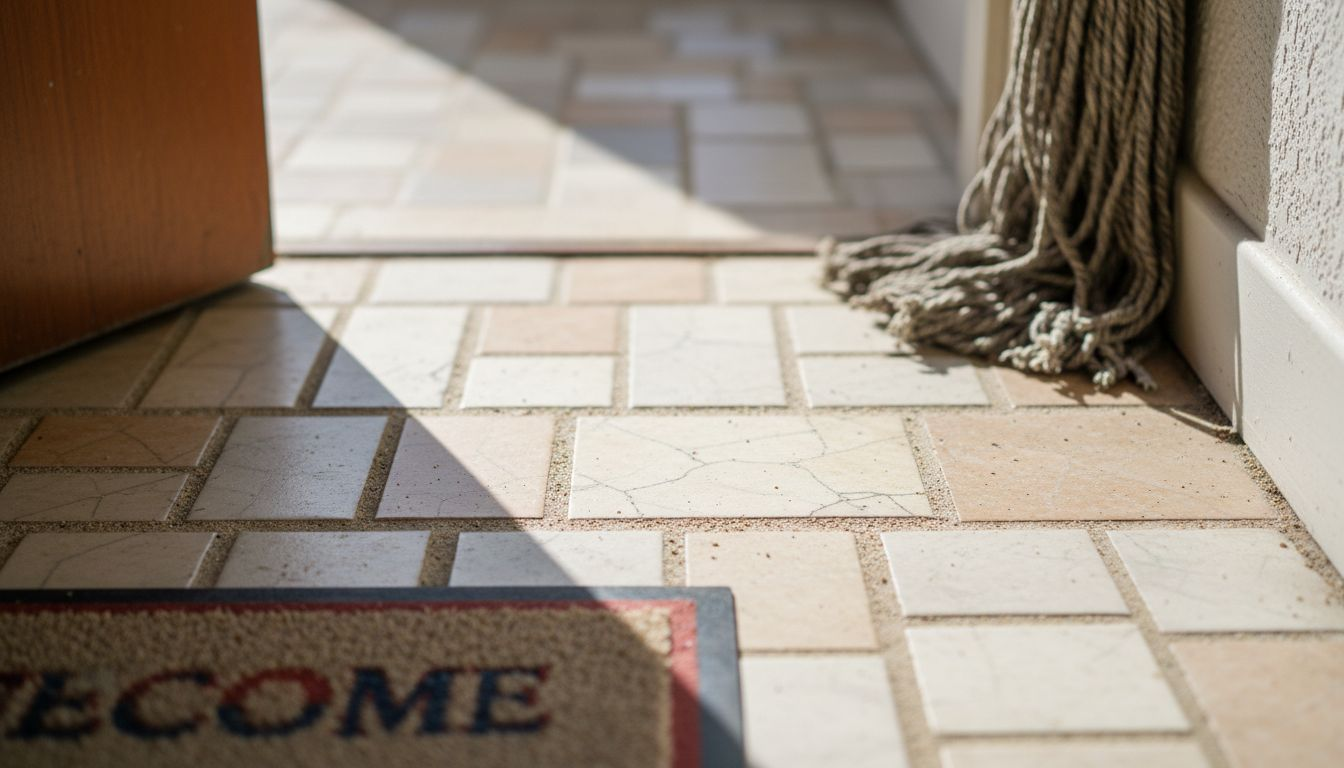
Cleaner solutions must be carefully selected based on the specific grout type to prevent damage and maintain aesthetic appeal. Neutral pH cleaners work best for cementitious grout, while specialized mild detergents are recommended for epoxy-based systems. Some advanced eco-friendly solutions now offer biodegradable formulations that effectively clean without compromising the grout’s structural integrity or introducing harsh chemicals into the environment. Grout cleaning approaches range from manual scrubbing techniques to advanced steam cleaning methods that sanitize surfaces without excessive moisture exposure.
Pro tip: Always match your cleaning solution precisely to your specific grout type to prevent potential discoloration or structural damage.
Here is a comparison of common grout types and recommended cleaning solutions:
| Grout Type | Porosity & Durability | Typical Locations | Best Cleaning Solution |
|---|---|---|---|
| Cementitious | Highly porous, less durable | Residential floors, walls | Neutral pH cleaner |
| Epoxy | Non-porous, very durable | Bathrooms, commercial areas | Mild detergent, non-abrasive |
| Resin-based | Moderately porous, flexible | Specialty installations | Biodegradable or eco-friendly |
How Joint Grout Cleaning Works
Joint grout cleaning is a systematic process that transforms dirty and stained grout lines through carefully orchestrated techniques. Grout cleaning and repair involves multiple strategic stages designed to remove dirt, sanitize surfaces, and restore the original appearance of tiled areas. The process begins with surface preparation, which includes removing loose debris and creating an optimal cleaning environment.
The initial stage focuses on removing surface dirt using mild soap and water solutions. For more stubborn stains, specialized techniques like creating an abrasive baking soda paste activated with vinegar become essential. Cleaning tools play a critical role, with stiff nylon brushes providing the necessary scrubbing action to penetrate the porous grout surface. Steam cleaning emerges as an advanced, chemical-free sanitization method that effectively eliminates bacteria and grime without introducing harsh chemical agents.
After thorough cleaning, the grout requires careful assessment for potential damage or deterioration. Tile surface maintenance involves repairing cracked or crumbling sections by carefully removing damaged grout and applying fresh grout material. The final step typically includes applying a protective sealant, which creates a barrier against future staining and moisture penetration, significantly extending the lifespan and aesthetic quality of the tiled surface.
Pro tip: Always wear protective gloves and work in a well-ventilated area when applying cleaning solutions to prevent skin irritation and respiratory issues.
Benefits of Using Eco-Friendly Methods
Eco-friendly grout cleaning methods represent a transformative approach to surface maintenance that prioritizes both environmental and personal health. Eco-conscious cleaning solutions leverage natural ingredients like vinegar, baking soda, and essential oils to effectively clean surfaces while minimizing harmful chemical exposure. This approach goes beyond simple cleaning, creating a holistic strategy that protects indoor environments and broader ecological systems.
The environmental benefits of green cleaning techniques are substantial and multifaceted. By reducing volatile organic compounds and toxic substances, these methods significantly improve indoor air quality and prevent potential harm to ecosystems. Eco-friendly products typically incorporate recycled materials and utilize energy-efficient manufacturing processes, creating a comprehensive sustainability model that extends far beyond the immediate cleaning task. Families with children, pets, or individuals with respiratory sensitivities particularly benefit from these non-toxic, biodegradable alternatives.
Sustainable cleaning practices offer additional advantages beyond environmental protection. They create safer living spaces by eliminating harsh chemical residues, protect plumbing systems from corrosive agents, and support broader sustainable building practices. The long-term health and environmental benefits significantly outweigh the minimal extra effort required to implement these green cleaning strategies, making them an intelligent choice for conscientious homeowners and property managers.
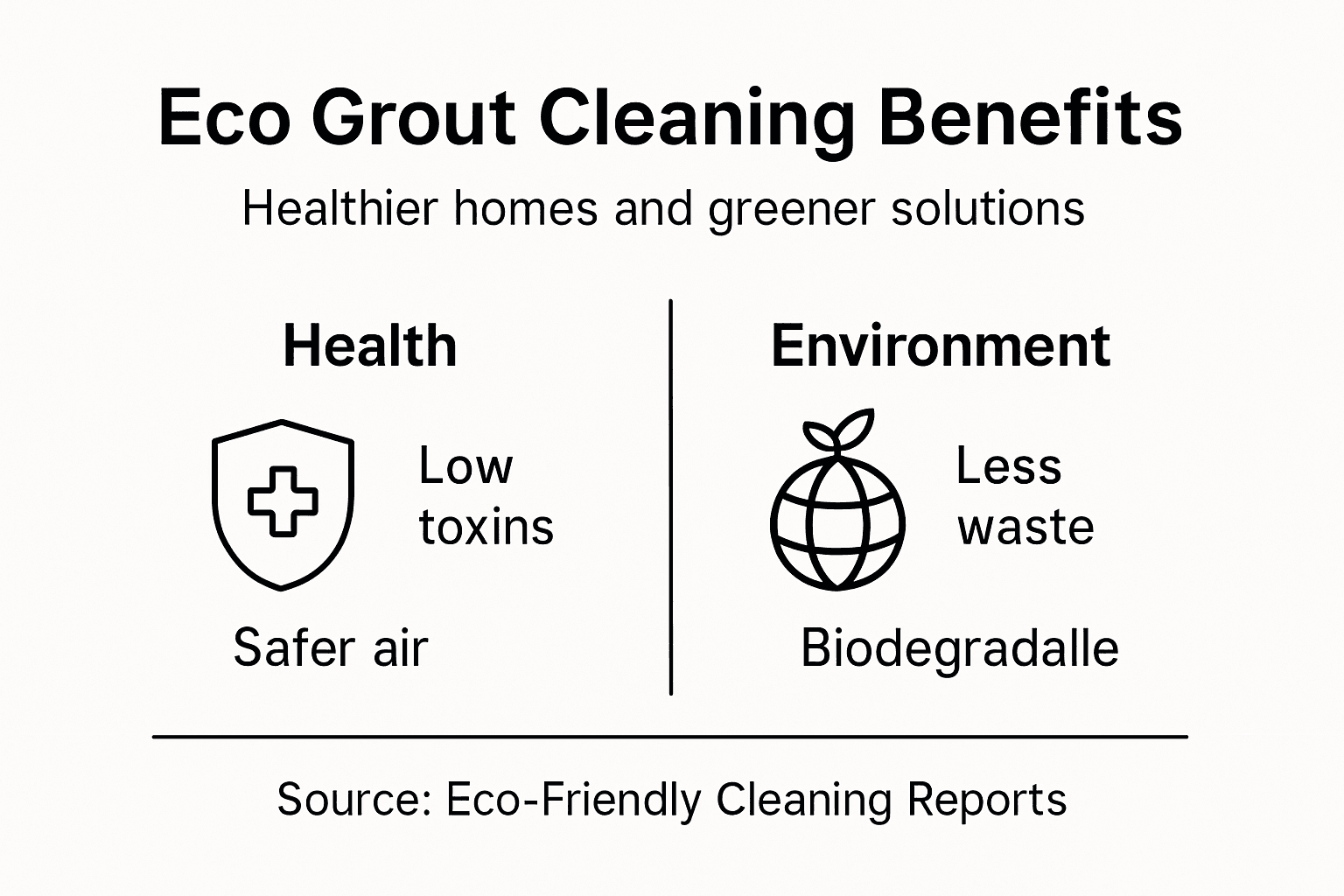
Pro tip: Gradually transition to eco-friendly cleaning solutions by replacing one conventional product at a time, allowing you to assess effectiveness while minimizing environmental impact.
The following table summarizes eco-friendly grout cleaning benefits and their positive impacts:
| Eco-Friendly Benefit | Impact on Health | Impact on Environment |
|---|---|---|
| Reduced chemical exposure | Safer for families | Protects air and water quality |
| Biodegradable solutions | Prevents skin irritation | Reduces landfill waste |
| No harsh residues | Supports respiratory health | Protects plumbing systems |
Common Mistakes To Avoid in Grout Cleaning
Grout cleaning requires precision and careful technique to prevent permanent damage to tiled surfaces. Grout cleaning mistakes often stem from using inappropriate tools, harsh chemicals, and neglecting proper maintenance protocols. Understanding these potential pitfalls is crucial for preserving the aesthetic and structural integrity of tiled areas.
One of the most critical errors homeowners make involves using abrasive cleaning tools that can irreparably damage grout and tile surfaces. Steel wool, overly stiff brushes, and harsh scrubbing techniques can erode grout, causing micro-abrasions that accelerate deterioration. Additionally, applying chemical cleaners without understanding their compatibility with specific grout types can lead to discoloration, weakening of the grout’s structural composition, and potential long-term surface damage.
Timing and preparation are equally important in successful grout maintenance. Common sealing mistakes include rushing sealant application before grout is completely dry, which creates uneven protection and compromises the protective barrier. Neglecting regular cleaning schedules allows dirt and grime to accumulate, making future cleaning more challenging and potentially requiring more aggressive interventions that could further damage the surface. Consistent, gentle maintenance using appropriate tools and eco-friendly solutions is the most effective strategy for preserving grout quality.
Pro tip: Create a dedicated cleaning kit with soft-bristled brushes, pH-neutral cleaners, and microfiber cloths to ensure gentle and effective grout maintenance.
Discover Eco-Friendly Joint Grout Cleaning Solutions for Lasting Results
Cleaning grout lines can feel overwhelming especially when stubborn stains and dirt seem impossible to remove without harsh chemicals. This article highlights the challenge of maintaining porous grout safely while preserving your surfaces. You want an effective cleaner that respects your home, health, and the planet. At Oceancare Store, we understand your need for safe, plant-based, and biodegradable products that tackle grout grime without damage or toxic residue.
Take control of grout maintenance today by choosing professional-grade eco-friendly cleaners and sealers designed specifically for your tiles and grout types. Our range helps protect against stains, reduces wear, and supports sustainable living. Don’t let grout cleaning frustrations hold you back – explore our trusted solutions at
Oceancare Products Store, where surface care and environmental responsibility meet.
Visit now and make your grout cleaning routine safer and more effective with proven eco-friendly products.
Frequently Asked Questions
What is joint grout cleaning?
Joint grout cleaning is a process specifically aimed at removing dirt, grime, and contaminants from the grout lines that fill the spaces between tiles. It often requires specialized tools and techniques to effectively clean these porous areas without damaging the surrounding tiles.
How do eco-friendly grout cleaning methods work?
Eco-friendly grout cleaning methods utilize natural ingredients like vinegar, baking soda, and essential oils to clean effectively without introducing harsh chemicals. These methods help improve indoor air quality while protecting both the environment and your health.
What types of grout require different cleaning solutions?
Cementitious grout, epoxy grout, and resin-based grout all have unique characteristics. Cementitious grout is porous and requires neutral pH cleaners, while epoxy grout is non-porous and benefits from mild detergents. Selecting the right cleaner based on the grout type is crucial to prevent damage.
What common mistakes should I avoid when cleaning grout?
Common mistakes include using abrasive tools, which can damage the grout and tiles, and applying chemical cleaners without understanding their compatibility with the grout type. Additionally, neglecting regular cleaning schedules can lead to more difficult and harsher cleaning methods later on.
Recommended
- Grout Haze Remover & Cleaner: Biodegradable Solution for Deep Cleaning
- Oceancare Products Blog | Top Cleaning & Sealing Solutions
- Top Tips for Removing Grout Haze and Maintaining Your Tiles
- Oceancare Products Store: Elevate Your Tile Care Experience!
- How to Use White Vinegar for Cleaning | Simple Neat Home

