
Natural Stone Sealers: Protecting Surfaces Sustainably
Natural Stone Sealers: Protecting Surfaces Sustainably
Modern american homeowners are rethinking traditional stone sealers as global demand for sustainable outdoor care rises. With over 60 percent of property managers preferring eco-friendly solutions, the search for effective, biodegradable products continues to grow. Learning how natural stone sealers actually protect surfaces, and why misconceptions persist, empowers you to choose smarter options for your pool tiles and outdoor spaces while prioritizing environmental responsibility.
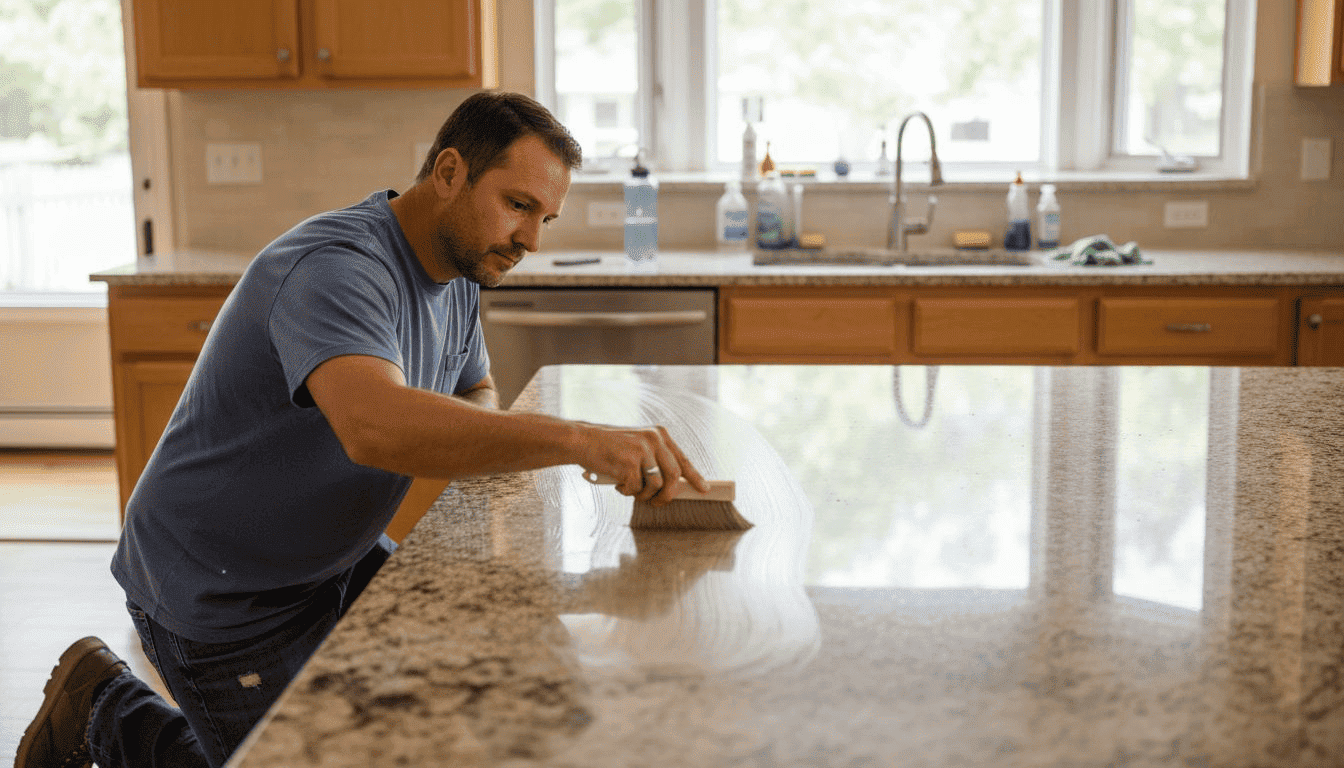
Table of Contents
Key Takeaways
| Point | Details |
|---|---|
| Understanding Sealer Types | Natural stone sealers are classified into penetrating, topical, and enhancing, each serving distinct protective functions and aesthetic impacts. |
| Application Importance | Proper surface preparation and application techniques are crucial for the effectiveness of stone sealers, preventing issues like streaking and ineffective protection. |
| Eco-Friendly Options | Biodegradable and non-toxic sealants are available, offering sustainable choices that protect stone while being environmentally responsible. |
| Outdoor Considerations | Selecting the right sealer for outdoor use is essential due to exposure to environmental factors, requiring assessments of porosity and specific conditions. |
Defining Natural Stone Sealers and Misconceptions
Natural stone sealers are specialized surface treatments designed to protect porous stone materials from damage, staining, and environmental degradation. These protective solutions work by blocking interconnected capillary channels that make natural stone vulnerable to liquid absorption and potential harm.
Stone sealers come in two primary categories: penetrating and topical.
Penetrating sealers soak into the stone’s microscopic pores, creating an internal protective barrier that prevents moisture and contaminant infiltration.
Topical sealers , conversely, form a protective surface layer that repels liquids and provides a visible barrier against potential staining agents.
Contrary to popular belief, stone sealers do not provide universal protection against all types of damage. Stone sealing involves strategic protection against specific risks like staining and moisture penetration, but they cannot prevent physical damage such as scratching or etching. Different stone types require unique sealing approaches, making it crucial to understand the specific characteristics of your surface before application.
Pro tip: Always conduct a simple water absorption test on your stone surface to determine whether sealing is necessary and which type of sealer will provide the most effective protection.
Types of Natural Stone Sealers Compared
Natural stone sealers are categorized into three primary types, each offering unique protection and aesthetic characteristics for different stone surfaces. Penetrating sealers represent the most versatile category, designed to infiltrate stone pores and provide invisible protection without altering the stone’s natural appearance.
Penetrating Sealers work by creating an internal barrier that repels water and oil-based substances. These sealers are ideal for stones like granite, marble, limestone, and slate, as they maintain the stone’s original texture and color while preventing liquid absorption. Topical Sealers , in contrast, form a protective surface layer that adds gloss and maximum stain resistance but may require more frequent maintenance and can potentially change the stone’s visual characteristics.
Enhancing Sealers offer a unique approach by not only protecting the stone but also intensifying its natural color and texture. These specialized sealers are particularly effective for textured or aged stone surfaces, creating a wet-look finish that highlights the stone’s inherent beauty. The selection of a sealer depends on multiple factors, including stone porosity, environmental conditions, desired aesthetic outcome, and specific protection requirements.
Pro tip: Conduct a professional stone porosity test before selecting a sealer to ensure you choose the most appropriate protection for your specific stone type and environmental conditions.
Here’s a clear comparison of the main types of natural stone sealers and their key characteristics:
| Sealer Type | Primary Function | Appearance Impact | Recommended Usage |
|---|---|---|---|
| Penetrating | Internal moisture barrier | Maintains natural look | Granite, marble, limestone |
| Topical | Surface liquid repellent | Adds gloss, can alter | Indoors, decorative stones |
| Enhancing | Color and texture boost | Wet-look, intensifies | Aged, textured surfaces |
How Stone Sealers Protect and Work
Stone sealers function through a sophisticated mechanism of protection that goes beyond simple surface coating. Reducing stone permeability by filling microscopic pores allows these specialized treatments to create a robust defensive barrier against potential damage from liquids and environmental contaminants.
Penetrating sealers work at a molecular level, chemically bonding within the stone’s internal structure. These advanced formulations create an invisible protective shield that repels water, oil, and other potential staining agents while maintaining the stone’s natural breathability. Unlike topical sealers that create a surface film, penetrating sealers allow the stone to retain its original texture and appearance, ensuring both protection and aesthetic preservation.
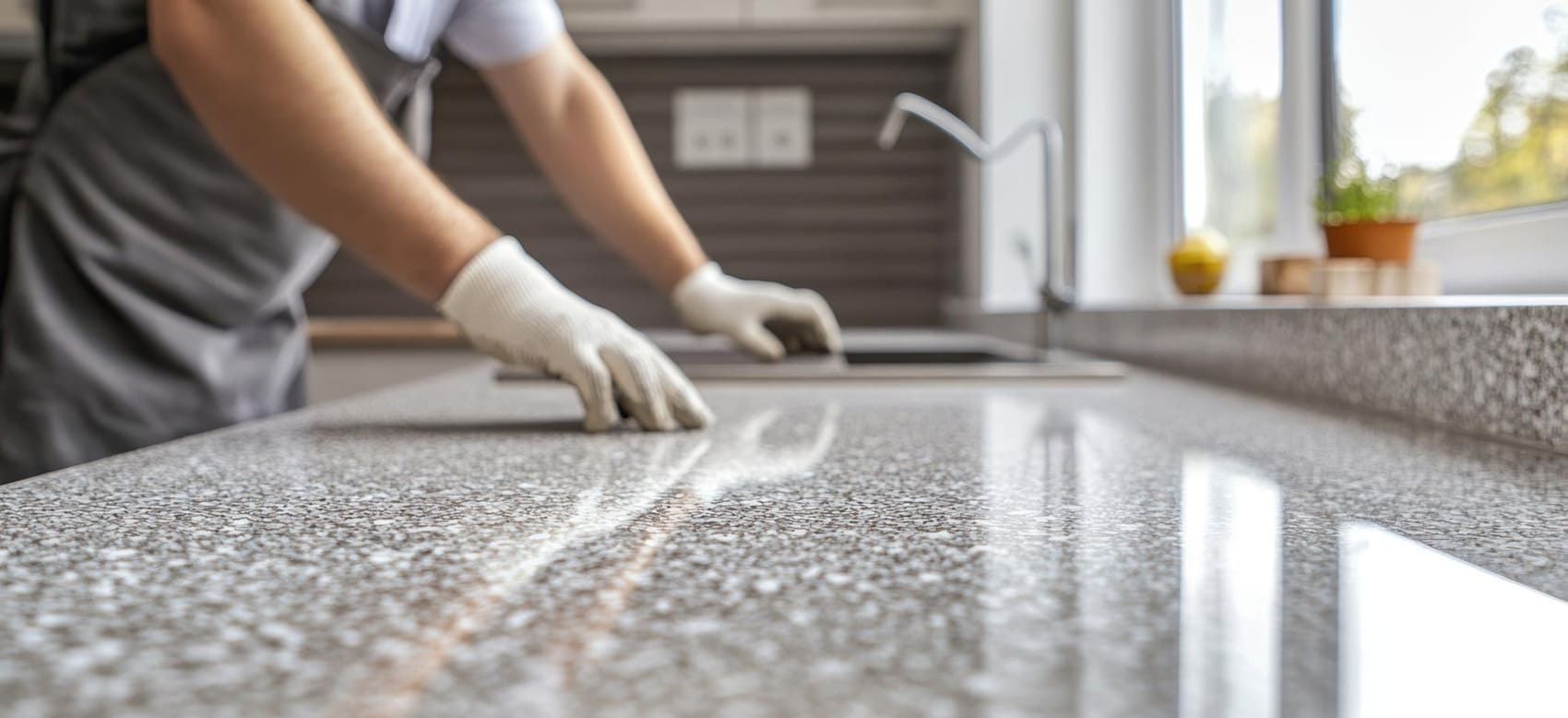
The effectiveness of stone sealers depends on several critical factors, including surface preparation, application technique, and the specific stone’s inherent characteristics. Proper application requires a meticulously clean and completely dry surface, with careful attention to removing excess product to prevent streaking or uneven coverage. Different stone types – from porous limestone to dense granite – demand unique sealing approaches that take into account their individual absorption rates and environmental exposure.
Pro tip: Always perform a small test application in an inconspicuous area to verify the sealer’s compatibility and appearance before treating the entire stone surface.
Eco-Friendly and Non-Toxic Sealer Innovations
Biodegradable alternatives to traditional stone sealants are revolutionizing the surface protection industry by offering environmentally conscious solutions that prioritize both stone preservation and ecological responsibility. These innovative products represent a significant shift towards sustainable maintenance practices for natural stone surfaces.
Natural oil-based sealants represent a groundbreaking approach to stone protection. Formulations utilizing linseed, tung, and soybean oils provide water resistance while maintaining the stone’s inherent aesthetic qualities. Beeswax and carnauba wax based sealants offer additional environmentally friendly options, creating protective barriers that are completely non-toxic and biodegradable. These alternative sealants distinguish themselves by eliminating harmful chemicals typically found in traditional synthetic treatments.
Advanced eco-friendly technologies are pushing the boundaries of stone sealing innovation. Some manufacturers are developing resource-saving silicone sealants that incorporate biomethanol in production, significantly reducing fossil resource consumption. These cutting-edge formulations not only protect stone surfaces but also minimize volatile compound emissions, providing enhanced environmental performance without compromising protective capabilities.
Pro tip: Research the specific environmental certifications and ingredient profiles of stone sealers to ensure you select a truly sustainable and non-toxic product that meets your ecological standards.
Choosing the Right Sealer for Pools and Outdoors
Outdoor stone sealers require specialized protection strategies that address the unique challenges of exterior environments. Swimming pool surrounds, patios, and other outdoor stone surfaces face constant exposure to moisture, ultraviolet radiation, temperature fluctuations, and potential chemical contaminants that can degrade natural stone materials.
Penetrating sealers emerge as the optimal solution for most outdoor stone applications. These advanced formulations create an invisible protective barrier that repels water and prevents staining without altering the stone’s natural appearance. Unlike topical sealers that form a visible surface film, penetrating sealers work internally to maintain the stone’s inherent texture and aesthetic qualities while providing long-lasting protection against environmental damage.
Selecting the right sealer involves carefully evaluating specific environmental conditions and stone characteristics. Highly porous stones like limestone and sandstone require more robust sealing solutions with enhanced moisture resistance, while denser stones such as granite might need less intensive protection. Critical factors include the stone’s location, exposure to sunlight, frequency of water contact, and potential chemical interactions. Sealers with additional mold and mildew resistance offer extra durability for pool areas and humid outdoor environments.
Pro tip: Conduct a professional moisture absorption test on your specific stone surface to determine its exact porosity and select a sealer that provides the most appropriate level of protection.
Common Application Mistakes and Safety Risks
Stone sealing processes involve numerous potential application mistakes that can compromise both the protective effectiveness and aesthetic quality of natural stone surfaces. Homeowners and professionals must understand these critical pitfalls to ensure successful sealing outcomes and prevent long-term damage.
Common application errors include improper surface preparation, which remains the most significant risk factor in stone sealing.
Applying sealer on unclean, damp, or contaminated surfaces prevents proper penetration and adhesion, leading to ineffective protection and potential discoloration. Overapplication represents another frequent mistake, causing unsightly streaking, uneven finish, and potential buildup that can trap moisture and compromise the stone’s natural breathability.
Safety risks during stone sealer application demand careful attention and comprehensive personal protective equipment. Workers should utilize impact-resistant goggles, chemical-resistant gloves, and respirators to prevent direct chemical exposure. Proper ventilation is crucial to minimize inhalation of potentially harmful fumes, and maintaining a clean, well-organized workspace reduces the likelihood of accidental spills or contamination. Understanding manufacturer instructions, dilution ratios, and recommended application techniques significantly mitigates both performance and health-related risks.
For quick reference, here are common mistakes and risks during stone sealer application:
| Mistake or Risk | Potential Problem | Preventive Measure |
|---|---|---|
| Dirty surface | Poor adhesion, streaking | Clean and dry surface carefully |
| Overapplication | Uneven finish, buildup | Apply thin, even coats |
| Inadequate ventilation | Fume inhalation risk | Ensure airflow, use respirators |
| Lack of PPE | Direct chemical exposure | Wear gloves and goggles |
Pro tip: Always conduct a small test application in an inconspicuous area to verify compatibility, appearance, and performance before treating the entire stone surface.
Protect Your Natural Stone Surfaces with Eco-Friendly Sealers Today
Understanding the challenges of preserving natural stone surfaces against staining, moisture, and environmental wear is essential for enhancing their longevity. As the article highlights, selecting the right penetrating or enhancing sealer after proper testing is critical to maintaining your stone’s natural beauty without sacrificing breathability or texture. Customers often face frustration with harsh chemicals and ineffective products that fail to deliver sustainable protection.
At The Oceancare Store, we specialize in eco-friendly, biodegradable, and plant-based sealers designed to protect your precious stone surfaces safely and effectively. Our carefully formulated products align perfectly with the latest insights on stone sealer technology, offering solutions that respect both your home environment and the planet. Take control of your stone maintenance with our non-toxic sealers and cleaners that are ideal for residential and commercial spaces, including pools, patios, and indoor stone features. Explore our line of natural stone protectors now and give your surfaces the lasting defense they deserve. Visit The Oceancare Store to shop premium, sustainable sealers that combine performance with safety. Don’t wait to preserve the natural elegance of your stone—act today for results you can trust.
Frequently Asked Questions
What are natural stone sealers and how do they work?
Natural stone sealers are specialized treatments that protect porous stone materials from damage and staining. They work by blocking interconnected capillary channels to prevent liquid absorption and environmental degradation, providing varying levels of protection based on the type of sealer used.
What are the different types of natural stone sealers?
Natural stone sealers are mainly categorized into three types: penetrating sealers, which create an internal moisture barrier; topical sealers, which form a protective surface layer; and enhancing sealers, which boost color and texture while providing protection. Choosing the right type depends on the specific stone and desired appearance.
How can I determine if my stone surface needs sealing?
You can determine if sealing is necessary by performing a simple water absorption test. If water beads up on the surface, the stone is likely sealed. If it soaks in quickly, sealing is recommended to protect against moisture and stains.
What mistakes should I avoid when applying stone sealers?
Common mistakes include applying sealer on unclean or damp surfaces, which can lead to poor adhesion and effectiveness, and overapplying the sealer, resulting in uneven finishes. It’s essential to ensure proper surface preparation and follow application guidelines to achieve optimal results.
Recommended
- Stone & Grout Sealers: Unmatched Protection for Timeless Surfaces
- Clean & Seal: Biodegradable Everyday Cleaner with Oceancare Sealing Protection
- High Performance Penetrating Sealer: Superior Protection
- How to Maintain and Clean Tile Floors with Sealers
- Role of Floor Restoration – Protecting and Reviving Floors

