
Tile Maintenance: Protecting Surfaces and Environment
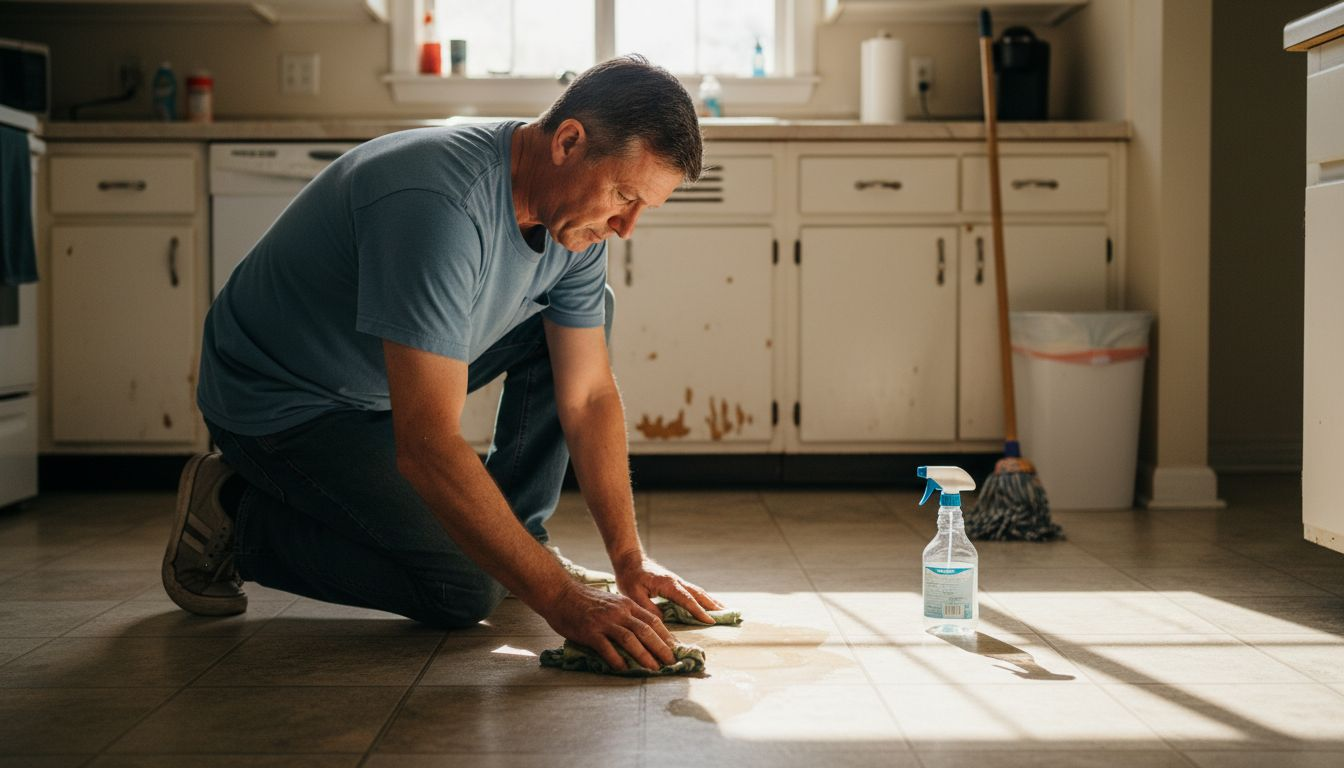
Over 60 percent of American homes feature hard surface tile installations that require more than simple cleaning to maintain their beauty. Taking care of natural stone or pool tiles goes beyond appearances, protecting your investment and the environment. For eco-conscious homeowners and property managers, mastering sustainable tile maintenance methods means longer-lasting surfaces, minimized repair costs, and a space that feels truly cared for.
Table of Contents
Key Takeaways
| Point | Details |
|---|---|
| Importance of Tile Maintenance | Systematic tile care preserves aesthetic quality, functionality, and lifespan across various materials. |
| Tailored Maintenance Strategies | Different tile types require specific cleaning and sealing approaches to prevent damage and maintain appearance. |
| Routine Care vs. Deep Cleaning | Routine maintenance prevents surface buildup, while deep cleaning addresses embedded stains and challenging residue. |
| Sustainable Practices | Eco-friendly products and practices help reduce environmental impact while maintaining tile surfaces effectively. |
What Is Tile Maintenance and Why It Matters
Tile maintenance represents a strategic approach to preserving the aesthetic quality, functionality, and longevity of hard surface installations across residential and commercial environments. At its core, this practice involves systematic care designed to protect tile surfaces from degradation, damage, and premature wear. Ceramic tile quality standards underscore the critical importance of proper maintenance in ensuring optimal performance and appearance.
Understanding tile maintenance requires recognizing that different surfaces demand specialized care strategies. Natural stone, porcelain, ceramic, and other tile materials each possess unique characteristics requiring targeted cleaning, sealing, and protection techniques. Professional tile installers recognize that quality maintenance goes beyond simple cleaning - it involves comprehensive protection against environmental stressors like moisture, UV exposure, chemical interactions, and mechanical wear.
The fundamental goals of tile maintenance include preventing surface deterioration, maintaining aesthetic appeal, extending material lifespan, and protecting the underlying substrate from potential damage. Effective maintenance practices help homeowners and property managers mitigate potential issues such as grout erosion, surface staining, structural weakening, and aesthetic degradation. By implementing systematic care protocols, individuals can significantly extend the functional and visual integrity of their tile investments.
Pro tip: Develop a consistent maintenance schedule tailored to your specific tile type, considering factors like surface material, location, and exposure to prevent long-term damage and preserve surface quality.
Types of Tiles and Surface Care Needs
Tile surfaces represent a diverse ecosystem of materials, each requiring specialized maintenance approaches tailored to their unique physical and chemical properties. Ceramic tile classifications reveal the complexity of surface care, demonstrating that different materials demand distinct preservation strategies. Natural stone, ceramic, porcelain, glass, and metal tiles each present unique challenges in maintaining their aesthetic and functional integrity.
Natural stone tiles like marble, granite, slate, and travertine are particularly sensitive, requiring careful sealing and pH-neutral cleaning solutions to prevent etching or discoloration. Ceramic and porcelain tiles offer more durability but still need strategic maintenance to preserve their protective glazed surfaces. Unglazed tiles typically absorb more moisture and require more frequent sealing, while glazed surfaces provide additional protection against staining and wear.
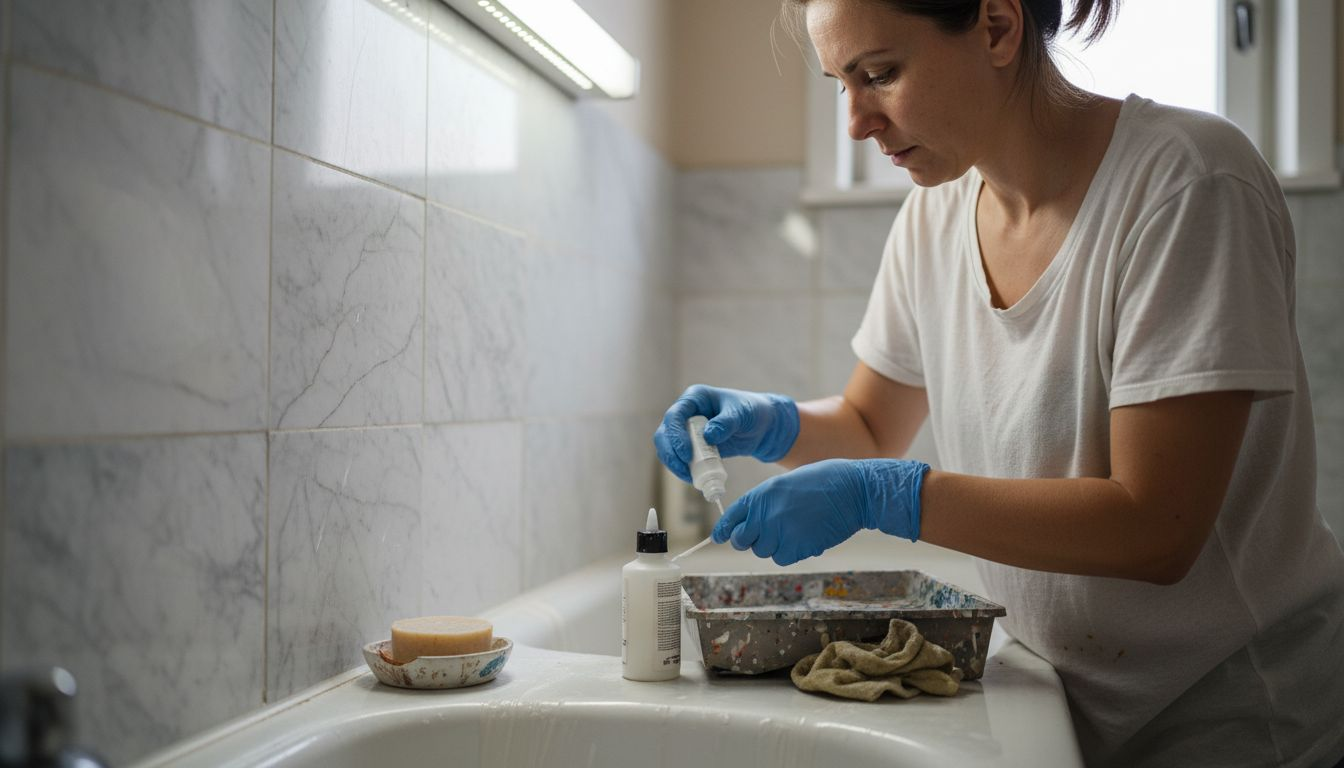
The ISO ceramic tile standards highlight critical factors in tile maintenance, including porosity, surface finish, and chemical stability. These characteristics directly influence recommended cleaning methods, sealant applications, and long-term preservation techniques. Homeowners and property managers must consider factors such as tile location, foot traffic, exposure to moisture, and potential chemical interactions when developing comprehensive surface care protocols.
Pro tip: Conduct a simple water absorption test on your tiles to determine their porosity and create a more targeted maintenance strategy that addresses specific material vulnerabilities.
Here’s a quick comparison of common tile types and their care requirements:
| Tile Type | Sensitivity Level | Key Maintenance Needs | Vulnerabilities |
|---|---|---|---|
| Natural Stone | High (easily damaged) | Sealing, pH neutral cleaner | Susceptible to etching and stains |
| Ceramic | Moderate | Mild detergent, protect glaze | Acidic cleaners can dull glaze |
| Porcelain | Low (very durable) | Occasional sealing, gentle cleaning | Risk of grout discoloration |
| Glass | Moderate | Non-abrasive cleaning, avoid scratching | Scratches, visible residue |
| Metal | Moderate to high | Specialty cleaner, dry immediately | Corrosion, water spots |
Routine Tile Care Versus Deep Cleaning
Routine tile care and deep cleaning represent two distinct yet complementary approaches to maintaining tile surfaces, each serving unique purposes in preserving aesthetic and functional qualities. Efficient home cleaning practices distinguish between daily maintenance and periodic intensive restoration, providing homeowners with a comprehensive strategy for surface protection.
Routine tile care focuses on preventative maintenance through consistent, gentle cleaning methods. This approach involves daily or weekly activities like sweeping, dry mopping, wiping surfaces with mild detergents, and promptly addressing spills. The primary objectives are preventing dirt accumulation, maintaining surface shine, and minimizing the potential for long-term damage. In contrast, deep cleaning addresses more challenging issues such as embedded grime, grout discoloration, mineral deposits, and persistent stains that routine care cannot resolve.
The deep cleaning process involves more intensive techniques designed to thoroughly sanitize and restore tile surfaces. This comprehensive approach typically includes specialized cleaning agents, mechanical scrubbing, steam cleaning, and targeted treatments that address specific surface challenges. Professional-grade equipment and pH-balanced solutions help remove stubborn contaminants, eliminate potential bacterial biofilms, and restore the tile’s original appearance without causing surface damage.
Pro tip: Create a maintenance calendar that alternates between routine care and deep cleaning schedules, tailoring frequency to your specific tile type and environmental conditions.
This summary highlights routine care versus deep cleaning approaches:
| Care Approach | Frequency | Main Purpose | Typical Tools Used |
|---|---|---|---|
| Routine Care | Daily/Weekly | Prevent dirt buildup | Mop, broom, mild cleaner |
| Deep Cleaning | Monthly/Quarterly | Remove stubborn stains | Steam cleaner, scrubber, specialty agents |
Sustainable Products for Tile Maintenance
Sustainable tile maintenance represents a holistic approach that balances effective surface care with environmental responsibility. Conservation principles in ceramic maintenance emphasize selecting cleaning products that protect both tile surfaces and ecological systems, minimizing harmful chemical interactions and reducing overall environmental impact.
Eco-friendly tile maintenance products focus on several critical attributes: biodegradability, low volatile organic compound (VOC) emissions, plant-based ingredients, and minimal packaging waste. These sustainable solutions prioritize non-toxic formulations that effectively clean and protect tile surfaces without introducing harmful chemicals into water systems or indoor environments. Natural ingredients like citrus extracts, plant-derived surfactants, and mineral-based cleaning agents provide powerful cleaning capabilities while maintaining environmental integrity.
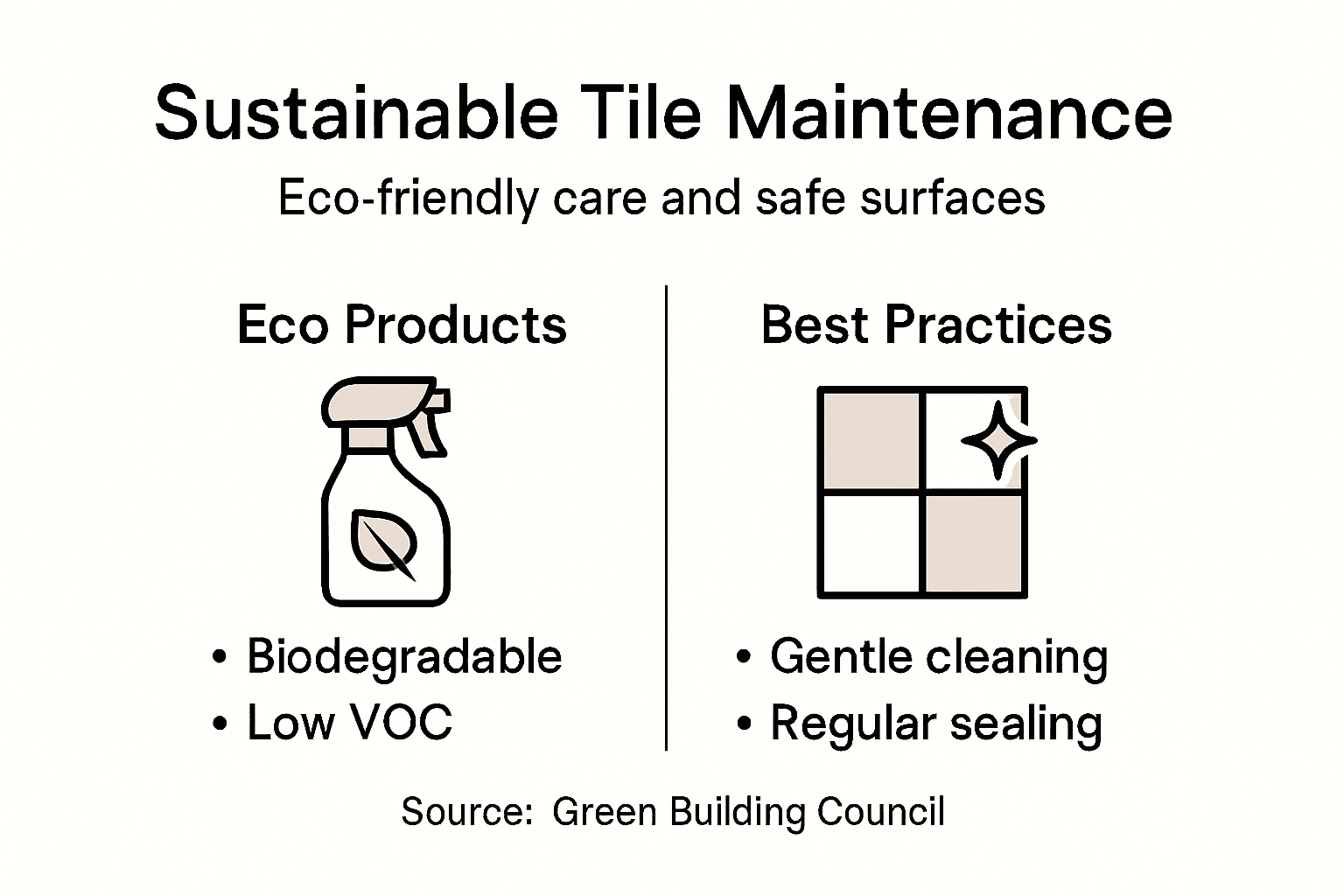
Sustainable flooring maintenance strategies extend beyond product selection to include comprehensive approaches that reduce resource consumption and waste. This involves choosing concentrated cleaning solutions, utilizing reusable cleaning tools, selecting products with minimal packaging, and implementing maintenance techniques that extend tile lifespan and reduce replacement frequency. By selecting environmentally conscious products, homeowners can significantly decrease their ecological footprint while maintaining pristine tile surfaces.
Pro tip: Research cleaning products with third-party environmental certifications and prioritize concentrated solutions that minimize packaging and transportation emissions.
Common Tile Maintenance Mistakes to Avoid
Tile maintenance requires precision and careful attention to detail, with seemingly minor errors potentially causing significant long-term damage. Quality tile installation standards reveal that many homeowners unknowingly compromise their tile surfaces through improper cleaning, installation, and maintenance techniques.
One of the most critical mistakes involves using inappropriate cleaning products that can strip protective sealants, damage surface finishes, or cause chemical reactions that degrade tile integrity. Abrasive cleaners, acidic solutions, and harsh chemicals can permanently damage ceramic, porcelain, and natural stone tiles. Equally problematic is the tendency to use excessive water or incorrect mopping techniques, which can lead to grout deterioration, moisture penetration, and potential structural issues beneath the tile surface.
Surface installation hazards extend beyond cleaning practices to include fundamental errors during initial installation. Improper mortar application, insufficient expansion joint planning, and ignoring manufacturer-recommended grout joint sizes can create uneven surfaces, structural weaknesses, and long-term maintenance challenges. These installation mistakes compromise not just appearance, but the fundamental structural integrity of tiled surfaces.
Pro tip: Always test new cleaning products on a small, inconspicuous tile area first and consult manufacturer guidelines before applying any maintenance technique.
Protect Your Tile Surfaces with Eco-Friendly Solutions Today
Maintaining tile surfaces requires more than just routine cleaning—especially when you want to protect your investment from staining, etching, and premature wear. The challenges discussed in the article around selecting the right sealers and cleaners for delicate natural stone, ceramic, or porcelain tiles highlight the importance of using products that are effective yet gentle. Avoid common pitfalls like damaging your tile’s glaze or grout by relying on eco-friendly, plant-based solutions that preserve the aesthetic appeal without harsh chemicals.
Explore the range of sustainable tile and stone maintenance products at Oceancare Store. Our biodegradable and low-VOC cleaners and sealers are designed specifically to protect your pool tiles, grout, and natural stone surfaces while respecting the environment. Take control of your tile maintenance now by choosing products formulated to restore and maintain surfaces safely and effectively. Visit Oceancare Store to discover the right solutions tailored to your surface care needs and extend the life of your tiles with confidence.
Frequently Asked Questions
What is tile maintenance and why is it important?
Tile maintenance is a strategic approach to preserving the quality, functionality, and longevity of tile surfaces. It prevents degradation, damage, and premature wear, ensuring tiles remain visually appealing and structurally sound.
How do I know what type of cleaning product to use for my tile?
Different tile materials require specific cleaning products. For example, natural stone tiles need pH-neutral cleaners to avoid etching, while ceramic and porcelain tiles benefit from mild detergents. Always refer to the manufacturer’s guidelines for the best recommendations.
What common mistakes should I avoid when maintaining my tiles?
Common mistakes include using abrasive cleaners, excessive water, or incorrect mopping techniques, which can damage tiles and grout. It’s also essential to follow proper installation practices to avoid long-term structural issues.
How can I implement sustainable practices in my tile maintenance routine?
To maintain tiles sustainably, select eco-friendly cleaning products with biodegradable ingredients and low VOC emissions. Additionally, use concentrated cleaning solutions, reusable tools, and techniques that extend tile lifespan to minimize environmental impact.
Recommended

