
Hard Surface Care Guide: Eco-Friendly Steps for Durable Beauty
TL;DR:
- Proper identification and gentle, eco-friendly routines preserve surface durability and appearance.
- Regular cleaning, rinsing, and resealing extend surface life while avoiding damage from harsh chemicals.
- Consistent maintenance and correct product use prevent long-term damage and costly repairs.
You scrub the pool tiles on Saturday morning, and by Tuesday they look dull again. The grout between your bathroom stone is darkening no matter what you spray on it. Your marble countertop has a faint etch mark from a cleaner that promised to be gentle. These frustrations are common, but they are not inevitable. With the right eco-friendly routine, you can keep pool tiles, natural stone, and grout looking sharp for years without reaching for harsh chemicals that quietly damage your surfaces and your home's air quality.
Table of Contents
- Assessing your hard surfaces: What you need before cleaning
- Step-by-step cleaning routine for pool tiles, stone, and grout
- How to avoid common mistakes and maintain surface protection
- Verifying your results and troubleshooting tough problems
- Our perspective: Why most routines miss what eco-friendly care delivers
- Get the best tools and eco products for your hard surface routine
- Frequently asked questions
Key Takeaways
| Point | Details |
|---|---|
| Right tools matter | Using eco-friendly products and the correct tools protects hard surfaces from damage. |
| Consistent routine protects | Regular, gentle cleaning and sealing preserves durability and beauty. |
| Avoid harsh chemicals | Stay away from acidic or abrasive cleaners to prevent etching and discoloration. |
| Problem-solving saves money | Addressing stains and buildup quickly helps avoid costly repairs or replacements. |
Assessing your hard surfaces: What you need before cleaning
Before you pour anything onto a surface, you need to know exactly what you are dealing with. Not all tiles and stone behave the same way, and using the wrong product, even a well-meaning one, can cause the exact damage you are trying to prevent.
Identify your surface type first. Glazed ceramic tiles have a protective glass-like coating that resists most stains but can crack if scrubbed too aggressively. Natural stone like granite, marble, travertine, and slate is porous and reacts poorly to acidic products. Grout, whether sanded or unsanded, is essentially a cement-based material that absorbs moisture, bacteria, and discoloration over time. Porcelain tiles are denser than ceramic but still benefit from proper sealing. Knowing your surface type is the single most important step before any cleaning session begins.
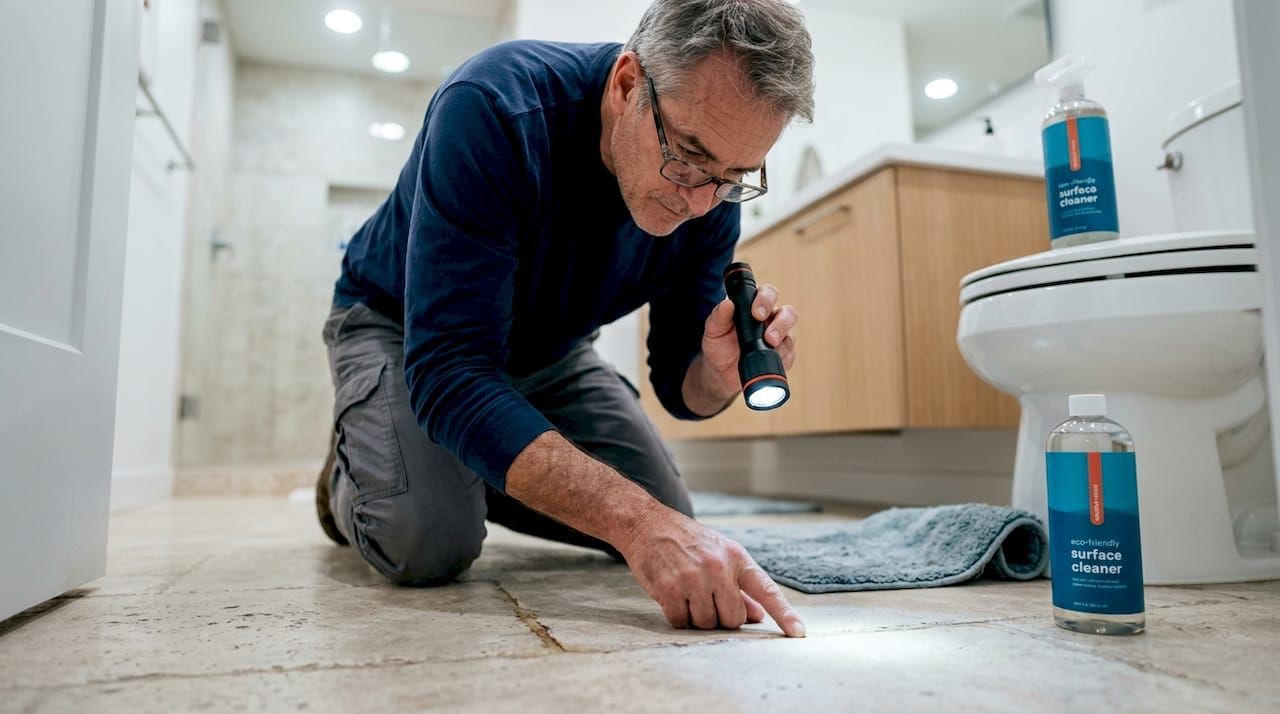
Check for existing damage before you start. Run your hand across the surface and look closely at grout lines. Cracks, chips, or soft or powdery grout need to be repaired before any cleaner is applied. Introducing water or cleaning solution to a compromised surface accelerates deterioration. Understanding marble maintenance basics is a great starting point if you are working with natural stone for the first time.
Eco-friendly products reduce surface damage and are safer for households, which is why choosing plant-based, pH-neutral, and biodegradable formulas makes sense from both a performance and a safety standpoint. When you follow eco cleaning best practices, you reduce the risk of chemical residue building up on surfaces or off-gassing into your living space.
Here is a quick reference for matching products and tools to surface types:
| Surface type | Recommended cleaner | Best tools | What to avoid |
|---|---|---|---|
| Glazed ceramic tile | pH-neutral tile cleaner | Soft bristle brush, microfiber mop | Abrasive pads, acidic sprays |
| Natural stone (marble, granite) | Stone-safe, pH-neutral formula | Soft cloth, non-scratch sponge | Vinegar, bleach, lemon cleaners |
| Unsanded grout | Enzyme-based or plant-based cleaner | Narrow grout brush | Wire brushes, high-pressure jets |
| Pool tiles | Calcium releaser, low-VOC cleaner | Nylon brush, squeegee | Abrasive powders, strong acids |
| Travertine or slate | pH-neutral stone cleaner | Microfiber pad, soft mop | Steam cleaners, wax products |
Gather all your materials before you begin. You will need safer surface care solutions designed specifically for your surface, a dedicated grout brush, soft cleaning cloths, a spray bottle for pretreating, and a clean bucket of warm water for rinsing.
Step-by-step cleaning routine for pool tiles, stone, and grout
With your materials ready, you can move into the actual process. The order matters here. Skipping steps or rushing through them is one of the biggest reasons homeowners repeat the same cleaning session every few weeks without real improvement.
Routine cleaning with the right products boosts appearance and longevity, and greener cleaners are less likely to damage surfaces or harm the ecosystem. That combination means a better result for your home and a lower impact on the environment around your pool or outdoor space.
Follow this routine for the best results:
- Dry dust or sweep the surface. Remove loose dirt, leaves, and debris before applying any liquid. Wet cleaning over dry debris just spreads grime around. Use a dry microfiber mop or a soft-bristle broom.
- Pretreat stained or high-traffic areas. Spray your eco-friendly cleaner directly on the problem spots. For grout, let the solution sit for 3 to 5 minutes to allow it to penetrate. For pool tiles with calcium buildup, a dedicated calcium releaser applied at this stage will break down mineral deposits before scrubbing.
- Scrub using the right pressure. Use circular motions on stone and straight strokes along grout lines. Apply firm but not aggressive pressure. Letting the cleaner do the chemical work means you do not need to scrub hard enough to damage the surface.
- Rinse thoroughly with clean water. Leftover cleaner residue, even from plant-based products, can attract new dirt faster than a clean surface. Rinse twice if needed. For pool tiles, use a garden hose or a low-pressure rinse.
- Dry the surface when possible. Standing water on natural stone, grout, and even sealed tiles can promote mildew growth. Use a squeegee on pool tile walls and a dry cloth on indoor stone surfaces.
Pro Tip: For outdoor stone patios or pool surrounds, clean in the early morning or late afternoon. Cleaning in direct midday sun causes the product to dry too quickly and can leave streaking or white residue that requires a second pass.
Use this frequency guide to stay on top of maintenance without overdoing it:
| Frequency | Task | Surface |
|---|---|---|
| Weekly | Dust, rinse, and wipe | All indoor tiles, grout |
| Biweekly | Pretreat and scrub | Pool tiles, bathroom stone |
| Monthly | Deep clean grout lines | All grout types |
| Seasonally (every 3 months) | Inspect sealant and reseal if needed | Natural stone, pool tile |
Your tile care routine and your eco grout cleaning guide can help you fill in the specifics based on the materials in your own home.
How to avoid common mistakes and maintain surface protection
Knowing how to clean is only half the battle. Understanding what to avoid keeps your surfaces in top shape for the long term. Many homeowners undo months of careful maintenance with one bad choice.
Improper cleaning or harsh chemicals can shorten the life of your tiles and grout significantly. Here are the most common errors to eliminate from your routine:
- Using acidic cleaners on stone or grout. Vinegar, lemon juice, and many generic bathroom sprays are acidic. They etch the surface of marble, strip the finish from travertine, and erode grout over time. The damage is often subtle at first but cumulative and permanent.
- Skipping the rinse step. Leaving cleaner residue on the surface is one of the top reasons grout darkens prematurely and tiles lose their shine. Always rinse completely.
- Over-scrubbing with abrasive tools. Steel wool pads, stiff wire brushes, and heavy-grit scrubbers scratch glazed tile surfaces and gouge soft stone. Scratches create micro-grooves where bacteria and staining particles settle permanently.
- Flooding the surface with too much water. Particularly with natural stone and unsealed grout, excessive water penetrates below the surface and causes subsurface moisture damage, mold growth, and efflorescence (a chalky white mineral residue that pushes through the surface).
- Neglecting to reseal. Sealant is not a one-time fix. It degrades over time, especially on pool tiles exposed to chlorine and UV light. Review cleaner mistakes to avoid for the full breakdown.
"The best protection for any hard surface is consistency. A simple, correct routine performed regularly beats an aggressive cleaning session performed occasionally. Surfaces rewarded with gentle, regular care simply last longer."
Pro Tip: Before resealing, always clean and fully dry the surface. Sealing over residue or moisture traps contaminants beneath the sealant, which causes cloudiness and uneven protection. Read up on neutral cleaner tips before you apply any sealer to stone.
When to reseal depends on the surface and its exposure. Pool tiles exposed to sun and chemicals may need resealing every 9 to 12 months. Indoor bathroom stone or kitchen countertops typically hold up for 12 to 18 months between sealant applications. The water bead test is your simplest indicator: drop a small amount of water on the surface and watch what happens. If it beads up, the sealant is still active. If it spreads and soaks in, reseal immediately.
Verifying your results and troubleshooting tough problems
Once you have finished cleaning, take five minutes to inspect your work properly. A quick visual check now saves you from discovering a problem weeks later when it has gotten worse.
Use this checklist after every cleaning session:
- Check grout lines for uniform color. Discoloration that persists in specific areas often signals moisture or mold below the surface.
- Run your fingers across stone and tile to feel for gritty residue. Texture means cleaner was not fully rinsed.
- Look at tile surfaces from an angle in natural or bright light. Streaks and haze are easier to spot at an angle than straight on.
- Tap hollow tiles. A dull thud instead of a solid sound suggests the tile is lifting from the substrate and needs professional attention.
- Test the sealant on stone and grout using the water bead test described above.
Correct maintenance produces visible shine and protects surfaces for years, and that shine is a reliable indicator that your routine is actually working. If you are not seeing improvement after two or three consistent cleaning sessions, the problem is likely one of the following:
| Persistent problem | Likely cause | Recommended action |
|---|---|---|
| White chalky deposits on pool tiles | Calcium/mineral buildup from hard water | Apply a dedicated calcium releaser; repeat weekly |
| Dark grout that won't lighten | Deep mold or stain below the surface | Use enzyme-based cleaner; let sit 10 minutes before scrubbing |
| Hazy or streaky tile finish | Cleaner residue not fully rinsed | Double-rinse with warm water; buff dry |
| Dull, flat-looking stone | Sealant worn off or surface etched | Reseal after confirming no acid damage |
| Recurring slippery pool tile | Algae growth | Add algae-specific eco cleaner to routine; check pool chemistry |
Statistic to keep in mind: surfaces that are cleaned and sealed on a consistent schedule can last two to three times longer than surfaces that receive only occasional or reactive maintenance. That is not just an aesthetic win. It is a real financial savings on tile replacement, professional restoration, and repair costs. Your cleaning and sealing pool tiles schedule and your surface cleaning checklist are the two most practical tools for staying consistent.
Our perspective: Why most routines miss what eco-friendly care delivers
Most homeowners approach surface cleaning reactively. They see a stain, grab the strongest product available, scrub hard, and call it done. This cycle repeats itself every few months because the root problem, surface vulnerability and improper product choice, never gets fixed.
Here is what we have learned from working with homeowners and property managers across every type of hard surface: the products that promise the fastest results are almost always the ones causing the slowest, least visible damage. A bleach-based cleaner might make your grout look white today, but repeated use degrades the cement binder in the grout itself. Within a year or two, grout starts crumbling, moisture gets underneath, and what started as a cosmetic concern becomes a structural repair.
Eco-friendly routines work differently because they are built around surface chemistry rather than brute-force cleaning. Plant-based and pH-neutral formulas break down organic staining without attacking the surface material itself. That means you get cleaner results with less effort over time, not more. Following eco cleaning wisdom is not just a green lifestyle choice. It is the smarter technical choice.
The broader impact matters too. Pool tiles treated with harsh acid-based cleaners release chemical runoff into the pool water itself, affecting water chemistry and the health of anyone swimming in it. Bathroom stone treated with bleach off-gasses volatile compounds that linger in enclosed, low-ventilation spaces. These are not abstract environmental concerns. They are direct health and property impacts that informed homeowners are increasingly unwilling to accept.
The shift we see happening is that homeowners are realizing long-term value beats short-term convenience every time. A routine built on the right products, applied consistently and correctly, pays for itself many times over in avoided repairs, extended surface life, and a cleaner living environment.
Get the best tools and eco products for your hard surface routine
You have put in the work to understand your surfaces, build a proper routine, and avoid the mistakes that lead to repeated frustration. Now it is time to make sure the products in your toolkit are actually up to the job.
At Oceancare Store, we specialize in exactly what this guide describes: high-performance, plant-based, low-VOC cleaning and sealing solutions designed specifically for pool tiles, natural stone, and grout. Whether you are dealing with stubborn calcium deposits on pool walls or a sealed stone floor that needs freshening, our pool tile restorer is formulated to restore shine without harsh acids. Our range of stone and grout sealers offers long-lasting protection that is safe for your household and the environment. For a broader look at what belongs in your cleaning cabinet, explore our eco cleaning essentials collection. Every product we offer is chosen with your surfaces and your family in mind.
Frequently asked questions
What eco-friendly cleaners are safe for natural stone surfaces?
pH-neutral cleaners made specifically for natural stone are safest and will not etch or dull the surface. Eco-friendly products reduce surface damage while keeping your household environment free from harsh chemical exposure.
How often should I seal grout and stone tiles?
Generally, reseal every 12 to 18 months, or as directed by your specific product instructions. Correct maintenance produces visible shine and extends surface life significantly when done on schedule.
What's the best way to remove stubborn calcium deposits from pool tiles?
Use a cleaner specifically designed for calcium removal and pair it with non-abrasive nylon brushes to protect the tile glaze while lifting mineral deposits effectively.
Are vinegar or lemon cleaners safe for grout and stone?
No. Acidic cleaners like vinegar and lemon juice etch stone surfaces and erode grout over time. Harsh chemicals shorten the life of tiles and grout, so always use only pH-neutral, stone-safe products.
How can I tell if my sealed surface needs reapplying?
Sprinkle a small amount of water on the surface. If the water soaks in rather than beading on top, the sealant has degraded and reapplication is needed right away.
Recommended
- 7 Hard Surface Cleaning Best Practices for Eco Homes
- Eco-Friendly Cleaning: Safer Solutions for Surface Care
- Eco-Friendly Grout Cleaning Guide for Safe Surface Care
- Top 5 Eco-Friendly Stone Cleaners for 2026 Homeowners
- Eco-Friendly Wood Floor Cleaning for a Lasting Shine
- Green cleaning for natural stone: safe solutions for marble & granite

