
Green cleaning for pool tiles and natural stone: 2026 guide
Many homeowners still reach for bleach or harsh acids when pool tiles and natural stone start looking grimy. But you may be leaving your surfaces worse off than before. Eco-friendly cleaners, including pH-neutral formulas and plant-based solutions, can deliver results that match traditional chemicals without the surface damage, toxic fumes, or environmental runoff. This guide breaks down what green cleaning actually means, which solutions work best for pool tiles versus natural stone, and how to build a routine that protects your property long term.
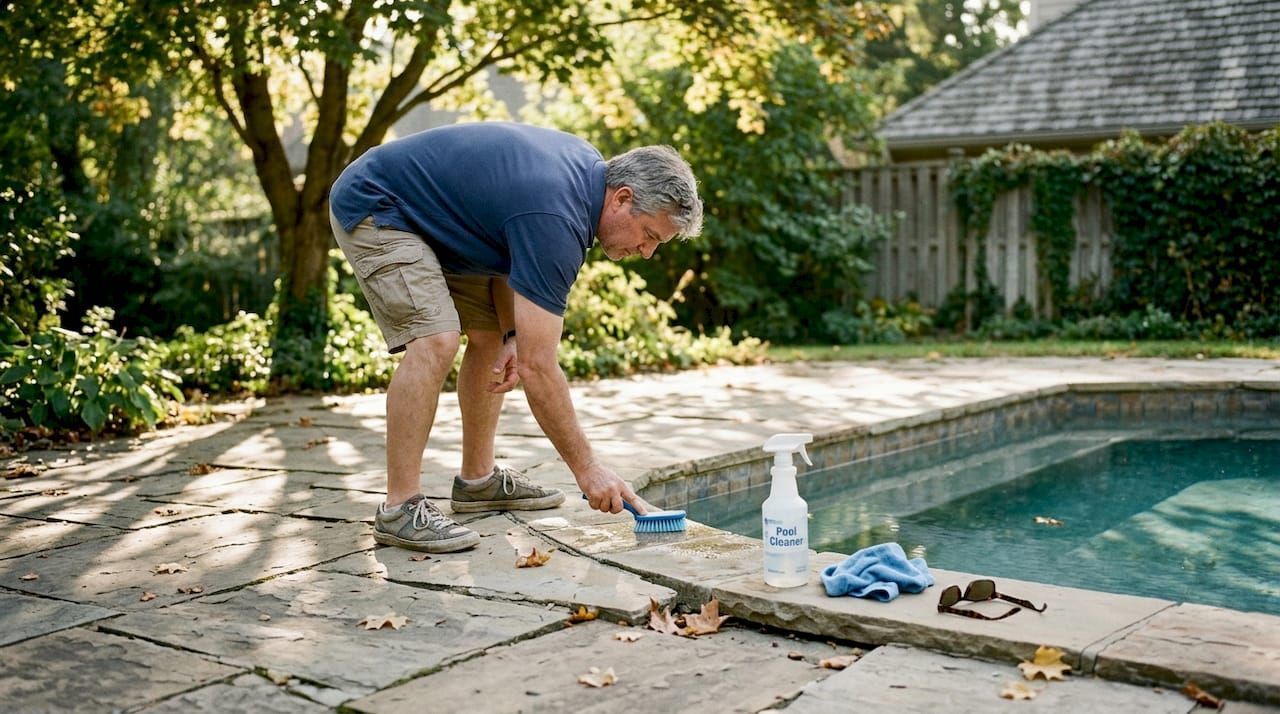
Table of Contents
- What is green cleaning and why does it matter?
- Eco-friendly solutions for pool tiles: What works best?
- Protecting natural stone: What makes it different?
- Practical strategies for homeowners and managers
- The real value of green cleaning: More than surface deep
- Eco-friendly solutions for your pool and stone surfaces
- Frequently asked questions
Key Takeaways
| Point | Details |
|---|---|
| Green cleaning is effective | Eco-friendly methods like vinegar and tea tree oil rival chemical cleaners for pool tile—and work best with regular maintenance. |
| Stone surfaces need special care | pH-neutral cleaners protect natural stone from etching and preserve its sealants far better than acids. |
| Routine matters more than product | Frequent, low-impact cleaning prevents buildup and prolongs the life of both tiles and stone. |
| Choose the right cleaner for each surface | Always check product compatibility—what works for pool tiles may damage porous stone surfaces. |
| Green cleaning saves money and health | Sustainable routines reduce chemical hazards and minimize costly repairs or replacements. |
What is green cleaning and why does it matter?
Green cleaning is not just swapping bleach for vinegar. It's a systematic approach to surface care that prioritizes biodegradable, low-VOC (volatile organic compound), and plant-based formulas that are safe for people, pets, and the environment. For pool tiles and natural stone, this matters more than most homeowners realize.
Traditional cleaners often contain phosphates, chlorine compounds, and synthetic surfactants. These can degrade grout, strip sealants, and leach into pool water or groundwater. Green cleaning products are designed to clean effectively without those side effects.
Here's what green cleaning principles cover:
- Biodegradable ingredients that break down naturally without harming aquatic ecosystems
- Low or zero VOC formulas that reduce indoor and outdoor air pollution
- pH-neutral or pH-balanced solutions that clean without corroding surfaces
- Plant-based surfactants that lift grime without synthetic residue
- Concentrated formulas that reduce plastic waste and shipping impact
One common misconception is that green cleaners are weaker. The science says otherwise. Natural cleaners like vinegar achieve comparable effectiveness to chemical options, though sometimes more slowly, and regular maintenance significantly reduces the need for aggressive deep cleaning. In the same study, bleach led with a log reduction (LR) of 3.8, while vinegar reached 2.1 to 2.9 and baking soda performed similarly. These are meaningful numbers, not negligible ones.
For surfaces like pool tiles and natural stone, the real risk isn't just bacteria. It's mineral buildup, staining, and sealant erosion. Green cleaning addresses all three when done consistently. Understanding the natural vs chemical cleaners debate helps you make smarter choices for your specific surfaces.
Pro Tip: Don't wait for visible buildup to clean. Weekly light maintenance with a green cleaner prevents the mineral scale and staining that forces you into aggressive treatments later. Learn more about hard surface eco cleaning routines that work.
Eco-friendly solutions for pool tiles: What works best?
Pool tiles face a unique combination of challenges: constant water exposure, mineral deposits from calcium and magnesium, chlorine residue, and algae. Most homeowners reach for the strongest cleaner they can find, but that often accelerates grout erosion and tile surface wear.
Here's how the most common green options compare for pool tiles:
| Cleaner | Effectiveness | Surface safety | Best use case |
|---|---|---|---|
| White vinegar | Moderate (LR 2.1-2.9) | Good on glazed tile | Light mineral scale |
| Baking soda paste | Moderate | Excellent | Scrubbing stains |
| Tea tree oil solution | Good (antimicrobial) | Excellent | Algae and mold |
| pH-neutral cleaner | High | Excellent (all tiles) | Routine maintenance |
| Bleach (diluted) | High (LR 3.8) | Moderate | Severe disinfection only |
Vinegar performs well on glazed tiles but is less effective on porous or unglazed surfaces, where it can penetrate and cause long-term damage. For most pool tile situations, a pH-neutral cleaner is the safest and most consistent choice. Explore the different pool tile cleaner types to match your tile material.
Here's a simple step-by-step process for green pool tile cleaning:
- Rinse the surface with clean water to remove loose debris and chlorine residue.
- Apply your green cleaner (diluted vinegar or a pH-neutral formula) directly to the tile line.
- Let it dwell for 3 to 5 minutes. This is where the cleaner does the work, not the scrubbing.
- Scrub gently with a soft-bristle brush. Avoid metal scrubbers that scratch glazed surfaces.
- Rinse thoroughly to remove all cleaner residue before it dries and leaves new deposits.
- Repeat weekly for light maintenance, monthly for deeper treatment.
For stubborn calcium scale, a pH-neutral tile cleaner formulated specifically for mineral deposits is more effective than vinegar alone. Calcium buildup at the waterline is one of the most common complaints from pool owners, and it responds well to targeted eco-formulas.
Pro Tip: Apply your cleaner in the cooler part of the day. Heat causes cleaners to evaporate before they can work, which means you use more product and get less result. Consistent application also helps with preventing tile stains naturally over the long term.
Protecting natural stone: What makes it different?
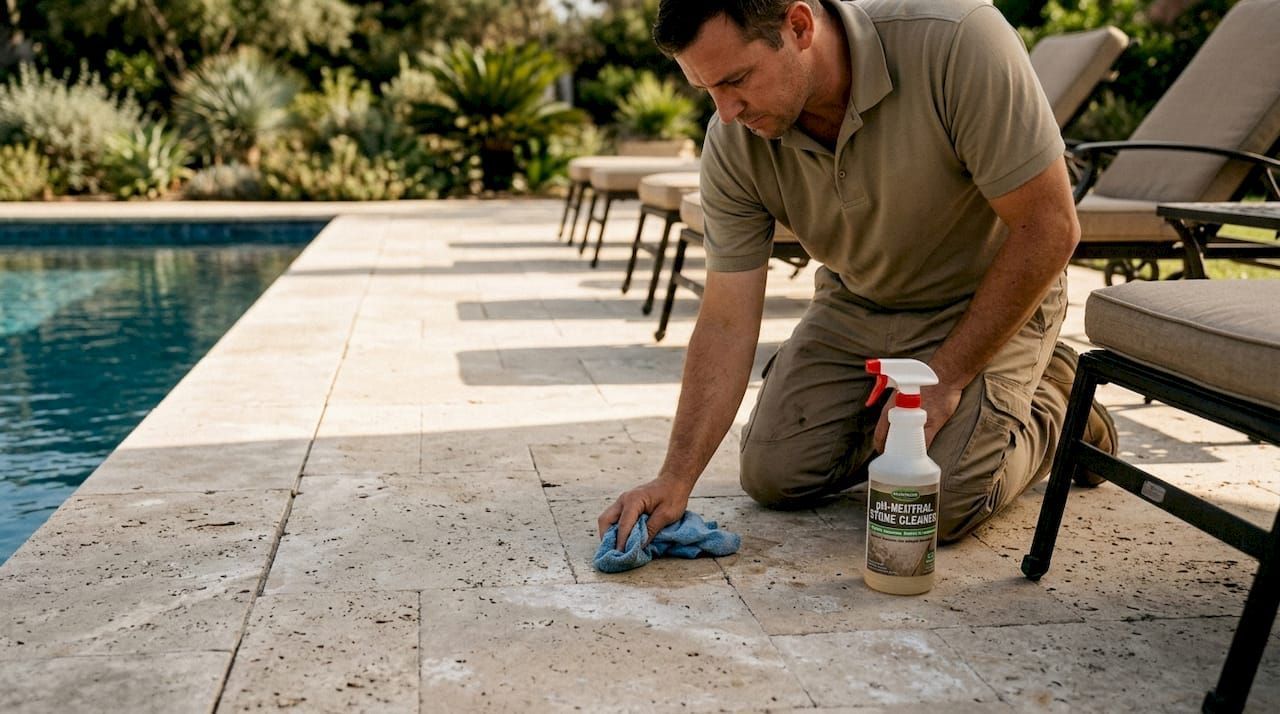
Natural stone is not the same as ceramic tile. Marble, travertine, limestone, and slate are calcareous stones, meaning they contain calcium carbonate. Acid-based cleaners, including vinegar and lemon juice, react chemically with calcium carbonate and cause etching. Etching looks like dull, rough patches where the surface has been literally dissolved.
This is the single most common and costly mistake homeowners make. They use a cleaner that works fine on pool tiles and apply it to natural stone, not realizing the surface chemistry is completely different.
Here's what eco-friendly stone care looks like in practice:
| Product type | pH range | Safe for calcareous stone | Best application |
|---|---|---|---|
| pH-neutral cleaner | 6.5 to 7.5 | Yes | Daily and weekly cleaning |
| Alkaline stone cleaner | 8 to 10 | Yes (diluted) | Grease and heavy soiling |
| Acidic cleaner (vinegar) | 2 to 3 | No | Avoid entirely |
| Intensive concentrate | 7 to 8 | Yes | Deep restoration |
Stone experts warn against acids for calcareous natural stone due to the etching risk, and eco-friendly pH-neutral formulas bridge this gap without sacrificing cleaning power. For a broader understanding of stone care, marble maintenance basics offers useful context on why surface chemistry matters so much.
For routine natural stone maintenance:
- Dust or dry mop daily to prevent abrasive particles from scratching the surface
- Use only a pH-neutral stone cleaner for weekly wet cleaning
- Avoid steam cleaners on sealed stone, as heat can break down sealants prematurely
- Blot spills immediately rather than wiping, which spreads the stain
- Reseal stone surfaces every 12 to 18 months with a low-VOC sealer
For deeper staining or restoration work, an intensive stone cleaner concentrate can lift embedded grime without the acid risk. These formulas are designed specifically for the kind of buildup that routine cleaning misses.
Remember: The word "natural" on a cleaner label does not mean it's safe for natural stone. Citrus-based and vinegar-based products are natural but highly acidic. Always check pH before applying anything to stone.
Pro Tip: Test any new cleaner on a hidden area of your stone surface first. Even certified eco-friendly products can react differently depending on the stone's finish, age, and sealing history. Browse eco-friendly stone cleaners formulated for sensitive surfaces.
Practical strategies for homeowners and managers
Knowing which products work is only half the equation. The other half is building a routine that actually gets followed. For property managers handling multiple surfaces, consistency is what separates surfaces that look great for decades from ones that need costly restoration every few years.
Regular maintenance reduces deep cleaning needs and preserves sealant integrity, which means you spend less money and time over the long run. Here's how to structure a realistic maintenance schedule:
Weekly tasks:
- Rinse pool tiles with clean water and apply a diluted green cleaner to the waterline
- Dry mop natural stone floors and wipe down stone counters with a damp pH-neutral cloth
- Check for early signs of mineral buildup or staining and treat before they set
Monthly tasks:
- Deep clean pool tile grout lines with a soft brush and a pH-neutral or plant-based formula
- Inspect stone surfaces for dull patches that may indicate sealant wear
- Apply a light coat of eco-friendly sealer to high-traffic stone areas if needed
Seasonal tasks:
- Full pool tile scrub and calcium treatment before and after swim season
- Full stone surface inspection and resealing if the water bead test fails
For troubleshooting common problems:
- Mineral scale on pool tiles: Use a concentrated eco-formula designed for calcium removal, not vinegar, which can damage grout.
- Algae on pool tiles: Tea tree oil solutions or diluted hydrogen peroxide work well without harsh chemical residue.
- Etching on stone: This requires professional polishing. Prevention is far cheaper than repair.
- Grout discoloration: A baking soda paste with a soft brush handles light staining; deeper staining needs a targeted grout cleaner.
Eco-products bridge the gap with pH-neutral formulas that work across surfaces without the compatibility risks of acid-based options. For more actionable guidance, explore maximizing cleaning effectiveness and build a complete kit using eco-friendly home essentials.
The real value of green cleaning: More than surface deep
Most cleaning guides treat green products as a feel-good alternative. We see it differently. Green cleaning is a smarter long-term strategy, and the surfaces prove it.
Here's the uncomfortable truth: many homeowners damage their pool tiles and natural stone not from neglect, but from overcleaning with the wrong products. Acid-based cleaners strip sealants. Harsh scrubbing opens up porous surfaces to deeper staining. The damage compounds quietly until restoration becomes unavoidable.
Switching to eco-friendly formulas isn't just about reducing chemical exposure. It's about choosing products that are actually compatible with your surfaces. A pH-neutral cleaner doesn't just clean gently. It cleans correctly for stone and tile chemistry. That distinction matters more than any "natural" label.
The brands and homeowners who get the best results aren't the ones using the strongest products. They're the ones using the right products consistently. That's the mindset shift that eco cleaning best practices are built on, and it's what separates surfaces that age well from ones that don't.
Eco-friendly solutions for your pool and stone surfaces
If you're ready to put these strategies into practice, Oceancare has the right tools for the job. Our product range is built around biodegradable, plant-based, and low-VOC formulas that are safe for pool tiles, natural stone, grout, and more.
From routine pool tile maintenance solutions to targeted treatments for mineral scale and algae, we've designed every product with surface compatibility in mind. If you've experienced issues with previous sealers, our guide on stone sealer problems can help you identify what went wrong and how to fix it. Explore our full lineup of top eco-friendly cleaners to find the right match for your surfaces and your values.
Frequently asked questions
Are green cleaners safe for all pool tiles?
Most green cleaners work well for glazed pool tiles, but always check compatibility before using on porous or unglazed surfaces. Vinegar on glazed tiles performs well, but it's less effective and potentially damaging on porous materials.
Can I use vinegar on natural stone surfaces?
No. Vinegar and other acids etch and damage natural stone, especially calcareous types like marble and travertine. Acids on calcareous stone cause irreversible surface damage, so always use a pH-neutral cleaner instead.
Do green cleaning methods actually work as well as chemicals?
Yes, for most routine cleaning tasks. Vinegar achieves comparable log reduction to chemical options, though it works more slowly. Consistent maintenance amplifies the results significantly.
How often should pool tile and stone surfaces be cleaned with green methods?
Weekly light cleaning is ideal for both surfaces. Regular maintenance reduces deep cleaning needs and keeps sealants intact, saving you time and money over the long run.
What is the best eco-friendly cleaner for sensitive stone surfaces?
A pH-neutral formula is the safest choice for sensitive natural stone. Eco-products with pH-neutral formulas clean effectively without the etching risk that comes with acidic or highly alkaline options.
Recommended

