Green cleaning in facilities: Eco-friendly solutions explained
TL;DR:
- Green cleaning involves a structured approach combining certified products, appropriate equipment, trained staff, and surface compatibility to ensure environmental benefits and surface safety. Merely choosing "natural" labeled products is insufficient without implementing operational systems that verify effectiveness and prevent surface damage. Success depends on understanding surface material needs, selecting certified and compatible tools, and maintaining consistent inspection and adjustment practices.
Most people assume green cleaning starts and ends with buying a bottle labeled "natural" or "plant-based." That assumption causes real problems, especially for pool owners, property managers, and homeowners responsible for maintaining natural stone, tile, and other hard surfaces. True green cleaning is a structured approach that combines certified products, the right equipment, trained staff or household habits, and strict attention to surface compatibility. Get any one of those wrong, and your "eco-friendly" routine may damage expensive surfaces, harm your health, or do nothing meaningful for the environment.
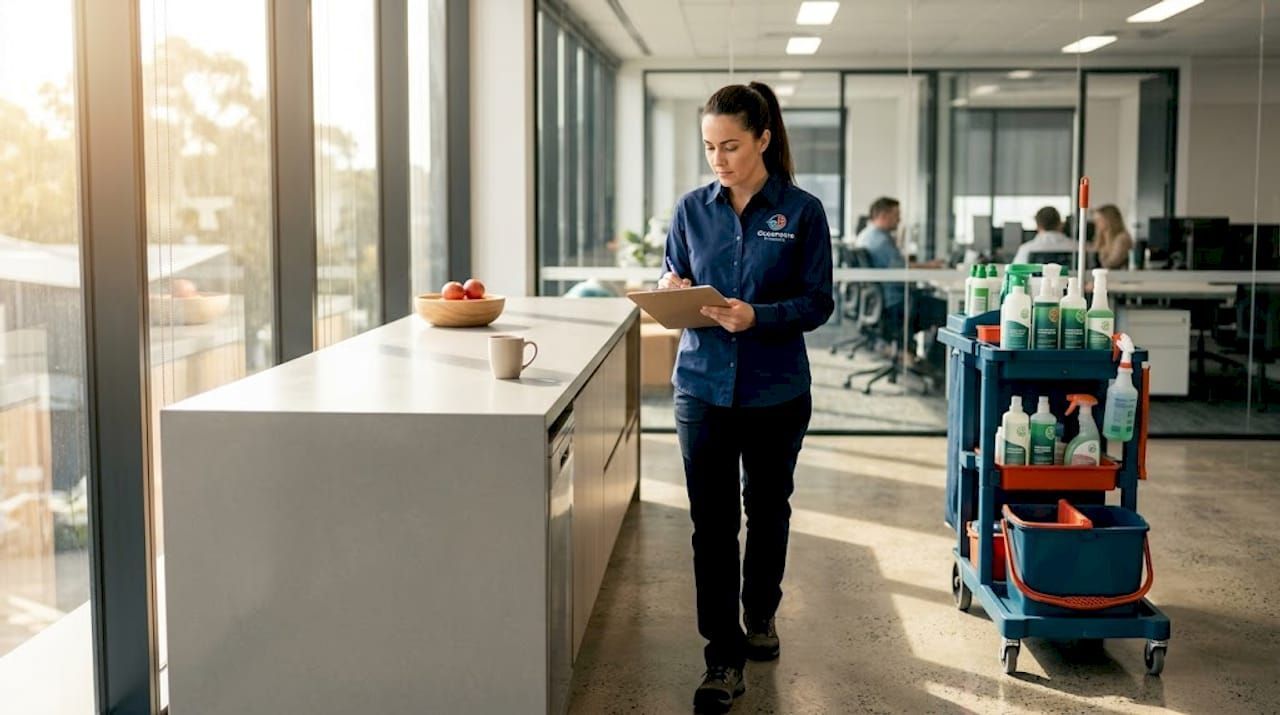
Table of Contents
- Green cleaning in facilities: What does it really mean?
- Beyond products: Operational essentials for effective green cleaning
- Choosing certified products and equipment for eco-friendly facilities
- Green cleaning for hard surfaces: Pools, natural stone, and floor finishes
- Why most green cleaning fails: What experts know that homeowners miss
- Resources and solutions: Move from knowledge to action
- Frequently asked questions
Key Takeaways
| Point | Details |
|---|---|
| Green cleaning goes beyond products | True green cleaning blends certified supplies, staff training, and outcome verification. |
| Material compatibility matters | Even eco products can cause damage if not matched to surfaces—pay special attention to stone and pools. |
| Certifications reduce risk | Look for EPA Safer Choice, Green Seal, or UL ECOLOGO on products for proven health and environmental safety. |
| Microfiber and neutral-pH tools | Microfiber and pH-neutral cleaners help protect hard floors and reduce chemical exposure. |
| Operational standards are key | Effective green cleaning is a program, not just a purchase—verification and audits make the difference. |
Green cleaning in facilities: What does it really mean?
The definition matters more than most people realize. Green cleaning in facilities is a cleaning approach that uses products, supplies, and equipment designed to reduce harm to human health and the environment. That word "reduce" is important. Green cleaning is not about achieving zero impact. It is about making deliberate choices that lower risk across the entire cleaning process.
That means green cleaning is not just a product category. It is an approach. Here is what a genuinely green cleaning program covers:
- Certified products: Look for third-party certifications like EPA Safer Choice, Green Seal, or UL ECOLOGO. These labels mean an independent body has reviewed the product's ingredients and environmental profile. A product can call itself "natural" without any of these certifications, which tells you very little about actual safety or impact.
- Safer equipment choices: Safety and environmental responsibility are typically built into green programs through equipment choices like microfiber cloths for soil capture and HEPA filtration vacuums that trap fine particulates rather than releasing them back into the air.
- Staff or user training: Knowing which product to use on which surface, at what dilution, and with what tools is not intuitive. Training closes that gap.
- Handling and exposure reduction: Even safer chemicals need proper ventilation, dilution, and contact time management.
One of the biggest misconceptions is that "green" automatically means safe for every surface or situation. It does not. Consider this: a citrus-based cleaner is plant-derived and may carry green certifications, yet it can still etch the finish on polished limestone or travertine if left in contact too long. The source of a product's ingredients does not override its chemistry.
"Green" on a label is a starting point for investigation, not a guarantee of safety or compatibility for your specific surfaces.
If you want to build genuinely eco hard surface cleaning habits, or understand low VOC cleaning practices that reduce indoor air quality risks, the foundational step is understanding what green cleaning actually requires before you buy a single product.
Beyond products: Operational essentials for effective green cleaning
Building on the concept of what green cleaning is, let's break down what actually makes a facility's cleaning program truly green and effective. The short answer: it requires a system, not just a shopping list.
A practical green cleaning program is more than swapping products. It combines procurement specs, staff training, and verification of cleaning outcomes. For homeowners, that translates to a few very practical steps.
Here is how a complete green cleaning approach differs from simply buying green-labeled products:
| Factor | Green-labeled products only | Programmatic green cleaning |
|---|---|---|
| Product selection | Anything with a "natural" claim | Certified products matched to specific tasks |
| Surface compatibility | Often ignored | Always verified before application |
| Equipment | Whatever is on hand | Microfiber, HEPA, task-appropriate tools |
| Verification | None | Regular inspection of results |
| Training | None | Clear instructions per surface type |
| Outcome consistency | Variable | Reliable and measurable |
The difference in outcomes is significant. Homeowners who follow a programmatic approach protect their investment in pool tile, natural stone countertops, and outdoor surfaces far more effectively than those who simply switch product brands.
Here is a practical numbered process for establishing safer surface care in your home or property:
- Inventory your surfaces. Know what materials you are working with: travertine, marble, porcelain tile, concrete, glass tile in pools. Each has specific chemistry requirements.
- Specify the task, not just the label. Instead of asking "is this product green?" ask "is this product certified, pH-appropriate, and designed for this surface?"
- Procure certified products. Choose products that carry EPA Safer Choice, Green Seal, or UL ECOLOGO.
- Match tools to tasks. Use microfiber cloths for wiping stone surfaces rather than abrasive scrubbers. Use appropriate dilutions and follow dwell time instructions.
- Inspect results regularly. After cleaning, check for streaking, residue, or surface changes. These are signals that your product or method is not correct for the surface.
- Adjust and document. Note what works and what does not. This sounds formal, but even a simple note on your phone saves you from repeating costly mistakes.
Pro Tip: Before using any new cleaner on natural stone or pool tile, test it in a small, hidden area for 24 hours. This simple step prevents discoloration or surface damage that can be expensive to reverse.
Choosing certified products and equipment for eco-friendly facilities
Once your program is set up, choosing the right products and tools is essential for both safety and genuine eco impact. The good news is that the certification system does a lot of the vetting work for you.
Programs often use third-party certifications and recognized chemical standards to substantiate claims and reduce risk. Here is what each major certification actually signals:
| Certification | Focus area | Issued by |
|---|---|---|
| EPA Safer Choice | Safer chemical ingredients | U.S. Environmental Protection Agency |
| Green Seal | Broad sustainability criteria | Green Seal nonprofit |
| UL ECOLOGO | Environmental performance | UL (Underwriters Laboratories) |
None of these certifications guarantee that a product is safe for every surface. They confirm that the ingredients meet defined safety and environmental standards. Matching the certified product to the right surface is still your responsibility.
Green cleaning can be built into facility operations through microfiber and HEPA equipment, staff training, and certified products working together as a system. Equipment deserves as much attention as products. Here is why:
- Microfiber mops and cloths capture up to 99% of bacteria and particulates mechanically, meaning you can clean effectively with little or no chemical. This reduces your total chemical load and environmental impact significantly.
- HEPA vacuums filter particles as small as 0.3 microns, preventing fine dust and allergens from being redistributed into the air. This matters especially in spaces with grout lines, which trap fine particulates.
- Auto-scrubbers used with diluted neutral-pH cleaners or just water can handle large hard floor areas with a fraction of the chemical input of traditional mopping.
For a solid foundation, check out eco cleaning essentials and review top eco cleaner picks specifically selected for hard surfaces and pool environments.
Green cleaning for hard surfaces: Pools, natural stone, and floor finishes
Now, let's look at how to apply these principles to real-world facility areas most prone to chemical pitfalls: pools, natural stone, and finished floors. These surfaces all share one characteristic that makes green cleaning more complex than it sounds. They are unforgiving of the wrong chemistry.
Green cleaning methodologies for hard floors often include microfiber-based soil capture and task-specific equipment choices like dust mops and auto-scrubbers that can operate with just water. This reduces chemical dependency dramatically while improving soil removal.
Here are the key principles for applying green cleaning to specific surfaces:
- Natural stone (marble, travertine, limestone, slate): These surfaces are pH-sensitive. Avoid any cleaner with a strongly acidic or strongly alkaline formula. This includes many popular "natural" cleaning solutions like white vinegar or baking soda solutions. For natural stone and pool-adjacent hard surfaces, green cleaning still requires material compatibility because some "natural" or common household acids and bleaches can cause etching, pitting, and discoloration.
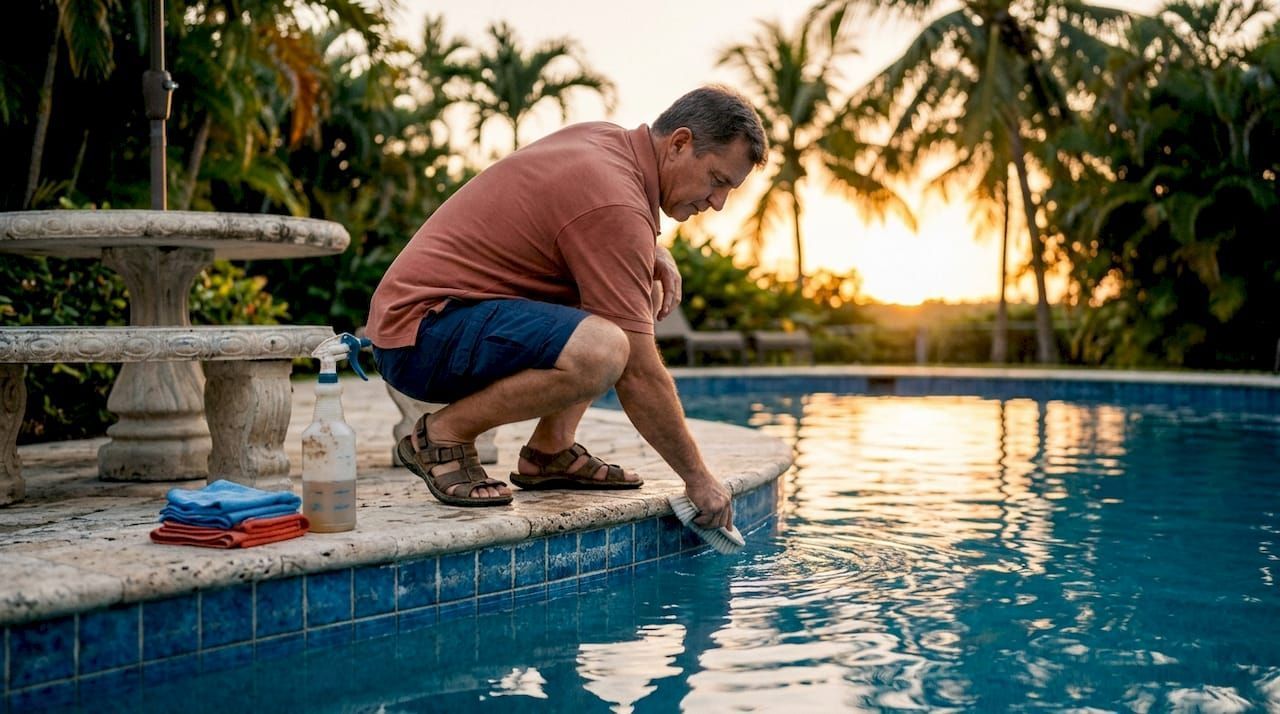
- Pool tile: Calcium deposits and biofilm are the primary challenges in pool environments. Acid-based removers will clear calcium fast, but they also degrade grout and can strip sealers. Choosing a certified, plant-based calcium releaser formulated specifically for pool tile protects the surface while maintaining an eco-responsible approach.
- Finished hard floors (polished stone, sealed concrete, wood composites): For hard surface floors where finish protection is a priority, neutral-pH cleaners are positioned as safer-for-finish green options. A neutral pH sits between 6 and 8 on the pH scale, neither acidic nor alkaline, which means it cleans without stripping the protective finish layer.
- Outdoor stone features (patios, pool decking, water features): These surfaces face UV exposure, moisture cycles, and organic debris. Use plant-based, biodegradable cleaners rated for outdoor use and follow up with a stone-specific sealer to reduce future cleaning frequency and chemical use.
Pro Tip: Never assume that a product safe for your kitchen countertop is safe for your pool tile, or vice versa. Always read the surface compatibility list on the product label, not just the certification badge.
For specific guidance, see our stone cleaner choices, our breakdown of acid-free stone safe care, and the step-by-step kitchen stone cleaning steps for applying these principles in high-use areas.
Why most green cleaning fails: What experts know that homeowners miss
Here is a perspective you won't find on most product labels or marketing pages. The majority of green cleaning efforts fail not because the products are bad, but because people treat "green" as a box to check rather than an operational standard to uphold.
Using green products without the supporting program elements such as specs, training, and audits leads to inconsistent results. Green cleaning should be treated like an operational standard with verification, not a one-time purchasing decision. We have seen this pattern repeatedly: a homeowner switches to certified products, feels good about the change, and then continues using those products in ways that undermine their effectiveness. Wrong dilution. Wrong surface. Wrong tool. The certification on the label becomes meaningless if the application is wrong.
The second major failure point is surface compatibility. Even within green cleaning, you must match chemistry to surface type, especially for natural stone, to avoid etching, discoloration, or damage that can undermine long-term environmental benefits. Here is the uncomfortable truth: damaging your travertine pool deck with the wrong "eco-friendly" cleaner means that surface will eventually need replacement. Producing, shipping, and installing new stone has a massive environmental cost. The greenest outcome is a well-maintained surface that lasts decades.
What separates homeowners who get lasting results from those who cycle through products without improvement? They think like facility managers. They define the task first. They select products based on surface requirements and verified certifications. They test before committing. And they inspect results honestly.
This facility-level mindset is not complicated, but it requires moving past the comfort of a label and into the discipline of a process. Our green cleaning best practices guide and eco stone cleaning guidance are built around this thinking, giving you the framework to apply it practically at home.
Resources and solutions: Move from knowledge to action
If you're ready to apply these principles with the right products and approach, check out the resources below.
Protecting your pool tile and natural stone starts with using products built for those exact surfaces. At Oceancare Store, every product is selected with surface compatibility, certification standards, and environmental responsibility in mind. Whether you are dealing with calcium buildup on pool tile, a worn stone sealer, or routine maintenance across multiple hard surfaces, we have solutions designed for real-world use.
Explore our pool tile restorer for tackling mineral deposits without acid damage, browse our pool tile maintenance resources for ongoing care strategies, and use our complete guide to choosing the right stone sealer to protect your investment for years. Every recommendation is rooted in the same operational approach this article outlines: match the product to the surface, verify the result, and prioritize long-term surface health alongside environmental responsibility.
Frequently asked questions
What makes a cleaning product "green" for facilities?
A product is considered green when it meets certified criteria such as EPA Safer Choice, Green Seal, or UL ECOLOGO, confirming reduced harm to human health and the environment. Programs often use third-party certifications to substantiate these claims and reduce risk beyond what a label alone can promise.
Are green cleaning products safe for all hard surfaces?
No. Some eco-friendly products can damage sensitive materials like natural stone, causing etching or discoloration. Green cleaning still requires material compatibility for pool-adjacent and stone surfaces because even household acids marketed as natural can cause lasting damage.
How do I verify if my facility's cleaning is truly green?
A genuinely green cleaning program uses certified products, matched equipment, trained users, and regular outcome inspections. A practical green cleaning program combines procurement specs, staff training, and verification of cleaning outcomes, so labels alone are never enough.
Is microfiber equipment really better than traditional mops?
Yes. Microfiber-based soil capture removes more particulates mechanically, often reducing or eliminating the need for chemical cleaners, which lowers environmental impact and exposure risk compared to traditional cotton mops.

