
Eco-friendly stone maintenance tips: protect surfaces naturally
Maintaining natural stone surfaces and pool tiles can feel overwhelming when you're trying to balance beauty, durability, and environmental responsibility. Many homeowners believe that effective stone care requires harsh chemicals, but sustainable methods actually deliver superior results while protecting both your investment and the planet. This guide walks you through practical, eco-friendly maintenance strategies tailored to different stone types, helping you preserve aesthetic appeal and extend surface life without compromising your values or safety.
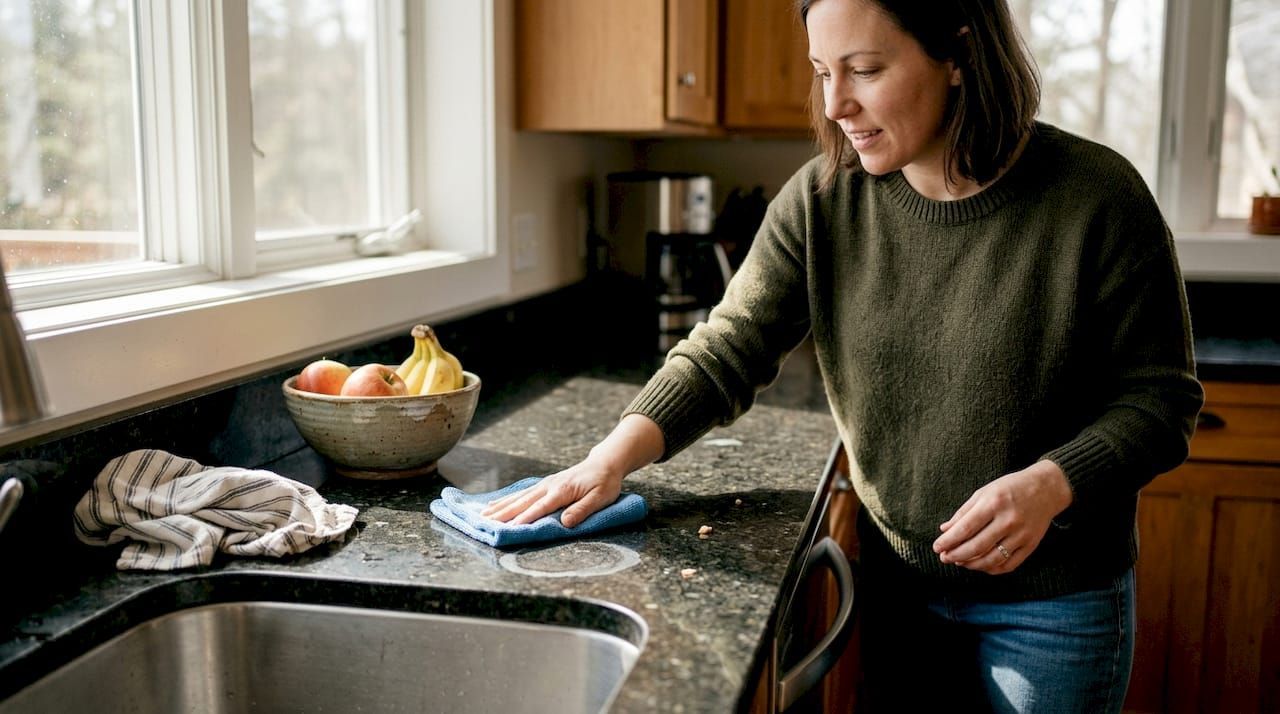
Table of Contents
- Key takeaways
- Understanding stone types and their maintenance needs
- Eco-friendly cleaning solutions for natural stone and pool tiles
- Sealing natural stone and pool tiles: benefits and best practices
- Comparing marble vs quartzite: maintenance tips and best use cases
- Explore our eco-friendly stone care products
- Frequently asked questions
Key Takeaways
| Point | Details |
|---|---|
| Calcareous vs siliceous | Calcareous stones such as marble and limestone are etched by acids, while siliceous stones resist acid damage more. |
| Sealing matters | Sealer choice should match stone porosity and composition to reduce maintenance and extend surface life. |
| Dilutable concentrates | Diluting concentrates at home cuts packaging waste and reduces overall chemical usage. |
| No rinse cleaners | No rinse formulas minimize water waste and maintain cleaning power. |
| Marble patina potential | Marble needs careful cleaning with pH neutral formulas and periodic sealing to protect its surface and allow a desirable patina to develop. |
Understanding stone types and their maintenance needs
Your stone's chemical composition determines everything about how you should clean and protect it. Calcareous stones like marble and limestone contain calcium carbonate, making them vulnerable to acid etching from everyday substances like lemon juice, vinegar, or even some cleaning products. Siliceous stones such as granite and quartzite resist acid damage far better thanks to their quartz-based composition.
This fundamental difference shapes every maintenance decision you'll make:
- Calcareous stones require pH-neutral cleaners exclusively
- Siliceous stones tolerate a wider range of cleaning solutions
- Sealer selection must match stone porosity and composition
- Frequency of resealing varies based on stone density
- Environmental exposure accelerates wear differently per stone type
Identifying your exact stone type before purchasing any cleaning product prevents costly damage. Many homeowners assume all natural stone behaves similarly, leading to etched marble countertops or ineffective cleaning on granite. Check your installation documents or consult with your stone supplier to confirm composition before proceeding with any maintenance routine.
Pro Tip: Test any new cleaner on an inconspicuous area first, even if it's labeled for your stone type. Surface finish and previous treatments can affect how products perform.
Understanding these distinctions helps you prevent tile stains naturally and avoid common mistakes with neutral tile cleaners that compromise surface integrity over time.
Eco-friendly cleaning solutions for natural stone and pool tiles
Sustainable stone care doesn't mean sacrificing cleaning power. Modern eco-friendly formulations deliver professional results while minimizing environmental impact through smart product design. Dilutable concentrates and no-rinse cleaners slash chemical waste by up to 90% compared to ready-to-use bottles, and they eliminate the water waste associated with rinsing.
The most effective eco-friendly cleaning approach combines proper product selection with technique:
- Choose pH-neutral formulas specifically designed for natural stone
- Select concentrated products you dilute at home to reduce packaging waste
- Use microfiber cloths that trap dirt without scratching surfaces
- Opt for plant-based cleaners with biodegradable surfactants
- Avoid products containing phosphates, chlorine bleach, or ammonia
Regular gentle cleaning prevents the buildup that tempts homeowners to reach for harsh chemicals. Daily or weekly maintenance with appropriate products keeps surfaces pristine without aggressive scrubbing or damaging acids. For pool tiles exposed to calcium deposits and waterline buildup, specialized eco-friendly formulas break down mineral accumulation without etching stone or harming pool chemistry.
Pro Tip: Create your own maintenance schedule based on traffic patterns. High-use kitchen counters need daily attention, while pool coping might only require weekly cleaning during swim season.
Many eco-friendly stone cleaners now incorporate enzymes that digest organic stains naturally, offering powerful cleaning without synthetic chemicals. These biological cleaners work especially well on outdoor stone where leaves, pollen, and organic debris accumulate. Pairing proper cleaning products with natural stain prevention tips creates a comprehensive maintenance system that protects your investment sustainably.
Sealing natural stone and pool tiles: benefits and best practices
Sealing creates an invisible protective barrier that dramatically reduces maintenance demands while extending surface life. Properly sealed natural stone pool decks reduce maintenance by 30% and last two to three times longer than unsealed concrete alternatives. This protection works by filling microscopic pores in the stone, preventing liquids and stains from penetrating while still allowing the stone to breathe.
The sealing process requires careful execution for optimal results:
- Clean the surface thoroughly with appropriate stone cleaner
- Allow stone to dry completely, typically 24-48 hours
- Apply penetrating sealer evenly using foam applicator or sprayer
- Remove excess sealer within recommended timeframe
- Allow full cure time before exposing surface to water or traffic
- Apply second coat if stone absorbs first application quickly
Sealer selection matters as much as application technique. Penetrating sealers work best for most natural stone because they protect from within without altering appearance. Topical sealers create surface films that can yellow, peel, or trap moisture underneath. For pool areas, choose sealers rated for wet environments and UV exposure to prevent premature breakdown.
| Stone Type | Sealing Frequency | Recommended Sealer Type |
|---|---|---|
| Marble (indoor) | Every 6-12 months | Penetrating, non-yellowing |
| Granite (outdoor) | Every 1-2 years | UV-resistant penetrating |
| Limestone (pool deck) | Every 6-9 months | Wet-environment rated |
| Quartzite (any location) | Every 1-3 years | Standard penetrating |
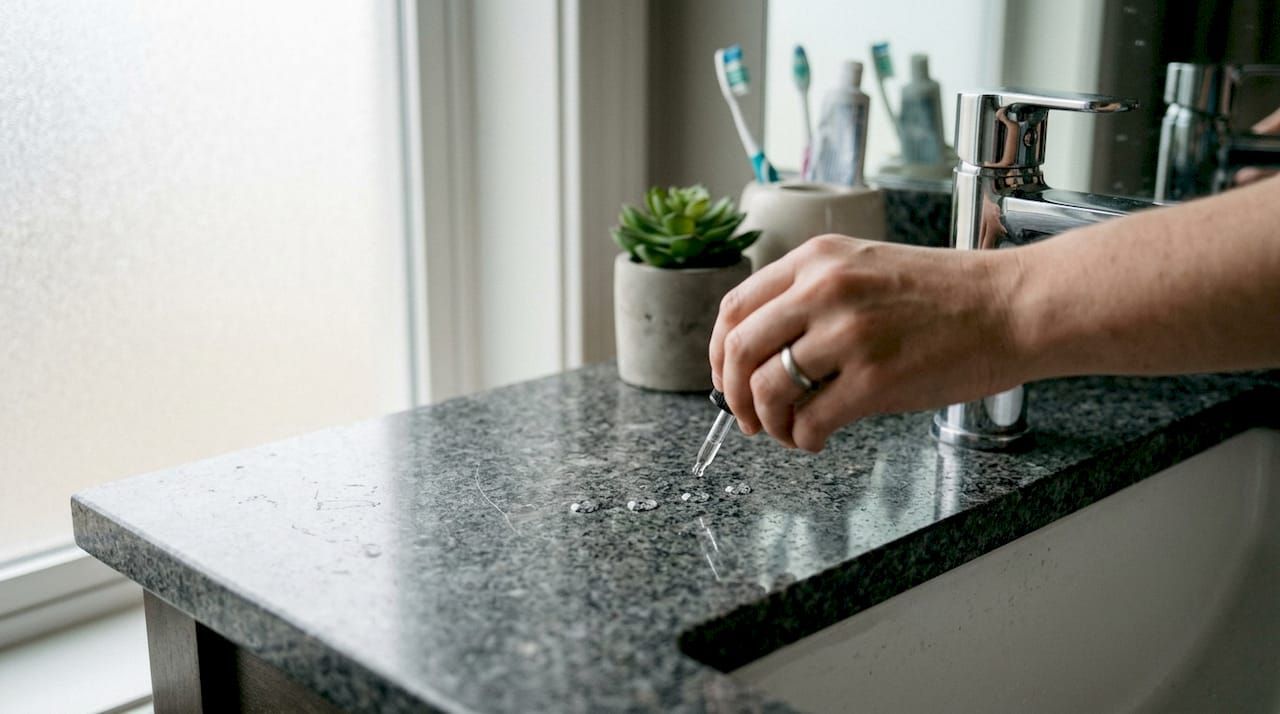
Pro Tip: Perform a water drop test to check if resealing is needed. Place a few drops of water on the stone; if they bead up, your sealer is still working. If water soaks in within a few minutes, it's time to reseal.
Exploring reasons to seal natural stone and selecting sustainable stone sealers ensures your protective treatments align with eco-friendly values. For specific guidance on pool applications, review this pool tile sealing guide that addresses unique challenges of wet environments.
Comparing marble vs quartzite: maintenance tips and best use cases
The marble versus quartzite decision represents a classic tradeoff between traditional elegance and practical durability. Marble requires high maintenance due to acid sensitivity but develops a desirable patina that many homeowners cherish, while quartzite delivers marble's aesthetic without the constant vigilance. Understanding these differences helps you choose the right stone for each application in your home.
| Feature | Marble | Quartzite |
|---|---|---|
| Acid resistance | Low (etches easily) | High (minimal etching) |
| Maintenance level | High (frequent sealing, careful cleaning) | Moderate (standard stone care) |
| Patina development | Yes (valued by many) | Minimal |
| Cost | Moderate to high | High |
| Best applications | Low-traffic areas, bathrooms | Kitchens, outdoor areas, pool surrounds |
Marble's vulnerability to acids means everyday items pose risks. Coffee, wine, citrus fruits, and many cleaning products can etch the surface, creating dull spots that require professional restoration. However, some homeowners embrace this characteristic, viewing the evolving patina as part of marble's charm and authenticity. If you choose marble, commit to immediate spill cleanup and use coasters, trivets, and cutting boards religiously.
Quartzite offers a compelling alternative for those who want marble's veining and elegance without the stress:
- Resists etching from acidic substances
- Requires less frequent sealing
- Tolerates wider range of cleaning products
- Maintains consistent appearance over time
- Performs well in high-traffic and outdoor settings
Pro Tip: True quartzite is often confused with quartzite-patterned marble or soft quartzite (which is actually metamorphosed sandstone). Verify your stone's hardness by attempting to scratch it with a knife; real quartzite won't scratch easily.
"Marble countertops demand respect and care, but for those willing to maintain them properly, they offer unmatched beauty and a living surface that tells the story of your home." - Ed Stone Inc.
For pool surrounds and outdoor kitchens, quartzite's durability makes it the practical choice. In formal powder rooms or low-traffic spaces where you can control exposure, marble's timeless appeal might justify the extra maintenance. Review eco-friendly stone cleaning tips and understand stone sealer issues before committing to either material.
Explore our eco-friendly stone care products
You've learned the principles of sustainable stone maintenance, now discover products designed to make these practices effortless. Our curated selection focuses on plant-based, biodegradable formulas that protect your natural stone and pool tiles without compromising environmental values or surface integrity.
Every product in our pool tile maintenance solutions line meets strict standards for safety and effectiveness. From penetrating stone and grout sealers that extend surface life to concentrated cleaners that minimize waste, we've eliminated the guesswork from eco-friendly stone care. Our eco-friendly cleaning essentials collection provides everything you need to implement the strategies outlined in this guide, backed by expert support and detailed application instructions.
Frequently asked questions
How often should I seal my natural stone and pool tiles?
Sealing frequency depends on stone type, location, and exposure to water or traffic. Most indoor surfaces need resealing every 6-12 months, while protected outdoor areas can go 1-2 years between applications. Pool tiles and high-moisture areas require more frequent sealing, typically every 6-9 months, because constant water exposure breaks down sealers faster. Perform the water drop test quarterly to monitor sealer effectiveness rather than following a rigid schedule. For detailed guidance on pool-specific applications, check this pool tile sealing frequency resource.
What are the main eco-friendly stone cleaners recommended?
The best sustainable options include pH-neutral formulas, no-rinse cleaners, and concentrated products you dilute at home. Look for plant-based surfactants, biodegradable ingredients, and products free from phosphates, chlorine bleach, and ammonia. Dilutable concentrates reduce packaging waste by up to 90% while delivering professional cleaning power. Never use acidic cleaners like vinegar or lemon juice on calcareous stones, as they cause permanent etching damage. Explore our eco-friendly stone cleaners list for specific product recommendations tailored to different stone types and applications.
How can I prevent acid etching on marble surfaces?
Preventing marble etching requires vigilance and proper product selection. Immediately wipe up any acidic spills including coffee, wine, citrus juices, and tomato-based foods before they contact the surface for more than a few seconds. Use only pH-neutral cleaners specifically formulated for marble, and apply quality penetrating sealers every 6-12 months to provide a protective barrier. Place coasters under all drinks, use cutting boards for food prep, and avoid setting hot pans directly on marble. Review these marble etching prevention tips for comprehensive protection strategies.
Is quartzite a better choice than marble for pool areas?
Quartzite significantly outperforms marble in pool environments due to superior acid resistance and durability. Pool chemicals, sunscreen, and outdoor exposure create harsh conditions that accelerate marble etching and staining. Quartzite handles these challenges while maintaining its appearance with standard maintenance routines. Marble around pools requires constant vigilance, frequent resealing, and often develops a weathered patina that some find undesirable in outdoor settings. For pool decks, coping, and outdoor kitchens, quartzite delivers marble's elegant veining with practical performance. Learn more about stone selection for pools to make informed material decisions for your outdoor spaces.
Recommended

