
Why choose biodegradable products for natural stone care
You've probably heard that eco-friendly cleaners can't tackle tough grime on natural stone or pool surfaces as effectively as traditional chemicals. This misconception keeps many homeowners stuck using harsh products that damage delicate surfaces and expose families to unnecessary toxins. The truth is that biodegradable, plant-based cleaners deliver comparable cleaning power while protecting your investment and health. This guide reveals how these alternatives work, why they're safer for your family and surfaces, and when to use them for optimal results.
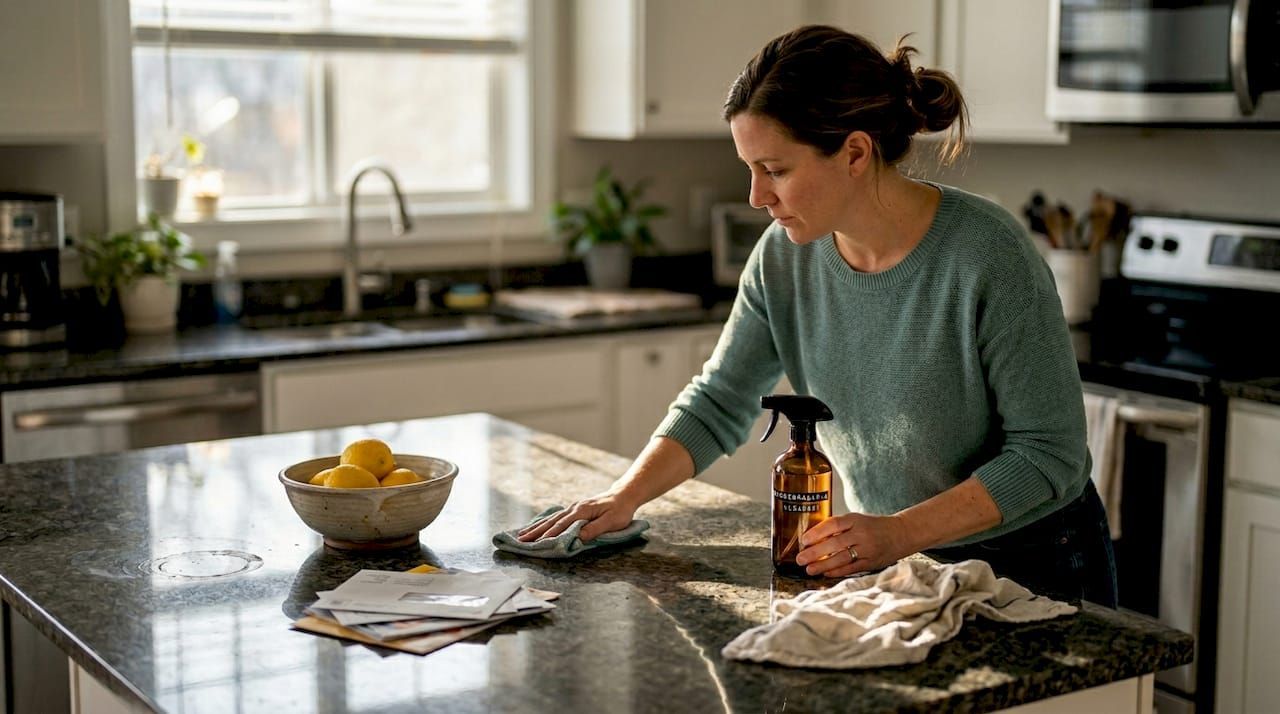
Table of Contents
- Key takeaways
- How biodegradable products work and their environmental benefits
- Health and surface safety benefits of biodegradable cleaners
- Comparing cleaning performance: biodegradable versus traditional products
- Practical tips for choosing and using biodegradable cleaners for your home
- Explore safe biodegradable cleaning solutions for your home
- FAQ
Key Takeaways
| Point | Details |
|---|---|
| Rapid biodegradation | Biodegradable cleaners break down quickly into harmless components and reduce toxic residues while lowering greenhouse gas emissions. |
| Safer for families | Plant based formulas reduce exposure to harsh chemicals for families and pets. |
| Stone and pool safe | pH neutral formulations protect natural stone and pool surfaces from damage. |
| Comparable cleaning power | Natural alternatives deliver cleaning power comparable to conventional products while rinsing clean and avoiding residue buildup. |
How biodegradable products work and their environmental benefits
Biodegradable cleaners leverage natural microorganisms to break down rapidly into harmless components like water and carbon dioxide. Unlike conventional chemical cleaners that persist in the environment for years, these plant-based formulas decompose within weeks when exposed to soil bacteria and moisture. This biological breakdown process prevents toxic residues from accumulating in your yard, seeping into groundwater, or washing into storm drains that feed local waterways.
The environmental advantages extend far beyond simple decomposition. When you clean pool tiles or outdoor stone features with biodegradable products, runoff carries fewer pollutants into ecosystems. Traditional cleaners contribute to eutrophication, where excess nutrients trigger algae blooms that suffocate aquatic life by depleting oxygen levels. Natural alternatives achieve equal microbial performance with a lower carbon footprint and reduced eutrophication risk, protecting fish, plants, and beneficial microbes in nearby streams and ponds.
Green cleaning products can reduce greenhouse gas emissions by up to 20% compared to petroleum-based alternatives. Manufacturing plant-derived surfactants requires less energy than synthesizing chemical compounds from fossil fuels. The production process generates fewer volatile organic compounds that contribute to smog and climate change. Every bottle you choose supports cleaner air and a healthier atmosphere.
Microbial and enzymatic breakdown also prevents residue buildup in pool water and on stone surfaces. Chemical cleaners often leave invisible films that attract dirt faster and cloud water clarity over time. Biodegradable formulas rinse completely clean, maintaining the natural beauty of your surfaces without creating sticky layers. This means less frequent deep cleaning and better long-term preservation of your investment. Choosing natural over chemical cleaners supports both immediate cleaning needs and ongoing pool tile maintenance without environmental compromise.
"Switching to biodegradable cleaners transformed our pool maintenance routine. The water stays clearer longer, and I don't worry about my kids swimming in chemical residue anymore." - Rachel M., Florida homeowner
Health and surface safety benefits of biodegradable cleaners
Traditional chemical cleaners pose serious health risks that many homeowners underestimate. Ammonia, chlorine bleach, and quaternary ammonium compounds trigger allergic reactions, skin irritation, and respiratory problems, especially in children whose developing lungs are more vulnerable. Pets that walk across freshly cleaned floors absorb toxins through their paws and ingest them during grooming. Long-term exposure to these substances has been linked to asthma development and chronic respiratory conditions.
Biodegradable cleaners eliminate these dangers by using plant-based, non-toxic ingredients derived from coconut oil, corn, and citrus peels. These formulas clean effectively without releasing harsh fumes or leaving residues that irritate skin on contact. Families with young children, elderly members, or anyone with chemical sensitivities can clean confidently knowing they're not introducing harmful substances into their living spaces. The peace of mind alone makes the switch worthwhile.
pH-neutral formulations protect natural stone from the erosion and discoloration that acidic or alkaline cleaners cause. Granite, marble, limestone, and travertine all contain calcium carbonate that reacts poorly to extreme pH levels. Harsh chemicals etch surfaces, creating dull spots and rough textures that trap dirt and require expensive restoration. Plant-based, pH-neutral formulas prevent this damage by working within the safe 6.5 to 8.5 pH range that stone tolerates.
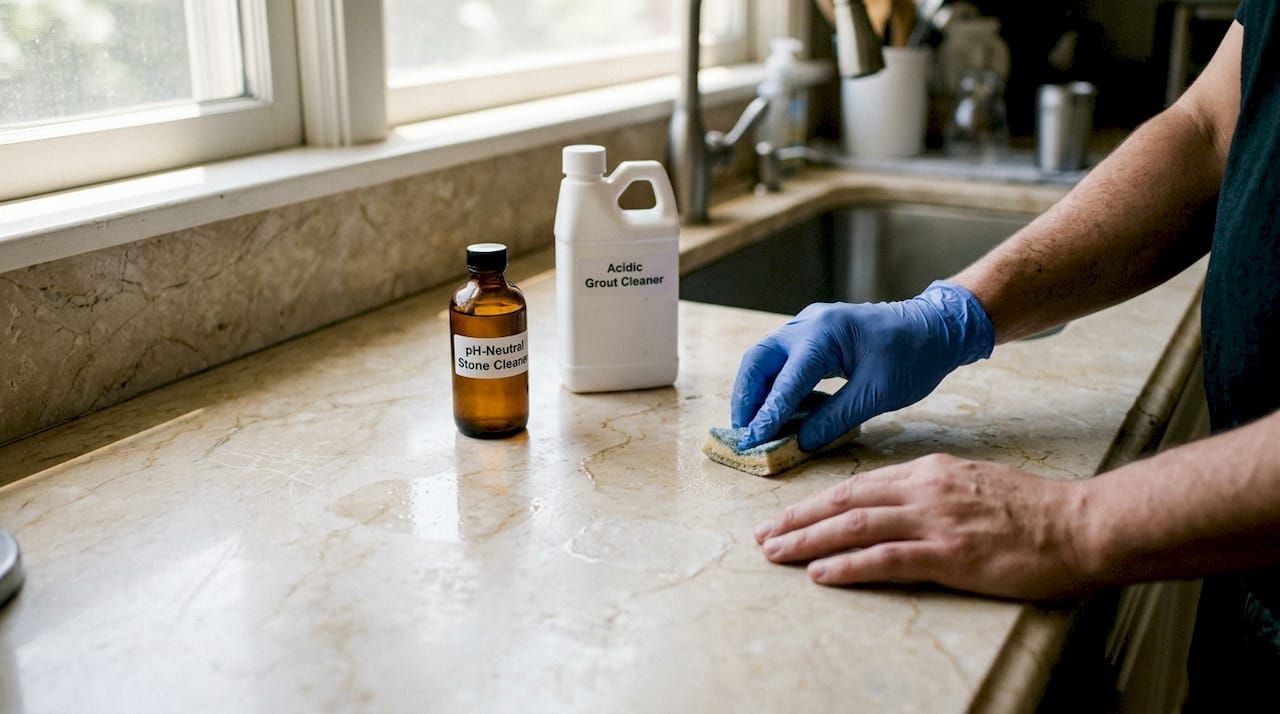
Not all eco-labeled products are stone-safe, however. Acidic cleaners marketed as natural, such as straight vinegar or citric acid solutions, can damage calcareous stones like granite or marble just as severely as chemical acids. Always verify that your biodegradable cleaner is specifically pH-neutral and safe for natural stone before applying it to expensive surfaces. Testing a small inconspicuous area first reveals any adverse reactions before you commit to cleaning the entire surface.
Resealing stone after cleaning helps maintain protective barriers that repel stains and moisture. Even gentle biodegradable cleaners can gradually wear down existing sealers over multiple applications. Plan to reseal high-traffic areas annually and less-used surfaces every two to three years. Physical scrubbing with soft brushes enhances cleaning efficacy on textured or porous stone surfaces where dirt embeds in tiny crevices. Combining proper tools with safe cleaners delivers professional results without professional costs. Explore top eco-friendly stone cleaners and learn common mistakes to avoid for optimal surface care.
Pro Tip: Keep a spray bottle of pH-neutral biodegradable cleaner under your sink for quick daily touch-ups. Regular light cleaning prevents heavy buildup that requires aggressive scrubbing or stronger products.
Comparing cleaning performance: biodegradable versus traditional products
The effectiveness debate between biodegradable and chemical cleaners often relies on outdated assumptions. Recent research shows that vinegar and tea tree oil achieve microbial log reductions comparable to quaternary ammonium compounds, the active ingredients in most commercial disinfectants. In controlled testing, 5% vinegar solutions produced log reductions of 2.1 to 3.6 against common household bacteria, while QAC products achieved 2.8 to 3.5. This narrow performance gap disappears entirely for routine cleaning tasks that don't require medical-grade disinfection.
Biodegradable cleaners may struggle with heavy mold infestations, deep mildew stains, or extremely porous surfaces where contaminants penetrate beyond surface reach. These challenging scenarios sometimes demand the aggressive action that only concentrated chemicals provide. However, most homeowners rarely encounter such extreme conditions in regular maintenance. Weekly cleaning of pool tiles, kitchen counters, and bathroom stone prevents buildup from reaching levels that require chemical intervention.
| Cleaning Scenario | Biodegradable Performance | Chemical Performance | Best Choice |
|---|---|---|---|
| Routine surface cleaning | Excellent | Excellent | Biodegradable (safer) |
| Light calcium deposits | Good with scrubbing | Excellent | Biodegradable first |
| Heavy mold/mildew | Fair to good | Excellent | Chemical (sparingly) |
| Daily pool tile maintenance | Excellent | Excellent | Biodegradable (safer) |
| Porous stone deep cleaning | Good with physical effort | Good | Biodegradable plus scrubbing |
Traditional chemicals deliver stronger immediate disinfection but create ongoing risks to health and environment that accumulate with repeated use. While biodegradable products excel at routine cleaning, knowing when chemicals are genuinely necessary prevents both surface damage from overuse and inadequate cleaning in critical situations. The key is matching product strength to actual need rather than defaulting to maximum power for every task.
Hybrid approaches combining biodegradable products with proper physical cleaning optimize results across most situations. A quality pH-neutral cleaner paired with a stiff nylon brush removes calcium scale and organic stains from textured pool tiles without etching the surface. The mechanical action compensates for any gap in chemical strength while protecting your investment. This strategy delivers professional-level cleanliness using safer products.
Choosing EPA Safer Choice certified cleaners ensures both efficacy and safety. This certification requires rigorous testing of ingredient safety and cleaning performance, eliminating products that sacrifice effectiveness for green marketing. Look for the distinctive label on bottles before purchasing. Learn more cleaning hacks for homeowners and explore types of pool tile cleaners to find your ideal match.
Pro Tip: Reserve traditional chemical cleaners for annual deep cleaning or emergency situations only. Using biodegradable products for 90% of your cleaning tasks dramatically reduces chemical exposure while maintaining spotless surfaces.
Practical tips for choosing and using biodegradable cleaners for your home
Selecting the right biodegradable cleaner starts with understanding certifications and ingredient lists. Prioritize EPA Safer Choice certified products that have undergone independent testing for both safety and performance. This certification verifies that every ingredient meets strict human health and environmental criteria without sacrificing cleaning power. Beware of vague marketing terms like "natural" or "green" that lack regulatory definitions and often signal greenwashing.
Follow these steps to choose and apply biodegradable cleaners safely:
- Verify the product is pH-neutral, typically between 6.5 and 8.5, to protect natural stone from etching
- Check that plant-based surfactants appear high on the ingredient list, indicating sufficient concentration for effective cleaning
- Confirm the label specifically states safety for your surface type, whether granite, marble, limestone, or pool tile
- Test any new cleaner on a hidden spot, such as behind a toilet or under a pool coping, waiting 24 hours to check for discoloration
- Apply the cleaner according to label directions, allowing proper dwell time for active ingredients to break down soils
- Rinse thoroughly with clean water to remove all residue and prevent dulling or streaking
- Reseal natural stone surfaces after cleaning to restore protective barriers
Avoid acidic cleaners that may etch or dull natural stones like granite or marble, even if marketed as eco-friendly. Straight vinegar, lemon juice, and citric acid solutions all fall below the safe pH threshold for calcareous stone. These products work wonderfully on glass, stainless steel, and ceramic but cause permanent damage to stone surfaces. When in doubt, choose a certified pH-neutral formula designed specifically for natural stone care.
Test cleaners on small areas before full application, especially on expensive or antique stone. Apply a quarter-size amount to an inconspicuous spot, let it sit for the recommended time, then rinse and dry completely. Inspect under good lighting for any dulling, discoloration, or texture changes. This simple precaution prevents costly mistakes on visible surfaces.
After cleaning, reseal natural stone surfaces to maintain protection against stains and moisture penetration. Most sealers wear down gradually through cleaning and foot traffic. High-traffic kitchen islands and pool decks need annual resealing, while bathroom vanities and outdoor pavers can go two to three years between applications. Choose low-VOC, water-based sealers that align with your eco-friendly cleaning philosophy.
Combine biodegradable cleaners with proper physical scrubbing for textured or porous surfaces where dirt embeds deeply. Soft nylon brushes, microfiber cloths, and non-abrasive scrubbing pads enhance cleaning power without scratching delicate finishes. The mechanical action lifts embedded particles that chemicals alone might miss, especially in grout lines and textured pool tile.
Store products safely away from children and pets, even though biodegradable formulas pose lower toxicity risks than traditional cleaners. Concentrated plant-based surfactants can still cause stomach upset if ingested in quantity. Keep bottles in locked cabinets or high shelves, and never transfer cleaners to unmarked containers that could be mistaken for beverages.
Recognize when traditional cleaners may be necessary for heavy-duty disinfecting after illness or severe contamination, using them sparingly. A stomach virus outbreak or sewage backup requires medical-grade disinfection that biodegradable products may not provide. In these rare situations, use EPA-registered disinfectants according to label directions, then return to eco-friendly products for routine maintenance. Discover common mistakes to avoid, explore natural stone sealers, and learn pool tile maintenance best practices for comprehensive surface care.
Pro Tip: Create a cleaning schedule that alternates between light daily maintenance with biodegradable spray cleaners and deeper monthly scrubbing. This rhythm prevents buildup while minimizing product use and effort.
Explore safe biodegradable cleaning solutions for your home
You now understand how biodegradable cleaners protect your family's health while preserving the beauty of natural stone and pool surfaces. Making the switch doesn't mean compromising on cleanliness or spending hours scrubbing. The right products deliver professional results with minimal effort.
Our home essential cleaners combine plant-based ingredients with pH-neutral formulations designed specifically for delicate surfaces. Each product undergoes rigorous testing to ensure it cleans effectively without damaging stone or leaving harmful residues. Discover eco-friendly cleaning essentials that transform your maintenance routine from a chemical-heavy chore into a safe, simple practice. The Clean & Seal product offers a unique two-in-one solution that cleans thoroughly while simultaneously resealing surfaces for ongoing protection. Browse our complete collection to find formulas customized for your specific stone types and cleaning challenges.
FAQ
Are biodegradable cleaning products really effective?
Yes, natural alternatives achieve microbial reductions comparable to chemical disinfectants in controlled testing. Vinegar and tea tree oil solutions produced log reductions of 2.1 to 3.6 against common household bacteria, matching the 2.8 to 3.5 range of quaternary ammonium compounds. For routine cleaning tasks that don't require medical-grade disinfection, biodegradable products deliver excellent results. Combining them with proper physical scrubbing enhances effectiveness on textured or porous surfaces.
Can acidic biodegradable cleaners damage natural stone?
Absolutely. Acidic cleaners with pH below 5 can etch stones like granite or marble, causing permanent dull spots and rough textures. Vinegar, lemon juice, and citric acid solutions all fall into this dangerous category despite being marketed as eco-friendly. Always choose pH-neutral certified biodegradable products specifically formulated for natural stone care. Test any new cleaner on a hidden spot before applying it to visible surfaces.
How do I ensure my cleaning products are truly eco-friendly?
Look for EPA Safer Choice certification on product labels, which verifies rigorous testing of ingredient safety and cleaning performance. This third-party validation eliminates products that sacrifice effectiveness for green marketing claims. Read ingredient lists carefully, prioritizing plant-based surfactants over synthetic chemicals. Research unfamiliar ingredients using reputable databases. Beware of vague terms like "natural" or "green" that lack regulatory definitions and often signal greenwashing attempts.
How often should I reseal natural stone after cleaning?
Resealing frequency depends on surface traffic and exposure. High-traffic kitchen counters and pool decks need annual resealing to maintain protective barriers against stains and moisture. Bathroom vanities and outdoor pavers in covered areas can go two to three years between applications. Even gentle biodegradable cleaners gradually wear down existing sealers over multiple uses. Choose low-VOC, water-based sealers that align with your eco-friendly philosophy. Test water absorption by placing a few drops on the surface; if they soak in within minutes rather than beading up, it's time to reseal.
Recommended

