
Why Seal Natural Stone Surfaces: Essential Protection
Why Seal Natural Stone Surfaces: Essential Protection
Every eco-conscious homeowner knows the struggle of preserving stunning natural stone while protecting health and the planet. Surface vulnerabilities caused by stone porosity can open the door to unwanted moisture, stains, and structural decay. Porosity and pore structure directly shape a stone’s durability , influencing its response to environmental stressors like humidity and temperature swings. This guide explores the science behind stone porosity, introduces non-toxic sealing solutions, and helps you safeguard your stone surfaces with confidence.

Table of Contents
Key Takeaways
| Point | Details |
|---|---|
| Understanding Porosity | Stone porosity, consisting of total and effective porosity, significantly affects the material’s vulnerability to environmental stressors. |
| Choosing the Right Sealer | The type of stone sealer selected—penetrating, topical, or enhancing—should align with the stone’s porosity and the specific environmental conditions it faces. |
| Environmental Risks of Unsealed Stone | Unsealed natural stone is susceptible to water penetration and chemical degradation, which can lead to irreversible damage over time. |
| Long-Term Benefits of Sealing | Proper sealing protects the aesthetic and structural integrity of stone surfaces, minimizing maintenance needs and prolonging lifespan. |
Stone Porosity and Surface Vulnerabilities
Natural stone surfaces are complex materials with microscopic networks of interconnected spaces that dramatically influence their durability and performance. Porosity represents the volume of these internal voids, which can range from barely perceptible to extensively networked, directly impacting the stone’s vulnerability to environmental stressors.
Understanding stone porosity requires examining two critical characteristics: total porosity and effective porosity. Detailed pore characterization techniques reveal how these microscopic structures determine stone’s ability to resist moisture, chemical penetration, and structural degradation. Different stone types exhibit varying porosity levels, which influence their susceptibility to damage.
The implications of stone porosity are significant for surface protection:
- Highly porous stones absorb liquids more readily
- Connected pore networks increase vulnerability to staining
- Larger pore sizes accelerate potential degradation mechanisms
- Unprotected surfaces experience faster moisture-related deterioration
Environmental factors like temperature fluctuations, humidity, and chemical exposure directly interact with these porous structures. Quantifying pore structures becomes critical in predicting how different stone surfaces will respond to potential damage sources.
Pro tip: Always conduct a simple water absorption test on natural stone surfaces to assess their baseline porosity before selecting an appropriate sealing strategy.
Types of Natural Stone Sealers Explained
Natural stone protection requires a nuanced understanding of different sealer types, each designed to address specific surface vulnerabilities. The primary categories of stone sealers include penetrating sealers , topical sealers , and enhancing sealers , each offering unique protective characteristics for various stone surfaces.
Stone impregnating sealers represent a sophisticated approach to surface protection. These advanced solutions primarily use silanes and siloxanes that chemically bond within the stone’s microscopic pores, creating a robust hydrophobic barrier without altering the stone’s natural appearance.
The three primary sealer categories include:
-
Penetrating Sealers
- Absorb into stone pores
- Preserve natural stone appearance
- Provide invisible protection
- Ideal for high-traffic areas
-
Topical Sealers
- Form protective surface film
- Maximum stain resistance
- May slightly alter stone appearance
- Require more frequent maintenance
-
Enhancing Sealers
- Deepen stone’s natural color
- Provide ‘wet look’ finish
- Offer moderate protection
- Aesthetic and functional benefits
Natural stone sealer classifications reveal that selecting the right product depends on multiple factors, including stone porosity, environmental conditions, and desired visual outcome. Professionals recommend evaluating the specific stone type, its location, and anticipated wear before choosing a sealing strategy.
Here’s a quick reference comparing common types of natural stone sealers and their recommended usage environments:
| Sealer Type | Best for Surface | Typical Application Areas | Maintenance Frequency |
|---|---|---|---|
| Penetrating Sealer | Absorbent stone | Kitchens, entrances | Every 3-5 years |
| Topical Sealer | All stone types | Bathrooms, indoor floors | Annually |
| Enhancing Sealer | Decorative stone | Accent walls, fireplaces | Every 2-3 years |
Pro tip: Always perform a small test application in an inconspicuous area to verify the sealer’s compatibility and aesthetic results before full surface treatment.
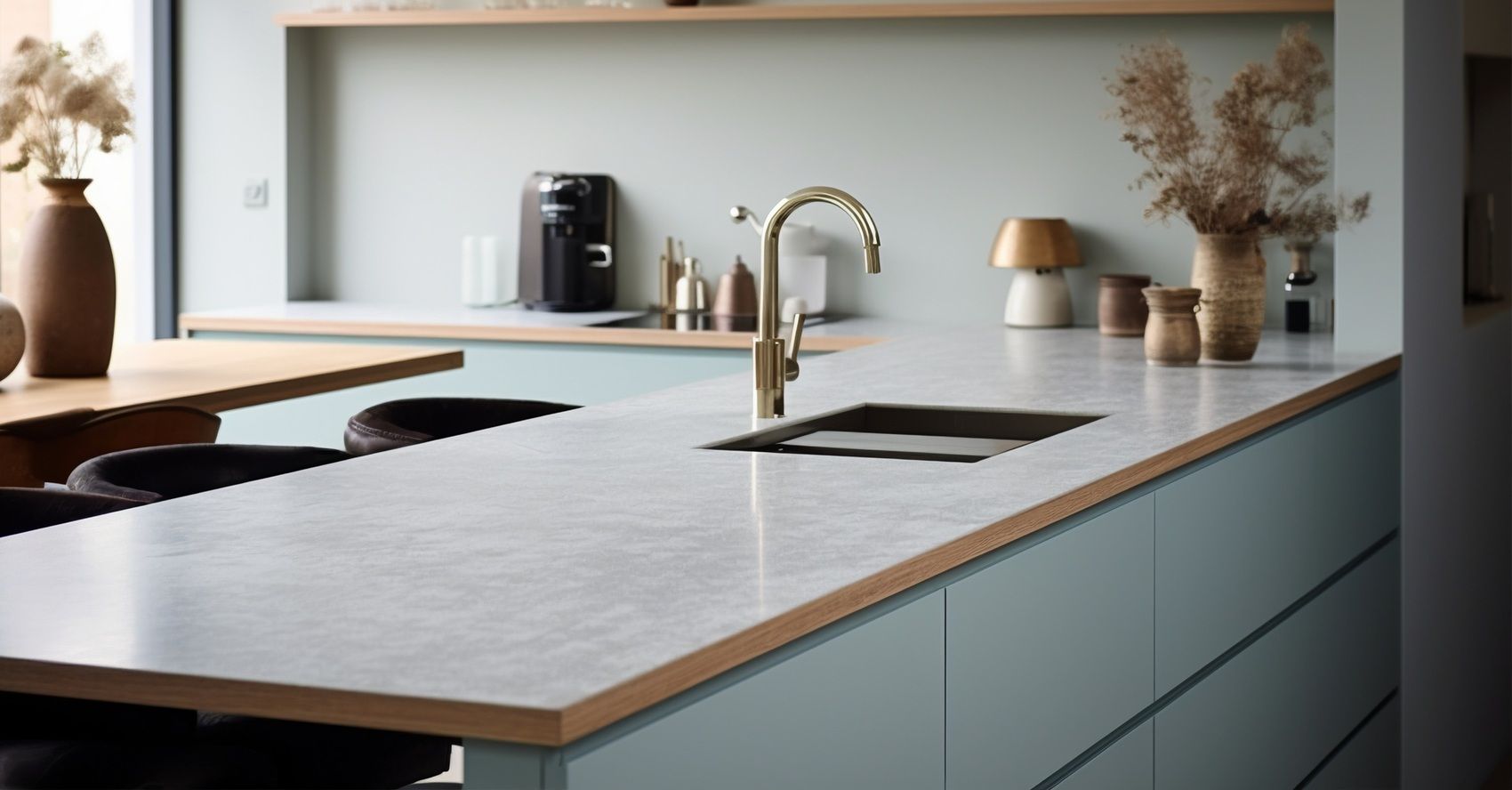
Eco-Friendly and Low VOC Sealing Solutions
Environmental consciousness has transformed the natural stone sealing industry, driving innovation towards sustainable protection methods that prioritize both surface performance and ecological responsibility. Modern homeowners and property managers now demand sealing solutions that minimize environmental impact while delivering superior stone protection.
Eco-friendly adhesive technologies have revolutionized stone surface treatments, introducing water-based and bio-based formulations that dramatically reduce volatile organic compound (VOC) emissions. These advanced solutions offer multiple benefits without compromising protective capabilities:
-
Water-Based Sealers
- Significantly lower environmental impact
- Reduce health risks
- Maintain high-performance standards
- Biodegradable composition
-
Bio-Based Sealers
- Utilize renewable resource ingredients
- Minimize carbon footprint
- Provide effective stone protection
- Support sustainable manufacturing
Professional-grade enhancer sealers now offer sophisticated molecular bonding technologies that preserve stone breathability while providing comprehensive protection. These innovative products maintain the stone’s natural aesthetic, create robust stain resistance, and support healthier indoor environments.
Pro tip: Always verify a sealer’s VOC certification and look for third-party environmental performance ratings before making your final selection.
Risks of Leaving Stone Surfaces Unsealed
Unsealed natural stone surfaces are far more vulnerable to environmental damage than most homeowners realize. Without proper protection, these beautiful and often expensive materials become susceptible to a complex array of degradation mechanisms that can compromise their structural integrity and aesthetic appeal.
Natural stone environmental vulnerabilities reveal critical risks associated with leaving stone surfaces exposed to environmental stressors. The porous nature of stone creates multiple entry points for destructive elements:
-
Water Penetration Risks
- Accelerates internal structural breakdown
- Promotes mold and mildew growth
- Creates potential freeze-thaw damage
- Increases surface porosity over time
-
Chemical Degradation Factors
- Pollutant absorption (sulfur dioxide, nitrogen oxides)
- Salt crystal formation within stone pores
- Surface roughness and material loss
- Progressive structural weakening
Unsealed stones experience accelerated weathering processes that can dramatically reduce their lifespan. Pollutants, moisture, and temperature fluctuations work synergistically to create microscopic damage that compounds over time, leading to visible deterioration and potential complete surface failure.
Pro tip: Conduct an annual inspection of your stone surfaces to identify early signs of potential damage, which can help you intervene before irreversible deterioration occurs.
Sealing Benefits for Long-Term Appearance
Natural stone surfaces represent significant aesthetic and financial investments that require strategic protection to maintain their original beauty and structural integrity. Surface preservation goes far beyond simple cosmetic maintenance, involving complex mechanisms that shield against environmental degradation and aesthetic decline.
Surface protection technologies reveal critical benefits that extend well beyond basic appearance maintenance. Sealing creates a sophisticated barrier that defends against multiple destructive environmental factors:
-
Aesthetic Protection Factors
- Prevents permanent staining
- Maintains original color intensity
- Reduces surface discoloration
- Preserves natural stone texture
-
Structural Defense Mechanisms
- Blocks moisture penetration
- Resists UV radiation damage
- Prevents chemical degradation
- Minimizes surface erosion
Professional sealing techniques provide comprehensive protection that dramatically extends the lifespan of natural stone surfaces. Professional outdoor surface protection demonstrates how strategic sealing can transform vulnerable surfaces into resilient, low-maintenance installations that retain their original elegance for years.
The table below summarizes how sealing benefits both appearance and durability over time:
| Protection Aspect | Short-Term Impact | Long-Term Benefit |
|---|---|---|
| Stain Prevention | Reduces daily liquids | Minimizes permanent staining |
| Color Preservation | Retains original hue | Slows discoloration |
| Structural Defense | Blocks minor damage | Prevents deep erosion |
| Maintenance Effort | Easier cleaning routine | Lower long-term upkeep costs |
Pro tip: Choose sealers that match your specific stone type and environmental conditions to maximize long-term protection and aesthetic preservation.
Protect Your Natural Stone Surfaces with Eco-Friendly Solutions
Natural stone surfaces are beautiful but vulnerable to environmental damage caused by porosity and exposure to moisture, chemicals, and UV rays. The challenges discussed in the article highlight how unsealed stone can suffer from staining, erosion, and structural weakening that affect both appearance and longevity. If you want to keep your stone looking vibrant while preventing costly damage, choosing the right sealer is critical.
At
Oceancare Store , we specialize in providing
eco-friendly, biodegradable, and low VOC sealers and cleaners designed specifically for natural stone and hard surface protection. Our products penetrate deeply without altering the stone’s natural look and form a durable barrier shield against stains and wear. Whether you need a penetrating or enhancing sealer, you will find effective and environmentally responsible options that align perfectly with the article’s recommendations on stone porosity and sealing benefits.
Ready to safeguard your investment with sustainable solutions trusted by homeowners and property managers? Explore our range of natural stone maintenance products at Oceancare Store and take the first step in preventing irreversible stone damage today.
Discover durable protection that respects your space and the environment. Visit
Oceancare Store now to select your ideal stone sealer and enjoy long-lasting beauty and peace of mind.
Frequently Asked Questions
What is stone porosity and why is it important?
Stone porosity refers to the volume of internal voids in natural stone. It is crucial because it affects the stone’s ability to absorb moisture and resist chemicals, making it susceptible to staining and structural degradation.
How do different types of sealers protect natural stone surfaces?
Different sealers offer varying levels of protection: penetrating sealers absorb into the stone for invisible protection, topical sealers create a surface film for maximum stain resistance, and enhancing sealers deepen color while providing moderate protection. Each is suited for different stone types and environments.
What are the risks of not sealing natural stone surfaces?
Unsealed natural stone surfaces are vulnerable to water penetration, chemicals, and pollutants, which accelerate deterioration and can lead to irreversible damage, reducing the stone’s lifespan and aesthetic appeal.
How can I ensure the longevity and appearance of my sealed stone surfaces?
To maximize protection, choose a sealer that matches your stone type and environmental conditions. Regular inspections and annual maintenance can help identify early signs of damage, ensuring long-term beauty and durability.
Recommended

