
How to Prevent Tile Stains Naturally with Eco-Friendly Solutions
How to Prevent Tile Stains Naturally with Eco-Friendly Solutions
Stubborn tile stains and fading grout can make even the most beautiful pool surrounds or natural stone surfaces lose their charm. For American homeowners who value both aesthetics and environmental responsibility, protecting these features means finding solutions that work without harsh chemicals. Discover practical steps for maintaining fresh, vibrant tiles using eco-friendly cleaning and sealing strategies, with a focus on plant-based products and careful assessment for lasting results.

Table of Contents
Quick Summary
| Key Point | Explanation |
|---|---|
| 1. Assess Tile and Grout Condition | Conduct a thorough visual inspection to identify damage or weaknesses before any treatment. |
| 2. Use Eco-Friendly Cleaning Solutions | Clean surfaces with plant-based products to effectively remove dirt while protecting the environment. |
| 3. Apply Natural Protective Sealer | Use low-VOC or plant-based sealers to protect tiles from stains without harmful chemicals. |
| 4. Implement Regular Maintenance Routine | Maintain tile surfaces by cleaning routinely and inspecting for signs of wear or damage. |
| 5. Verify Protection and Cleanliness | Regularly check tile surfaces to ensure protective measures are still effective and no damage has occurred. |
Step 1: Assess Tile and Grout Condition
Before launching into any stain prevention strategy, you need to carefully evaluate the current state of your tiles and grout. A thorough assessment helps you understand potential vulnerabilities and determine the most appropriate eco-friendly treatment approach.
Start by conducting a comprehensive visual inspection. Look for signs of existing damage such as hairline cracks , discoloration , or uneven surface texture . These indicators can reveal underlying issues that might compromise your stain prevention efforts. Pay special attention to high-moisture areas like shower walls, kitchen backsplashes, and pool surrounds, where stains and deterioration are most likely to occur.
To perform a detailed evaluation, use these systematic steps:
- Examine grout lines for signs of wear, crumbling, or color changes
- Check tile surfaces for existing stains, chips, or surface irregularities
- Test grout porosity by dropping a small amount of water and observing absorption rates
- Identify areas with potential moisture infiltration or drainage problems
Professional conservationists recommend careful grout condition assessment before applying any treatment, ensuring targeted and effective interventions.
Pro tip: Keep a detailed photographic record of your initial tile and grout condition to track improvements and document your maintenance process.
Step 2: Deep Clean Surfaces with Plant-Based Products
With your tile and grout condition carefully assessed, it’s time to tackle deep cleaning using powerful yet environmentally responsible plant-based solutions. Eco-friendly cleaning strategies can effectively remove dirt, grime, and potential stain-causing residues without introducing harsh chemicals into your living environment.
Start by gathering your natural cleaning arsenal . Create a solution using ingredients like white vinegar, citrus extracts, and biodegradable soap that will penetrate and lift embedded dirt. Your goal is to clean thoroughly while preserving the integrity of your tile surfaces. Mix your solution carefully, ensuring proper dilution to prevent any potential surface damage.
Follow these systematic steps for optimal plant-based cleaning:
- Sweep or vacuum the surface to remove loose debris
- Prepare your homemade plant-derived cleaning solution
- Apply the solution using a soft microfiber mop or cloth
- Work in small sections, using gentle circular motions
- Rinse thoroughly with clean water to remove any cleaning residue
- Dry the surface completely with a clean, soft towel
Plant-based cleaners not only remove dirt but also minimize environmental impact while protecting your tile surfaces.
Pro tip: Test any homemade cleaning solution on a small, inconspicuous area first to ensure compatibility with your specific tile surface.
Step 3: Apply a Natural Protective Sealer
After thoroughly cleaning your tile surfaces, the next critical step is applying a natural protective sealer that shields your tiles from potential stains while maintaining an eco-friendly approach. Water-based sealers offer sustainable protection without introducing harmful chemicals into your living environment.
Choose a low-VOC or plant-based penetrating sealer specifically designed for your tile type. These natural sealers create an invisible barrier that repels water, oil, and potential stain-causing substances without altering the tile’s original appearance or texture. Different tile materials like ceramic, porcelain, or natural stone may require slightly different application techniques, so carefully read the manufacturer’s specific instructions.
Here’s how different tile types respond to eco-friendly stain prevention strategies:
| Tile Type | Cleaning Sensitivity | Sealer Compatibility | Common Challenge |
|---|---|---|---|
| Ceramic | Low, easily cleaned | Most sealers suitable | Grout staining |
| Porcelain | Very low, non-porous | Low-VOC sealers preferred | Surface etching |
| Natural Stone | High, porous material | Only plant-based sealers | Absorbs spills quickly |
| Glass | Very low, smooth | Usually no sealer needed | Grout discoloration |
Follow these systematic steps for optimal sealer application:
- Clean and completely dry the tile surface
- Ensure proper ventilation in your working area
- Use a clean, lint-free applicator pad or roller
- Apply sealer in thin, even layers
- Work in small sections to ensure complete coverage
- Allow adequate drying time between coats
- Buff excess sealer with a clean microfiber cloth
Natural sealers provide an environmentally responsible way to protect your tile surfaces from potential damage and staining.
Pro tip: Apply sealer in moderate temperature conditions and avoid direct sunlight to ensure optimal absorption and even coverage.
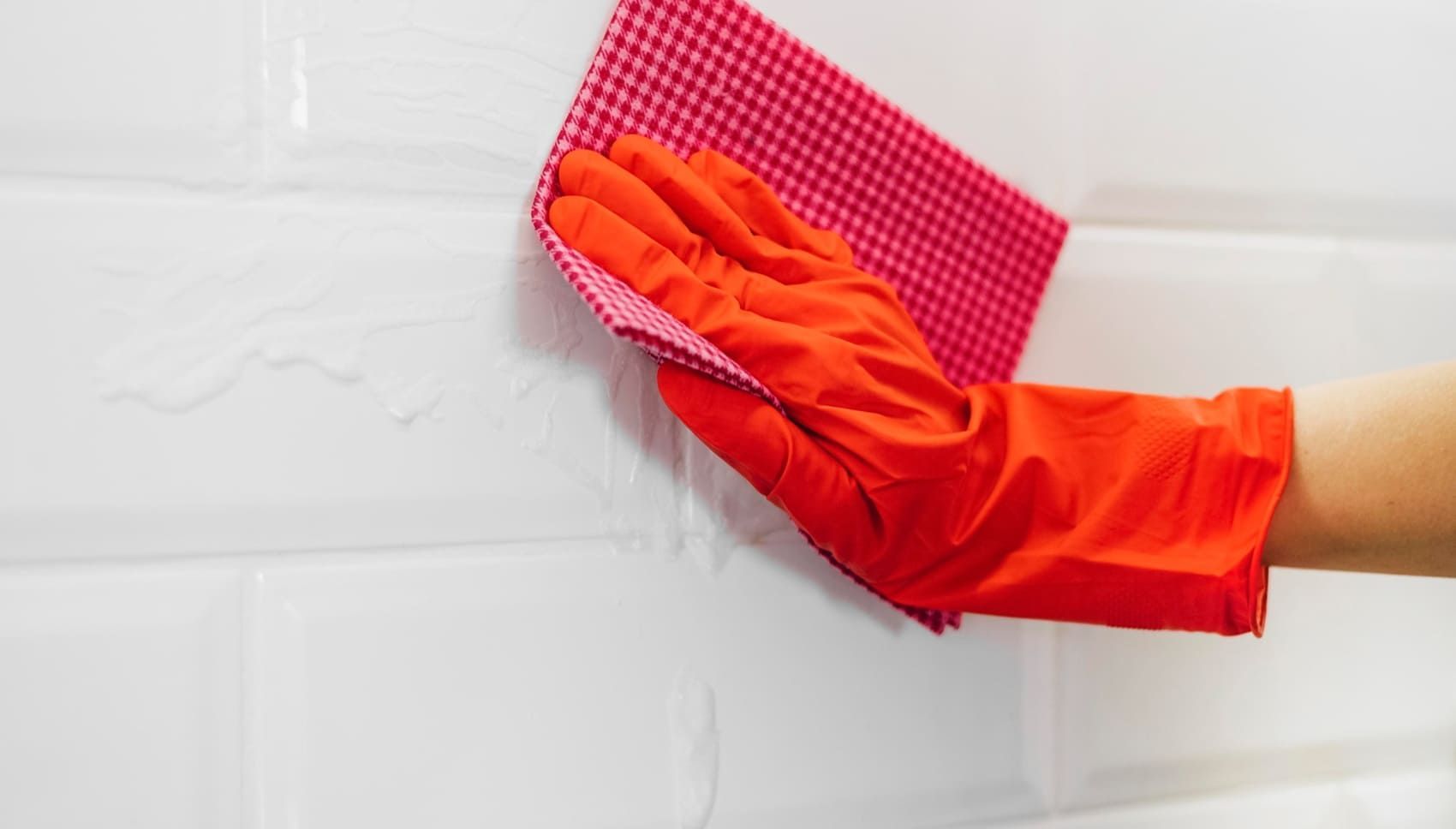
Step 4: Implement Routine Eco-Friendly Maintenance
Maintaining your newly protected tile surfaces requires consistent, environmentally conscious care that preserves their appearance and extends their longevity. Ceramic tile maintenance involves strategic cleaning practices that protect your investment while minimizing environmental impact.
Develop a regular maintenance routine that includes gentle, plant-based cleaning methods and periodic inspections. This approach prevents dirt accumulation, stops potential stain development, and maintains the protective seal you’ve carefully applied. Your maintenance strategy should adapt to different areas of your home, recognizing that high-traffic zones like kitchen floors or shower walls might require more frequent attention.
Implement these eco-friendly maintenance practices:
- Sweep or vacuum surfaces weekly to remove loose debris
- Use microfiber mops with plant-based cleaning solutions
- Wipe spills immediately to prevent potential staining
- Inspect grout lines monthly for early signs of wear
- Reapply natural sealant annually or as manufacturer recommends
- Avoid abrasive cleaning tools that might damage surface protection
- Use pH-neutral cleaners designed for your specific tile type
Consistent, gentle maintenance is the key to preserving tile surfaces while respecting environmental principles.
Pro tip: Create a maintenance calendar with specific cleaning and inspection dates to ensure you never miss an important tile care routine.
Use this reference for optimal eco-friendly tile maintenance frequency by location:
| Area | Cleaning Frequency | Sealant Renewal | Inspection Interval |
|---|---|---|---|
| Kitchen Floor | Weekly | Every 12 months | Monthly |
| Shower Walls | Twice weekly | Every 6-9 months | Monthly |
| Entryway | Weekly | Every 12 months | Bi-monthly |
| Backsplash | Bi-weekly | Every 12 months | Quarterly |
Step 5: Verify Surface Protection and Cleanliness
After implementing your eco-friendly maintenance routine, the final crucial step is systematically verifying your tile surfaces’ protection and cleanliness. Ceramic tile standards recommend comprehensive surface assessment to ensure your protective efforts have been successful and sustainable.
Carefully examine your tile surfaces using a multi-point inspection process that goes beyond visual appearance. Look for subtle indicators of surface integrity such as water beading, consistent coloration, and absence of microscopic wear. Pay special attention to high-moisture and high-traffic areas where protective seals might degrade more quickly, such as shower walls, kitchen backsplashes, and entryway floors.
Use these detailed verification techniques:
- Check water droplet absorption rates
- Inspect grout lines for consistent color and seal integrity
- Test surface smoothness and resistance to light scratching
- Verify no discoloration or staining has occurred
- Ensure sealed areas maintain their original aesthetic quality
- Look for any signs of moisture penetration
- Compare current surface condition to initial assessment photos
Thorough verification ensures your eco-friendly tile protection strategy remains effective and sustainable.
Pro tip: Document your verification process with dated photographs to track surface condition and maintenance effectiveness over time.
Protect Your Tiles Naturally with Trusted Eco-Friendly Solutions
Dealing with stubborn tile stains and grout discoloration can be frustrating, especially when you want to avoid harsh chemicals. This article highlights the challenge of maintaining clean, stain-free tile and grout surfaces using plant-based cleaning methods and natural sealers. If you are seeking effective eco-friendly cleaning products that protect your pools, kitchens, and bathrooms while respecting the environment and your family’s health, we have you covered.
Explore the carefully curated range of biodegradable and low VOC cleaners and sealers at Oceancare Store designed for sustainable tile and stone maintenance. From natural stone protectors to calcium releasers and eco-conscious grout sealers, these products help you apply the exact stain prevention techniques discussed here. Act now to safeguard your surfaces with safe, high-performance solutions that keep your home beautiful and environmentally responsible. Visit Oceancare Store to find the perfect eco-friendly product for your tile care needs and take the first step toward lasting surface protection today.
Frequently Asked Questions
How can I assess the condition of my tile and grout before preventing stains?
You can assess the condition of your tile and grout by visually inspecting for cracks, discoloration, or roughness. Examine grout lines and tile surfaces carefully, checking for signs of wear, and test grout porosity by dropping water to observe absorption rates.
What are effective plant-based products for deep cleaning tiles?
Effective plant-based products for deep cleaning tiles include solutions made from white vinegar, citrus extracts, and biodegradable soap. Mix your ingredients in proper dilution to create a powerful cleaner that removes dirt without damaging your tile surfaces.
How do I apply a natural protective sealer to my tile?
To apply a natural protective sealer, first, clean and dry the tile surface thoroughly. Use a clean applicator pad to apply the sealer in thin, even layers, and allow for adequate drying time between coats to ensure effective protection against stains.
What routine maintenance should I implement to keep my tiles stain-free?
Implement a routine maintenance schedule that includes weekly sweeping or vacuuming, using plant-based cleaning solutions, and promptly wiping up spills. Aim for inspections of grout lines monthly to catch early signs of wear and reapply sealant annually to maintain protection.
How can I verify the effectiveness of my stain prevention methods?
To verify the effectiveness of your stain prevention methods, check for water droplet absorption and inspect for discoloration or staining. Regularly document the condition of your surfaces with photographs, assessing against your initial evaluation to ensure ongoing protection.
Recommended
- Tile Maintenance: Protecting Surfaces and Environment
- Joint Grout Cleaning: Eco-Friendly Solutions That Work
- Why Choose Non-Toxic Cleaners for Surfaces
- How to Deep‑Clean Grout Without Harsh Acids
- 7 Smart Ways to Use Eco Cleaning Supplies at Home | Rozie - Malta’s Best Cleaning Services
- Kitchen Respray for Eco Homes: Complete Guide UK - WordPress

