
What is Pool Tile Sealing? Eco-Friendly Guide 2026
Pool tile sealing often gets dismissed as a cosmetic upgrade, but it's actually your first line of defense against expensive mineral damage and tile deterioration. A quality eco-friendly sealer creates an invisible barrier that blocks calcium buildup, prevents grout erosion, and extends your pool's lifespan while keeping your family and the environment safe. This guide breaks down the science, benefits, and best practices for sustainable pool tile sealing in 2026.
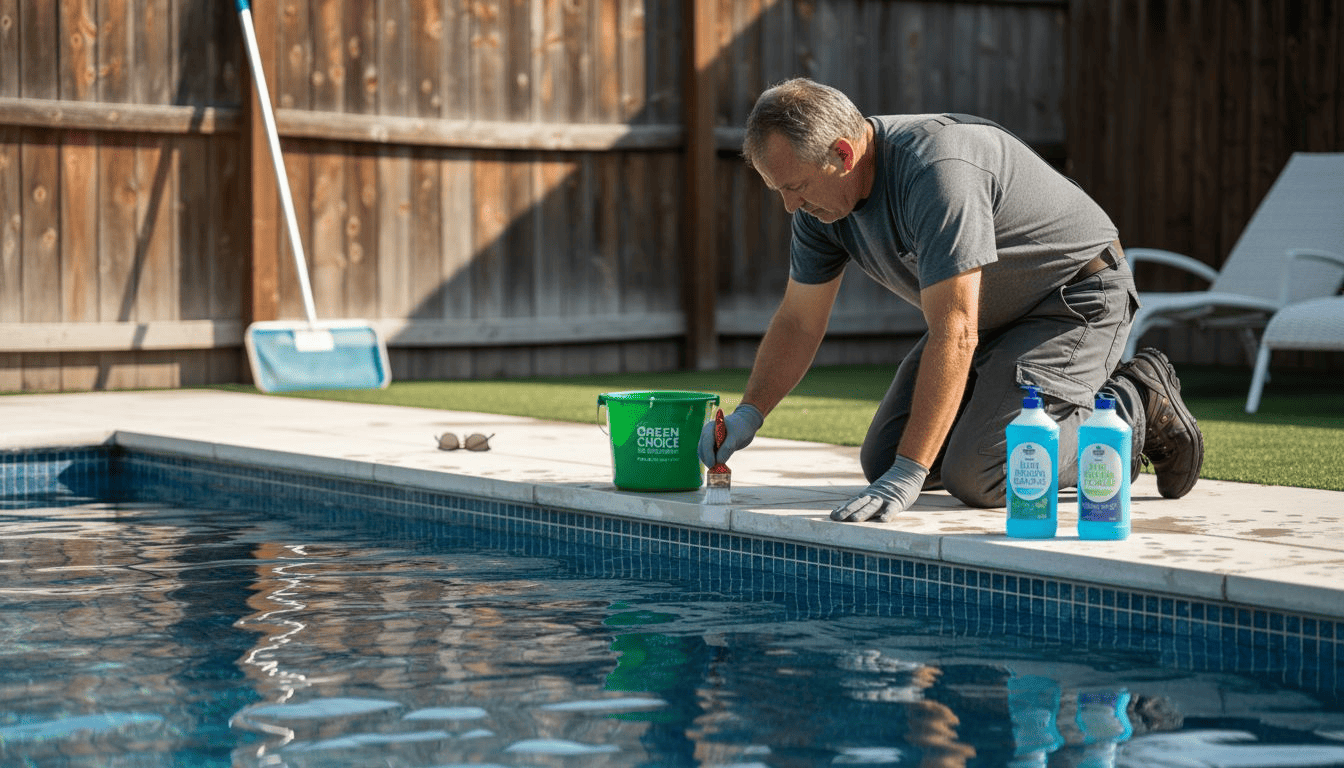
Table of Contents
- Introduction To Pool Tile Sealing
- Why Choose Eco-Friendly Sealers For Pool Tiles?
- The Science Behind Pool Tile Sealing
- Common Misconceptions About Pool Tile Sealing
- Comparing Different Types Of Pool Tile Sealers
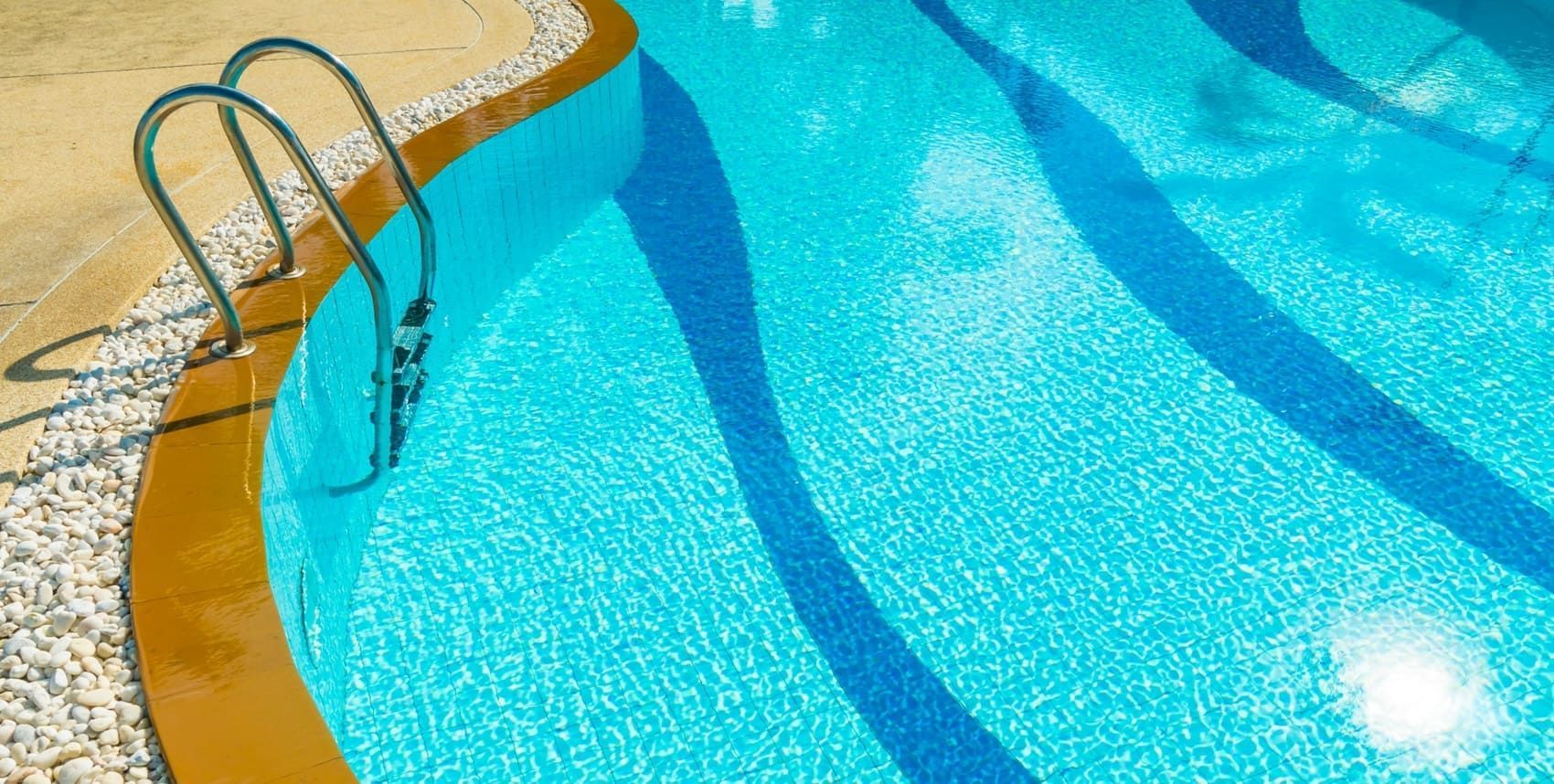
- How To Seal Pool Tiles Using Eco-Friendly Products
- Maintaining Pool Tiles After Sealing For Longevity
- Protect Your Pool Tiles With Eco-Friendly Products From OceanCare Store
- Frequently Asked Questions
Key takeaways
| Point | Details |
|---|---|
| Protective barrier function | Pool tile sealing prevents mineral buildup by filling microscopic pores in tiles and grout, reducing maintenance frequency and extending surface life. |
| Eco-friendly advantages | Biodegradable, low-VOC sealers use plant-based ingredients that are safe for families, pets, and aquatic ecosystems while delivering comparable or superior protection. |
| Nano-technology benefits | Advanced sealers with nano-particles penetrate deeper into tile pores, enhancing water repellency and UV resistance for durable, long-lasting protection. |
| Application essentials | Proper surface preparation, multiple thin coats, and adequate curing time between applications are critical for achieving effective sealing results. |
| Maintenance rhythm | Regular gentle cleaning with eco-friendly products and resealing every 1 to 3 years preserves tile beauty, durability, and protective performance. |
Introduction to pool tile sealing
Pool tile sealing is the process of applying a specialized protective coating that penetrates and fills the microscopic pores naturally present in ceramic, porcelain, glass, and stone tiles. This invisible barrier prevents water, chemicals, and minerals from penetrating the tile surface and grout lines, which is where most damage begins.
Without this protection, calcium and mineral deposits accumulate in these tiny openings, creating stubborn white scaling that becomes increasingly difficult to remove. The methods for pool tile calcium removal become more aggressive and time-consuming as buildup worsens. A properly sealed surface dramatically reduces this maintenance burden.
Sealing delivers several key benefits:
- Prevents mineral penetration that causes permanent staining and surface degradation
- Reduces cleaning frequency and intensity by making surfaces easier to wipe clean
- Extends tile and grout lifespan by blocking moisture that leads to cracking and deterioration
- Maintains slip resistance by preventing buildup of slimy biofilm and scale
- Preserves color vibrancy by protecting against chemical bleaching and UV fading
Homeowners who clean pool tiles effectively and then seal them report maintenance time reductions of up to 50%. The sealed surface creates a smooth, non-porous finish that repels contaminants rather than absorbing them, making routine cleaning a quick wipe-down instead of a scrubbing marathon.
Pro Tip: Test any sealer on a small, inconspicuous tile section first to verify compatibility and desired finish before treating the entire pool surface.
Why choose eco-friendly sealers for pool tiles?
The shift toward eco-friendly pool maintenance isn't just a trend. It's a practical response to growing awareness about chemical runoff impacts on local water systems and family health.
Traditional sealers often contain high levels of volatile organic compounds that evaporate into the air during application and curing. These VOCs contribute to indoor and outdoor air pollution, trigger respiratory issues, and can cause headaches or dizziness in sensitive individuals. Children and pets are particularly vulnerable to these chemical exposures.
Sealers with zero VOC and no toxic chemicals prevent environmental runoff contamination that damages aquatic life and disrupts local ecosystems. When you drain or backwash your pool, whatever chemicals are in your water and on your sealed surfaces end up in storm drains, groundwater, or treatment facilities.
Eco-friendly alternatives deliver comparable or superior protection while using:
- Plant-based polymers that biodegrade safely without leaving toxic residues
- Water-based formulations that eliminate harsh solvent odors and fumes
- Low or zero VOC ingredients that protect indoor and outdoor air quality
- Non-toxic additives that won't harm children, pets, or wildlife if contacted
- Sustainable production processes that reduce manufacturing environmental impact
Modern eco-friendly pool tile maintenance products have evolved beyond the weak, short-lived green alternatives of the past. Today's formulations match or exceed traditional sealer durability while maintaining environmental responsibility.
Choosing eco-friendly home cleaners 2026 aligns with sustainable living practices without sacrificing performance. You protect your investment while supporting broader environmental health.
The science behind pool tile sealing
Understanding how sealers work helps you appreciate why proper application matters and what to expect from different products.
At the microscopic level, all tiles and grout contain tiny pores and capillaries. These openings act like sponges, absorbing water, chemicals, minerals, and contaminants that gradually degrade the material from within. Sealers work by filling these spaces with protective polymers that block absorption.
Nano-technology enhanced sealers provide superior penetration by using particles small enough to reach deeper into the tile matrix. This deeper penetration creates a more robust barrier that resists pressure washing, chemical exposure, and physical wear better than surface-only coatings.
The sealing mechanism involves several protective actions:
- Pore filling : Liquid sealer flows into microscopic openings and hardens, creating physical blockage against water and mineral intrusion
- Hydrophobic layer : Water-repellent molecules orient themselves to push moisture away from the tile surface
- UV protection : Embedded stabilizers absorb harmful ultraviolet radiation that would otherwise fade colors and weaken tile structure
- Chemical resistance : Cross-linked polymers create a barrier that chlorine, bromine, and pH adjusters cannot easily penetrate
- Microbial defense : Sealed surfaces deny algae, mold, and bacteria the moisture and porous texture they need to colonize
"The key to effective sealing is achieving deep penetration into the substrate while creating a durable surface layer. Nano-technology allows both by using particles measured in billionths of a meter that can navigate the complex internal structure of tiles and grout."
This combination of deep and surface protection is why properly sealed tiles can clean pool tiles effectively with just water and a soft brush, compared to the harsh scrubbing unsealed surfaces require.
Outdoor pools benefit especially from UV-resistant formulations that prevent the sun damage that causes tiles to fade, crack, and become brittle over time.
Common misconceptions about pool tile sealing
Several persistent myths prevent homeowners from properly protecting their pool investments.
Myth 1: Sealing is purely cosmetic . This widespread belief causes expensive damage. While sealing does enhance appearance by deepening colors and creating uniform sheen, its primary function is structural protection. Unsealed grout absorbs water that expands when frozen, causing cracks. Mineral deposits penetrate tile surfaces, weakening the material and eventually requiring complete tile replacement.
Myth 2: Natural stone doesn't need sealing . Stone's natural beauty misleads people into thinking it's indestructible. In reality, materials like travertine, slate, and limestone are highly porous and absorb pool chemicals, minerals, and organic matter that cause permanent staining and erosion. The importance of sealing natural stone becomes obvious after the first calcium stain penetrates deep enough to resist surface cleaning.
Myth 3: One sealing lasts forever . Even the best sealers gradually wear away from chemical exposure, UV radiation, and physical abrasion. Expecting permanent protection leads to neglect that allows damage to develop unnoticed.
Myth 4: Sealing prevents all staining . Sealers dramatically reduce staining by blocking absorption, but they're not magic force fields. Extremely aggressive chemicals left on surfaces for extended periods can still cause damage. Proper maintenance remains essential.
Myth 5: DIY sealing equals professional results . While homeowners can achieve good results with proper preparation and technique, professionals bring experience identifying problem areas, selecting optimal products, and applying uniform coverage that maximizes longevity.
Understanding these pool tile sealing myths helps you make informed decisions about protecting your pool investment and avoiding costly repairs down the road.
Pro Tip: Mark your calendar with your sealing date and set annual reminders to inspect for wear, making resealing decisions based on actual condition rather than guesswork.
Comparing different types of pool tile sealers
Choosing the right sealer requires understanding how different formulations balance protection, durability, environmental impact, and safety.
| Sealer Type | VOC Level | Durability | Water Repellency |
|---|---|---|---|
| Traditional Chemical | High | 2-4 years | Good |
| Nano-Technology | Moderate | 3-5 years | Excellent |
| Eco-Friendly Plant-Based | Zero to Low | 2-3 years | Good to Very Good |
| Polyurethane Coating | Moderate | 5-7 years | Excellent |
Traditional chemical sealers remain popular for their aggressive protection and lower upfront cost. However, their high VOC content creates application challenges, requires extensive ventilation, and poses environmental concerns when pool water containing sealer residue enters drainage systems.
Nano-technology sealers offer superior water repellency by penetrating deeper into tile pores than conventional products. Their microscopic particles create interlocking networks that resist both physical and chemical degradation. The trade-off is moderate VOC content and higher cost, though their extended durability often justifies the investment.
Eco-friendly plant-based sealers have revolutionized sustainable pool care by delivering effective protection without toxic ingredients. Modern formulations use bio-polymers derived from renewable resources that biodegrade without harmful residues. While historically less durable than chemical alternatives, current eco-friendly sealers now approach traditional product lifespans.
Polyurethane coatings provide seamless, non-porous alternatives that eliminate grout lines where mineral buildup concentrates. Their slip-resistant textures enhance safety while reducing maintenance frequency. The seamless surface prevents microbial colonization better than traditional tile installations.
Key factors for selection:
- Family safety : Prioritize low or zero VOC products if children or pets use the pool area frequently
- Environmental values : Choose plant-based, biodegradable options to minimize ecological footprint
- Exposure conditions : Outdoor pools benefit from enhanced UV protection; indoor pools prioritize low odor
- Maintenance capacity : Longer-lasting products cost more upfront but reduce reapplication frequency
- Surface type : Different tile materials (ceramic, glass, stone) may require specialized formulations
Comparing stone sealer types helps narrow choices based on your specific tile material and pool conditions. Check product specifications to verify compatibility before purchasing.
Browse stone and grout sealers to explore options meeting various performance and environmental criteria.
Pro Tip: Request product data sheets showing VOC levels, coverage rates, and reapplication intervals to compare true cost per year rather than just initial purchase price.
How to seal pool tiles using eco-friendly products
Proper application technique determines whether your sealer delivers promised protection or fails prematurely.
- Assess surface condition thoroughly . Inspect tiles and grout for cracks, loose sections, existing sealant residue, and mineral deposits. Address structural issues before sealing, as trapped moisture beneath sealant causes delamination and tile failure.
- Clean surfaces completely . Use plant-based, pH-neutral cleaners to remove all dirt, oils, calcium, and organic matter. Contaminants between tile and sealer prevent proper adhesion. Allow surfaces to dry completely, typically 24 to 48 hours depending on humidity and ventilation.
- Protect adjacent areas . Mask off pool coping, deck surfaces, and any areas where sealer overspray could cause issues. Eco-friendly products clean up easily when wet but become difficult to remove once cured.
- Apply first coat evenly . Use a high-quality brush, roller, or sprayer designed for sealers. Work in small sections to maintain a wet edge and prevent lap marks. Apply thin, even coats rather than thick applications that puddle and cure unevenly.
- Allow proper curing time . Follow manufacturer specifications exactly, typically 2 to 4 hours between coats and 24 to 48 hours before water exposure. Rushing this step compromises the chemical cross-linking that creates durable protection.
- Apply second coat for complete coverage . Most sealers require at least two coats to achieve full protection. The first coat partially saturates pores; the second coat completes saturation and builds surface protection.
- Cure completely before pool use . Allow the full recommended curing period before filling the pool or exposing tiles to water. Premature water contact disrupts the curing process and significantly reduces sealer performance.
The pool tile cleaning and sealing guide provides detailed timing recommendations for different sealer types and climate conditions.
Pro Tip: Apply sealers during mild weather (60 to 80°F) with low humidity for optimal curing. Extreme temperatures or high moisture interfere with proper chemical bonding.
Environmentally conscious homeowners increasingly turn to eco-friendly sealing techniques that reduce chemical exposure while maintaining effective surface protection.
Maintaining pool tiles after sealing for longevity
Proper ongoing care multiplies your sealing investment by extending protection and preserving tile appearance.
Sealed tiles require gentler maintenance than unsealed surfaces. Harsh scrubbing, acidic cleaners, and abrasive tools gradually wear away the protective layer, exposing tiles to the damage you sealed to prevent.
Establish a maintenance routine including:
- Weekly gentle cleaning : Use soft brushes and eco-friendly, pH-neutral cleaners to remove surface debris before it bonds to tiles
- Monthly inspection : Check for areas where sealer shows wear, typically around the waterline and high-traffic entry points
- Immediate stain treatment : Address spills, organic matter, and mineral deposits promptly before they penetrate any microscopic gaps in sealer coverage
- Chemical balance monitoring : Maintain proper pool chemistry to avoid aggressive water conditions that accelerate sealer degradation
- Annual professional assessment : Have experienced technicians evaluate sealer condition and recommend reapplication timing
The pool tile maintenance tips section offers specific product recommendations and cleaning frequencies for different tile types and pool uses.
Resealing timing depends on several factors. High-use pools with harsh sun exposure may need resealing annually, while covered pools in mild climates might go three years between applications. Watch for these signs indicating resealing is needed:
- Water no longer beads on tile surfaces but soaks in
- Mineral stains develop more quickly than when freshly sealed
- Grout darkens from moisture absorption
- Tiles lose their enhanced color depth and uniform appearance
- Cleaning requires more effort to achieve same results
Proactive resealing before complete sealer failure prevents the deep damage that requires aggressive restoration. Follow essential pool tile maintenance tips for a sparkling pool to keep your sealed surfaces performing optimally.
Avoid these maintenance mistakes that shorten sealer life:
- Using acidic cleaners that chemically attack sealer polymers
- Power washing at high pressure that physically blasts away protective layers
- Allowing prolonged contact with harsh chemicals like undiluted chlorine
- Neglecting to rinse tiles after chemical treatments or heavy pool use
- Scrubbing with stiff brushes or abrasive pads that scratch and wear sealer surface
Protect your pool tiles with eco-friendly products from OceanCare Store
Maintaining beautiful, protected pool tiles doesn't require compromising your family's health or environmental values. OceanCare Store specializes in plant-based, low-VOC products that deliver professional-grade protection while supporting sustainable pool care practices.
Explore our certified eco-friendly sealers formulated specifically for pool tiles, natural stone, and grout. Every product features biodegradable ingredients safe for children, pets, and aquatic ecosystems. Our pool tile restorer rejuvenates damaged surfaces before sealing, while comprehensive pool tile maintenance solutions keep sealed surfaces performing optimally between reapplications. Discover easy pool tile cleaning methods that preserve your sealer investment. Shop with confidence knowing you're protecting your pool while respecting the environment.
Frequently asked questions
What is pool tile sealing and why is it important?
Pool tile sealing applies a protective polymer barrier that fills microscopic pores in tiles and grout, blocking water, minerals, and chemicals from penetrating and causing damage. This prevention dramatically reduces maintenance requirements, extends surface lifespan by preventing deterioration, and preserves the aesthetic appearance that makes your pool investment worthwhile. Sealed surfaces resist calcium scaling, staining, and microbial growth that unsealed tiles absorb and harbor.
How do eco-friendly pool tile sealers differ from traditional sealers?
Eco-friendly sealers use plant-based polymers and contain zero to low volatile organic compounds, eliminating the toxic fumes, health risks, and environmental runoff concerns associated with traditional chemical formulations. They biodegrade safely without leaving harmful residues in water systems or soil. Modern eco-friendly sealers match traditional product durability while protecting indoor air quality and aquatic ecosystems, making them ideal for families prioritizing health and sustainability.
How often should I reseal my pool tiles?
Most quality sealers require reapplication every 1 to 3 years depending on pool usage intensity, sun exposure, chemical balance, and sealer type. Outdoor pools in harsh climates may need annual resealing, while protected indoor pools can extend to three years. Conduct annual inspections checking for water absorption, easier staining, and diminished water beading to determine optimal pool tile resealing intervals for your specific conditions. Proactive resealing before complete failure prevents costly damage requiring aggressive restoration.
Can I apply pool tile sealer myself or should I hire a professional?
DIY application is definitely achievable for homeowners willing to follow proper surface preparation and application techniques carefully. Success requires thorough cleaning, complete drying, thin even coats, and respecting full curing times before water exposure. However, professionals bring experience identifying problem areas, selecting optimal products for your specific tile type, and applying uniform coverage that maximizes longevity. Consider professional application for large pools, unfamiliar eco-friendly products, or situations where application errors could cause expensive damage requiring complete redo.
Recommended

