
Eco-friendly bathroom cleaning guide for natural stone
Caring for natural stone in your bathroom shouldn't mean choosing between effectiveness and environmental responsibility. Many homeowners unknowingly damage their marble, travertine, or granite surfaces with common household cleaners like vinegar or bleach. Over 80% of preventable natural stone damage is caused by acidic or alkaline cleaning products misused in bathrooms. This guide provides practical, safe cleaning steps using eco-friendly products that preserve your stone's beauty while supporting your sustainable lifestyle.
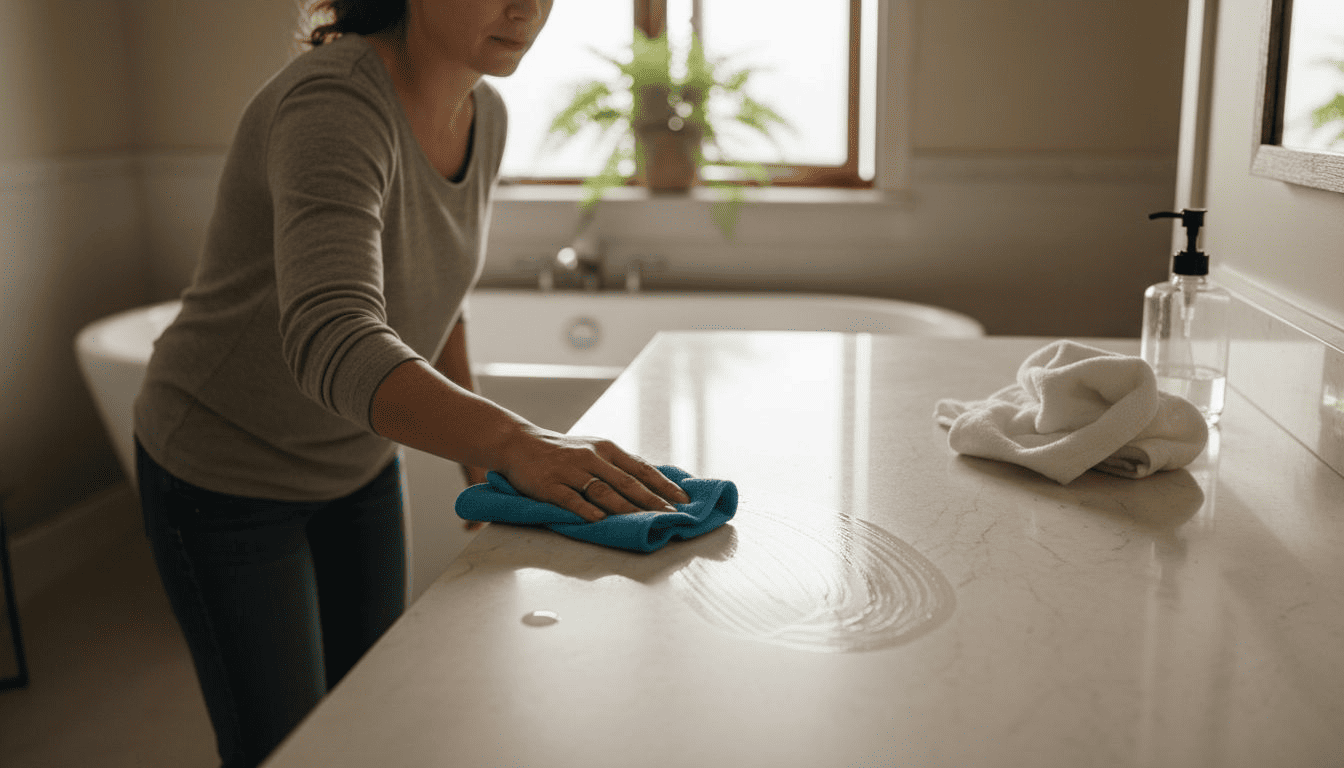
Table of Contents
- Understanding Natural Stone And Surface Protection
- Prerequisites And Preparation: What You Need Before Cleaning
- Choosing And Using Eco-Friendly Cleaners Safely
- Step-By-Step Cleaning Procedures For Natural Stone Bathrooms
- Sealing And Protecting Stone Surfaces
- Common Mistakes And Troubleshooting
- Expected Outcomes And Maintenance Tips
- Discover Eco-Friendly Stone Care Products From Ocean Care Store
- Eco-Friendly Bathroom Cleaning Guide Faq
Key takeaways
| Point | Details |
|---|---|
| Use pH-neutral cleaners | Biodegradable, plant-based formulas protect stone surfaces and the environment without harsh chemicals. |
| Identify your stone type | Calcareous stones like marble require different care than siliceous stones like granite to prevent etching. |
| Seal surfaces annually | Regular sealing extends stone lifespan, prevents stains, and can add up to 10% to your home's value. |
| Avoid acidic substances | Vinegar, lemon juice, and abrasive cleaners cause permanent etching and dullness on natural stone. |
| Follow maintenance routines | Daily care and proper technique ensure lasting beauty and durability of your bathroom stone surfaces. |
Understanding natural stone and surface protection
Natural stone brings timeless elegance to bathrooms, but each type demands specific care to maintain its beauty. Understanding your stone's composition helps you choose compatible cleaning methods and avoid costly damage.
Stone falls into two categories: calcareous and siliceous. Calcareous stones like marble dissolve in acidic solutions causing etching damage, while pH-neutral cleaners are recommended for protection. Marble, travertine, limestone, and onyx are calcareous stones sensitive to acids. Even mild acidic cleaners create permanent dull spots and rough textures on these surfaces.
Siliceous stones include granite, slate, sandstone, and quartzite. These stones resist acids better than calcareous varieties but still need gentle care. Harsh alkaline cleaners or abrasive tools can damage protective sealants and dull the finish over time.
Selecting appropriate pH-neutral cleaners prevents damage across all stone types. These formulas clean effectively without chemical reactions that etch or discolor surfaces. Understanding common mistakes with neutral cleaners helps you protect your investment while maintaining an eco-friendly home.
Pro Tip: Test any new cleaner on a hidden stone area, like behind the toilet or inside a cabinet, before applying it to visible surfaces.
Your stone type determines which products and techniques work best. Consult natural stone care tips from industry experts to identify your specific stone and its unique requirements. This knowledge forms the foundation for successful, sustainable bathroom maintenance.
Prerequisites and preparation: What you need before cleaning
Proper preparation prevents accidental damage and ensures effective cleaning results. Preparation with correct tools reduces risk of stone damage and improves cleaning outcomes. Gather everything you need before starting to avoid interruptions and hasty decisions that could harm your stone.
Essential cleaning supplies
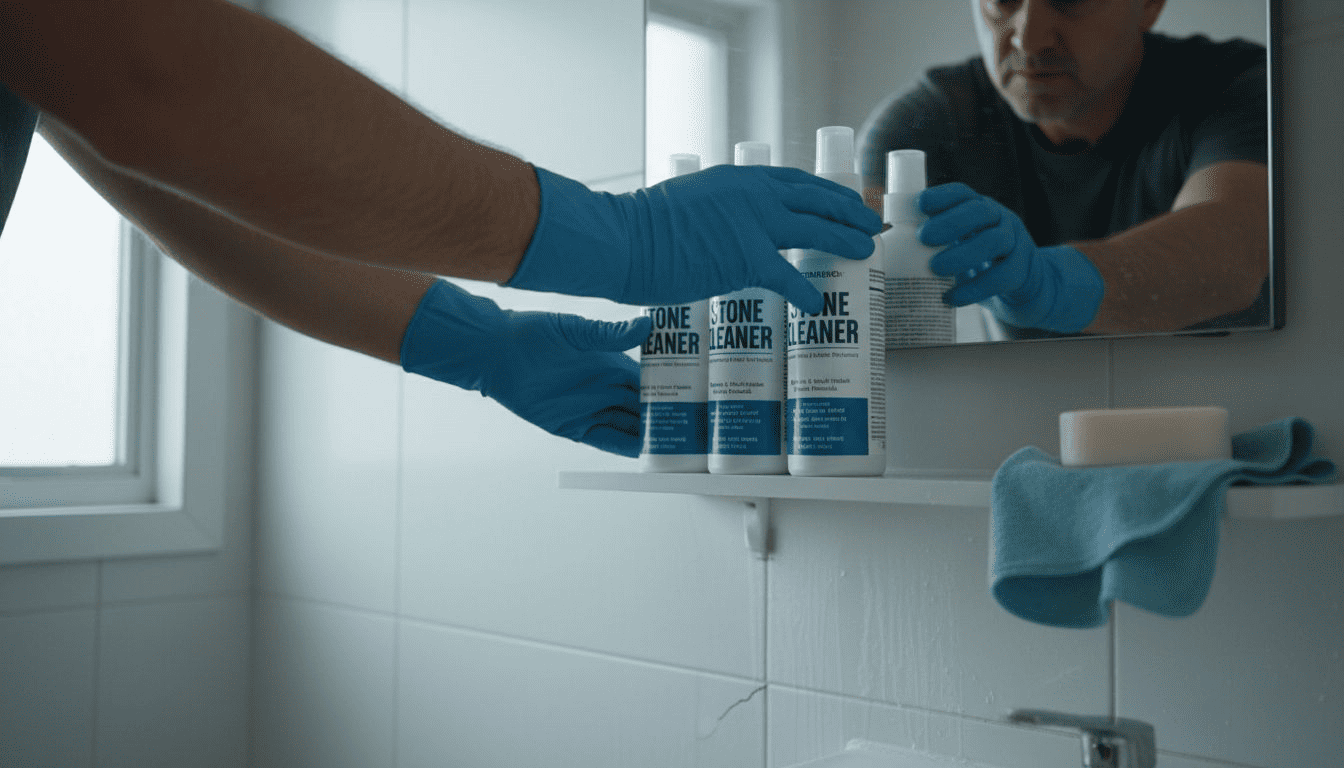
- pH-neutral, plant-based stone cleaner specifically formulated for natural stone
- Multiple microfiber cloths for cleaning and drying
- Soft nylon bristle brush for grout lines and textured surfaces
- Non-abrasive sponges for general cleaning
- Two buckets: one for cleaning solution, one for rinse water
- Spray bottle for applying cleaner efficiently
- Soft cotton towels for final drying
- Rubber gloves to protect hands
Safety and preparation checklist
| Item | Purpose |
|---|---|
| Personal protective gloves | Prevent skin irritation from cleaning products |
| Open windows or fan | Ensure proper ventilation during cleaning |
| Warm water | Facilitates better cleaning and rinsing |
| Test area identified | Hidden spot to verify cleaner compatibility |
| Stone type confirmed | Ensures appropriate product selection |
Choose recommended pH-neutral cleaners designed specifically for natural stone rather than generic bathroom cleaners. Generic products often contain acids, ammonia, or abrasives that damage stone surfaces. Plant-based formulas offer powerful cleaning without environmental or surface harm.
Pro Tip: Keep a dedicated set of cleaning tools exclusively for natural stone to avoid cross-contamination from harsh cleaners used elsewhere in your home.
Organize your supplies within easy reach before you begin. This prevents leaving cleaning solutions on stone surfaces too long while you search for the next tool. Review cleaning preparations and tools to ensure you have everything needed for safe, efficient stone care.
Choosing and using eco-friendly cleaners safely
The right cleaning products make the difference between preserved beauty and permanent damage. Eco-friendly stone cleaners protect both your surfaces and indoor air quality without sacrificing cleaning power.
Selecting safe stone cleaners
Choose pH-neutral, plant-based, biodegradable cleaners specifically formulated for natural stone. Eco-friendly granite and stone cleaners feature pH-balanced formulas safe for marble, granite, quartz, limestone, and engineered stones. These products clean deeply without leaving harmful residue or weakening protective sealants.
Avoid these damaging substances:
- Vinegar, lemon juice, or any acidic cleaners
- Bleach or ammonia-based products
- Abrasive powders or scouring creams
- Generic bathroom cleaners with unknown pH levels
- Products containing dyes or harsh fragrances
Look for cleaners labeled specifically for natural stone use. Generic eco-friendly cleaners may still contain acids harmful to calcareous stones. Verify the product states it's safe for marble, travertine, or your specific stone type.
Application best practices
Always perform a spot test before full application. Apply a small amount to an inconspicuous area and wait 10 minutes. Check for discoloration, dullness, or texture changes before proceeding.
Wearing gloves and ensuring good ventilation reduces exposure to irritants even from natural cleaning products. Open windows or run exhaust fans during cleaning sessions. Even plant-based cleaners can cause skin sensitivity in some individuals.
Pro Tip: No-rinse spray formulas simplify cleaning while preventing water spots, but always read labels to confirm they're truly pH-neutral and stone-safe.
"Switching to eco-friendly stone cleaners reduced my family's exposure to volatile organic compounds by 50% while keeping our marble shower looking pristine. The peace of mind is worth every penny." - Maria T., homeowner
Explore best eco-friendly stone cleaners and sustainable stone sealers that align with your commitment to healthy living. Research shows households can reduce indoor pollutants with eco cleaners by up to 50% compared to conventional products.
Step-by-step cleaning procedures for natural stone bathrooms
Following a systematic approach ensures thorough cleaning without damage. Proper use of eco-friendly cleaners achieves over 85% soap scum and mineral deposit removal within 10-15 minutes without harsh scrubbing that risks scratching.
Detailed cleaning process
- Remove loose debris by dusting or vacuuming stone surfaces using a soft brush attachment.
- Prepare your pH-neutral cleaner according to product instructions, typically diluting with warm water.
- Apply cleaner starting from the top and working downward to prevent streaking.
- Allow the solution to dwell for 3 to 5 minutes, giving it time to break down soap scum and deposits.
- Gently agitate with a microfiber cloth or soft nylon brush using circular motions.
- Pay special attention to grout lines, using a soft brush to clean without damaging the seal.
- Rinse thoroughly with clean warm water, ensuring no cleaner residue remains.
- Dry completely with soft cotton towels to prevent water spots and mineral deposits.
- Inspect for any missed areas or stubborn spots requiring additional treatment.
- Repeat on particularly soiled areas if needed, but avoid excessive scrubbing.
Cleaning technique comparison
| Surface Type | Recommended Tool | Motion Type | Frequency |
|---|---|---|---|
| Smooth stone walls | Microfiber cloth | Circular | Weekly |
| Textured stone | Soft nylon brush | Gentle back and forth | Bi-weekly |
| Grout lines | Small soft brush | Along the line | Weekly |
| Stone countertops | Damp microfiber | Wipe with grain | Daily |
Never let cleaning solution dry on stone surfaces. This creates difficult-to-remove residue and potential discoloration. Work in small sections, rinsing each area before moving to the next.
Pro Tip: Keep a spray bottle of plain water handy for immediate spill cleanup between regular cleaning sessions, preventing stains from setting.
Complete drying prevents mold growth and water spots that dull stone's natural luster. Buff dry surfaces with a clean microfiber cloth for extra shine. Learn more eco-friendly cleaning best practices and review step-by-step eco cleaning for additional guidance on maintaining pristine natural stone bathrooms.
Sealing and protecting stone surfaces
Sealing forms an invisible barrier that protects natural stone from moisture, stains, and daily wear. This critical step extends your stone's lifespan and maintains its appearance for years.
Proper sealing should be performed annually to maintain resistance to water and stains, adding 5% to 10% to home resale value. The investment in quality sealant pays dividends through reduced maintenance and preserved beauty. Sealing reduces stains and etching by up to 60% depending on stone and sealer quality.
When and how to seal
Test if your stone needs sealing by placing a few drops of water on the surface. If water absorbs within 10 minutes, resealing is necessary. If water beads up, the existing seal remains effective.
Choose sealers specifically formulated for bathroom environments:
- Penetrating sealers that absorb into stone rather than coating the surface
- Water-based formulas with low or zero volatile organic compounds
- Products rated for high-moisture areas
- Sealers compatible with your specific stone type
Apply sealer only after thoroughly cleaning and drying stone surfaces. Any dirt or moisture trapped under the sealer creates permanent discoloration. Follow manufacturer instructions for application method, coverage rate, and curing time.
Understand the importance of sealing natural stone and select eco-friendly stone sealers that protect without releasing harmful chemicals into your home. Review stone sealing best practices for detailed application techniques.
Pro Tip: Schedule annual sealing in spring or fall when you can ventilate bathrooms easily, allowing proper curing without temperature or humidity extremes.
Maintaining a sealing schedule protects your investment and simplifies daily cleaning. Sealed surfaces resist stains and require less aggressive cleaning, reducing wear on the stone itself.
Common mistakes and troubleshooting
Avoiding frequent errors preserves your stone's beauty and prevents costly repairs. Understanding what can go wrong helps you implement proper care from the start.
Using acidic cleaners and abrasive tools frequently damage natural stone. Switching to pH-neutral products and soft tools prevents this damage. Many homeowners inadvertently harm their stone by following general bathroom cleaning advice that doesn't account for stone's unique needs.
Top mistakes to avoid
- Using vinegar, lemon juice, or commercial cleaners containing acids on calcareous stones
- Applying bleach or ammonia products that strip sealants and discolor stone
- Scrubbing with abrasive pads, steel wool, or stiff brushes that scratch surfaces
- Leaving cleaning solutions on stone too long, causing residue buildup
- Neglecting to rinse thoroughly after cleaning
- Skipping regular sealing maintenance
- Mixing different cleaning products that may create harmful reactions
- Using excessive water that seeps into grout and weakens adhesion
Fixing damage and dullness
If your stone appears dull or etched, stop using your current cleaning method immediately. Assess whether the damage is superficial residue buildup or actual etching. Residue often responds to proper pH-neutral cleaning and thorough rinsing.
For genuine etching or deep stains, consult a professional stone restoration specialist. Attempting DIY repairs with commercial polishing compounds can worsen damage on some stone types. Professional honing and polishing restore beauty without further harm.
Review common homeowner mistakes and cleaning mistakes that harm stone to identify issues before they become severe. Address sealant issues and solutions promptly to maintain optimal protection.
Pro Tip: Keep a cleaning log noting products used, application dates, and any concerns. This record helps identify problem products quickly and guides future maintenance decisions.
Expected outcomes and maintenance tips
Proper cleaning and maintenance deliver visible, lasting results. Setting realistic expectations helps you evaluate your success and refine techniques over time.
After following this guide, your stone surfaces should appear clean, with no etching, dull spots, or soap scum residue. Colors should look vibrant and true to the stone's natural appearance. Visible removal of soap scum and mineral deposits occurs within 10 to 15 minutes of proper cleaning with quality eco-friendly products.
Maintaining long-term beauty
Establish routines that prevent buildup and extend time between deep cleaning sessions:
- Blot spills immediately with a soft cloth to prevent staining
- Use a squeegee after every shower to remove water from walls and floors
- Wipe surfaces daily with a damp microfiber cloth
- Perform thorough cleaning weekly in high-use bathrooms
- Reseal annually or when water no longer beads on the surface
- Inspect grout lines quarterly and repair any cracks promptly
Routine squeegeeing and blotting after showers minimize buildup and protect stone. Visible improvements occur within weeks of consistent maintenance. These small daily actions significantly reduce time spent on intensive cleaning.
Regular care prolongs stone longevity, maintains home value, and supports your eco-friendly lifestyle. Natural stone properly maintained lasts generations, making it a truly sustainable choice for bathroom design.
Learn to prevent stains naturally and incorporate daily stone maintenance tips into your routine. Consistency matters more than intensity when caring for natural stone.
Pro Tip: Photograph your stone surfaces after deep cleaning to document their best appearance. Compare future photos to assess whether your maintenance routine needs adjustment.
Discover eco-friendly stone care products from Ocean Care Store
Maintaining beautiful natural stone requires the right products formulated specifically for these delicate surfaces.
Ocean Care Store curates a selection of pH-neutral, plant-based stone cleaners that protect your investment while supporting environmental responsibility.
Our sustainable stone sealers extend surface beauty and durability without releasing harmful volatile organic compounds into your home. Every product meets strict eco-friendly standards while delivering professional-grade results. Explore our top eco-friendly stone cleaners designed for marble, granite, travertine, and all natural stone varieties.
Discover sustainable stone sealers that provide lasting protection and browse our eco-friendly cleaning essentials for a complete sustainable home care solution. Shop with confidence knowing each product aligns with your commitment to healthy living and environmental stewardship.
Eco-friendly bathroom cleaning guide faq
Can I use vinegar or lemon juice to clean my marble bathroom?
No, vinegar and lemon juice are acidic and will etch and dull calcareous stones like marble, creating permanent damage. Use pH-neutral cleaners specifically formulated for natural stone instead to preserve your surface's integrity and appearance.
How often should I seal my natural stone bathroom surfaces?
Seal natural stone surfaces at least once every 12 months to maintain stain and moisture resistance. High-use or moisture-prone areas like shower floors may require sealing every 6 to 9 months depending on traffic and water exposure.
What tools should I avoid when cleaning natural stone in my bathroom?
Avoid abrasive scrubbers, hard brushes, steel wool, and harsh scouring pads that scratch and dull stone surfaces. Use only microfiber cloths and soft nylon brushes for gentle yet effective cleaning that protects your stone.
Are eco-friendly cleaners less effective on tough soap scum in stone bathrooms?
No, many pH-neutral, plant-based cleaners remove over 85% of soap scum and mineral deposits within 10 to 15 minutes. Use proper application technique with gentle agitation for best results without risking surface damage from harsh chemicals.
How can I maintain my natural stone bathroom daily to prevent damage?
Blot spills immediately and use a squeegee to remove water from surfaces after showers to prevent mineral buildup. Wipe surfaces daily with a damp microfiber cloth and apply pH-neutral cleaner as needed for light soil between deep cleaning sessions.
Recommended
- Top 5 Eco-Friendly Stone Cleaners for 2026 Homeowners
- Eco-Friendly Grout Cleaning Guide for Safe Surface Care
- How to Prevent Tile Stains Naturally (Eco-Friendly)
- 7 Hard Surface Cleaning Best Practices for Eco Homes
- Best Sponge and Cleaning Solution for Stainless Steel Sinks in Tampa, FL Home Therapist Cooling, Heating, and Plumbing

