
Pool Tile Acid Washing: What It Is and When to Use It
TL;DR:
- Pool tile acid washing removes stubborn stains and calcium deposits by stripping a thin layer of surface material. It is a destructive process suitable only for concrete, gunned, or plaster finishes, and should be performed every 3 to 7 years as a last resort. Regular gentle cleaning and water chemistry balance prevent buildup, eliminating the need for acid treatments.
What is the pool tile acid washing process?
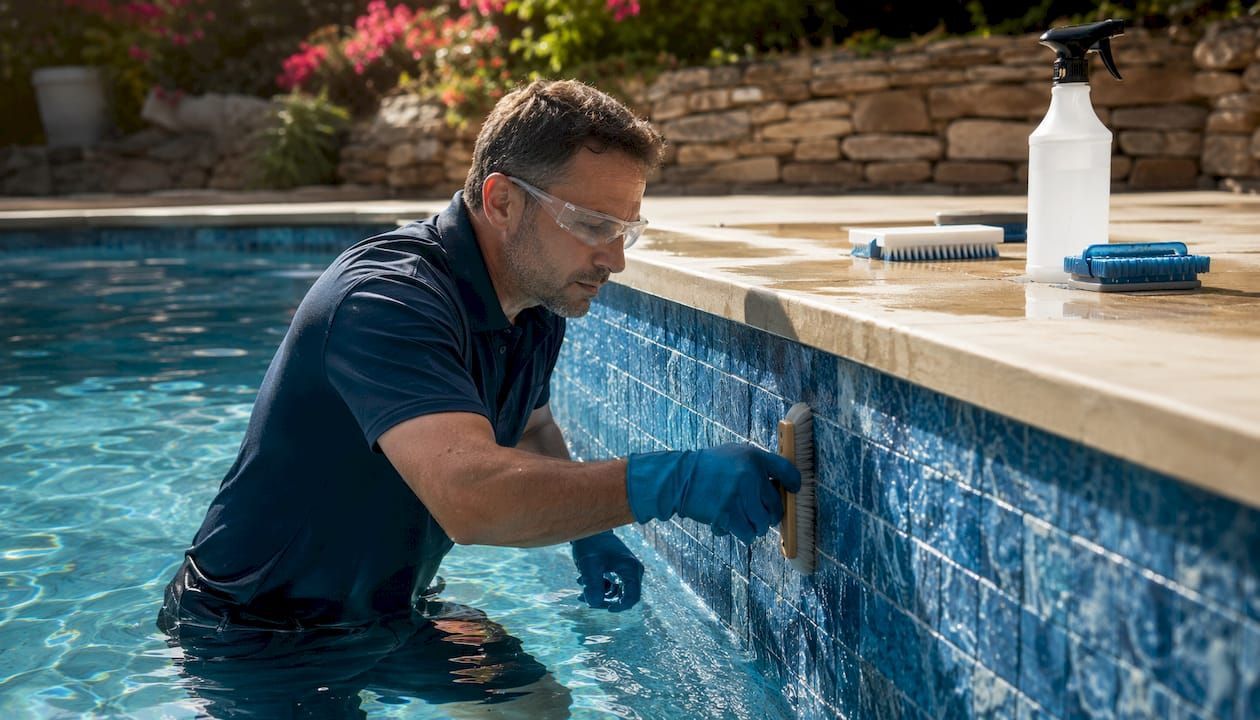
Pool tile acid washing is a chemical surface treatment that strips a thin layer of plaster, concrete, or exposed aggregate to remove embedded stains, calcium deposits, and algae that regular scrubbing cannot touch. It uses diluted muriatic acid applied in controlled sections to a fully drained pool, with immediate scrubbing and rinsing after each pass. Think of it as a hard reset for a pool surface that has gone past the point of routine care.
The process works only on concrete, gunite, plaster, and exposed aggregate finishes. Vinyl, fiberglass, and painted surfaces cannot handle acid contact and will sustain permanent damage.
Here is the standard sequence professionals follow:
- Drain the pool completely using a submersible pump, keeping surfaces wet to prevent plaster from baking in the sun
- Mix muriatic acid with water, always acid into water, never the reverse, at ratios ranging from 1:1 for heavy staining to 1:10 for lighter deposits
- Apply the solution in small sections, scrub with a stiff acid brush, and rinse within 30–90 seconds
- Collect runoff in the deep end, neutralize with soda ash, and dispose of it per local wastewater regulations
- Refill the pool and rebalance water chemistry before swimming
Wear a respirator rated for acid fumes, chemical-resistant gloves, splash-proof goggles, rubber boots, and long-sleeved clothing throughout the entire process.
Table of Contents
Risks and drawbacks you should know before acid washing
Acid washing is destructive by design. Each treatment removes a thin but measurable layer of plaster, which means repeated cycles thin the surface and eventually compromise the pool's structural finish. That physical loss is permanent.
Beyond surface erosion, the risks include:
- Metal fixtures corrode on contact with acid; apply petroleum jelly to ladders, bolts, and light rims before starting
- Acid fumes are hazardous in enclosed or poorly ventilated spaces, especially on hot or humid days
- Improper rinsing leaves residual acid that continues etching the surface and disrupts water chemistry after refilling
- Wastewater must be neutralized and disposed of correctly; many municipalities treat it as hazardous material
Pro Tip: Industry professionals treat acid washing as a last resort, recommended only every 3–7 years and only after every milder cleaning method has failed.
Safer, non-toxic alternatives to acid washing
When scale is limited to the waterline, you do not need to drain the pool and strip the surface. Gentler methods handle most staining without the structural cost.
- Baking soda or glass bead blasting removes waterline scale rings without acid contact or surface damage
- Eco-friendly, plant-based calcium releasers dissolve mineral deposits on tile without harsh fumes or toxic runoff
- Pumice stones and nylon brushes with pH-balanced cleaners handle light to moderate buildup safely
- Professional tile restoration services use low-pressure media blasting for calcium silicate deposits that DIY methods cannot shift
Pro Tip: Cleaning tiles gently every few weeks prevents the kind of buildup that makes acid washing feel necessary. Frequency beats intensity every time.
Oceancarestore carries non-toxic tile cleaners and calcium releasers formulated specifically for pool tile surfaces, so you can address buildup early without reaching for acid.
How balanced water chemistry prevents calcium scale
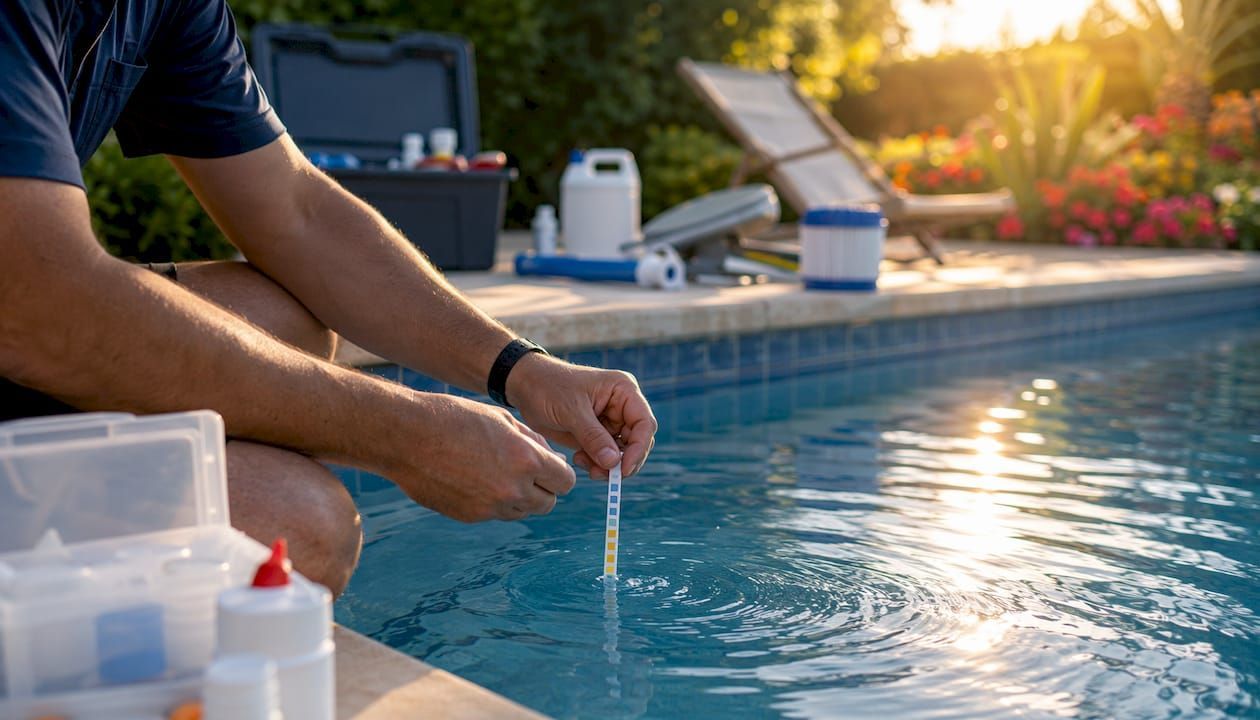
The best defense against stubborn pool tile stains is water that never lets them form. Saturation-index-balanced water chemistry prevents calcium carbonate from precipitating out of solution and bonding to tile surfaces, which is the root cause of most waterline scale.
Keeping these parameters in range cuts the risk dramatically:
- pH: 7.2–7.6
- Total alkalinity: within the recommended range for your pool type
- Calcium hardness: 200–400 ppm
- Weekly testing and prompt adjustment before deposits have time to harden
Catching an imbalance early costs almost nothing to fix. Letting it run for a season creates the kind of scale that requires professional intervention. For a deeper look at calcium removal methods that work without acid, Oceancarestore covers the full range of options.
Routine pool tile maintenance that actually protects your investment
Consistent, gentle care is what keeps pool tiles looking sharp year after year without ever needing an acid wash; for ideas on enhancing your pool ambiance, consider adding a Fontäne für Aufstellpool to bring Schwimmbadfeeling right to your garden. A few habits make a real difference:
- Brush tile surfaces weekly with a nylon brush to prevent mineral deposits from hardening
- Use eco-friendly, low-VOC cleaners and sealers designed for pool tile to protect grout and surface finish
- Seal tiles periodically to create a barrier against calcium, oils, and environmental staining
- Address any discoloration or scale the moment you notice it, before it bonds to the surface
Oceancarestore's pool tile maintenance products include biodegradable cleaners and protective sealers built for exactly this kind of proactive care. Pairing the right products with a consistent schedule is what separates tiles that last decades from tiles that need restoration every few years.
Post-acid washing care and restoring water balance
After acid washing, the pool surface is chemically active and the water chemistry will be completely off. Refill the pool as soon as the surface has been fully neutralized and rinsed. Do not leave a drained concrete pool exposed to sun and temperature swings for longer than necessary, as this risks cracking.
Once filled, rebalancing takes 24–48 hours before the pool is safe to swim in. Adjust pH, alkalinity, calcium hardness, and chlorine in that order. Some professionals rinse the entire surface with a bicarbonate and water solution before refilling to neutralize any remaining acid traces. After swimming resumes, monitor chemistry daily for the first week, since freshly washed plaster tends to affect pH more than a seasoned surface.
Key Takeaways
Acid washing is a last-resort surface treatment, not routine cleaning, and should be performed no more than every 3–7 years on concrete or plaster pools only.
| Point | Details |
|---|---|
| Surface removal per wash | Each acid wash strips approximately 1/32 inch of plaster, making overuse a structural risk. |
| Acid dilution range | Muriatic acid is diluted 1:1 for heavy staining down to 1:10 for lighter deposits. |
| Frequency limit | Acid washing is recommended only every 3–7 years as a last resort after milder methods fail. |
| Post-wash rebalancing | Full water chemistry rebalancing takes 24–48 hours before the pool is safe to use. |
| Best prevention | Saturation-index-balanced water chemistry stops calcium scale before it bonds to tile. |
Oceancarestore specializes in eco-friendly, plant-based cleaners, calcium releasers, and protective sealers that let you maintain pool tiles without ever reaching for acid. Explore the full pool tile restorer line and find the right product for your surface.

