
Plan Around 24 Hours: Sealer Drying Time for Homeowners
Most sealers are dry to the touch within 30 minutes to 4 hours, safe for foot traffic in 1 to 6 hours, and ready for vehicle traffic in 24 to 48 hours. Full cure, when the sealer reaches its final hardness, often takes another day or two beyond that. Temperature, humidity, and how thick you applied the coat can stretch any of those windows considerably.
TL;DR:
- Asphalt sealers typically dry in 30 minutes to 1 hour, but delayed full curing means waiting at least 24 hours before driving or heavy vehicle use.
- Concrete sealers dry to touch in 1 to 2 hours and require 24 to 48 hours for full cure, especially before wheel or vehicle traffic.
- Water-based sealers dry faster on the surface but are more affected by humidity, while solvent-based formulas cure more predictably in damp conditions.
- Applying thin, even coats and avoiding application in cold, humid, or rainy weather significantly reduces drying time and prevents surface defects.
- Waiting at least 24 hours before rain or heavy traffic is critical for ensuring proper curing and surface integrity.
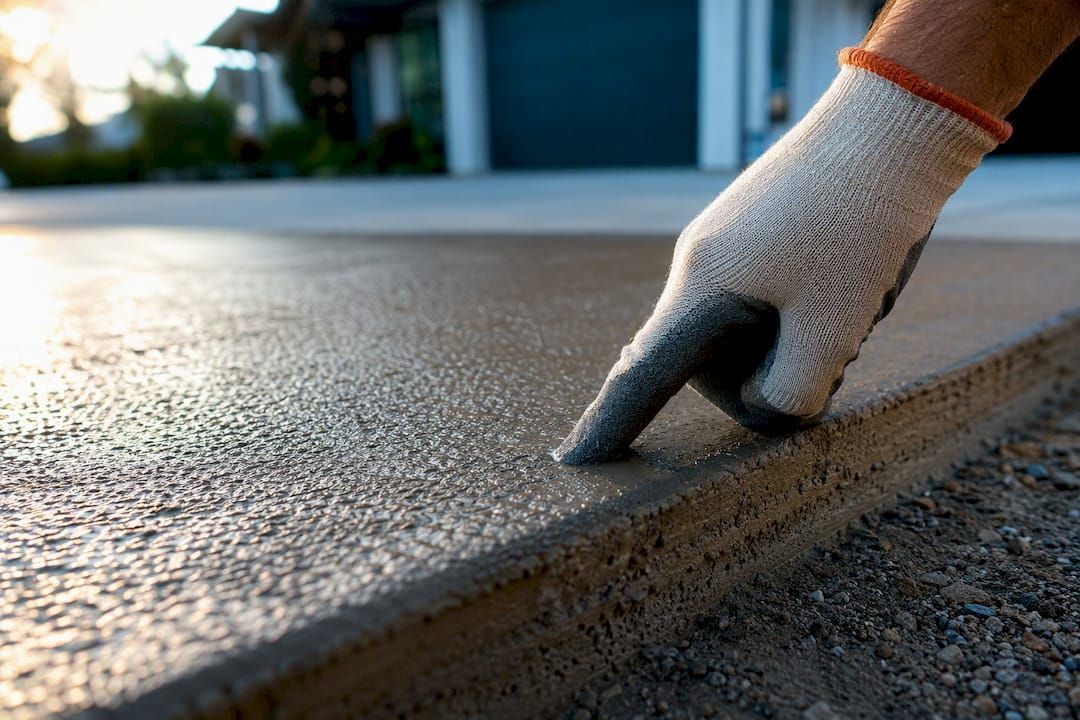
Table of Contents
- Sealer Drying Time by Type: Asphalt, Concrete, and Pavers
- The Five Stages of Sealer Drying You Need to Know
- What Speeds Up or Slows Down Drying Time
- A Simple Checklist for Scheduling Your Sealing Job
- Fixing Rain Damage, Tackiness, and White Blushing
- Why Sealer Chemistry Changes What to Expect
- A Homeowner's Take on Timing It Right
- Get Sealer That's Built for Pool Tile, Stone, and Grout
- Sources
- FAQ
Sealer Drying Time by Type: Asphalt, Concrete, and Pavers
Drying speed depends heavily on what you're sealing and what product you bought. Asphalt sealcoat, concrete sealer, and paver sealer all cure on different schedules, and solvent-based formulas behave differently than water-based ones.
- Asphalt/driveway sealers: Dry to touch in 30 minutes to 1 hour at 70°F and 50% relative humidity, but most manufacturers want you to wait 24 hours before opening the driveway to traffic. Light foot traffic is generally fine after 3 to 4 hours, with full cure landing somewhere between 1 and 3 days depending on the weather.
- Concrete sealers: A typical technical data sheet shows dry-to-touch around 1 to 2 hours, foot traffic cleared at 4 to 6 hours, and wheel traffic waiting 24 to 48 hours. Full drying tracks that same 24 to 48 hour range.
- Paver sealers: Surface film sealers can feel dry within minutes, but the label still tells you to keep pedestrians and vehicles off for 24 hours. Penetrating sealers soak into the stone rather than sitting on top, so they often reach that same 24 hour mark before you should trust them with real use.
- Water-based vs. solvent-based: Water-based sealers tend to dry faster on the surface but can be more sensitive to humidity and dew, since they rely on evaporation rather than chemical solvents flashing off. Solvent-based products often cure a bit more predictably in damp climates, though they carry stronger odors and higher VOC content, which is exactly why plant-based, low-VOC alternatives have become popular for people sealing surfaces near living spaces or pools.
Product labels vary enough that a rough industry blog estimate, like walkable in 3 to 4 hours under ideal conditions, should never override what your specific technical data sheet says.
The Five Stages of Sealer Drying You Need to Know
"Dry" isn't one moment. It's a sequence, and each stage unlocks a different activity.
Dry to touch means the surface no longer transfers to your finger, usually within an hour or two. Recoat-ready is when a second coat can go down without lifting the first, often 2 to 24 hours later depending on the product. Foot traffic ready generally arrives at the 4 to 6 hour mark. Vehicle traffic needs 24 to 48 hours in most cases. Full cure , the point where the sealer has reached its maximum hardness and chemical resistance, can take several days.
Opening a surface too early causes tracking, tire pickup, or soft spots that never fully recover. A simple test: press a fingernail into an inconspicuous spot. If it dents or feels tacky, wait longer.
What Speeds Up or Slows Down Drying Time
Weather and application technique do more to change your drying window than the product label alone suggests.
- Temperature: Most sealers shouldn't go down below roughly 40 to 50°F, since cool or cold weather can leave the film soft and unable to cure fully. Warmer conditions speed things up, but direct hot sun during application can cause bubbling.
- Humidity and dew: High humidity or an overnight dew window slows evaporation dramatically and is a common cause of a cloudy, whitish finish.
- Coat thickness: A heavier coat takes longer to dry all the way through, and it's more likely to trap moisture underneath, which is how you end up with a tacky top layer over a soft bottom layer.
- Surface prep: Clean the surface and let it fully dry before sealing. Applying sealer over lingering moisture from a hose rinse or recent rain is one of the fastest ways to ruin the job.
Pro Tip: Two thin, even coats almost always outperform one thick coat. They dry faster, cure more evenly, and rarely leave the soft, gummy spots that thick applications are known for.
A Simple Checklist for Scheduling Your Sealing Job
Getting the timing right matters more than almost any other factor. Run through this before you open the can.
- Check the forecast first. Confirm no rain, heavy dew, or temperatures below your product's stated minimum are expected inside the manufacturer's rain window, commonly 4 to 24 hours after application.
- Confirm the surface is bone dry. After cleaning or rain, give it at least 24 hours before sealing, longer in humid climates.
- Turn off sprinklers and reroute any irrigation that could hit the surface for at least two days.
- Apply thin, even coats with a roller or sprayer rather than pouring and spreading. Thin coats dry faster and cure more reliably.
- Respect between-coat timing. Many products want a 2 hour minimum between coats on residential jobs, though some brands recommend a full 24 hours.
- Test before you trust it. Touch an inconspicuous area before allowing foot traffic, and wait the full 24 to 48 hours before vehicles or heavy pool furniture return.
Fixing Rain Damage, Tackiness, and White Blushing
If rain hits within the product's stated window, resist the urge to test it right away. Protect the area if you can, let it fully dry, then check adhesion in a small spot before deciding whether a recoat is needed, and photograph any damage in case you need it for a warranty claim.
A tacky or soft film usually means the coat was too thick, the air wasn't moving, or the temperature dropped overnight. Improve airflow, give it more time, and avoid walking on it until it firms up.
White or cloudy blushing happens when moisture gets trapped in or under the sealer film before it can escape. Light blushing sometimes clears as the surface finishes drying; persistent blushing often means stripping and resealing once the substrate is confirmed dry. If a driveway or pool deck shows peeling, uneven color, or the tackiness lasts more than 48 hours past the label's cure window, that's the point to call a sealing professional rather than keep waiting it out.
Why Sealer Chemistry Changes What to Expect
Plant-based, low-VOC sealers behave a little differently than harsher solvent formulas. These products still follow the same core drying stages, but some are built to protect pool tile, natural stone, and grout without the fumes or acidic runoff that can damage surfaces or nearby plants. For more on how the right sealer protects a surface over time, see how sealers extend the lifespan of concrete, stone, and asphalt and how to seal outdoor surfaces.
A Homeowner's Take on Timing It Right
Plan around a clear, dry 24 hour window whenever you can, and always favor two thin coats over one thick one. If the forecast looks iffy, postpone. Saving a day is never worth a blushed, tacky surface you'll be redoing next weekend.
Get Sealer That's Built for Pool Tile, Stone, and Grout
Most conventional sealers force a trade off between performance and fumes strong enough to clear a room. Plant-based, low-VOC formulas can skip that trade off, giving effective protection without acidic runoff or harsh chemical smells that linger around pools and kitchens for days.
If you're planning a resealing job on stone or grout, the Stone & Grout Sealers line covers patios, pavers, and interior floors alike. Pool owners dealing with calcium buildup or dull tile should look at the Pool Tile Maintenance Products collection before sealing, since a clean surface seals more evenly and dries faster. For general upkeep between sealing jobs, the Home Essential Cleaners line handles everyday grime without stripping a fresh seal coat. Browse the product pages, check what your surface needs, and place an order before your next dry weather window opens up.
Sources
FAQ
How long after sealcoating can it get wet?
Most asphalt sealers need at least 24 hours of dry weather before they can handle rain without damage, though some products state a shorter rain-resistance window of around 80 minutes for light unexpected showers. Check your specific label, since this window varies by brand and formula.
Can asphalt sealer dry in 12 hours?
It can reach foot-traffic readiness often in 3 to 4 hours under warm, dry conditions. Vehicle traffic still typically requires the full 24 hours most manufacturers recommend.
What if it rains 24 hours after sealing a driveway?
If rain falls right at or before the 24 hour mark, check an inconspicuous spot for tackiness or lifting before allowing traffic. Light rain after the sealer has fully cured usually causes no damage, but rain hitting a still-soft film can cause blushing or streaking.
How long do you have to stay off concrete after sealing?
Foot traffic is generally safe after 4 to 6 hours, while wheel or vehicle traffic needs 24 to 48 hours. Cooler temperatures or high humidity can push both windows later, so test a small area before resuming normal use.

