
Natural Stone Care: 95% Surface Integrity via Eco Methods
Many homeowners unknowingly damage their natural stone surfaces with harsh, conventional cleaners that cause irreversible etching and dulling. Over 40% of stone damage stems from using acidic or abrasive products not suited for delicate marble, granite, or limestone. This guide teaches you an eco-friendly natural stone care workflow that maintains up to 95% of your surface's original gloss and integrity while protecting the environment and your family's health.
Table of Contents
- Introduction To Natural Stone Care And Eco-Friendly Benefits
- Prerequisites And What You Need Before Starting
- Cleaning Process And Product Application
- Sealing Workflow And Frequency
- Routine Maintenance And Protection
- Troubleshooting And Common Mistakes
- Restoration Techniques For Stains And Etching
- Expected Results And Outcomes
- Discover Eco-Friendly Natural Stone Care Products
- FAQ
Key Takeaways
| Point | Details |
|---|---|
| pH-Neutral Cleaners | Plant-based, pH-neutral formulas prevent etching and preserve stone beauty without environmental harm. |
| Complete Drying | Stone must be fully dry before sealing to avoid moisture trapping, peeling, and white haze defects. |
| Biodegradable Sealers | Low VOC, eco-friendly sealers reduce emissions by 80% while maintaining durable surface protection. |
| Routine Maintenance | Monthly cleaning for indoor stones and bi-weekly for outdoor surfaces prevents costly damage and repairs. |
| Avoid Common Mistakes | Improper cleaner selection and application causes up to 40% of stone damage cases among homeowners. |
Introduction to Natural Stone Care and Eco-Friendly Benefits
Natural stone surfaces like marble, granite, and limestone add elegance to homes but require specialized care. Conventional cleaning products often contain harsh chemicals that etch stone, strip away natural luster, and release toxic fumes into your living spaces. These products also harm aquatic ecosystems when rinsed down drains. Mistaken use of acidic or abrasive cleaners on natural stone causes surface etching and microscopic scratches in over 40% of homeowner cases surveyed. Understanding common stone cleaning mistakes helps you avoid permanent damage.
Plant-based, pH-neutral cleaners solve both problems simultaneously. They maintain stone integrity by matching the neutral pH range that won't react with calcium-based stones like marble or limestone. These eco-friendly stone cleaners reduce your ecological footprint by breaking down naturally after use. Different natural stones have varying sensitivity levels. Marble and limestone are highly reactive to acids, while granite and slate tolerate slightly more aggressive cleaning. Eco-friendly methods support long-term preservation by respecting these differences and minimizing chemical exposure to your household.
Key benefits of eco-friendly natural stone care include:
- Elimination of toxic fumes and residue that traditional cleaners leave behind
- Prevention of surface etching, dulling, and microscopic scratching
- Protection of waterways and soil from chemical runoff
- Safer environments for children, pets, and individuals with sensitivities
- Extended surface lifespan through gentle, effective cleaning action
Prerequisites and What You Need Before Starting
Successful natural stone care begins with proper preparation and the right tools. Gather everything before starting to avoid interruptions that could compromise results. Select pH-neutral, plant-based cleaners specifically formulated for natural stone to prevent damage. Our pH-neutral tile and stone cleaner provides safe, effective cleaning without harsh chemicals. Choose low VOC, biodegradable sealers matched to your specific stone type and environmental conditions. Our selection of biodegradable sealers offers sustainable protection without sacrificing performance.
Essential tools and materials include:
- Soft-bristled brushes or microfiber mops for gentle dirt removal
- Multiple clean microfiber cloths for drying and buffing
- Moisture meter to verify complete surface dryness before sealing
- Safety gear including gloves and masks for sensitive individuals
- Spray bottles for diluting and applying cleaning solutions
- Clean water buckets for rinsing without cross contamination
Ensure your workspace has adequate ventilation. Open windows and doors to improve air circulation and speed drying times. For outdoor stone surfaces, choose dry weather with moderate temperatures between 50°F and 80°F. Extreme heat causes cleaners and sealers to dry too quickly, while cold temperatures prevent proper curing. High humidity above 70% increases drying time and can cause sealer defects. Check weather forecasts before starting outdoor projects to avoid wasted effort and product.
Cleaning Process and Product Application
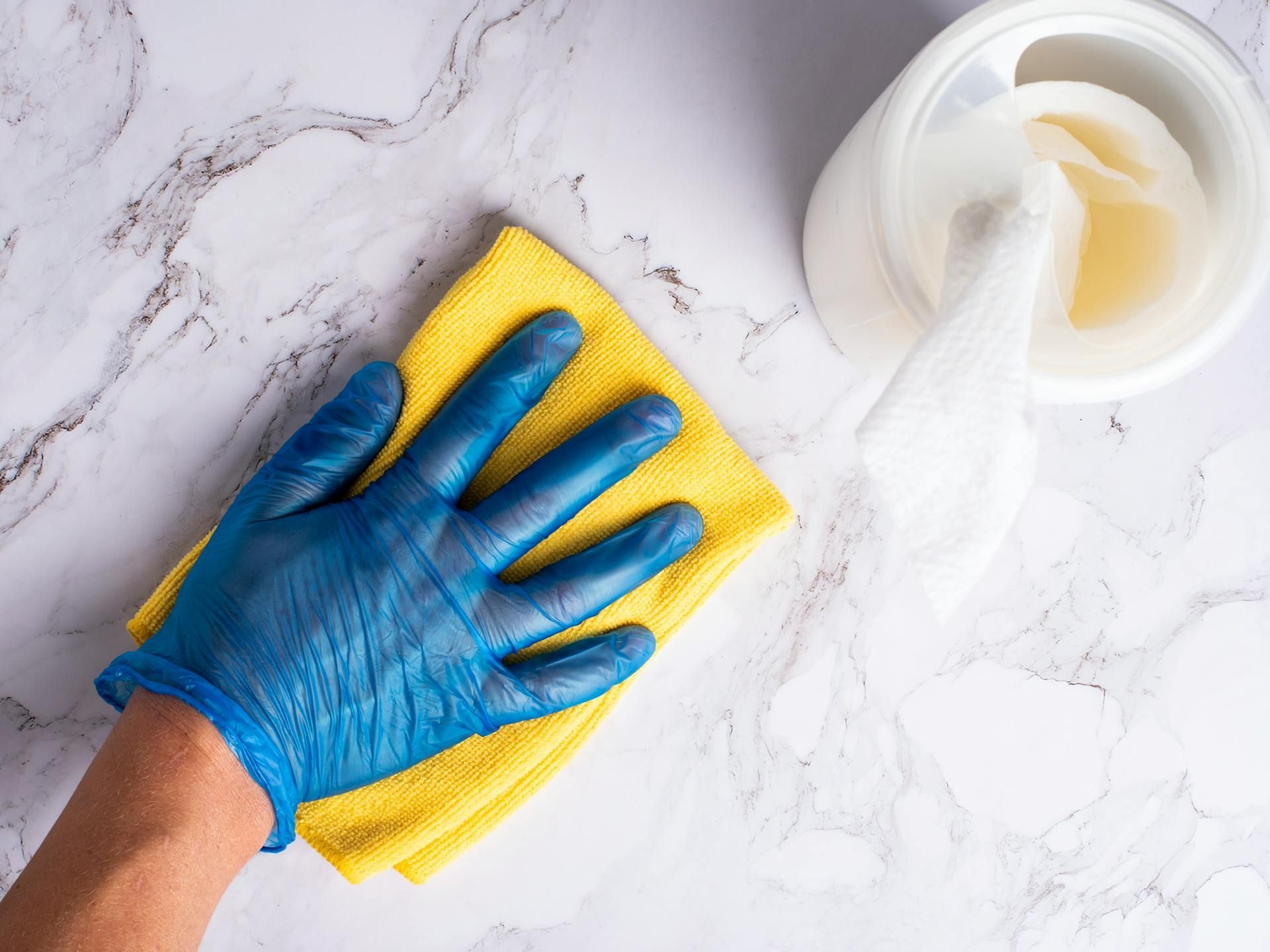
Proper application technique maximizes cleaner effectiveness while protecting your stone. Start by removing loose dirt, dust, and debris with a soft brush or dry microfiber cloth. This prevents scratching when you introduce liquid cleaners. Sweeping or vacuuming first removes abrasive particles that could mar your stone's surface during wet cleaning.
Follow these steps for optimal cleaning results:
- Dilute your pH-neutral cleaner according to manufacturer instructions, typically 2 to 4 ounces per gallon of water.
- Apply the solution evenly across the stone surface using a spray bottle or mop, avoiding oversaturation.
- Allow the cleaner to dwell for 3 to 5 minutes to break down dirt and oils without drying on the surface.
- Gently agitate stubborn spots with a soft brush using circular motions, never scrubbing aggressively.
- Rinse thoroughly with clean water to remove all cleaner residue that could dull the stone or interfere with sealing.
- Dry completely using clean microfiber cloths, then allow air drying for at least 2 to 4 hours before any sealing.
Routine cleaning with pH-neutral, plant-derived cleaners preserves stone surface integrity and prevents etching and dulling over time. Consistent use of pH-neutral cleaner benefits maintains your investment long term. Clean monthly for indoor stones in low traffic areas like bathrooms or decorative features. Increase frequency to bi-weekly for outdoor surfaces, pool decks, or high traffic kitchen countertops. Our cleaning checklist for stone surfaces keeps you organized and thorough.
Pro Tip: Never mix different cleaning products together. Combining formulas can create dangerous chemical reactions or neutralize cleaning effectiveness. Stick with one proven pH-neutral product throughout your entire maintenance routine.
Sealing Workflow and Frequency
Sealing creates a protective barrier that repels stains and moisture while allowing stone to breathe naturally. Improper sealing causes more problems than it solves, so precision matters. The most critical step is confirming your stone is completely dry. Use a moisture meter to verify readings below 4% before applying any sealer. Trapped moisture causes poor adhesion, peeling, and unsightly white haze that requires professional removal.
Follow these sealing best practices:
- Apply biodegradable sealers in thin, even coats using a clean cloth, foam applicator, or low-pressure sprayer
- Work in small sections to maintain wet edges and prevent lap marks
- Remove excess sealer within 5 to 10 minutes to avoid buildup and sticky residue
- Allow proper curing time, typically 24 to 72 hours depending on product and conditions
- Avoid foot traffic and water exposure during the entire curing period
Environmental conditions dramatically affect sealing success. Never seal during high humidity above 70% or when temperatures fall below 50°F or rise above 85°F. These conditions prevent proper penetration and curing, leading to defects. Our eco-friendly sealers provide detailed application guidance for best results. Renew seal annually for outdoor stones exposed to weather, UV rays, and temperature fluctuations. Indoor surfaces in lower traffic areas need resealing every 2 to 3 years depending on wear patterns.
| Stone Type | Indoor Sealing Frequency | Outdoor Sealing Frequency |
|---|---|---|
| Marble | Every 2-3 years | Annually |
| Granite | Every 3-4 years | Every 1-2 years |
| Limestone | Every 1-2 years | Annually |
| Slate | Every 3-5 years | Every 2-3 years |
Pro Tip: Over-sealing damages stone by preventing moisture vapor transmission. Stone needs to breathe to release internal moisture naturally. Applying sealer too frequently causes buildup, discoloration, and potential spalling where the surface flakes away.
Routine Maintenance and Protection
Consistent maintenance preserves the results of your initial cleaning and sealing efforts. Continue regular cleaning with pH-neutral cleaners to prevent buildup of oils, dirt, and minerals that dull stone over time. Daily or weekly light cleaning with plain water and microfiber cloths removes surface debris before it bonds to stone. This reduces the need for more intensive cleaning sessions.
Protect your investment with these ongoing practices:
- Wipe up spills immediately, especially acidic substances like citrus juice, wine, or coffee
- Use coasters, trivets, and cutting boards to prevent direct contact with potentially damaging materials
- Place mats at entryways to trap dirt and grit before it reaches stone floors
- Avoid acidic, abrasive, or toxic products including vinegar, bleach, ammonia, and general-purpose cleaners
- Inspect surfaces monthly to catch early signs of etching, staining, or seal breakdown
Routine cleaning with pH-neutral, plant-derived cleaners preserves stone surface integrity and prevents etching and dulling over time. This approach maintains the preserve stone surface integrity you worked to establish. Supporting environmental responsibility through biodegradable cleaners and low VOC sealers protects both your home and the planet. Our eco-friendly maintenance tips extend beyond stone to include grout and other hard surfaces.
Early detection of problems allows easier remediation. Look for water droplets that absorb quickly instead of beading up, indicating seal degradation. Notice any dull spots, discoloration, or rough texture changes that signal damage requiring attention. Addressing issues promptly prevents minor problems from becoming expensive restoration projects.
Troubleshooting and Common Mistakes
Even experienced homeowners make errors that compromise natural stone. Understanding common pitfalls helps you avoid costly damage and frustration. The most frequent mistake is using acidic or abrasive cleaners marketed for general household cleaning. Products containing lemon, vinegar, bleach, or harsh scrubbing agents etch stone permanently. Mistaken use of acidic or abrasive cleaners on natural stone causes surface etching and microscopic scratches in over 40% of homeowner cases surveyed. Learn from common natural stone cleaning mistakes others have made.
Avoid these critical errors:
- Never seal over damp or dirty surfaces, which traps moisture and contaminants beneath the protective layer
- Don't skip product testing on inconspicuous areas before full application
- Avoid using excessive amounts of cleaner or sealer, thinking more equals better results
- Never ignore manufacturer instructions regarding dilution ratios, dwell times, and curing periods
- Don't assume all natural stone responds identically to cleaning products and techniques
When you discover a mistake, act quickly. If you applied the wrong cleaner, rinse immediately with copious amounts of clean water to dilute and remove as much product as possible. For sealer applied incorrectly, some products offer stripping solutions that safely remove the coating for reapplication. Our guide on common cleaning mistakes to avoid provides detailed troubleshooting for specific scenarios.
Testing prevents disasters. Apply any new product to a hidden 6-inch square area like behind appliances or in closet corners. Wait 24 hours and inspect for discoloration, haziness, texture changes, or other adverse reactions. This small investment of time prevents whole-surface damage that requires professional restoration costing thousands of dollars.
Restoration Techniques for Stains and Etching
Even with careful maintenance, stains and etching occasionally occur. Eco-friendly restoration techniques address these issues without harsh chemicals that further damage stone. Different stain types require specific treatments. Organic stains from food, leaves, or coffee respond to hydrogen peroxide-based poultices. Oil-based stains from grease or cosmetics need different solvents. Metal stains from rust or copper require specialized treatments.
Follow this restoration process for common stains:
- Identify the stain type by its color and location to select the appropriate eco-friendly treatment.
- Clean the area thoroughly with pH-neutral cleaner to remove surface dirt and oils.
- Apply a poultice made from absorbent powder mixed with the appropriate cleaning solution to draw out the stain.
- Cover the poultice with plastic wrap and tape edges to slow drying and maintain effectiveness.
- Allow dwelling for 24 to 48 hours, keeping the poultice moist by misting if it dries out.
- Remove poultice, rinse thoroughly, and repeat if necessary for stubborn stains.
Etching from acid exposure creates dull spots or rough texture. Light etching responds to gentle buffing with fine polishing powder and a soft cloth. Deeper etching requires professional honing and repolishing to restore surface smoothness. Expect visible improvement over weeks as stone responds to treatment. Severely stained or etched stone may need multiple applications for full restoration. Our eco-friendly stone stain prevention guide helps you avoid future problems.
Take precautions during restoration. Work in well-ventilated areas and wear gloves to protect skin from prolonged product contact. Never over-treat by applying too much product or leaving treatments longer than recommended. Patience yields better results than aggressive attempts that risk additional damage. Some stains penetrate too deeply for complete removal, especially in porous stones like marble or limestone.
Expected Results and Outcomes
Proper eco-friendly natural stone care delivers measurable, lasting benefits. Using pH-neutral, plant-based cleaners preserves up to 95% of surface gloss after one year of consistent monthly cleaning compared to untreated or improperly maintained stone. Biodegradable sealers reduce VOC emissions by up to 80% versus traditional solvent-based products while providing comparable or superior stain protection. These improvements benefit both your home environment and outdoor air quality.
Proper care reduces costly renovations by 30 to 40% over a stone surface's lifetime. Preventive maintenance costs pennies per square foot monthly compared to thousands for professional restoration or replacement. Stone surface integrity and gloss remains at 90% or higher with routine care using appropriate products and techniques. Sustainable products create healthier indoor environments by eliminating toxic residue that accumulates from conventional cleaners.
| Maintenance Approach | Surface Gloss Retention | VOC Reduction | Cost Savings |
|---|---|---|---|
| Eco-Friendly Workflow | 95% after 1 year | 80% vs. traditional | 30-40% reduction |
| Conventional Cleaners | 70-75% after 1 year | 0% (baseline) | Baseline |
| No Maintenance | 50-60% after 1 year | N/A | Highest long-term cost |
Experience the sustainable stone protection benefits firsthand with consistent application. Discover how effective eco-friendly stone cleaners outperform conventional alternatives. Research on marble maintenance outcomes confirms these benefits across residential and commercial applications.
Beyond quantifiable metrics, eco-friendly care provides peace of mind. You protect your family from toxic exposure while contributing to environmental conservation. Natural stone maintains its beauty and value, enhancing your property's aesthetic appeal and resale potential. The workflow becomes routine after initial implementation, requiring minimal time investment for maximum return.
Discover Eco-Friendly Natural Stone Care Products
Ready to transform your natural stone care routine? Our curated selection of eco-friendly products makes sustainable maintenance effortless.
Explore our pH-neutral stone cleaner formulated specifically for delicate natural stone surfaces without harsh chemicals. Protect your investment with our range of biodegradable stone sealers that reduce environmental impact while delivering superior performance. For heavily soiled surfaces, our intensive stone cleaner concentrate tackles tough buildup safely. Each product undergoes rigorous testing to ensure compatibility with marble, granite, limestone, and other natural stones while meeting strict environmental standards.
FAQ
How often should I clean natural stone surfaces using eco-friendly products?
Indoor low traffic stones need monthly cleaning with pH-neutral products. Outdoor or high traffic stones require bi-weekly to monthly cleaning depending on exposure and use. Consistent use of appropriate cleaners prolongs stone lifespan significantly compared to irregular or improper maintenance. Refer to our stone cleaning frequency recommendations for specific guidance.
What signs indicate I should reseal my natural stone surfaces?
Dull spots or water absorption instead of beading signals lowered sealer protection. Surface stains that penetrate easily even after prompt cleaning indicate seal degradation. General resealing timelines suggest every 1 year for outdoor stones and every 2 to 3 years for indoor surfaces depending on traffic and exposure. Check our resealing timing advice for detailed guidance.
Can I use homemade natural remedies for cleaning and sealing stone?
Homemade remedies often lack data on pH levels and chemical impact on natural stone. Common ingredients like vinegar, lemon, and baking soda risk causing irreversible acid damage or abrasive scratching. Even natural substances can harm delicate stone surfaces. Prefer plant-based, tested products formulated specifically for natural stone with documented safety profiles. Explore our safe eco-friendly cleaners for reliable alternatives.
How can I test if a cleaner or sealer product is safe for my natural stone?
Always apply any new product on a hidden small area first, such as behind appliances or in closet corners. Observe the test spot for discoloration, haze, texture changes, or other adverse reactions over 24 hours. Discard products causing any negative effects to prevent whole-surface damage. Our guide on testing stone care products walks through proper testing procedures.
Recommended

