
Eco-Friendly Cleaning Extends Surface Life 30% in Property Care
Eco-Friendly Cleaning Extends Surface Life 30% in Property Care
Many property managers assume eco-friendly cleaners can't match the power of harsh chemicals. This misconception leads to unnecessary surface damage and environmental harm. The truth is that sustainable cleaning solutions protect your pools and natural stone while delivering exceptional results. This guide reveals how biodegradable products work, what science says about their effectiveness, and how to apply them for maximum benefit in property management.
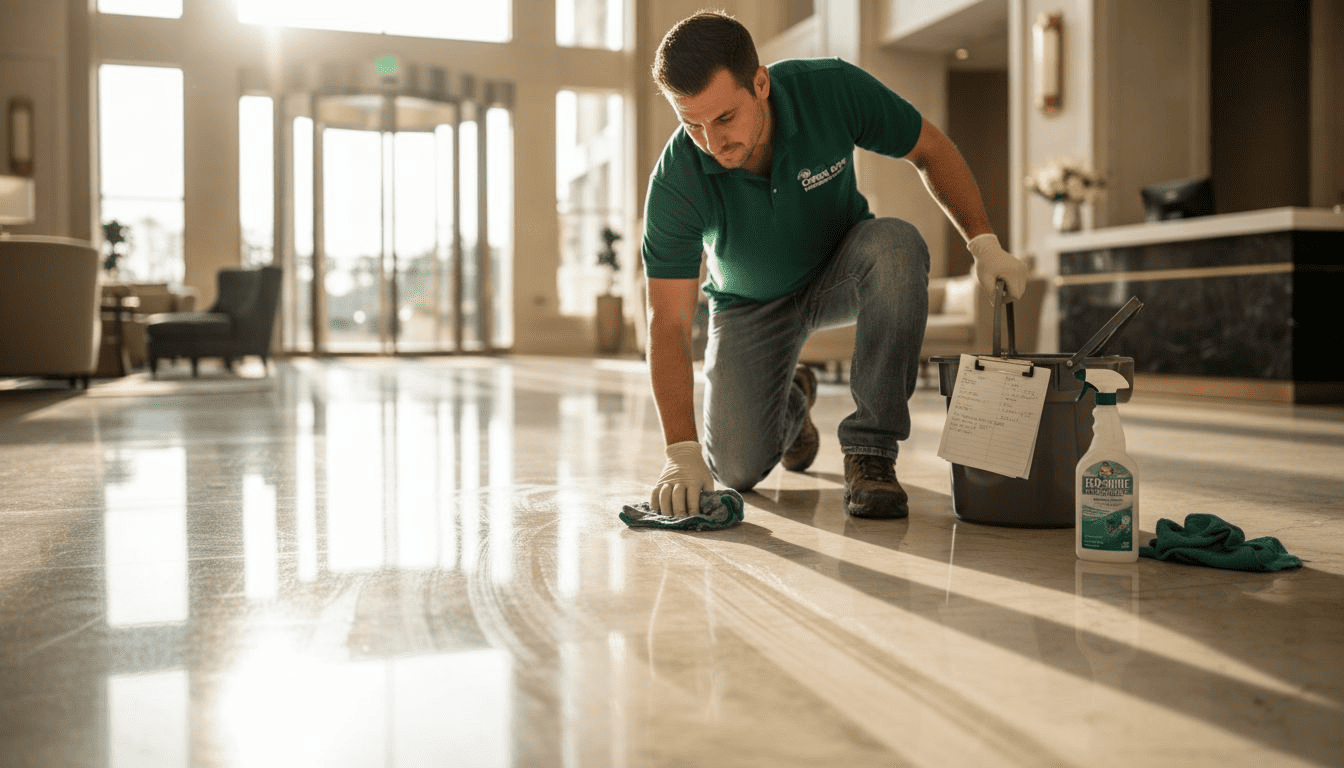
Table of Contents
- Introduction To Eco-Friendly Cleaning In Property Management
- How Eco-Friendly Cleaners Work On Pools And Natural Stone
- Comparing Eco-Friendly And Traditional Cleaning Solutions
- Common Misconceptions About Eco-Friendly Cleaning
- Practical Application: Best Practices For Property Managers And Homeowners
- Elevate Your Property Care With Our Eco-Friendly Cleaning Solutions
- Frequently Asked Questions
Key Takeaways
| Point | Details |
|---|---|
| Surface Longevity | Eco-friendly cleaners extend natural stone and pool tile lifespan by up to 30% through gentle, acid-free formulations. |
| Environmental Safety | Plant-based, biodegradable ingredients with low VOC content reduce water pollution and improve indoor air quality significantly. |
| Proven Effectiveness | Scientific research confirms eco-friendly products match traditional chemicals for stain removal and routine maintenance when applied correctly. |
| Health Protection | Reduced chemical exposure protects residents, staff, and maintenance workers from toxic residues and respiratory irritants. |
| Cost Efficiency | Long-term savings emerge from fewer surface repairs, reduced health issues, and sustainable resource management. |
Introduction to Eco-Friendly Cleaning in Property Management
Eco-friendly cleaning products represent a fundamental shift in how we maintain sensitive surfaces. These formulations rely on biodegradable cleaning products that break down naturally in water within 28 days, according to OECD biodegradability standards. Unlike conventional cleaners, they avoid harsh acids, chlorine, and phosphates that damage delicate materials.
Natural stone surfaces like marble, travertine, and limestone are particularly vulnerable to chemical etching. Pool tiles face constant exposure to minerals, organic matter, and cleaning residues. Traditional acid-based cleaners may remove stains quickly but gradually erode surface integrity, creating rough textures that trap more dirt.
The environmental stakes are equally high. Conventional cleaning chemicals contribute to water contamination when they wash into drainage systems. Indoor air quality suffers when volatile organic compounds evaporate from surfaces. Eco-friendly cleaning products address both concerns simultaneously.
Key benefits of sustainable cleaning approaches include:
- Protection of surface aesthetics and structural integrity over decades
- Elimination of toxic residue buildup in pool water and grout lines
- Safer working conditions for maintenance staff handling cleaning solutions daily
- Reduced environmental footprint through biodegradable formulations
- Compliance with green building standards and sustainability certifications
Property managers face growing pressure to meet environmental standards while maintaining pristine facilities. The good news is that you don't need to compromise effectiveness to achieve sustainability goals. Modern plant-based formulations deliver professional results without the collateral damage of traditional chemicals.
How Eco-Friendly Cleaners Work on Pools and Natural Stone
Plant-based cleaners leverage natural chemistry rather than brute force. Surfactants derived from coconut, corn, or citrus oils break down grime through a process called emulsification. These molecules have one end that attracts water and another that attracts oil, allowing them to lift dirt particles without scratching surfaces.
The absence of acids makes all the difference for preservation. Acid-free cleaning formulas prevent the chemical reactions that etch calcium-based stones like marble and limestone. Research from the Natural Stone Institute shows that non-toxic cleaners extend surface lifespan by up to 30% compared to acid-based alternatives.
Mineral deposits pose a common challenge in pool maintenance. Calcium buildup creates unsightly white scaling on tiles and waterlines. Eco-friendly pool tile cleaners use chelating agents that bind to calcium ions, making them water-soluble without aggressive scrubbing or harsh acids.
Stain prevention works through protective mechanisms:
- Enzyme-based formulas break down organic matter like algae and body oils at the molecular level
- pH-balanced solutions clean effectively without disrupting the protective patina on sealed surfaces
- Gentle abrasives in some formulations provide mechanical action without microscopic scratching
- Low-foaming agents ensure thorough rinsing, preventing residue that attracts new dirt
Pro Tip: Always follow the manufacturer's recommended dwell time for eco-friendly cleaners. Many plant-based formulas need 5 to 10 minutes of contact time to fully activate their cleaning agents. Rushing the process reduces effectiveness and may require reapplication.
The preservation of surface aesthetics extends beyond immediate cleaning. Traditional chemicals can dull the natural luster of polished stone or fade colored grout over time. Eco-friendly alternatives maintain the original appearance while removing contaminants, protecting your investment in premium materials.
Comparing Eco-Friendly and Traditional Cleaning Solutions
Understanding the differences between cleaning approaches helps you make informed decisions. Both categories can remove dirt, but their methods and consequences vary dramatically.
| Factor | Eco-Friendly Cleaners | Traditional Chemical Cleaners |
|---|---|---|
| Cleaning Power | Effective on routine maintenance and most stains with proper dwell time | Fast action on heavy buildup but may require stronger concentrations |
| VOC Content | Less than 0.1% volatile organic compounds | 1-10% VOCs that evaporate into indoor air |
| Surface Safety | Acid-free, non-corrosive formulas protect delicate materials | Acids and alkalis can etch stone, corrode grout, damage sealants |
| Environmental Impact | Biodegradable within 28 days, minimal aquatic toxicity | Persistent chemicals accumulate in water systems |
| Health Risks | Low toxicity, reduced respiratory and skin irritation | May cause burns, breathing problems, require protective equipment |
| Long-Term Cost | Higher per-bottle price, lower total cost from reduced repairs | Lower initial cost, higher expenses from surface damage |
The VOC difference matters more than many realize. Low VOC cleaning benefits include significantly improved indoor air quality, according to EPA research. Plant-based cleaners contain less than 0.1% VOCs compared to up to 10% in conventional products, reducing respiratory irritation for occupants and staff.
Environmental runoff creates consequences beyond your property. When traditional cleaners wash into storm drains, they disrupt aquatic ecosystems. Phosphates fuel algae blooms that deplete oxygen in waterways. Heavy metals and synthetic fragrances persist in soil and groundwater.
Surface damage accumulates gradually with traditional chemicals:
- Acid cleaners dissolve calcium carbonate in marble, limestone, and travertine
- High pH alkalis break down natural stone sealers prematurely
- Chlorine bleach discolors colored grout and natural stone
- Ammonia-based products leave residues that attract dirt faster
Cost analysis requires looking beyond the bottle price. Top eco-friendly cleaners may cost 20 to 30% more initially, but you avoid expensive surface restoration, resealing, and replacement. Factor in reduced health insurance claims from chemical exposure, and the financial case strengthens further.
The effectiveness question deserves special attention. While traditional cleaners work faster on extreme buildup, regular maintenance with eco-friendly vs traditional cleaning approaches prevents that buildup from forming. Prevention beats aggressive intervention for both surface preservation and total cost of ownership.
Common Misconceptions about Eco-Friendly Cleaning
Myths about sustainable cleaning persist despite mounting evidence. Let's address the most common doubts that prevent property managers from making the switch.
- Eco-friendly cleaners lack sufficient cleaning power. This misconception stems from early green products that prioritized safety over performance. Modern formulations have closed that gap entirely. Scientific studies confirm plant-based cleaners match traditional chemicals when used according to instructions, according to research from the Natural Stone Institute. The key is proper application technique and adequate dwell time.
- Green products cost too much for property budgets. Initial purchase prices tell only part of the story. Long-term savings accumulate from reduced surface repair costs, fewer worker compensation claims, lower water treatment expenses, and extended intervals between major renovations. Many property managers report 15 to 25% savings in total maintenance costs over five years.
- All eco-friendly products are completely safe without precautions. Natural doesn't automatically mean risk-free for every surface or person. Some plant-based ingredients can trigger allergies in sensitive individuals. Concentrated formulas still require dilution according to label directions. Certain eco-friendly cleaners work beautifully on tile but may not suit unsealed natural stone.
- You need different products for every surface type. While surface-specific formulas optimize results, many eco-friendly multi-surface cleaners handle pools, stone, tile, and grout effectively. This versatility actually reduces inventory complexity and training requirements for maintenance staff.
- Green cleaning takes more time and effort. Proper technique matters more than product type. Once staff learn optimal application methods for
eco-friendly cleaning myths , cleaning times match or beat traditional approaches. The reduced need for protective equipment and ventilation can actually speed up workflows.
Pro Tip: Always verify third-party certifications like EPA Safer Choice, Green Seal, or EcoLogo when selecting products. These labels confirm that independent testing has validated environmental and performance claims. Check compatibility with your specific surface types before committing to large quantities.
The most persistent myth is that you must sacrifice either effectiveness or environmental responsibility. Modern cleaning science proves you can achieve both simultaneously with proper product selection and application technique.
Practical Application: Best Practices for Property Managers and Homeowners
Implementing eco-friendly cleaning successfully requires a systematic approach. Follow these steps to maximize benefits while protecting your surfaces and investment.
- Assess your surfaces before selecting products. Different materials have unique vulnerabilities. Polished marble needs gentler treatment than porcelain tile. Sealed versus unsealed stone requires different product pH levels. Document surface types, existing damage, and current maintenance schedules. This baseline helps you measure improvement and adjust techniques.
- Choose certified, surface-appropriate eco-friendly cleaners. Look for acid-free formulations specifically designed for natural stone or pool tiles. Natural stone sealers and cleaners should work together to protect surfaces long-term, according to proper selection guidelines. Verify that products carry relevant certifications for biodegradability and low VOC content.
- Apply products according to manufacturer instructions. This step separates successful outcomes from disappointing results. Most eco-friendly cleaners need adequate contact time to activate their plant-based enzymes and surfactants. Dilute concentrates precisely as directed. Use appropriate tools like soft brushes or microfiber cloths rather than abrasive scrubbers.
- Establish a regular maintenance schedule. Prevention beats correction in surface care. Weekly light cleaning with eco-friendly products prevents the heavy buildup that tempts people back to harsh chemicals. Monthly deeper cleaning addresses waterlines, grout, and high-traffic areas. Quarterly inspections catch problems before they require aggressive intervention.
Additional practical considerations include:
- Store products in original containers away from extreme temperatures
- Train all maintenance staff on proper dilution ratios and safety procedures
- Combine regular cleaning with periodic sealing for maximum surface protection
- Keep detailed records of products used and results achieved
- Adjust cleaning frequency based on usage patterns and environmental factors
The relationship between cleaning and sealing deserves emphasis. Even the gentlest cleaner works better on properly sealed surfaces. Stone sealing best practices recommend reapplication every 1 to 3 years depending on traffic and exposure. This protective barrier makes routine cleaning more effective while reducing product consumption.
Eco-friendly cleaning best practices also apply to specialized challenges like grout maintenance. Grout cleaning with eco-friendly products requires attention to porosity and staining patterns. Enzyme-based formulas excel at removing organic stains from grout lines without the bleaching that damages surrounding natural stone.
Timing matters for pool maintenance. Clean tiles when water levels are low to access waterlines effectively. Address calcium buildup promptly before it hardens into thick layers requiring mechanical removal. Regular brushing combined with appropriate eco-friendly cleaners prevents most scaling issues entirely.
Consistency delivers the best results. Staff members need clear protocols, proper training, and quality tools. When everyone follows the same procedures with reliable products, surface conditions improve steadily while maintenance becomes more predictable and efficient.
Elevate Your Property Care with Our Eco-Friendly Cleaning Solutions
Transforming your maintenance approach starts with the right products and trusted guidance. Our carefully selected range of biodegradable, acid-free cleaners delivers professional results for pools and natural stone without compromising your environmental values or surface integrity.
We understand the unique challenges property managers face balancing cleanliness, safety, and sustainability. That's why our eco-friendly cleaning essentials include formulations specifically designed for the demanding conditions of pool environments and high-traffic stone surfaces. From routine maintenance to restoration projects, our pool tile maintenance products protect your investment while supporting health and environmental responsibility. Explore our expert-approved solutions and discover how sustainable cleaning can enhance property value, occupant satisfaction, and operational efficiency. Visit our comprehensive hard surface cleaning tips to learn advanced techniques that maximize results.
Frequently Asked Questions
Are eco-friendly cleaners safe for all types of natural stone?
Most eco-friendly, acid-free cleaners work safely on sealed natural stone including marble, granite, travertine, and limestone. Always verify product labels specify compatibility with your specific stone type. Unsealed or highly porous stones may require specialized formulations or sealing before regular cleaning.
How often should I clean pool tiles using eco-friendly products?
Weekly light cleaning prevents buildup and reduces the need for intensive scrubbing. Clean waterlines and high-use areas twice weekly during peak swimming season. Monthly deep cleaning addresses calcium deposits and organic staining. Adjust frequency based on bather load, water chemistry, and environmental factors like pollen or dust.
Can eco-friendly cleaners fully remove tough stains like calcium buildup?
Yes, when applied correctly with adequate dwell time. Plant-based chelating agents in quality eco-friendly formulas dissolve calcium deposits effectively without acid etching. Severe buildup may require multiple applications or slightly longer contact time than traditional acid cleaners. Prevention through regular maintenance eliminates most heavy scaling.
Do eco-friendly products reduce allergen risks for residents and staff?
Significantly. Low VOC formulations minimize respiratory irritation and airborne chemical exposure. Plant-based ingredients generally cause fewer skin reactions than synthetic chemicals. However, individuals with specific plant allergies should review ingredient lists. Proper ventilation during cleaning remains important even with safer products.
What certifications should I look for when buying these cleaning products?
Prioritize EPA Safer Choice, Green Seal, or EcoLogo certifications that verify independent testing. USDA BioPreferred labels confirm plant-based content percentages. For pool products, NSF/ANSI Standard 50 certification ensures safety for recreational water treatment. Avoid vague terms like "natural" or "green" without third-party validation. Check that products specifically state compatibility with your surface types and intended applications. Our eco-friendly pool maintenance guide provides detailed certification information to help you make informed choices.
Recommended
- Eco-Friendly Cleaning: Safer Solutions for Surface Care
- 7 Hard Surface Cleaning Best Practices for Eco Homes
- Eco-Friendly Grout Cleaning Guide for Safe Surface Care
- Home Essential Cleaners: Premier Kitchen and Bath Cleaners for Everyday Shine
- Commercial Property Cleaning – Protecting Value and Tenancy
- Eco Pest Control – Safe and Effective Solutions | Apex Pest

