
Green cleaning for pools: protect surfaces and health
TL;DR:
- Green pool cleaning uses biodegradable, plant-based products to protect surfaces, improve swimmer health, and reduce environmental harm. This method preserves tile and grout, lowers chemical exposure, and enhances long-term pool maintenance while often saving costs. Transitioning gradually to eco-friendly routines ensures better surfaces, healthier swimmers, and a more sustainable pool environment.
Most pool owners assume the only way to keep their water sparkling and their tiles free of grime is to pour in a cocktail of harsh chemicals. That assumption is not just outdated, it's quietly damaging your pool surfaces, irritating your family's skin, and sending toxins into the surrounding environment every time your pool drains or splashes over. The good news is that eco-friendly cleaning methods have advanced to the point where they match, and in many cases outperform, conventional chemical approaches. This guide walks you through exactly what green pool cleaning means, why it works, and how to make the switch without sacrificing results.
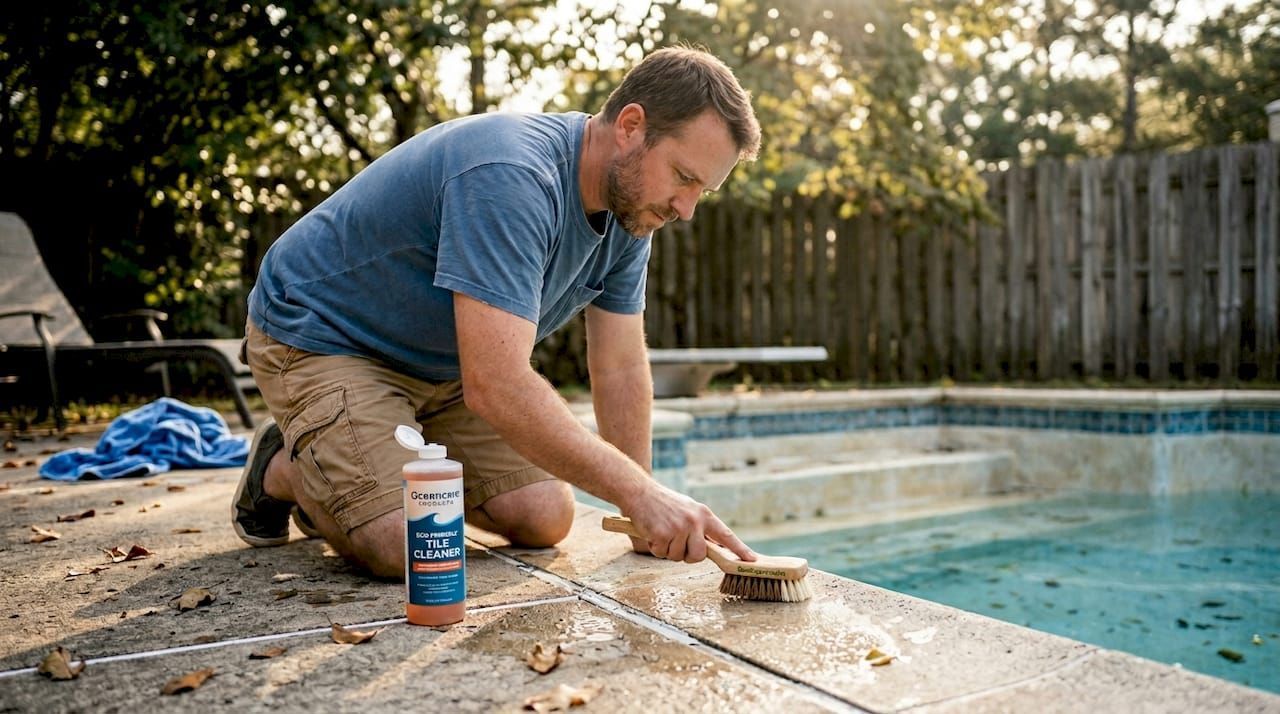
Table of Contents
- What is green cleaning in pools?
- Benefits of green pool cleaning for pool surfaces and health
- Comparing eco-friendly vs. chemical pool cleaning methods
- How to implement green cleaning for pool maintenance
- The uncomfortable truth: Why most pool owners overlook green cleaning
- Switch to green pool cleaning for lasting surface protection
- Frequently asked questions
Key Takeaways
| Point | Details |
|---|---|
| Protects surfaces | Green pool cleaning minimizes surface wear and extends tile and grout lifespan. |
| Reduces health risks | Eco-friendly solutions decrease exposure to hazardous chemicals for swimmers and pets. |
| Environmentally responsible | Choosing green cleaning helps preserve local water and ecosystems. |
| Cost-effective maintenance | Proper use of green cleaners can reduce expensive repairs over time. |
What is green cleaning in pools?
Green cleaning, in the context of pools, refers to using plant-based, biodegradable, and low VOC (volatile organic compound) products to clean, protect, and maintain pool tiles, stone, grout, and water-contacting surfaces. The goal is to deliver the same cleaning power as traditional methods while eliminating unnecessary exposure to chlorine accelerators, muriatic acid, and petroleum-derived surfactants.
There are three core goals behind green pool cleaning. First, health safety : keeping swimmers free from chemical irritants that cause red eyes, dry skin, and respiratory reactions. Second, surface protection : preserving the integrity of delicate pool tiles, natural stone, and grout rather than slowly eroding them with acid-based cleaners. Third, environmental responsibility : ensuring that what goes into your pool, and what drains out of it, does not harm local waterways, soil, or wildlife.
Traditional chemical methods rely heavily on strong acids and chlorine-based compounds to break down calcium deposits, biofilm, and algae. While effective in the short term, these products can etch tile glazing, degrade grout, and contribute to the formation of chloramines, which are the compounds responsible for that sharp "chemical pool smell" many people incorrectly associate with cleanliness.
Green cleaning products typically contain:
- Plant-derived surfactants that lift grime without scratching tile surfaces
- Citric acid or lactic acid alternatives that dissolve calcium buildup gently
- Enzyme-based formulas that break down organic matter, including algae and biofilm
- Non-toxic descalers free from phosphoric and muriatic acid
- Biodegradable preservatives that maintain formula stability without synthetic chemicals
For a broader look at how these ingredients fit into a complete maintenance routine, the eco-friendly cleaning essentials guide offers a strong starting point. Adopting sound hard surface cleaning practices also helps you apply these products correctly from day one.
Benefits of green pool cleaning for pool surfaces and health
Once you understand what green cleaning involves, the benefits become practical and concrete rather than abstract or idealistic.
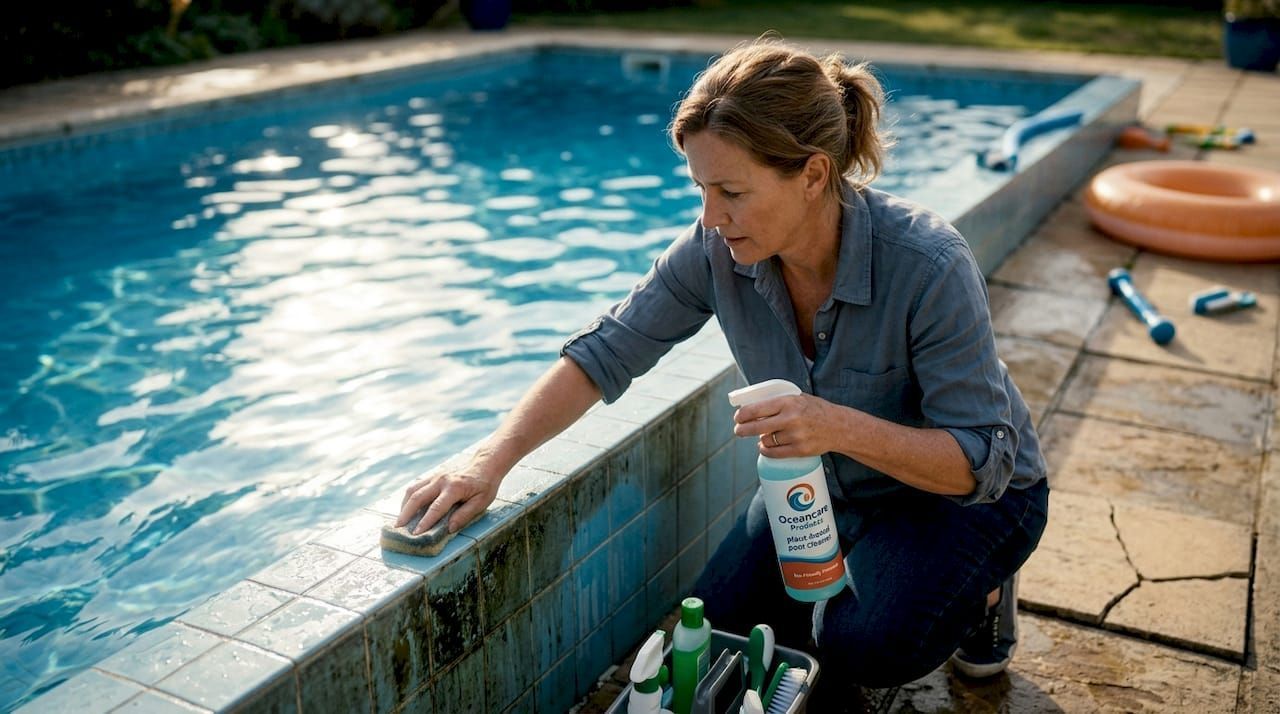
Surface protection is the biggest win most pool owners don't anticipate. Pool tiles, especially ceramic, glass mosaic, and natural stone varieties, have glazed or porous surfaces that respond poorly to repeated acid exposure. Muriatic acid, commonly used to remove calcium scale, strips tile glaze over time and opens up the grout structure to further staining and cracking. Plant-based pool tile cleaner types work at a lower pH, dissolving mineral deposits without compromising the tile's protective layer. Over a five-year period, the difference in tile condition between chemically cleaned pools and eco-cleaned pools is striking.
Swimmer health is another area where the evidence strongly favors green methods. Chloramines, which form when chlorine reacts with organic matter like sweat and sunscreen, are the real culprits behind eye and skin irritation, not chlorine itself. When you reduce the load of harsh cleaning chemicals in and around the pool, you reduce the conditions that promote chloramine formation. Swimmers with asthma, eczema, or sensitive skin notice the difference almost immediately.
"Switching to plant-based pool cleaners was the single most impactful change we made. Our pool tile looks better now than it did five years ago, and we've had zero complaints about skin irritation from guests." — Property manager, residential community pool
Environmental impact matters more than many pool owners realize. A standard backwash cycle can push hundreds of gallons of pool water into storm drains or surrounding soil. Water treated with biodegradable, non-toxic cleaning products is far less harmful to local ecosystems than water carrying acid residue, synthetic surfactants, or heavy chelating agents.
Cost savings also add up over time. When your pool tiles and grout are not being degraded by harsh chemicals, you spend less on resurfacing, regrouting, and tile replacement. The DIY pool cleaning hacks that pair well with eco-friendly products can stretch your maintenance budget even further.
Key benefits at a glance:
- Gentler on tile glazing, grout, and natural stone surfaces
- Reduces swimmer skin irritation, eye redness, and respiratory issues
- Biodegradable formulas minimize harm to surrounding ecosystems
- Lower risk of accidental chemical burns during application
- Extends the lifespan of pool surfaces, reducing repair frequency
Pro Tip: Apply eco-friendly tile cleaners as part of your weekly brushing routine rather than waiting for heavy scale buildup. Regular, low-intensity cleaning prevents the conditions that would otherwise require aggressive chemical intervention.
Comparing eco-friendly vs. chemical pool cleaning methods
Side-by-side, the differences between eco-friendly and traditional chemical cleaning methods reveal a clear pattern. Chemical products tend to deliver fast, visible results. Green products deliver equally strong results with better long-term outcomes for both surfaces and health.
| Feature | Eco-friendly methods | Traditional chemical methods |
|---|---|---|
| Cleaning effectiveness | High, especially on regular maintenance | High, particularly on heavy scale |
| Surface safety | Preserves tile glaze and grout integrity | Can etch tiles and degrade grout over time |
| Swimmer health impact | Low irritation risk | Higher risk of skin, eye, and respiratory issues |
| Environmental footprint | Biodegradable, low toxicity | Can harm soil, waterways, and wildlife |
| Application safety | Safe with standard precautions | Requires protective gear and ventilation |
| Long-term cost | Lower due to reduced repairs | Higher due to surface wear and replacement |
| Scent during use | Mild or neutral | Strong chemical odor |
Looking at eco-friendly cleaners for pools that are purpose-built for tile and stone confirms this: biodegradable formulas are not a compromise. They are a genuinely superior maintenance strategy for most pool environments.
The process of using green cleaners also differs from chemical application, and those differences matter in practice:
- Pre-rinse the surface with clean water to remove loose debris and dust
- Apply the eco-friendly cleaner directly to tile or grout using a soft brush or spray
- Allow dwell time (usually 3 to 10 minutes) for the formula to penetrate and break down deposits
- Scrub gently with a non-abrasive brush using circular motions
- Rinse thoroughly to remove all product residue from the surface
- Inspect and repeat if heavy calcium or biofilm buildup remains
One area where green cleaning genuinely requires more intention is heavy-duty calcium removal. Muriatic acid works fast and aggressively. A citric acid-based alternative may need a slightly longer dwell time or a second application on extreme buildup. That said, proper eco-friendly grout cleaning technique closes most of that performance gap, especially when you maintain a consistent schedule.
How to implement green cleaning for pool maintenance
Switching to green pool cleaning does not require replacing your entire maintenance routine overnight. A staged transition works best and allows you to see results clearly at each step.
Start with surface cleaners. Replace your tile and grout cleaning products first. These have the most direct contact with surfaces and swimmers, and eco-friendly alternatives are widely available and proven effective. A structured pool cleaning schedule makes this transition straightforward.
Add an enzyme-based water treatment. Enzyme products break down the organic load in pool water (body oils, sunscreen, organic debris), reducing the demand on your sanitizer and lowering the chlorine levels needed to maintain safe water. Less chlorine needed means fewer chloramines formed.
Address calcium and mineral deposits with acid-free descalers. This is often where pool owners are most skeptical, but acid-free, plant-derived descalers perform reliably on waterline calcium scale when applied consistently. Learning how to keep your pool algae-free using routine enzyme treatments also reduces the need for shock treatments.
Follow a maintenance data table:
| Task | Eco-friendly product type | Recommended frequency | Estimated annual cost |
|---|---|---|---|
| Tile and grout cleaning | Plant-based tile cleaner | Weekly | $60 to $120 |
| Calcium/scale removal | Acid-free citric descaler | Monthly or as needed | $40 to $80 |
| Water biofilm control | Enzyme pool treatment | Biweekly | $80 to $150 |
| Stone or coping care | Biodegradable stone cleaner | Monthly | $30 to $60 |
| Sealing grout and tile | Eco-safe penetrating sealer | Annually | $50 to $100 |
Additional steps to build into your routine:
- Brush waterline tiles before each weekly vacuuming session
- Inspect grout lines monthly for early signs of cracking or staining
- Rinse pool deck and coping with clean water after each use to prevent surface buildup
- Apply a plant-based protector or sealer to natural stone coping annually
- Review full tile maintenance tips seasonally to adjust your routine as water chemistry shifts
Pro Tip: Always spot-test a new eco-friendly cleaner on a small, inconspicuous tile area before applying it to the full pool. Even gentle formulas can react differently with certain tile glazes or natural stone varieties. A 10-minute spot test saves you from unexpected discoloration or surface changes.
The uncomfortable truth: Why most pool owners overlook green cleaning
Here is something most pool care guides will not say directly: the main reason green cleaning has not gone mainstream is not because it doesn't work. It's because the pool industry has spent decades building habits and expectations around chemical products, and changing those habits requires pool owners to question what they think they already know.
Conventional wisdom says more chemicals equal a cleaner, safer pool. That logic was never really about science. It was about marketing convenience. Harsh chemicals work fast and visibly, which feels satisfying. A citric acid descaler that takes ten minutes of dwell time instead of three feels slower, even if the end result is identical and the tile lasts twice as long.
The skepticism also runs deeper for property managers who maintain community or commercial pools. When something goes wrong, such as a water clarity issue or an algae outbreak, the instinct is to reach for the most powerful chemical solution available. That instinct is understandable, but it often leads to over-treatment, which actually damages surfaces and creates new problems.
What we have seen consistently is that pool owners who try green cleaning with a genuine commitment to correct application and scheduling rarely go back. The surfaces look better. The feedback from swimmers improves. The tile and grout last longer. The shift is not just about product choice. It's about moving from a reactive approach (blast the problem with chemicals) to a proactive one (maintain surfaces so problems don't develop in the first place).
The DIY pool cleaning mindset actually supports green cleaning better than most people expect, because it emphasizes understanding your surfaces and working with them rather than against them. Once you see your pool through that lens, the switch to eco-friendly products feels not just sensible but obvious.
Switch to green pool cleaning for lasting surface protection
Making the switch to eco-friendly pool maintenance is one of the most impactful decisions you can make for the long-term health of your pool surfaces, your family, and the environment around your property.
At OceanCare, we specialize in exactly this. Our range of plant-based, biodegradable, and acid-free products is designed specifically for pool tiles, natural stone, grout, and hard surfaces that need reliable protection without harsh chemistry. From the pool tile restorer that brings tired surfaces back to life, to our full library of pool tile maintenance resources, and targeted pool calcium removal methods , we have everything you need to build a greener, more effective pool care routine. Your surfaces deserve better than harsh chemicals. Let's start there.
Frequently asked questions
Can green pool cleaning solutions handle tough stains and algae?
Many eco-friendly products effectively remove stains and algae without damaging surfaces, though severe buildup may require a longer dwell time or a second application compared to aggressive chemical treatments.
Are green pool cleaners safe for pets and children?
Most green pool cleaners are formulated to minimize health risks, making them a significantly safer option for families and pets than traditional harsh chemical alternatives around pool areas.
How often should I clean my pool using eco-friendly methods?
Routine maintenance on a weekly or biweekly schedule works well with green cleaners, as consistent application prevents heavy buildup that would otherwise require more intensive treatment.
Will switching to green cleaning increase my pool maintenance costs?
Eco-friendly products often reduce long-term maintenance costs by protecting surfaces from chemical wear and reducing repair frequency, even if the upfront price per product is comparable to conventional cleaners.

