
Essential kitchen stone cleaning steps for eco-friendly care
You scrub your marble countertop, rinse it clean, and step back expecting a gleam. Instead, you see dull patches, faint streaks, or worse, a rough spot that wasn't there before. This is one of the most common frustrations for homeowners with natural stone surfaces, and it almost always comes down to using the wrong products or skipping key steps. The good news is that a simple, eco-friendly routine can protect your investment, restore that natural luster, and prevent permanent damage. This guide walks you through every step, from gathering the right tools to sealing and long-term care.

Table of Contents
- What you need to clean kitchen stone surfaces
- Step-by-step process: Cleaning kitchen stone surfaces the right way
- Sealing kitchen stone: When, how, and why it matters
- Troubleshooting, prevention, and long-term maintenance
- A real-world perspective: Why true stone care means acting proactively, not just reactively
- Transform your stone care routine with trusted, eco-friendly solutions
- Frequently asked questions
Key Takeaways
| Point | Details |
|---|---|
| Eco-friendly cleaning is safest | Using pH-neutral, low-VOC cleaners and soft tools protects stone and household health. |
| Seal regularly for longevity | Testing and sealing stone surfaces prevents stains, reduces wear, and extends their beauty for years. |
| Prevention beats reaction | Daily habits like quick spill cleanup and using coasters guard stone surfaces from common hazards. |
| Adjust for stone type | Marble, soapstone, and granite each require specialized care routines and products for best results. |
What you need to clean kitchen stone surfaces
To clean your kitchen stone safely and sustainably, start by gathering the right materials. Using the wrong tools or products is the number one cause of surface damage, and it happens more often than you'd think.
Essential eco-friendly cleaning products:
- pH-neutral stone cleaner (plant-based, biodegradable formulas work best)
- Low-VOC stone sealer for periodic protection
- Food-grade mineral oil (for soapstone only)
- Spray bottle for diluting or applying cleaners evenly
Safe tools for natural stone:
- Soft microfiber cloths (never rough towels or paper towels)
- Non-abrasive cleaning pads
- Soft-bristle brush for grout lines
- Bucket for rinsing
Here's a quick reference for choosing the right product by stone type:
| Stone type | Cleaner type | Sealer needed | Special note |
|---|---|---|---|
| Granite | pH-neutral | Yes, every 1-3 years | Most forgiving stone |
| Marble | pH-neutral only | Yes, every 6-12 months | Very acid-sensitive |
| Limestone | pH-neutral only | Yes, every 6-12 months | Etches easily |
| Soapstone | pH-neutral | No sealer needed | Use mineral oil for patina |
When it comes to sealers, always choose natural stone sealers that are low-VOC and biodegradable. These protect your stone without releasing harmful chemicals into your kitchen air. As noted in natural stone sealers guide, eco-sealers with low-VOC formulas are preferred, over-sealing causes haze, and soapstone patina develops naturally with oil rather than a protective sealer.
Pro Tip: Before buying any cleaner, check the label for "pH-neutral" and "stone-safe." If it doesn't say both, skip it. For a curated list, browse the best eco-friendly stone cleaners to find options that are safe for your family and your surfaces.
Always avoid acidic cleaners (vinegar, lemon-based products), bleach, and any abrasive scrubbing pads. These can etch, scratch, or strip the finish from your stone permanently.
Step-by-step process: Cleaning kitchen stone surfaces the right way
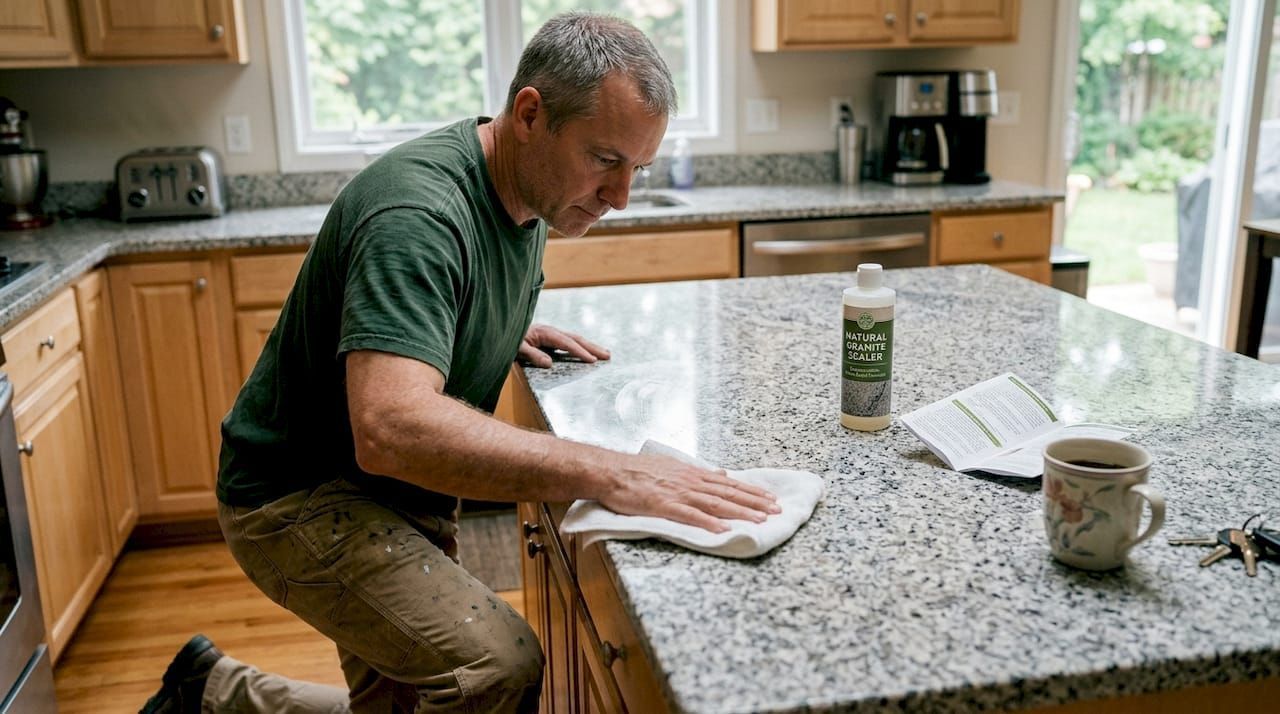
With tools ready, follow these essential cleaning steps to keep stone surfaces looking their best.
- Dry dust the surface. Use a dry microfiber cloth to remove loose crumbs, dust, and debris before any liquid touches the stone. This prevents scratching during the wet clean.
- Wipe down with a damp cloth. Use warm water and a clean microfiber cloth to remove surface grime. Wring the cloth well so it's barely damp, not wet.
- Apply a pH-neutral cleaner. Spray your eco-friendly cleaner directly onto the surface or onto the cloth. Wipe in gentle, circular motions. Never scrub hard.
- Rinse thoroughly. Wipe the surface with a clean, damp cloth to remove any cleaner residue. Leftover product can cause streaks or dull the finish over time.
- Dry immediately. Use a dry microfiber cloth to buff the surface dry. Leaving water sitting on stone, especially marble or limestone, can lead to water spots or mineral deposits.
- Address spills right away. For wine, oil, or citrus juice, blot (never wipe) with a clean cloth immediately. Wiping spreads the stain; blotting lifts it. Preventing stone stains starts with this single habit.
For soapstone specifically, soapstone cleaning best practices recommend applying food-grade mineral oil regularly to encourage an even, natural darkening. During the first week, apply daily; after that, once a month is enough.
Important: Marble and limestone etch instantly on contact with acids. If you spill citrus juice, wine, or vinegar, blot it up within seconds. Do not use any acidic cleaner on these stones, ever. Unpolished stone also requires gentle, low-pressure cleaning methods to avoid surface damage.
Pro Tip: Dish soap seems harmless, but
regular dish soap use can leave a film that dulls your stone over time. Stick to a dedicated stone cleaner for daily use. If you're dealing with a tough spot, check out tips for
removing stubborn kitchen stains without damaging the surface.
Sealing kitchen stone: When, how, and why it matters
Proper daily cleaning is crucial, but sealing is the key to long-term stone survival. Without a sealer, porous stones absorb spills, oils, and bacteria directly into their structure. That's how permanent stains form.
How to test if your stone needs sealing:
- Place a few drops of water on the surface.
- Wait 5 to 15 minutes.
- If the water absorbs into the stone or leaves a dark spot, it's time to reseal.
- If the water beads up, your sealer is still doing its job.
According to proper stone sealing guidelines, granite should be sealed every 1-3 years, while marble and limestone need sealing every 6-12 months due to their higher porosity. Soapstone is the exception: it only needs mineral oil, not a sealer.
Stat to know: Marble and limestone can require resealing up to twice per year in high-use kitchens, while granite often holds its seal for up to three years with proper care.
How to apply a stone sealer correctly:
- Clean and fully dry the surface before sealing.
- Apply a thin, even layer of low-VOC sealer using a soft cloth or applicator pad.
- Let it absorb for the time listed on the product label (usually 10-20 minutes).
- Buff off any excess sealer with a clean, dry cloth before it dries on the surface.
- Allow a full cure time (often 24-48 hours) before using the surface heavily.
Over-sealing is a real risk. Applying too many coats or sealing too frequently causes a milky haze that's difficult to remove. Understanding why seal natural stone matters helps you avoid both under-protecting and over-treating your surfaces. For common pitfalls, review stone sealer mistakes before you start.
Pro Tip: Always choose a sustainable stone sealer advice resource when selecting your product. Low-VOC sealers protect your indoor air quality and are just as effective as conventional options.
Troubleshooting, prevention, and long-term maintenance
Following sealing, regular habits and troubleshooting keep your kitchen stone safe and elegant.
Quick fixes for common issues:
- Streaks after cleaning: You likely left cleaner residue behind. Wipe with a barely damp cloth, then dry immediately.
- Dull finish: Dish soap buildup is often the culprit. As dish soap cleaning risks show, regular use leaves a film on stone surfaces. Switch to a dedicated stone cleaner.
- White haze after sealing: You applied too much sealer or didn't buff off the excess in time. Use a stone-safe haze remover.
- Stubborn stains: Try a poultice paste (baking soda and water for oil stains, or a commercial stone poultice for deeper stains). For more help, see tips on tackling kitchen stains.
Here's how eco-friendly habits compare to conventional ones over time:
| Habit | Eco-friendly approach | Conventional approach |
|---|---|---|
| Daily cleaning | pH-neutral, plant-based cleaner | Dish soap or all-purpose spray |
| Stain prevention | Immediate blotting, coasters | Wipe later, no protection |
| Sealing | Low-VOC, scheduled testing | Chemical sealers, irregular use |
| Long-term finish | Preserved, natural luster | Gradual dullness and etching |
For prevention, stone care best practices are clear: use trivets under hot pans, coasters under glasses, and cutting boards for all food prep. Never cut directly on stone. Wipe spills immediately, especially wine, oil, and citrus. In high-traffic kitchens, test your sealer every six months rather than waiting for visible damage.
Pro Tip: Set a calendar reminder every six months to run the water drop test. It takes 15 minutes and can save you hundreds in professional restoration costs. If you're unsure which cleaner fits your routine, explore eco-friendly cleaner choices for stone-safe options.
Know when to call a professional. Deep etching, large cracks, or widespread staining that doesn't respond to home treatment needs expert attention. Trying to fix serious damage yourself can make it worse.
A real-world perspective: Why true stone care means acting proactively, not just reactively
Most homeowners treat their stone surfaces the same way they treat a spill on the floor: clean it up when it happens and move on. That reactive mindset is exactly why so many beautiful kitchen stones end up dull, etched, or stained within a few years.
Here's what experience actually teaches: the damage is almost always done before you see it. Acids etch marble in seconds. Oils penetrate an unsealed surface before you've finished cooking. By the time you notice a problem, the stone has already absorbed it.
The shift that makes the biggest difference is treating your cleaning routine like maintenance, not damage control. That means scheduled sealing tests, consistent use of the right products, and choosing sustainable sealer strategies that protect without harming your home environment.
One more thing most guides skip: eco-friendly products have caught up. Plant-based, low-VOC cleaners now match or outperform conventional chemical options in real-world use. Choosing them isn't a compromise. It's an upgrade, for your stone, your family, and your home.
Transform your stone care routine with trusted, eco-friendly solutions
Ready to make your eco-friendly routine even more effective? The steps in this guide only work as well as the products behind them. Using the right cleaner and sealer is not just about results today. It's about protecting your stone for years without exposing your family to harsh chemicals or harming the environment.
At
Oceancare, we specialize in high-performance, plant-based solutions designed specifically for natural stone and hard surfaces. Whether you need a reliable daily cleaner or a long-lasting low-VOC sealer, our range covers every stone type and situation. Explore our
premium stone and grout sealers or browse our full selection of
top eco-friendly cleaners to find exactly what your kitchen surfaces need.
Frequently asked questions
How often should I seal my granite kitchen countertops?
Granite countertops should be sealed every 1-3 years, but always run the water drop test first to confirm whether absorption is actually occurring before you reseal.
Can I use vinegar to clean my stone kitchen counters?
Never use vinegar on marble or limestone since it etches the surface instantly. Only certain hard granites can tolerate diluted vinegar for streaks, but a pH-neutral cleaner is always the safest choice for any stone.
What is the safest way to remove stains from kitchen stone?
Blot spills immediately with a clean cloth, then clean with a pH-neutral product. As soapstone cleaning guidance confirms, scrubbing with abrasive pads or harsh chemicals causes etching and spreads the stain deeper into the surface.
Do all stone countertops need sealing?
Most natural stones need periodic sealing to block stains, but soapstone needs only oil for its natural patina and does not benefit from a protective sealer the way granite or marble does.
How can I tell if my stone surface needs re-sealing?
Place a few drops of water on the surface and wait up to 15 minutes. If the water absorbs or darkens the stone, it's time to reseal. If it beads up, your current sealer is still working.
Recommended

