
Defining Surface Restoration for Homeowners and Property Managers
TL;DR:
- Surface restoration is a professional process that restores degraded surfaces to their original condition by cleaning, repairing, polishing, and sealing, without replacing the substrate. It offers a cost-effective, sustainable alternative to full replacement, extending surface life by 15 to 25 years and significantly reducing waste. Proper assessment, technique, and maintenance are essential for lasting, environmentally friendly results that preserve natural materials and enhance property value.
Surface restoration is defined as the professional process of returning degraded material surfaces to their original functional and aesthetic condition, preserving the existing substrate rather than replacing it. The industry term you will encounter most often is restorative treatment , though surface restoration serves as the widely accepted umbrella phrase covering everything from stone polishing to grout renewal. Defining surface restoration clearly matters because homeowners and property managers who understand what the process actually involves make smarter decisions about when to restore, when to repair, and when replacement is genuinely necessary. This guide covers the core definition, the most effective methods, honest cost comparisons, and the practical steps that lead to lasting results.
Defining surface restoration: what it means and why it matters
Surface restoration reinstates degraded surfaces to specified conditions, combining repair, protective coatings, and targeted treatments to extend service life and defer the need for full component replacement. That definition separates restoration from a simple patch job. A patch addresses one isolated flaw. Restoration addresses the entire surface condition, from substrate integrity to the final protective layer.
The SWR Institute and organizations like Rose Restoration recognize restoration as a discipline requiring assessment, technical method selection, and material-appropriate execution. This is not a one-product fix. It is a structured process applied to surfaces including natural stone, concrete, terrazzo, pool tile, grout, and masonry. Each material type demands a different approach, which is why understanding the definition before hiring a contractor or selecting products saves both money and frustration.
Restoration also differs from cosmetic cleaning. Cosmetic cleaning removes surface dirt. Restoration addresses the material itself, correcting structural surface damage, staining, etching, and deterioration that cleaning alone cannot fix. That distinction is the foundation of every decision you will make as a homeowner or property manager when assessing a damaged surface.
What are the common surface restoration methods and techniques?
Professional surface restoration follows a logical sequence, and skipping steps is the most common cause of premature failure. Here is how the process works in practice:
- Surface assessment. A qualified technician evaluates the substrate condition, identifies damage types (etching, cracking, staining, spalling), and determines whether restoration is viable. This step defines the scope of every subsequent action.
- Controlled restorative cleaning. Restorative cleaning removes foreign materials from the surface to reveal its authentic state without damaging the underlying masonry or creating an unnaturally bright appearance. The target is not perfection. Optimal restorative cleaning achieves 80 to 90% cleanliness while preserving surface texture and historic character.
- Crack and chip repair. Epoxy fillers, cementitious mortars, or color-matched repair compounds address structural surface defects before any polishing or sealing begins. Repairing before polishing prevents abrasives from widening existing damage.
- Grinding, honing, and polishing. Diamond abrasives are the industry standard for stone and concrete surfaces. Coarse diamond pads remove deep scratches and lippage. Progressively finer grits hone the surface to a uniform finish. Final polishing compounds bring the surface to the desired sheen level, from matte to high gloss.
- Surface preparation for sealing. Proper surface preparation is the most important factor in restoration longevity. Methods include diamond grinding, shot blasting, and acid etching depending on the substrate. A surface that is not correctly prepared will reject sealers and coatings within months.
- Sealing and protective treatment. Impregnating sealers penetrate the substrate and repel water and oil-based contaminants from within. Topical coatings sit on the surface and provide a physical barrier. The right choice depends on the material, its location, and the level of traffic or exposure it receives.
Pro Tip: Never apply a sealer to a surface that has not been fully cleaned and dried. Moisture trapped beneath an impregnating sealer causes clouding and adhesion failure, and correcting it requires stripping and restarting the process.
How does surface restoration compare to replacement and simple repair?
The financial and practical case for restoration over replacement is not subtle. Restoration costs 70 to 90% less than full replacement and generates significantly less construction waste. For a homeowner managing a marble kitchen floor or a property manager overseeing a multifamily building with stone lobbies, that gap represents tens of thousands of dollars on a single project.
Simple repair sits between the two options in scope and cost, but it addresses only isolated defects. A repaired crack in a travertine tile does not correct the surrounding etching, dullness, or grout deterioration. Restoration treats the entire surface system, which is why its results last longer and look more consistent.
| Approach | Typical cost | Time required | Environmental impact | Outcome |
|---|---|---|---|---|
| Surface restoration | 10–30% of replacement cost | Days to weeks | Low waste, preserves materials | Like-new condition, extended lifespan |
| Simple repair | Low, per-defect pricing | Hours to days | Minimal waste | Defect corrected, surrounding surface unchanged |
| Full replacement | Highest cost | Weeks to months | High waste, demolition required | New surface, original material lost |
Professional stone restoration extends surface life by 15 to 25 years or more when the substrate is structurally sound. That lifespan extension is the clearest argument for restoration when you are weighing options on a surface that is visually degraded but physically intact.
Pro Tip: Before requesting a replacement quote, ask a restoration specialist to assess the surface first. Many surfaces that appear beyond saving, including heavily etched marble and stained concrete, are fully restorable at a fraction of replacement cost.
Surface restoration practices support sustainability by reducing resource demand and diverting demolition waste from landfills. This aligns restoration directly with circular economy principles, which is increasingly relevant for property managers operating under green building standards or ESG commitments.
What are the key benefits of surface restoration for homeowners and property managers?
The benefits of surface restoration extend well beyond aesthetics. Here is what restoration actually delivers:
- Extended surface lifespan. Restoration adds 15 to 25 or more years to surfaces that would otherwise require replacement, protecting your investment in original materials like marble, granite, terrazzo, and pool tile.
- Significant cost savings. At 70 to 90% less than replacement, restoration frees budget for other property priorities without sacrificing surface quality or appearance.
- Enhanced property value. Polished, sealed, and well-maintained surfaces signal quality to buyers, tenants, and guests. A restored stone lobby or a clean, sealed pool deck reads as premium, not patched.
- Reduced environmental footprint. Restoration preserves existing materials and avoids the energy and resource costs of manufacturing and transporting new stone, tile, or concrete. For eco-conscious homeowners, this is a meaningful advantage.
- Improved safety. Restored surfaces with proper slip-resistant finishes reduce liability on wet floors, pool surrounds, and outdoor walkways. Deteriorated surfaces with loose grout or spalling edges create genuine hazards.
- Minimal disruption. Restoration work is completed in place, without demolition, heavy equipment, or extended project timelines. For occupied homes and operating commercial properties, that matters enormously.
You can explore how eco-friendly restoration methods deliver these benefits at lower environmental cost, which is particularly relevant if you are managing surfaces in a pool area, kitchen, or bathroom where chemical exposure is a concern.
What practical steps should you follow when planning a restoration project?
Successful restoration depends on decisions made before any work begins. These are the steps that separate projects that last from projects that fail within two years.
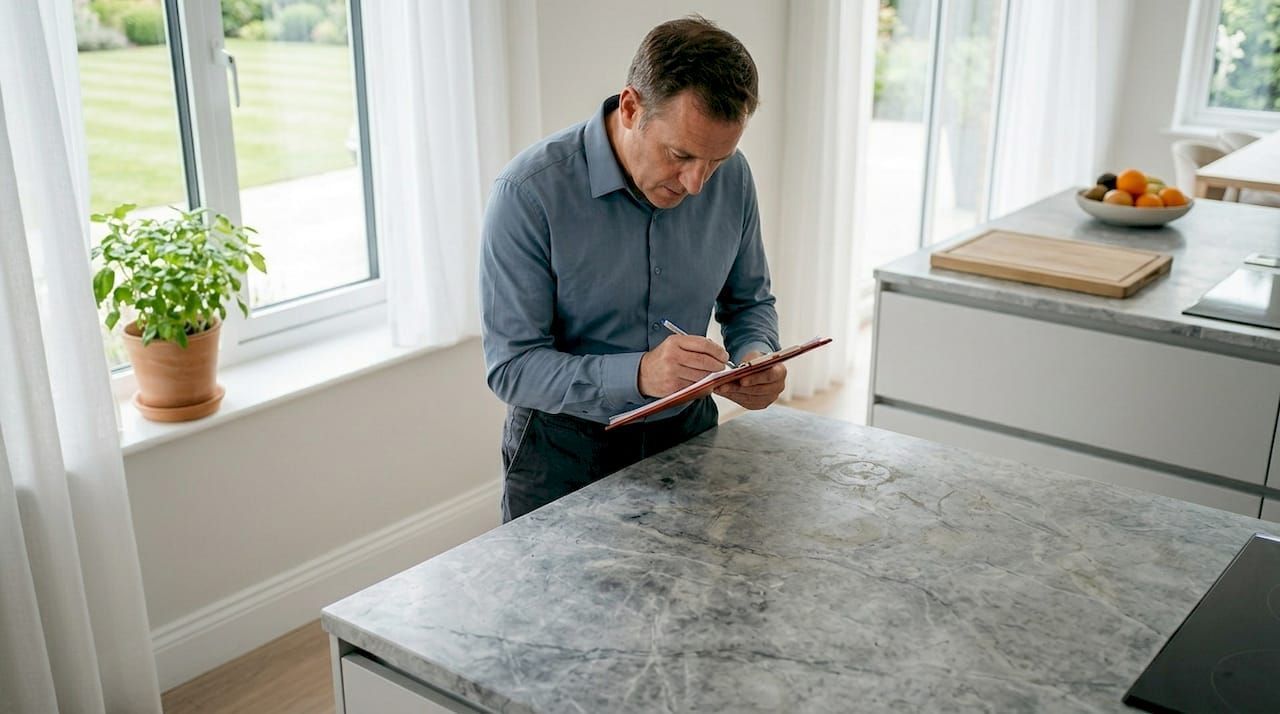
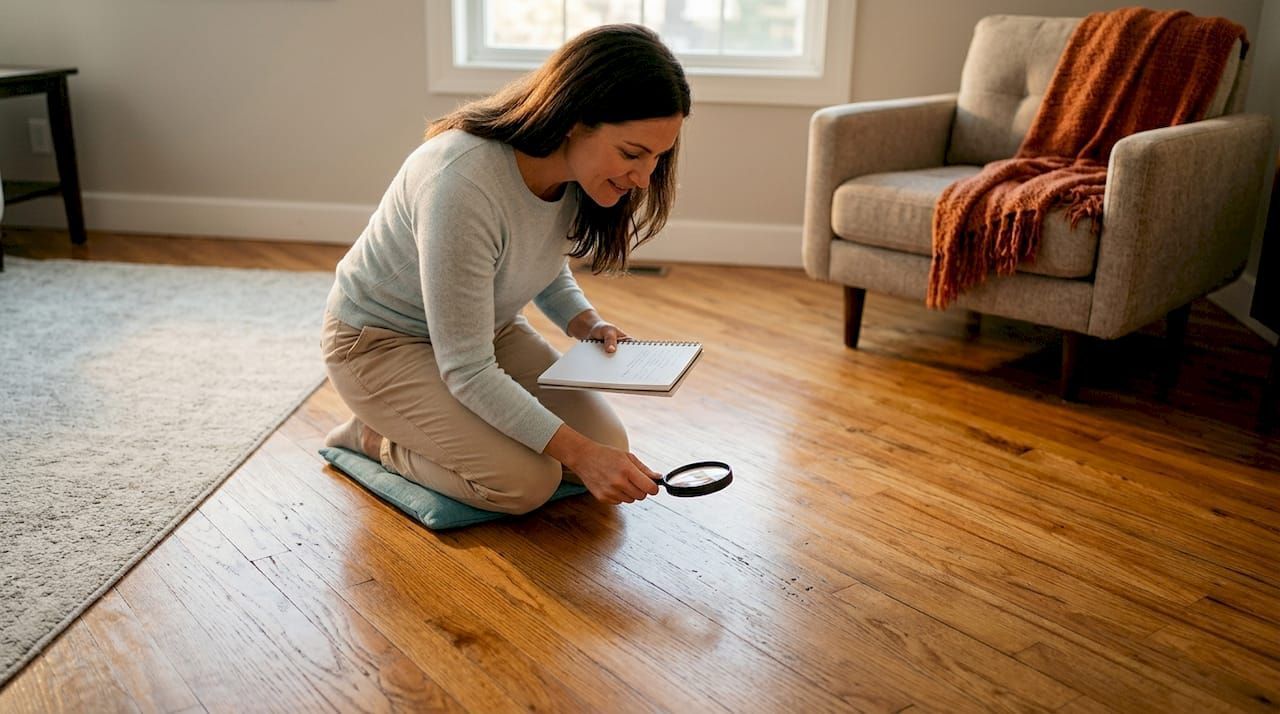
- Conduct a thorough condition assessment. Walk the surface and document every defect: cracks, chips, staining, etching, grout loss, and coating failures. This inventory tells you whether restoration is appropriate or whether replacement is the only viable path. A surface with structural failure below the substrate is not a restoration candidate.
- Understand the terminology before hiring. Homeowners who understand restoration terminology evaluate contractor proposals more effectively and avoid being oversold on unnecessary services. Know the difference between honing and polishing, between an impregnating sealer and a topical coating, and between restorative cleaning and pressure washing.
- Select qualified professionals. Ask contractors for references on comparable surface types. Stone restoration on marble requires different expertise than concrete grinding or pool tile cleaning. Credentials from organizations like the SWR Institute indicate technical training in masonry and surface work.
- Plan around occupancy. Surface restoration in occupied buildings requires phased scheduling, dust control measures, and advance communication with residents or household members. Grinding and polishing generate fine particulate. Sealers require cure time with restricted foot traffic. Build these requirements into your project timeline.
- Commit to post-restoration maintenance. Restoration is not a permanent fix without ongoing care. Resealing on the correct schedule, using pH-neutral cleaners, and avoiding abrasive tools preserves the restored surface for its full projected lifespan.
Pro Tip: Ask your contractor to provide a written maintenance schedule at project completion. It should specify resealing intervals, approved cleaning products, and what to avoid. A contractor who cannot provide this is not a specialist.
For natural stone specifically, the step-by-step restoration process involves preparation, treatment, and protection stages that are worth understanding before you engage any service provider.
Key takeaways
Surface restoration is the most cost-effective, sustainable, and least disruptive method for returning degraded surfaces to full function and appearance, consistently outperforming replacement on cost, waste, and lifespan outcomes.
| Point | Details |
|---|---|
| Core definition | Restoration returns surfaces to original condition through repair, cleaning, polishing, and sealing. |
| Cost advantage | Restoration costs 70 to 90% less than replacement while extending surface life by 15 to 25+ years. |
| Method sequence | Assessment, restorative cleaning, repair, grinding, preparation, and sealing must follow in order. |
| Sustainability value | Restoration preserves existing materials and reduces demolition waste, supporting circular economy goals. |
| Planning requirement | Condition assessment, contractor vetting, and post-restoration maintenance protocols determine long-term success. |
Why restoration deserves more credit than it gets
I have seen homeowners replace perfectly restorable marble floors because a general contractor told them the surface was "too far gone." In nearly every case, a restoration specialist would have disagreed. The problem is not the surface. It is the gap between what restoration can achieve and what most property owners believe is possible.
The part that rarely gets discussed is restraint. Restorative cleaning is preservation work that demands discipline, not cosmetic perfection. Success is measured by material integrity, not brightness. That philosophy runs counter to the instinct most homeowners have, which is to make a surface look as new as possible. Overcleaning, over-polishing, and applying the wrong sealer are how restoration projects fail. The goal is to return the surface to a stable, protected, functional state. Not to make 30-year-old travertine look like it was installed yesterday.
Restoration is also an asset conservation strategy, not just a maintenance task. Sustainability benefits make restoration far more than aesthetic work. For property managers operating under green building standards, or homeowners who care about reducing their environmental footprint, choosing restoration over replacement is one of the highest-impact decisions available. The materials are already there. The energy to produce them has already been spent. Preserving them is the logical choice.
My honest recommendation: get a restoration assessment before you get a replacement quote. The assessment costs little or nothing. The information it provides is worth far more than the price of a new floor.
Restore and protect your surfaces with Oceancarestore
Oceancarestore carries a full range of products designed specifically for the protection and renewal of hard surfaces, including natural stone, pool tile, and grout. Whether you are finishing a professional restoration project or maintaining surfaces between treatments, the right sealer and cleaner make the difference between a surface that lasts and one that degrades within a season. Oceancarestore's stone and grout sealers use plant-based, low VOC formulations that protect without harsh chemicals, making them safe for kitchens, bathrooms, pool surrounds, and outdoor stone features. For pool tile specifically, the pool tile restorer targets calcium buildup and surface staining without damaging the tile substrate. Every product is formulated to support the long-term outcomes that proper restoration work delivers.
FAQ
What is the definition of surface restoration?
Surface restoration is the professional process of returning a degraded surface to its original functional and aesthetic condition through cleaning, repair, polishing, and sealing. It preserves the existing substrate rather than replacing it, extending surface life at a fraction of replacement cost.
How is surface restoration different from simple repair?
Simple repair addresses isolated defects like a single crack or chip. Surface restoration treats the entire surface system, correcting staining, etching, finish loss, and grout deterioration across the full area for a consistent, protected result.
What surfaces can be restored?
Natural stone, concrete, terrazzo, pool tile, grout, and masonry are all candidates for professional restoration. The key requirement is that the substrate beneath the surface must be structurally sound.
How long does a restored surface last?
Professional stone and hard surface restoration extends usable life by 15 to 25 years or more when followed by proper maintenance, including periodic resealing and pH-neutral cleaning products.
Is surface restoration an eco-friendly choice?
Restoration generates significantly less waste than replacement and avoids the resource costs of manufacturing new materials. This makes it a direct fit with circular economy principles and green building standards for both residential and commercial properties.

