
Why Protect Outdoor Stone: A Homeowner's Guide
TL;DR:
- Outdoor natural stone surfaces require regular sealing, cleaning, and maintenance to prevent damage caused by moisture, UV rays, and biological growth. Applying penetrating, vapor-permeable sealers every 1 to 3 years extends the surface lifespan and reduces costly repairs. Routine inspections, careful cleaning, and timely resealing are essential for preserving the appearance and structural integrity of outdoor stone features.
Outdoor stone protection is the practice of sealing, cleaning, and maintaining natural stone surfaces to prevent structural damage and preserve their appearance. Granite patios, limestone pathways, travertine pool decks, and sandstone garden walls all face the same relentless threats: moisture, freeze-thaw cycles, UV radiation, and biological growth. Without a deliberate maintenance plan, even the most durable stone degrades faster than most homeowners expect. Understanding why protect outdoor stone matters is the first step toward avoiding costly repairs and keeping your property looking its best for decades.
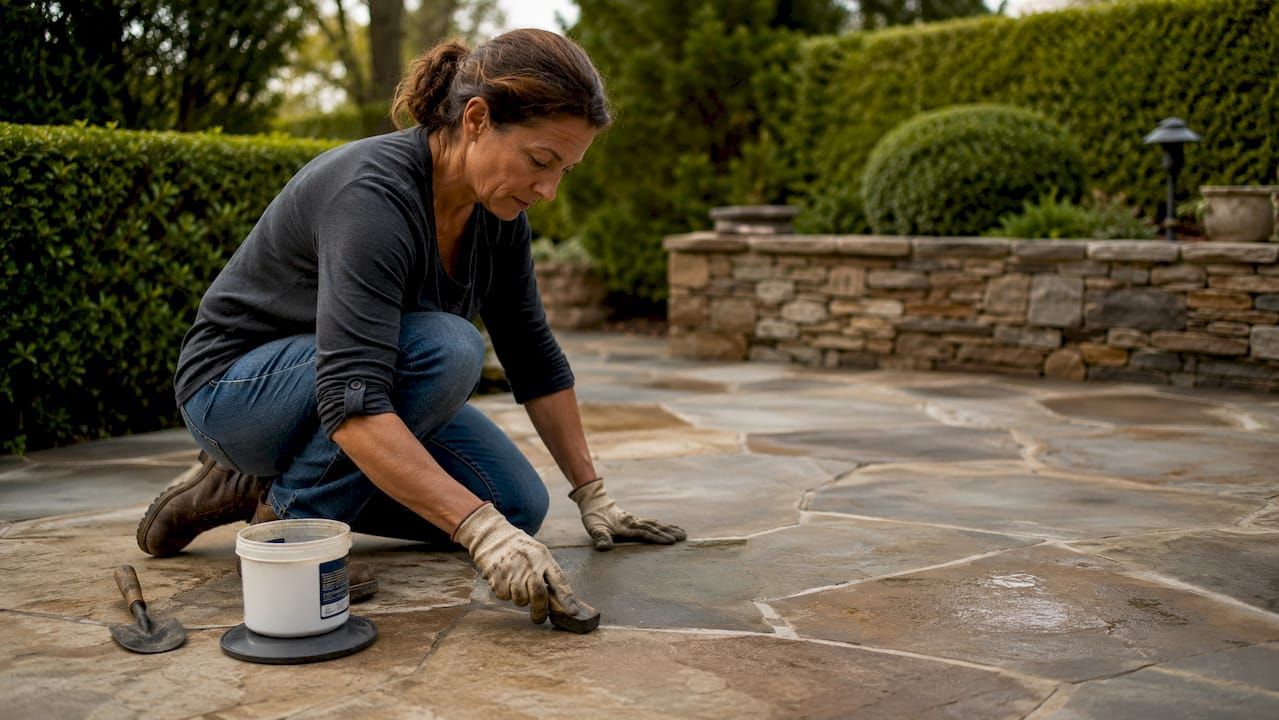
Why does outdoor stone need protection?
Outdoor stone faces a set of conditions that indoor surfaces never encounter. Rain, sun, frost, and organic matter work together to break down even dense natural stone over time. The good news is that the damage is largely preventable with the right products and a consistent routine.
Natural stone is not indestructible. Its mineralogy and porosity directly determine how quickly it absorbs water, stains, and biological growth. Limestone and sandstone, for example, absorb moisture far more readily than granite or quartzite. That difference in porosity is the single biggest factor in how much protection a given stone surface needs.
The importance of stone protection goes beyond aesthetics. Unprotected stone can develop cracks, surface flaking, and deep staining that compromise both safety and property value. Addressing these problems reactively costs far more than preventing them in the first place.
What environmental factors damage outdoor stone?
Several forces attack outdoor stone simultaneously. Understanding each one helps you prioritize your maintenance approach.
Freeze-thaw cycles
Freeze-thaw damage is the most destructive force in cold climates. Water expands by approximately 9% when frozen, and any moisture trapped inside stone pores generates enough internal pressure to crack or spall the surface. Spalling refers to flakes or chips breaking away from the stone face. A single winter season can cause visible damage to unprotected limestone or sandstone.
UV radiation
Prolonged sun exposure fades stone color and degrades surface sealers. UV radiation breaks down the chemical bonds in topical coatings, causing them to peel, blister, and lose their protective function. This is one reason why sealer selection matters as much as application frequency.
Moisture and biological growth
Moisture penetration promotes staining, efflorescence (white mineral deposits), and biological growth including algae, moss, and lichen. These organisms are not just cosmetic problems. Their root systems physically expand into stone pores, widening microcracks over time. Pool decks and shaded pathways are especially vulnerable because they stay damp longer.
Chemical exposure
Pool chlorine, fertilizers, and de-icing salts all accelerate stone deterioration. Chlorine attacks calcium-based stones like limestone and travertine. Fertilizer runoff leaves iron stains that are extremely difficult to remove once set. De-icing salts draw moisture into stone and then crystallize inside pores, causing the same expansion damage as freeze-thaw cycles.
Pro Tip: Rinse stone surfaces near pools or garden beds with clean water after any chemical exposure. This simple step removes residue before it has time to penetrate.
How does sealing protect outdoor stone surfaces?
Sealing is the most effective single action you can take to extend the life of outdoor stone. A quality sealer fills the microscopic pores in stone, blocking moisture, stains, and biological growth before they take hold.
Penetrating vs. topical sealers
The sealer type you choose determines how long protection lasts outdoors. Topical sealers fail outdoors because UV exposure and moisture cycling cause them to peel and blister within one to two seasons. Penetrating sealers, also called impregnating sealers, work differently. They absorb into the stone matrix and cure below the surface, leaving no film that can peel or trap moisture vapor.
Sealers must balance water repellency with breathability. An overly restrictive sealer traps moisture vapor inside the stone, which accelerates decay rather than preventing it. This is a common problem with low-quality products. Look for sealers labeled as hydrophobic and vapor-permeable, which is the combination that actually works long-term. You can find detailed guidance on choosing the right sealer based on stone type and exposure conditions.
How often should you reseal?
Most outdoor stone requires resealing every 1–3 years. High-traffic areas or surfaces in harsh climates need annual resealing. That frequency may sound like a lot of work, but consider the alternative. Reactive repairs cost 300%–500% more than a consistent preventive maintenance schedule. Replacing a cracked limestone patio section, for example, can run into thousands of dollars. A quality penetrating sealer and a few hours of work each year is a fraction of that cost.
Pro Tip: Use the water drop test to check your sealer before committing to a full resealing job. Drop water on the surface: if it beads up, the seal is still effective. If it absorbs within a few seconds, it is time to reseal.
Key benefits of a consistent sealing routine include:
- Blocks moisture penetration that causes cracking and staining
- Prevents algae, moss, and lichen from establishing in pores
- Reduces the frequency and cost of deep cleaning
- Preserves the natural color and texture of the stone
- Extends the surface lifespan by years, sometimes decades

Which stone types need the most protection?
Not all outdoor stone carries the same risk. Stone porosity and mineralogy determine outdoor performance and how aggressively you need to protect it. The table below summarizes the key differences.
| Stone Type | Porosity | Susceptibility to Damage | Recommended Resealing Frequency |
|---|---|---|---|
| Granite | Very low | Low | Every 3 years |
| Quartzite | Low | Low | Every 2–3 years |
| Travertine | Medium | Medium | Every 1–2 years |
| Limestone | High | High | Annually |
| Sandstone | High | High | Annually |
| Slate | Low to medium | Medium | Every 2 years |
Granite and quartzite are dense, low-porosity stones that resist moisture and staining naturally. They still benefit from sealing, but the urgency is lower. Limestone and sandstone sit at the opposite end. Their open pore structure absorbs water, chemicals, and biological matter quickly, making them the highest-maintenance options for outdoor use.
Climate compounds these differences. In regions with hard winters, even granite patios benefit from annual inspection because freeze-thaw cycles stress mortar joints and grout lines even when the stone itself holds up. In hot, sunny climates, UV degradation and thermal expansion become the primary concerns, particularly for lighter-colored stones that absorb more heat.
What are the best practices for outdoor stone maintenance?
A solid maintenance routine combines regular inspection, safe cleaning, and timely minor repairs. Here is a practical framework you can follow each year.
- Inspect seasonally. Walk the surface after winter and again in late summer. Look for cracks, chips, loose stones, biological growth, and drainage problems. Early detection of biological growth and drainage issues allows minor interventions that prevent structural failures later.
- Clean before resealing. Never apply sealer over a dirty surface. Use a pH-neutral stone cleaner to remove dirt, algae, and mineral deposits without stripping existing sealer or etching the stone. Avoid acidic cleaners on limestone or travertine, which react chemically with calcium carbonate and cause surface pitting.
- Pressure wash with care. Pressure washing requires low pressure below 1,500 PSI, with the lance held at a 45-degree angle and kept at least 30 centimeters from the surface. High pressure damages mortar joints and can drive biological growth deeper into porous stone rather than removing it.
- Address cracks promptly. Small cracks are a water entry point. Fill them with a compatible stone repair mortar before they widen. A crack that spans a few millimeters today can become a structural problem after one freeze-thaw season.
- Reseal on schedule. Use the water drop test each spring to confirm whether resealing is needed. Apply a penetrating sealer according to the manufacturer's instructions, working in sections and wiping away excess before it cures on the surface.
Pro Tip: For shaded areas prone to moss and algae, apply a biological growth inhibitor after cleaning and before resealing. This adds a layer of protection that standard sealers alone do not provide.
For a full seasonal breakdown, the outdoor stone maintenance guide from Oceancarestore covers inspection timelines and product recommendations in detail.
Key takeaways
Protecting outdoor stone through penetrating sealers, seasonal inspections, and safe cleaning practices prevents structural damage and reduces long-term repair costs by up to 500%.
| Point | Details |
|---|---|
| Penetrating sealers outperform topical ones | Impregnating sealers resist UV and moisture cycling without peeling or trapping vapor. |
| Reseal every 1–3 years | High-traffic or harsh-climate surfaces need annual resealing to stay protected. |
| Stone porosity drives maintenance frequency | Limestone and sandstone need annual care; granite and quartzite can go 2–3 years. |
| Reactive repairs cost far more | Preventive maintenance is 3–5 times cheaper than fixing damage after it occurs. |
| The water drop test guides resealing decisions | Beading water means the seal holds; absorption means it is time to reseal. |
The mistake i see homeowners make every single time
Most homeowners treat outdoor stone like outdoor furniture. They notice a problem, address it once, and assume the job is done for years. That mindset is exactly why so many beautiful stone patios and pool surrounds end up cracked, stained, and biologically colonized within five years of installation.
The most common error I see is applying a topical sealer from a hardware store and calling it done. Topical sealers look great for about one season. Then UV exposure and moisture cycling start breaking them down, and the homeowner assumes the stone itself has failed. The stone has not failed. The wrong product was used.
The second most common mistake is skipping the inspection step entirely. A five-minute walk around your patio in early spring, looking for new cracks, moss patches, or pooling water, is worth more than any product you can buy. Small problems caught early are a tube of repair mortar and an hour of work. The same problems ignored for two winters can require professional restoration.
My honest recommendation: match your sealer to your stone type, not to whatever is on sale. Use a penetrating, vapor-permeable formula. Check the water drop test every spring. And treat the inspection as a non-negotiable part of your seasonal home maintenance routine, the same way you service your HVAC or clean your gutters. The stone will reward that consistency with decades of structural integrity and visual appeal.
Protect your stone with products that actually work
Outdoor stone care starts with having the right products on hand before damage occurs, not after.
Oceancarestore carries a full range of penetrating stone sealers and biodegradable cleaners formulated specifically for outdoor natural stone surfaces including granite, limestone, travertine, and sandstone. Every product is plant-based, low VOC, and safe for use around pools, gardens, and family spaces. The stone and grout sealer collection includes options for high-traffic patios, pool decks, and shaded areas prone to biological growth. If you want a combined approach, the Clean and Seal solution handles both surface prep and protection in one application, saving time without cutting corners on performance.
FAQ
What is the best sealer for outdoor stone?
Penetrating impregnating sealers are the best choice for outdoor stone because they work within the stone matrix and resist UV exposure and moisture cycling without peeling. Topical sealers fail outdoors within one to two seasons.
How often should outdoor stone be resealed?
Most outdoor stone surfaces need resealing every 1–3 years. High-traffic areas or surfaces in cold climates with freeze-thaw cycles should be resealed annually.
How do i know if my stone sealer is still working?
Use the water drop test. Pour a small amount of water on the surface. If it beads up, the sealer is still effective. If the water absorbs into the stone within a few seconds, it is time to reseal.
Does granite need to be sealed outdoors?
Granite is a low-porosity stone and resists damage better than limestone or sandstone, but it still benefits from sealing every 2–3 years. Mortar joints and grout lines around granite are more vulnerable than the stone itself.
Can i pressure wash outdoor stone to clean it?
Yes, but with strict limits. Use pressure below 1,500 PSI, hold the lance at a 45-degree angle, and keep it at least 30 centimeters from the surface. High pressure damages mortar joints and can push biological growth deeper into porous stone.

