
Why Prevent Hard Water Stains: Homeowner's Guide
TL;DR:
- Hard water stains consist of calcium and magnesium mineral deposits that bond more strongly with surfaces over time. Preventing these stains early through drying, sealing, and routine cleaning protects fixtures and reduces costly damage. Water softeners address the root cause by removing minerals from household water, offering a long-term solution for areas with hard water.
Hard water stains are mineral deposits, primarily calcium and magnesium, that crystallize on surfaces after water evaporates and bond progressively harder with each wet-dry cycle. Understanding why prevent hard water stains matters comes down to one fact: the longer you wait, the more damage those deposits cause to your fixtures, tiles, and glass. Faucets, shower doors, pool tiles, and natural stone are all vulnerable. Tools like squeegees, microfiber cloths, water softeners, and hydrophobic sealants each address the problem at different stages. Catching mineral buildup early protects both the appearance and the structural integrity of your home's surfaces.
Why preventing hard water stains saves your surfaces
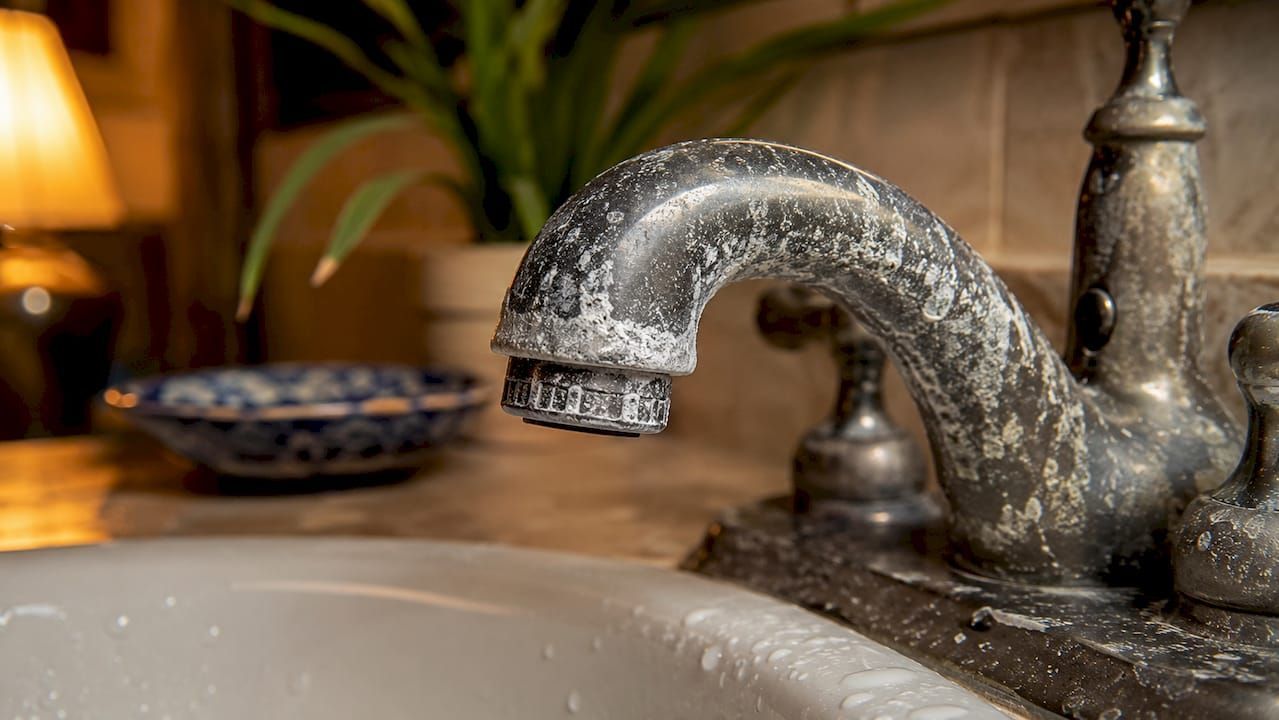
Hard water stains form when calcium and magnesium crystallize as water evaporates, leaving white rings that grip tighter to surfaces over time. That grip is the real problem. A fresh water spot wipes off with a damp cloth. A deposit that has gone through dozens of wet-dry cycles on a chrome faucet or glass shower door requires acid-based cleaners and real effort to dissolve.
The impact of hard water on surfaces goes beyond cosmetics. Calcium carbonate scale inside appliances like dishwashers and water heaters reduces efficiency and shortens their lifespan. On natural stone, mineral infiltration can etch the surface permanently. On grout, repeated mineral buildup traps dirt and accelerates discoloration. Preventing hard water stains is far easier than removing them because deposits bond more strongly over time to glass and other surfaces.
The financial case for prevention is straightforward. Replacing etched shower glass, refinishing stone countertops, or servicing a scale-clogged water heater costs far more than a squeegee and a weekly wipe-down routine. Prevention is not just about keeping things looking clean. It is about protecting real investments in your home.
What causes hard water deposits and why they worsen over time
Hard water contains dissolved calcium, magnesium, and carbonate compounds picked up as groundwater passes through limestone and chalk rock formations. When that water sits on a surface and evaporates, the dissolved minerals stay behind. That residue is what you see as white or gray film on faucets, shower doors, and tiles.
Heat accelerates the process significantly. Heating hard water drives off dissolved CO2, causing calcium carbonate to precipitate as an insoluble scale. This is why your kettle, dishwasher, and hot water pipes accumulate far more stubborn deposits than your bathroom mirror does. The chemical reaction is irreversible without a descaling agent, which is why appliances in hard water areas need more frequent maintenance.
Here is what makes mineral deposits progressively worse:
- Each wet-dry cycle adds a new mineral layer on top of the previous one, compounding thickness and adhesion.
- Porous surfaces like grout and natural stone absorb mineral-laden water, allowing deposits to form below the surface where cleaners cannot reach easily.
- Soap scum bonds with calcium to form calcium stearate, a compound harder to remove than either soap residue or mineral scale alone.
- Abrasive scrubbing of older deposits can scratch glass and chrome, creating micro-grooves that trap future minerals even more effectively.
- High-temperature surfaces like those near pool heaters or in dishwashers accumulate calcium carbonate scale faster than room-temperature surfaces.
Understanding this chemistry explains why cleaning more often with the wrong products solves nothing. You need to stop the mineral film from forming in the first place.
How to stop hard water stains on common household surfaces
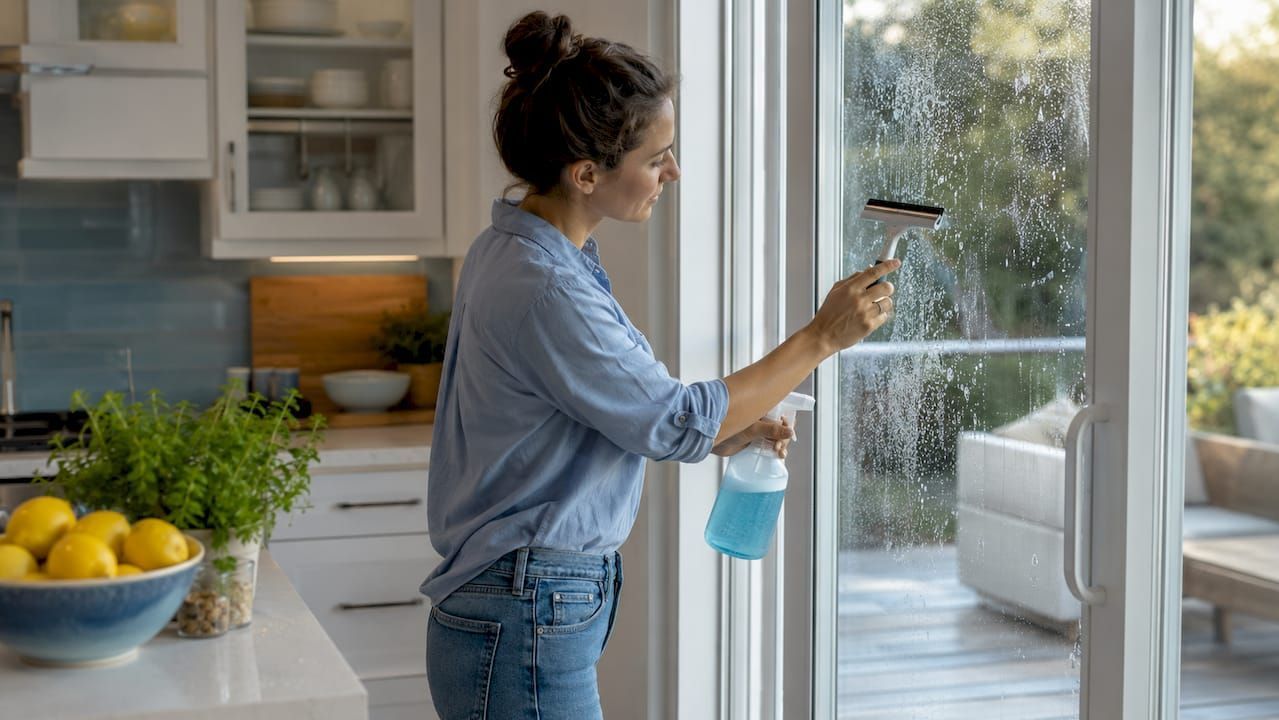
The most effective prevention method costs nothing: dry wet surfaces immediately after use. Wiping down fixtures with a soft cloth immediately after use is one of the best prevention steps to avoid mineral buildup. No water left on the surface means no evaporation, and no evaporation means no mineral deposit. This single habit eliminates the majority of stain formation on shower doors, faucets, and sinks.
Follow these steps to build a prevention routine that actually holds:
- Keep a squeegee inside every shower. After each use, run it across the glass and tiles. This takes under 30 seconds and removes the water before minerals can bond.
- Use a microfiber cloth on chrome fixtures. Microfiber lifts water without scratching. Paper towels and rough cloths leave micro-abrasions that accelerate future staining.
- Apply a hydrophobic glass sealant to shower doors and windows. Products like glass and tile shields create an invisible barrier that causes water to bead and roll off rather than sit and evaporate. Reapply every three to six months.
- Seal natural stone and grout surfaces. A quality stone and grout sealer fills the microscopic pores in stone and grout, blocking mineral-laden water from penetrating below the surface.
- Clean with pH-neutral or mild acid-based products regularly. Routine cleaning removes thin mineral films before they compound. Waiting until deposits are visible means you are already behind.
- Avoid abrasive scrubbers on glass and chrome. Steel wool and harsh scrub pads scratch surfaces and create the exact texture that traps future mineral deposits.
Pro Tip: Install a small hook near your shower for a dedicated squeegee. When it is visible and within reach, you will actually use it. Out of sight means out of habit.
The benefits of removing hard water stains early extend beyond appearance. Thin mineral films are water-soluble and come off with a damp cloth. Thick, bonded deposits require acid-based descalers that can damage sensitive surfaces if used incorrectly.
Do water softeners actually prevent stains at the source?
Water softeners address the root cause of mineral deposits rather than the symptoms. Water softeners use ion exchange to replace calcium and magnesium ions with sodium ions, producing water that cannot form limescale. The result is water that leaves no mineral residue on any surface it touches.
| Approach | How it works | Best for | Limitation |
|---|---|---|---|
| Surface drying | Removes water before evaporation | All surfaces, all budgets | Requires daily habit |
| Hydrophobic sealant | Repels water from bonding to surface | Glass, tile, stone | Needs periodic reapplication |
| Mild acid cleaner | Dissolves existing thin deposits | Routine maintenance | Reactive, not preventive |
| Ion exchange water softener | Removes minerals from all household water | Whole-home protection | Installation cost, salt use |
Scale buildup accelerates above roughly 7 grains per gallon(GPG) hardness, making water softeners cost-effective for appliance protection in such areas. If your water tests above that threshold, a softener pays for itself through reduced appliance repairs and longer fixture life.
Water softeners do require ongoing maintenance. The resin beads that capture calcium and magnesium need periodic regeneration with brine solution to flush trapped minerals and restore function. Salt replenishment is a recurring cost, typically monthly. The system also does not filter contaminants or bacteria. It targets hardness ions specifically.
Pro Tip: Test your water hardness with an inexpensive strip test before investing in a softener. Many hardware stores carry them. If your result is below 7 GPG, surface prevention methods alone may be sufficient.
The contrast between surface cleaning and source treatment is significant. Scrubbing deposits off your shower door every week treats the symptom. A water softener eliminates the cause entirely, so every surface in your home benefits simultaneously.
Practical solutions for renters and homes without water softeners
Water softener installation requires plumbing changes typically controlled by landlords, making it impractical for most renters. That does not mean renters are stuck with permanent staining. Surface-level prevention delivers real results when applied consistently.
Effective hard water stain prevention tips for renters and softener-free homes include:
- White vinegar as a descaler. Undiluted white vinegar dissolves thin calcium carbonate deposits on faucets, showerheads, and tiles. Soak a cloth in vinegar, wrap it around the fixture for 30 minutes, then wipe clean. For removing calcium deposits without risking surface damage, acid-free options are worth exploring.
- Protective coatings on glass and tile. Renters can apply hydrophobic sealants without any permanent modification. These wash off over time and need reapplication, but they significantly reduce mineral adhesion between cleanings.
- Showerhead soaking bags. Fill a plastic bag with vinegar, secure it over the showerhead with a rubber band, and leave it overnight. This dissolves internal scale that reduces water pressure and sprays mineral-laden water across your shower glass.
- Eco-friendly tile and stone cleaners. Chemical descalers and abrasive scrubbers can damage surfaces and contribute to environmental runoff. Plant-based, biodegradable cleaners from brands like Oceancarestore remove mineral films without etching sensitive surfaces or introducing harsh chemicals into your home.
- Establish a weekly maintenance schedule. Thin mineral films that form over seven days are far easier to remove than deposits that have been building for a month. Consistency is the single biggest factor in keeping surfaces clean without heavy scrubbing.
The benefits of removing hard water stains regularly go beyond appearance. Fixtures last longer, grout stays cleaner, and you spend less time and money on deep cleaning sessions.
Key takeaways
Preventing hard water stains requires stopping mineral deposits before they bond, because once calcium and magnesium crystallize through repeated wet-dry cycles, removal demands significantly more effort, cost, and risk of surface damage.
| Point | Details |
|---|---|
| Prevention beats removal | Bonded mineral deposits require acid-based cleaners; fresh films wipe off with a damp cloth. |
| Drying is the top method | Removing water before evaporation stops mineral crystallization entirely, at zero cost. |
| Sealants protect porous surfaces | Hydrophobic coatings on glass, tile, and stone block mineral adhesion and reduce cleaning frequency. |
| Water softeners solve the root cause | Ion exchange removes calcium and magnesium from all household water above 7 GPG hardness. |
| Renters have real options | Vinegar, sealants, and consistent drying habits deliver visible improvement without plumbing changes. |
What I've learned from watching stains win and prevention work
Most people treat hard water stains as a cleaning problem. They scrub harder, buy stronger products, and repeat the cycle every few weeks. The stains keep coming back because the approach is reactive. You are cleaning up after the chemistry rather than interrupting it.
The single most underrated habit I have seen make a real difference is the squeegee. It sounds almost too simple to matter. But the science is clear: removing water before evaporation prevents mineral films from bonding tightly, which become increasingly difficult to dissolve over repeated cycles. Thirty seconds after every shower beats thirty minutes of scrubbing every month.
The other misconception I see constantly is the belief that cleaning more often solves the problem. Frequency helps, but product choice matters more. Harsh abrasives and strong acids remove deposits in the short term while creating the scratched, porous surface texture that traps minerals faster next time. You end up in a worse position than when you started.
For homeowners with genuinely hard water, above 7 GPG, I think the water softener conversation is worth having seriously. The upfront cost feels significant, but the cumulative savings on appliance repairs, fixture replacements, and cleaning products add up faster than most people expect. For renters, the combination of a good squeegee, a hydrophobic sealant, and a weekly vinegar routine gets you most of the way there without touching the plumbing.
The most effective approach is not the most expensive one. It is the most consistent one.
Protect your surfaces with the right products
Hard water stain prevention works best when your surfaces have a layer of protection between them and mineral-laden water. Oceancarestore offers a range of eco-friendly, biodegradable cleaners and sealers formulated specifically for pool tiles, natural stone, grout, and glass.
Whether you need a pool tile restorer to clear calcium buildup from waterline tiles or a stone and grout sealer to block mineral infiltration on bathroom floors, Oceancarestore's plant-based, low-VOC formulas protect surfaces without harsh chemicals. For glass and tile in showers and kitchens, the Glass & Tile Shield creates an invisible hydrophobic barrier that keeps water beading off rather than sitting and evaporating. Every product is designed to be safe for your household and effective on the surfaces that matter most.
FAQ
What are hard water stains made of?
Hard water stains are deposits of calcium carbonate and magnesium compounds left behind when water evaporates from a surface. They appear as white, chalky, or gray film on glass, chrome, tiles, and stone.
How often should you clean hard water deposits?
Clean mineral deposits at least once a week on high-use surfaces like shower doors and faucets. Thin weekly deposits dissolve easily with mild cleaners, while monthly buildup requires significantly more effort and stronger products.
Can hard water stains permanently damage surfaces?
Yes. On natural stone, calcium deposits can etch the surface over time. On glass, repeated abrasive scrubbing to remove stains creates micro-scratches that trap future minerals. Early prevention avoids both outcomes.
Is white vinegar safe for all surfaces?
White vinegar is effective on glass, chrome, and ceramic tile but should not be used on natural stone like marble or travertine. Its acidity can etch and dull stone surfaces. Use a pH-neutral or stone-safe cleaner instead.
Do water filters remove hard water minerals?
Standard water filters, including carbon-based pitcher filters, do not remove calcium and magnesium. Ion exchange water softeners specifically target hardness minerals. Reverse osmosis systems also reduce hardness but are typically point-of-use rather than whole-home solutions.

