
Why maintain pool tiles: eco-friendly care for lasting beauty
Many homeowners assume pool tile maintenance only matters for aesthetics. The truth is, regular upkeep prevents serious structural damage, safety hazards, and expensive repairs down the line. This guide reveals why maintaining your pool tiles with eco-friendly methods protects your investment, ensures safe swimming conditions, and preserves the beauty you love. Understanding the science behind tile care transforms this task from optional chore into essential home maintenance.
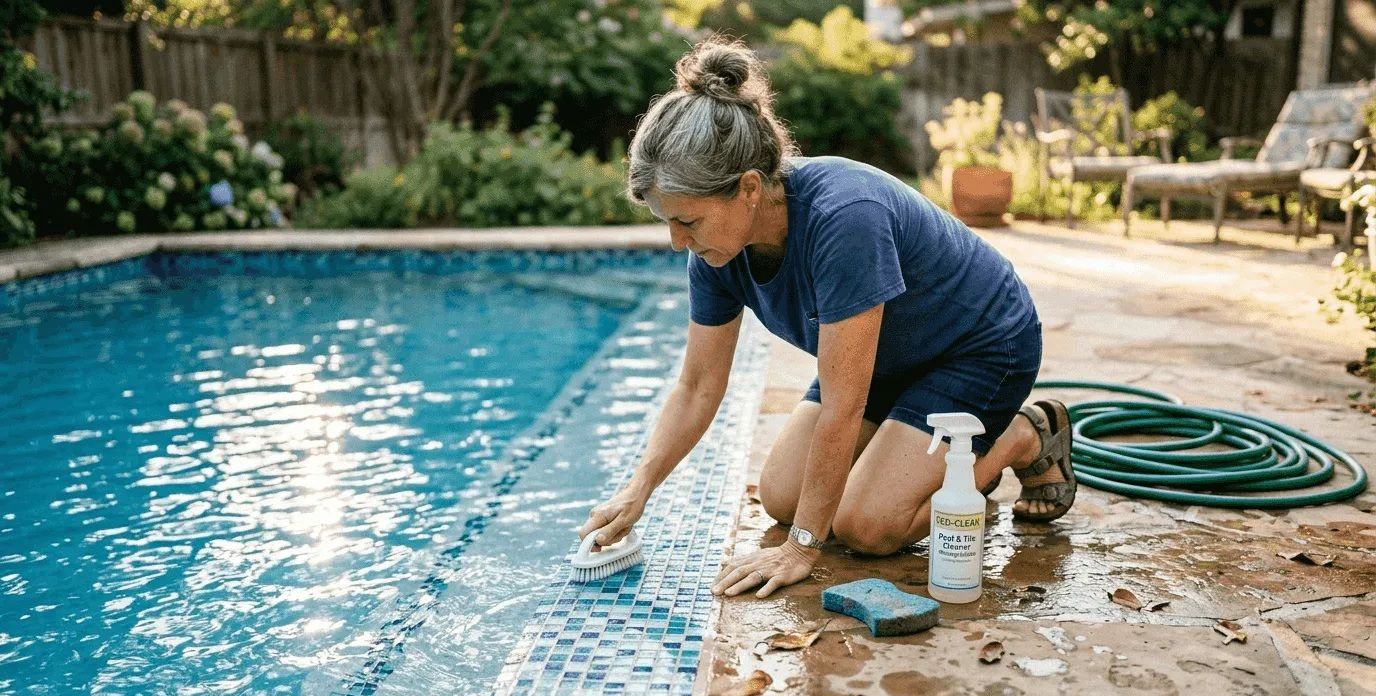
Table of Contents
Key takeaways
| Point | Details |
|---|---|
| Regular cleaning prevents damage | Consistent maintenance reduces calcium buildup by up to 70%, extending tile lifespan significantly. |
| Water chemistry is critical | Balanced pH and hardness levels minimize scale formation and algae growth naturally. |
| Eco-friendly methods work better | Plant-based cleaners protect tiles without harsh chemical damage or environmental harm. |
| Safety depends on clean tiles | Removing algae and buildup prevents dangerous slippery surfaces around pool edges. |
| Maintenance saves money | Routine care eliminates costly repairs and preserves your pool's appearance for years. |
Why clean pool tiles regularly?
Your pool tiles face constant assault from minerals, chemicals, and organic matter. Regular tile cleaning prevents calcium and mineral deposits that gradually etch and degrade tile surfaces. Calcium carbonate forms when dissolved minerals in water crystallize on tile surfaces, creating that familiar white, crusty appearance. Left unchecked, these deposits bond permanently to tiles, requiring aggressive removal methods that can damage the surface itself.
Algae presents another serious threat. These microscopic organisms thrive in warm, sunny conditions and quickly colonize tile surfaces. Cleaning prevents calcium buildup and algae growth that damages grout and creates hazardous conditions. Algae doesn't just make tiles look dirty. It actively degrades grout lines, allowing water penetration that leads to structural problems. The slippery biofilm algae produces transforms pool edges and steps into accident zones.
Consistent maintenance dramatically reduces your workload. Studies demonstrate that regular brushing and cleaning cut the need for intensive scrubbing by up to 70%. Weekly attention prevents buildup from hardening, meaning you spend less time fighting stubborn deposits later. This proactive approach also supports clearer water and more stable chemical balance, since contaminants on tiles constantly leach into your pool water.
Simple weekly routines make the difference:
- Brush all tile surfaces with a nylon brush to dislodge early deposits
- Skim the waterline where oils and minerals concentrate most heavily
- Inspect grout lines for discoloration or deterioration
- Test water chemistry and adjust as needed
Think of tile maintenance like dental care. Brushing daily prevents problems that require drilling and filling later. The same principle applies to your pool. For detailed techniques on keeping tiles pristine, explore how to easily clean pool tiles using methods that protect both surfaces and environment.
Regular tile care isn't just cosmetic. It's preventive medicine for your pool's health and your family's safety.
How balanced water chemistry protects your pool tiles
Water chemistry controls whether minerals stay dissolved or crystallize onto your tiles. The pH range of 7.4 to 7.6 reduces calcium carbonate formation by up to 80% compared to higher pH levels. When pH climbs above 7.8, calcium becomes less soluble and rapidly precipitates onto any available surface. Your tiles become the primary target.
Calcium hardness plays an equally vital role. Maintaining levels between 200 and 400 parts per million creates the sweet spot where water neither strips minerals from tiles nor deposits excess scale. Water that's too soft becomes aggressive, literally dissolving tile glazes and grout. Water that's too hard leaves relentless white deposits no amount of scrubbing removes easily.
Balanced pool water chemistry prevents tile buildup and reduces cleaning frequency by approximately 30%. This means fewer chemicals, less labor, and longer intervals between deep cleaning sessions. Proper balance also inhibits algae growth, since these organisms struggle in optimally maintained water. You're essentially making your pool inhospitable to the very problems that damage tiles.
The environmental benefits extend beyond your pool. Balanced chemistry means you use fewer corrective chemicals throughout the season. Less chlorine shock, fewer pH adjusters, and reduced algaecide applications translate to lower chemical runoff when you drain or backwash. Your landscaping, local waterways, and family's health all benefit.
Key chemistry targets to maintain:
- pH: 7.4 to 7.6 for optimal mineral solubility
- Total alkalinity: 80 to 120 ppm as a pH buffer
- Calcium hardness: 200 to 400 ppm to prevent scale and etching
- Free chlorine: 2 to 4 ppm for sanitation without excess
Modern eco-friendly alternatives to traditional pool chemicals work within these same parameters while reducing environmental impact. Mineral systems, saltwater chlorinators, and enzyme treatments maintain balance using gentler methods. These approaches protect both your tiles and the surrounding ecosystem. Learn comprehensive strategies through eco-friendly pool tile maintenance that align chemistry with sustainability.
Consistent testing forms the foundation. Check chemistry at least twice weekly during swimming season, daily during heat waves or heavy use. Digital testers provide accuracy that old-fashioned test strips can't match. When you catch imbalances early, minor adjustments prevent major problems.
Choosing safe and effective cleaning methods for pool tiles
The cleaning products you select determine whether you preserve or damage your tiles. Harsh chemical cleaners like muriatic acid damage tile surfaces, erode grout, and create serious health and environmental hazards. Muriatic acid is essentially hydrochloric acid, highly corrosive to both tiles and human tissue. While it dissolves calcium deposits quickly, it simultaneously etches tile glazes, weakens grout, and releases toxic fumes. Runoff contaminates soil and waterways, harming plants and aquatic life.
Fortunately, effective alternatives exist. Eco-friendly methods like baking soda and steam cleaning remove calcium buildup, algae, and grime without damaging tiles or environment. Baking soda provides gentle abrasion that scrubs away deposits without scratching. Steam cleaning uses superheated water vapor to literally blast contaminants off surfaces, requiring zero chemicals. Both methods leave no toxic residue and pose no risk to swimmers, pets, or plants.
Commercial eco-friendly cleaners have evolved significantly. pH-neutral formulations dissolve deposits using enzymes and plant-based surfactants rather than acids. Citrus-based cleaners harness natural d-limonene to cut through oils and organic matter. These biodegradable options break down harmlessly after use, unlike persistent chemical cleaners that contaminate for years.
| Method | Effectiveness | Safety | Environmental Impact |
|---|---|---|---|
| Muriatic acid | Very high on calcium | Dangerous, requires PPE | High toxicity, runoff risk |
| Baking soda scrub | Moderate, needs elbow grease | Completely safe | Zero impact, food-grade |
| Steam cleaning | High on all deposits | Safe, hot surface caution | Zero chemicals, energy use only |
| Enzyme cleaners | High on organics, moderate on minerals | Very safe, biodegradable | Low impact, breaks down naturally |
| pH-neutral commercial | High, broad spectrum | Safe, no harsh fumes | Low impact, designed to biodegrade |
Professional cleaning becomes necessary for persistent staining or delicate tile materials. Travertine, natural stone, and vintage ceramic tiles require specialized knowledge to clean without damage. Professionals have access to commercial-grade equipment like pressure washers with precise PSI control and rotary scrubbers that distribute force evenly. They also understand which chemicals suit specific tile types, preventing the costly mistakes DIY approaches often cause.
For regular maintenance, establish a toolkit of safe options. Keep baking soda, white vinegar (diluted), and a quality pH-neutral cleaner on hand. Invest in proper brushes: nylon for most tiles, softer bristles for natural stone. Understanding types of pool tile cleaners helps you match products to your specific tile material and cleaning needs.
Pro Tip: Always test any new cleaner on an inconspicuous tile section first. Wait 24 hours and check for discoloration, etching, or grout damage before applying broadly. This simple precaution prevents widespread damage from incompatible products.
Calcium deposits require targeted approaches. When standard cleaning fails, specialized methods prove essential. Explore effective pool tile calcium removal methods that balance aggressive deposit removal with surface protection.
Maintaining safety and longevity through regular tile care
Dirty pool tiles create genuine safety hazards. Slippery, algae-covered tiles increase slip and injury risk, particularly around steps and edges where people enter and exit. Algae biofilm reduces friction dramatically, creating surfaces as slick as ice. Children, elderly swimmers, and anyone moving quickly face elevated danger. The Centers for Disease Control reports thousands of pool-related injuries annually, with slips on wet surfaces among the leading causes.
UV exposure compounds these risks over time. Sunlight degrades both tile glazes and their slip-resistant properties. Research shows that UV-stabilized materials lose 30 to 50 percent slip resistance within 18 months of direct sunlight exposure. Pool tiles face intense UV radiation during summer months, accelerating this degradation. As tiles lose texture, their ability to provide traction diminishes even when clean.
Establishing a maintenance schedule protects against both hazards:
- Weekly brushing removes algae before biofilm develops
- Monthly waterline scrubbing prevents oil and scum buildup
- Quarterly deep cleaning addresses stubborn deposits
- Semiannual professional inspection catches developing problems
- Annual sealer application restores slip resistance and protection
This routine approach distributes work across the year, preventing overwhelming cleaning marathons. You spend 15 minutes weekly instead of 8 hours quarterly fighting calcified deposits. The cumulative effect preserves both safety and appearance while reducing total time invested.
Your cleaning tools deserve attention too. Brushes wear out, reducing effectiveness and potentially scratching tiles as bristles stiffen. Rotate between two brushes, allowing each to dry completely between uses. This prevents bacterial growth and extends brush life. Inspect grout lines during every cleaning session, looking for cracks, discoloration, or sections that feel soft or crumbly. Early detection allows simple repairs before water penetration causes structural damage.
Pro Tip: Photograph your pool tiles when newly cleaned. These reference images help you spot gradual changes that daily familiarity might miss. Compare quarterly to identify problem areas developing over time.
Consistent care delivers compounding returns. Clean tiles reflect more light, making your pool appear brighter and more inviting. Protected grout lasts decades instead of years. Preserved slip resistance keeps swimmers safe across all ages and abilities. Most importantly, you avoid the sticker shock of premature tile replacement or extensive repairs. Understanding pool tile cleaning and sealing frequency helps you establish routines that match your specific conditions.
Environmental factors influence your schedule. Pools surrounded by trees need more frequent cleaning due to organic debris. Desert climates with hard water require extra attention to mineral deposits. High swimmer load increases oil and sunscreen accumulation. Adjust your maintenance intensity to match your pool's unique challenges. For comprehensive guidance, review eco-friendly tile maintenance tips that address varied conditions sustainably. Additional insights on pool safety and durability help you create comprehensive protection strategies.
Explore eco-friendly pool tile care products
Maintaining your pool tiles becomes simpler with specialized, environmentally conscious products. Oceancare offers carefully formulated cleaners and sealers designed specifically for pool tile challenges. Our pH neutral tile and stone cleaner safely removes dirt and grime without harsh acids that etch surfaces or damage grout. The plant-based formula biodegrades naturally, protecting both your family and local ecosystems.
Protecting your investment requires the right products. Our stone and grout sealers create invisible barriers that repel water, minerals, and stains while allowing tiles to breathe naturally. These low-VOC formulations prevent the calcium buildup and algae penetration that cause most tile problems. For tiles showing age or staining, our pool tile restorer revitalizes appearance without aggressive chemicals, extending your pool's beauty for years. Combining quality products with the regular maintenance routines described above gives you professional results while supporting environmental responsibility.
FAQ
What causes buildup on pool tiles?
Calcium scale and algae form the primary buildup types on pool tiles. Dissolved minerals in water crystallize onto surfaces when pH and calcium hardness levels run too high. Algae spores constantly enter pools through air, rain, and swimmers, then colonize tiles when conditions favor growth. Imbalanced water chemistry accelerates both problems significantly.
How often should I clean my pool tiles?
Weekly brushing prevents algae from establishing, while deep cleaning every three to six months addresses mineral deposits. Your specific frequency depends on water hardness, pool usage, surrounding vegetation, and climate. Pools in hard water areas or with heavy use need more frequent attention. Monitor your tiles and increase cleaning frequency if you notice buildup forming faster than your current routine removes it.
Are harsh chemicals necessary for cleaning pool tiles?
Harsh chemicals like muriatic acid can damage tile glazes and grout while harming the environment. Eco-friendly alternatives including baking soda scrubs, steam cleaning, and enzyme-based cleaners effectively remove most deposits safely. These gentler methods protect your investment and family health. Reserve stronger chemicals only for severe cases under professional guidance.
Can professional cleaning help with stubborn stains?
Professionals have specialized equipment and expertise for tough stains that resist DIY methods. They understand which techniques suit different tile materials without causing damage. Regular maintenance reduces your need for professional intervention, but scheduling expert cleaning annually or when problems develop ensures optimal results. The cost of professional service typically proves far less than repairing damage from improper cleaning attempts.
Recommended
- Pool Tile Maintenance: Protecting Beauty and Health
- Pool Tile Maintenance: Clean, Protect, and Renew with Confidence
- Oceancare Products Store: Elevate Your Tile Care Experience!
- Essential Pool Tile Maintenance Tips for a Sparkling Pool
- Pool Cleaning in Malta: The Complete Guide
- How to Choose Home Colors for Lasting Curb Appeal | Sabatalo Contracting

