Why Choose Non-Toxic Cleaners for Surfaces
Most American homeowners are surprised to learn that common surface cleaners can leave behind hazardous residues that threaten both human health and the environment. For eco-conscious families with pools or natural stone, striking a balance between effective cleanliness and safety feels more important than ever. This guide breaks down what truly defines a non-toxic cleaner, helping you protect your home’s beauty while ensuring peace of mind for your family and the planet.
Table of Contents
Key Takeaways
| Point | Details |
|---|---|
| Non-Toxic Cleaners Prioritize Safety | These cleaners use natural and biodegradable ingredients to minimize health risks and ecological harm. |
| Diverse Range of Options Available | Non-toxic cleaners include various categories like all-purpose and enzymatic cleaners tailored to specific cleaning needs. |
| Certification Ensures Quality | Programs like EPA’s Safer Choice help consumers easily identify reliable non-toxic cleaning products. |
| Environmental Benefits Are Significant | Non-toxic cleaners reduce pollution, support sustainable practices, and promote health for both users and the environment. |
What Makes a Cleaner Non-Toxic
Non-toxic cleaners represent a fundamental shift in surface maintenance, focusing on safety and environmental responsibility. Unlike traditional chemical cleaners, these products prioritize human and ecological health by carefully selecting ingredients that minimize potential harm. The United States Environmental Protection Agency (EPA) defines such cleaners through specific criteria, emphasizing safer ingredient selection that reduce potential health risks.
At the core of non-toxic cleaning solutions are ingredients derived from natural, biodegradable sources that effectively clean without introducing hazardous chemicals. These cleaners avoid substances linked to respiratory irritation, skin sensitivities, and long-term health concerns. The Swedish Chemicals Agency highlights that truly non-toxic products aim to eliminate harmful chemical components such as plasticizers, flame retardants, and stabilizers that can obstruct environmental recycling processes.
Key characteristics of non-toxic cleaners include plant-based ingredients, biodegradable formulations, and transparent labeling that clearly indicates all components. These products typically avoid harsh synthetic chemicals like ammonia, chlorine, phosphates, and volatile organic compounds (VOCs). Certification programs such as EPA’s Safer Choice help consumers identify cleaning products that meet rigorous safety standards, providing a reliable benchmark for non-toxic cleaning solutions.
Pro Tip: Always check product labels for third-party environmental certifications and look for cleaners that explicitly list all ingredients to ensure true non-toxicity.
Types of Non-Toxic Cleaners for Surfaces
Non-toxic cleaners offer a diverse range of solutions designed to address specific surface cleaning needs while maintaining environmental and health safety standards. The Environmental Protection Agency categorizes these cleaners into distinct types, including all-purpose, glass, floor care, and specialized surface cleaners that minimize potential health hazards.
Cleaning technologies have evolved to include innovative non-toxic formulations such as enzymatic cleaners, plant-based surfactant solutions, and biodegradable solvents. These advanced cleaner production technologies focus on creating products that are effective while maintaining minimal environmental impact. Enzymatic cleaners, for instance, use natural protein-based compounds that break down organic matter without harsh chemical interactions, making them particularly effective for organic stain removal and deep cleaning.
The primary categories of non-toxic cleaners encompass several specialized types:
- All-Purpose Cleaners : Versatile solutions suitable for multiple surface types
- Enzymatic Cleaners : Protein-based formulas targeting organic stains and residues
- Plant-Based Surfactant Cleaners : Natural ingredient solutions with powerful cleaning capabilities
- Biodegradable Solvents : Environmentally friendly alternatives to traditional chemical cleaners
- pH Neutral Surface Cleaners : Gentle formulations that maintain surface integrity
Each type of non-toxic cleaner is designed with specific surface requirements in mind, ensuring effective cleaning without compromising human health or environmental sustainability. Certification programs like Safer Choice provide consumers with reliable indicators of a product’s safety and environmental responsibility.
Pro Tip: Always rotate between different non-toxic cleaner types to prevent surface buildup and maintain optimal cleaning effectiveness across various materials.
Use this reference table to match non-toxic cleaner types to their best-use surfaces:
| Cleaner Type | Ideal Surface | Not Recommended For |
|---|---|---|
| All-Purpose Cleaner | Countertops, appliances | Delicate stone surfaces |
| Enzymatic Cleaner | Kitchen, bathroom grout | Painted wood |
| Plant-Based Surfactant | Glass, mirrors | Electronics screens |
| Biodegradable Solvent | Outdoor furniture | Unfinished metals |
| pH Neutral Surface Cleaner | Natural stone, tile | Heavy grease stains |
How Non-Toxic Cleaners Protect Health and Surfaces
Non-toxic cleaners represent a critical advancement in surface maintenance, offering comprehensive protection for both human health and material integrity. The Environmental Protection Agency highlights that these innovative solutions reduce chemical exposure risks by eliminating substances that can cause skin, eye, and respiratory irritations while preventing long-term health complications.
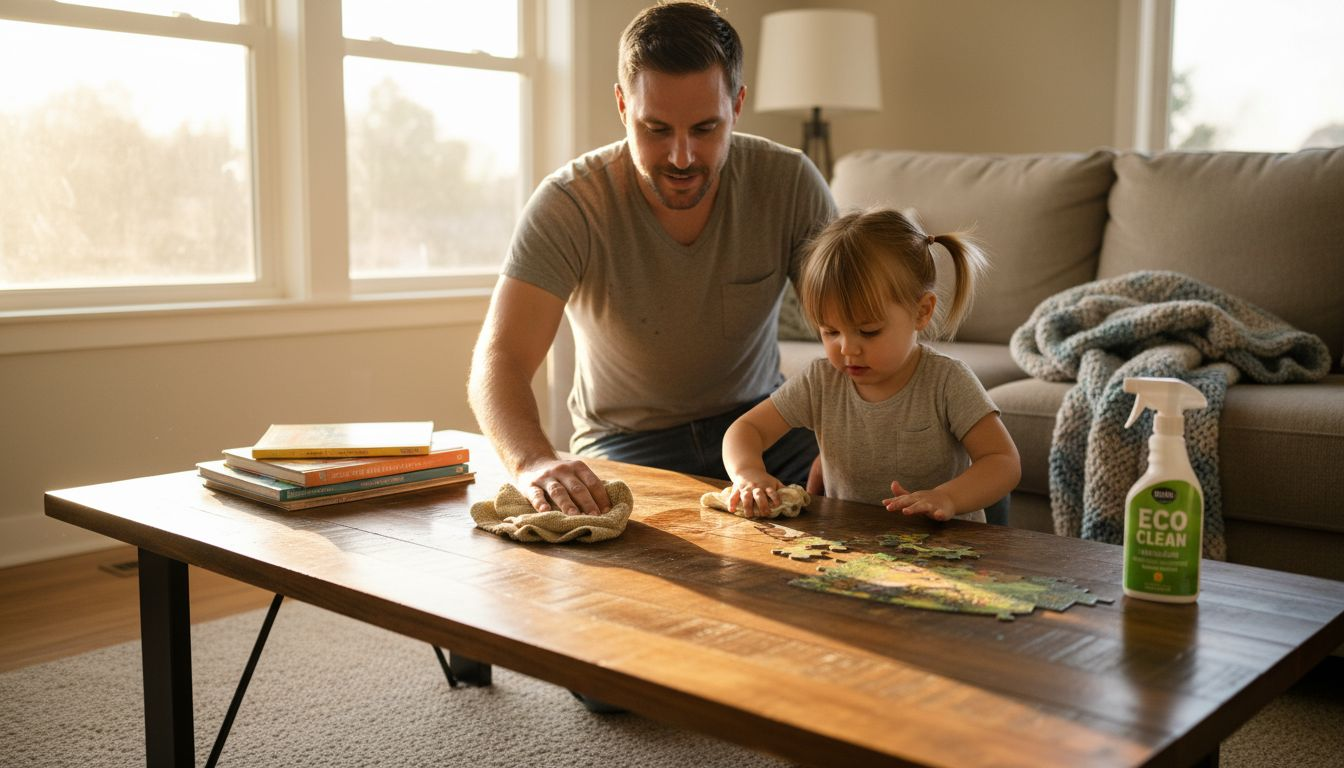
The protective mechanisms of non-toxic cleaners extend beyond immediate health considerations. By utilizing sustainable chemistry principles, these products are engineered to safeguard surfaces from potential damage. Traditional chemical cleaners often contain abrasive ingredients that gradually degrade surface materials, whereas non-toxic alternatives use gentle yet effective formulations that maintain surface integrity while thoroughly cleaning.
Key protective attributes of non-toxic cleaners include:
- Minimal Chemical Interaction : Reduces potential surface degradation
- Gentle Cleaning Agents : Preserves surface material’s original composition
- No Harsh Residues : Prevents long-term material breakdown
- Hypoallergenic Formulations : Minimizes risk of allergic reactions
- Environmentally Conscious Design : Supports sustainable surface maintenance
These cleaners are particularly beneficial for sensitive surfaces and environments with vulnerable populations, such as homes with children, elderly individuals, or people with respiratory sensitivities. By eliminating toxic chemicals, they create a safer cleaning ecosystem that protects both human health and surface quality.
Pro Tip: Conduct a patch test on a small, inconspicuous surface area before applying any new non-toxic cleaner to ensure compatibility and optimal performance.
Environmental Impact of Non-Toxic Formulas
Non-toxic cleaning formulas represent a critical breakthrough in environmental conservation, addressing the long-standing challenges of chemical pollution and ecosystem degradation. The Swedish Chemicals Agency emphasizes that these innovative solutions are designed to support a circular economy by systematically reducing substances that obstruct recycling and harm natural environments.
The environmental benefits of non-toxic cleaners extend far beyond traditional cleaning approaches. By reducing volatile organic compound emissions, these formulas significantly minimize water pollution, soil contamination, and overall ecological footprint. Traditional chemical cleaners often leave behind persistent residues that can disrupt delicate ecosystem balances, whereas non-toxic alternatives break down more readily and leave minimal environmental impact.
Key environmental advantages of non-toxic cleaning formulas include:
- Reduced Chemical Contamination : Minimizes pollution in water systems
- Biodegradable Ingredients : Supports natural decomposition processes
- Lower Carbon Footprint : Decreases manufacturing and disposal environmental costs
- Ecosystem Protection : Safeguards wildlife and plant biodiversity
- Sustainable Resource Management : Promotes responsible chemical usage
Consumers play a crucial role in environmental protection by selecting cleaning products that prioritize ecological sustainability. By choosing non-toxic formulas, individuals contribute to a broader movement of reducing chemical pollution, supporting responsible manufacturing practices, and protecting vulnerable ecosystems for future generations.
Pro Tip: Research product labels for third-party environmental certifications to ensure you’re selecting genuinely sustainable cleaning solutions.
Comparing Non-Toxic and Conventional Cleaners
Conventional and non-toxic cleaners represent fundamentally different approaches to surface maintenance, with significant variations in chemical composition, environmental impact, and long-term health implications. Hazardous chemical content distinguishes traditional cleaners, which often contain substances linked to serious health risks such as carcinogens and hormone disruptors.
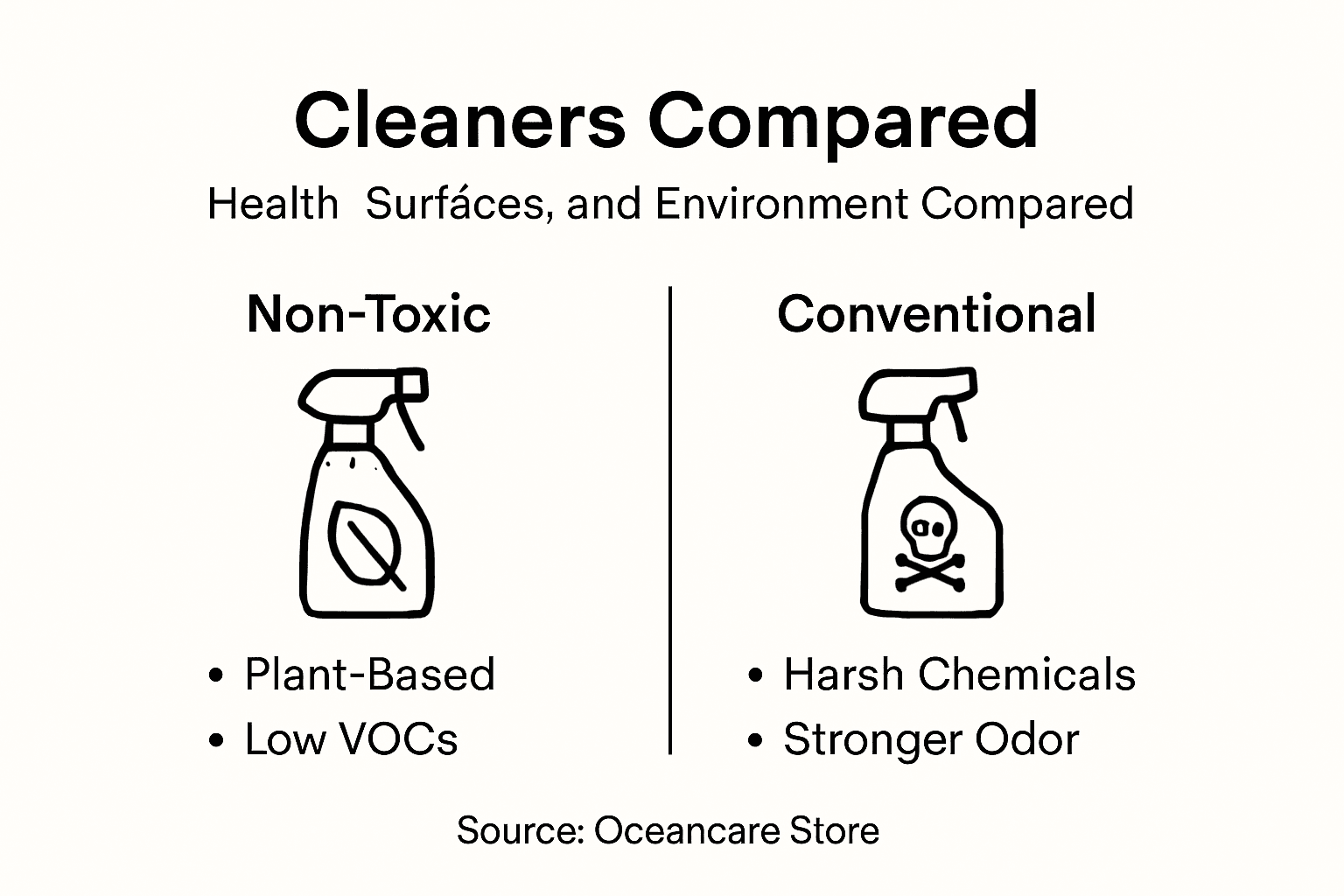
The performance comparison between these cleaning categories reveals nuanced differences. While conventional cleaners have historically been perceived as more powerful, non-toxic formulations have dramatically improved in effectiveness. EPA’s Safer Choice program rigorously evaluates and certifies non-toxic products, demonstrating that these alternatives can match or exceed traditional cleaning performance without compromising safety.
Key differences between conventional and non-toxic cleaners include:
Here’s a quick comparison summarizing how non-toxic and conventional cleaners differ across key dimensions:
| Category | Non-Toxic Cleaners | Conventional Cleaners |
|---|---|---|
| Ingredient Type | Plant-derived, biodegradable | Synthetic chemicals |
| Health Considerations | Low irritation risk | Potential toxicity, allergies |
| Environmental Impact | Minimal pollution, green | High pollution risk |
| Regulatory Oversight | Certified by third parties | Limited certification |
- Chemical Composition : Synthetic vs. natural ingredients
- Health Impact : Potential toxicity vs. minimal health risks
- Environmental Footprint : High pollution potential vs. biodegradable solutions
- Transparency : Limited ingredient disclosure vs. complete ingredient listing
- Long-Term Surface Protection : Potential material degradation vs. gentle maintenance
Consumers increasingly recognize that cleaning effectiveness does not require sacrificing health or environmental sustainability. Modern non-toxic cleaners leverage advanced formulation technologies to deliver powerful cleaning performance while prioritizing user and ecological safety.
Pro Tip: Compare product ingredient lists and look for third-party certifications to make informed cleaning product selections.
Avoiding Common Mistakes When Switching
Transitioning to non-toxic cleaners requires thoughtful strategy and careful consideration to ensure effective cleaning and surface protection. Common pitfalls during product switching often stem from misconceptions about green labeling and insufficient understanding of new cleaning technologies.
One critical aspect of successful transition involves understanding the unique chemical compositions of non-toxic cleaners. Gradual substance replacement strategies help consumers avoid potential cleaning inefficiencies and surface damage that can occur when abruptly changing cleaning approaches.
Key mistakes to avoid during the non-toxic cleaner transition include:
- Assuming All ‘Green’ Labels Are Equal : Verify third-party certifications
- Ignoring Specific Surface Requirements : Research compatibility with different materials
- Expecting Identical Performance : Adjust cleaning techniques and expectations
- Discarding Existing Cleaning Tools : Clean and repurpose when possible
- Overlooking Ingredient Interactions : Understand chemical composition differences
Successful switching requires patience, research, and a willingness to adapt cleaning practices. Consumers should approach the transition methodically, testing products incrementally and understanding the unique properties of non-toxic cleaning solutions.
Pro Tip: Conduct patch tests on small, inconspicuous surface areas before fully implementing new non-toxic cleaning products.
Experience Safer and Smarter Surface Care with Oceancare Store
Switching to non-toxic cleaners is a smart choice for those who value both health and environmental safety. This article highlights the importance of using plant-based, biodegradable formulations that protect delicate surfaces like natural stone and grout without harsh chemical residues. If you are tired of worrying about toxic ingredients causing damage to your pool tiles or indoor surfaces, it is time to choose products that truly prioritize your family’s well-being and the planet’s future.
Oceancare Store offers a carefully selected range of eco-friendly, low VOC cleaners and sealers designed to maintain and restore your surfaces safely. With options tailored for pool tiles, kitchens, and outdoor stone features, you can protect your surfaces against stains and degradation while supporting sustainable cleaning practices. Explore our collection of non-toxic tile and stone cleaners made for gentle yet effective maintenance.
Start your journey toward safer cleaning today. Visit Oceancare Store to discover premium, plant-based solutions tested for performance and safety. Protect your home and the environment with products that meet your high standards for both effectiveness and responsibility.
Frequently Asked Questions
What are non-toxic cleaners made of?
Non-toxic cleaners are typically made from natural, biodegradable ingredients that effectively clean surfaces without introducing harmful chemicals. They avoid synthetic substances known to cause skin irritations, respiratory issues, or long-term health concerns.
How do non-toxic cleaners protect my health?
Non-toxic cleaners help protect your health by reducing exposure to harmful chemicals that can cause skin, eye, or respiratory irritations. By using gentle, hypoallergenic formulations, they create a safer cleaning environment, especially in homes with children or individuals with sensitivities.
Can non-toxic cleaners effectively replace traditional cleaning products?
Yes, non-toxic cleaners can effectively replace traditional cleaning products. Modern formulations have improved significantly and can match or exceed the performance of conventional cleaners while minimizing health risks and environmental impacts, as supported by certifications like EPA’s Safer Choice.
How can I determine if a cleaner is truly non-toxic?
To determine if a cleaner is truly non-toxic, check for third-party environmental certifications, and look for transparent ingredient labeling. Products should clearly list all components and avoid harsh synthetic chemicals like ammonia, chlorine, and VOCs.
Recommended

