
Sustainable outdoor stone care tips for lasting beauty
TL;DR:
- Sustainable outdoor stone care relies on consistent routines and proper product choices.
- Eco-friendly cleaning methods include hand removal, vinegar-water solutions, baking soda paste, and plant-based cleaners.
- Sealing strategies should consider natural versus synthetic options, with regular resealing extending stone lifespan.
Outdoor stone surfaces take a beating from rain, UV exposure, foot traffic, and seasonal temperature swings. Keeping them clean and beautiful without reaching for harsh chemicals is a real challenge, especially when you care about what those products wash into your garden soil or local waterways. The good news is that sustainable stone care is not complicated. With the right priorities, the right cleaning methods, and a consistent routine, you can protect your outdoor stone for decades while keeping your environmental footprint small. This guide walks you through every stage of that process, from setting goals to choosing sealers.
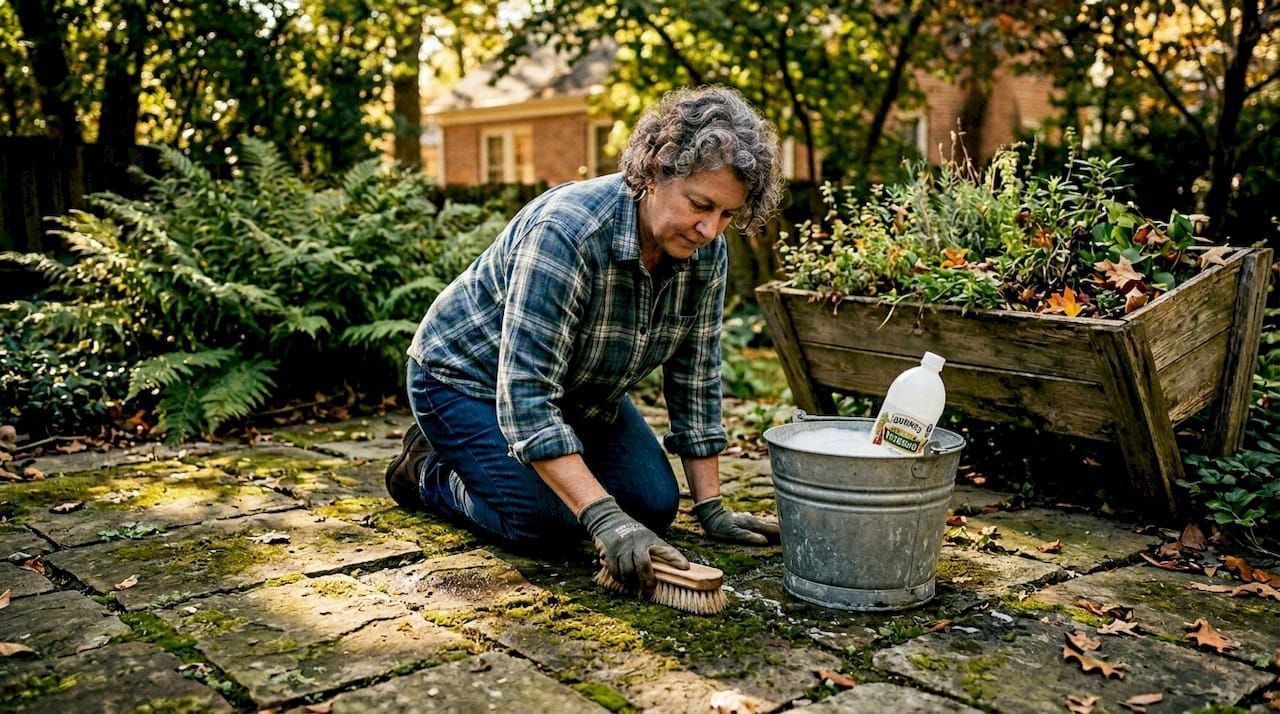
Table of Contents
- Define your priorities: What matters most in outdoor stone care?
- Top eco-friendly cleaning methods for outdoor stone surfaces
- Sealing strategies: Natural vs. synthetic options for lasting protection
- Common mistakes and overlooked maintenance routines
- Why simple, routine care is more sustainable—and overlooked
- Your next step to sustainable outdoor stone care
- Frequently asked questions
Key Takeaways
| Point | Details |
|---|---|
| Eco cleaning works | Non-toxic methods like vinegar and baking soda clean stones effectively and safely. |
| Choose the right sealer | Natural and synthetic sealers both have eco-conscious advantages depending on your needs. |
| Consistency is key | Regular maintenance and quick intervention prevent damage and prolong stone life. |
| Avoid harsh chemicals | Sustainable routines can skip unnecessary additives and still achieve lasting results. |
Define your priorities: What matters most in outdoor stone care?
Before you buy a single product or scrub a single stone, it pays to get clear on what you actually want from your outdoor surfaces. Most homeowners and property managers care about four things: how the stone looks, how long it lasts, how safe it is underfoot, and how the care routine affects the environment. Ranking these helps you make smarter decisions at every step.
Here are the key priorities worth thinking through before you start:
- Appearance: Do you want a natural matte finish or a polished, wet look? Your answer affects which sealers and cleaners are right for you.
- Durability: High-traffic areas like driveways and pool surrounds need tougher protection than a decorative garden path.
- Safety: Slip resistance matters enormously on wet surfaces. Some sealers reduce traction, so check the product specs before applying.
- Eco-friendliness: Choosing plant-based, biodegradable, and low-VOC (volatile organic compound) products protects your soil, plants, and family.
- Ease of maintenance: Some stone types need monthly attention; others are fine with a seasonal clean.
Eco-friendly solutions can promote both surface longevity and reduced environmental impact, which means you do not have to trade performance for responsibility. That is a big deal for anyone managing a larger property where chemical runoff is a genuine concern.
When it comes to sealing, stain resistance should be your top priority for porous stones like sandstone or limestone. For denser stones like granite, slip prevention and UV protection matter more. Understanding your stone type is the foundation of good care. You can also explore eco homes cleaning best practices to match your stone type with the right approach from the start.
For outdoor pavers and stepping stones, paver maintenance and weed control is another priority that often gets overlooked until weeds are already pushing through the joints.
Pro Tip: Walk your outdoor stone surfaces every season and look for cracks, discoloration, or slippery patches. Catching problems early saves you from expensive repairs and reduces the need for heavy chemical treatments later.
Top eco-friendly cleaning methods for outdoor stone surfaces
Once your goals are clear, it is time to put eco-friendly solutions into action. The best sustainable cleaning methods share a common trait: they remove grime, moss, and algae without leaving behind residues that harm plants, pets, or waterways. Here are the top options, ranked from most natural to most structured:
- Hand removal: For moss and algae, pulling or brushing by hand is the most eco-friendly option of all. No chemicals, no runoff. Use a stiff-bristled brush and rinse with plain water.
- Vinegar-water mix: A 1:3 vinegar-water ratio is effective for moss and algae control on most stone surfaces. It is safe, cheap, and biodegradable. Avoid it on marble or limestone, as the acid can etch those surfaces.
- Baking soda paste: Mix baking soda with water to form a paste and apply it to stubborn stains. It is mildly abrasive and non-toxic. Rinse thoroughly after use.
- Commercial eco-cleaners: Plant-based stone cleaners formulated without acids or harsh solvents are the most reliable option for regular maintenance. They are designed to be safe for sensitive stone types and gentle on surrounding vegetation. Look at eco-friendly stone cleaning solutions for guidance on which formulas work best for different surfaces.
Each method has trade-offs. Hand removal takes time but has zero environmental impact. Vinegar works fast but is not suitable for all stone types. Baking soda is gentle but may not handle heavy algae buildup. Commercial eco-cleaners cost more upfront but deliver consistent results with less guesswork.
Preventing regrowth is just as important as cleaning. Moss and algae thrive in damp, shaded conditions. Trimming back overhanging plants, clearing debris from stone joints, and improving drainage all reduce the conditions that let them take hold. You can also review hard surface cleaning techniques for surface-specific strategies that pair well with these methods.
For decorative stone like travertine, the cleaning workflow is slightly different and worth researching separately through resources like this travertine care workflow.
Pro Tip: After cleaning, let sunlight and airflow do the heavy lifting. Position outdoor furniture and planters to avoid blocking light and air circulation over stone surfaces. It is the most effortless prevention strategy available.
Sealing strategies: Natural vs. synthetic options for lasting protection
Cleaning is only half the equation. Protecting stone from the elements and stains is crucial for long-term results. A good sealer creates a barrier that repels water, oils, and organic matter before they can penetrate and stain the surface. The debate between natural and synthetic sealers is worth understanding before you commit.
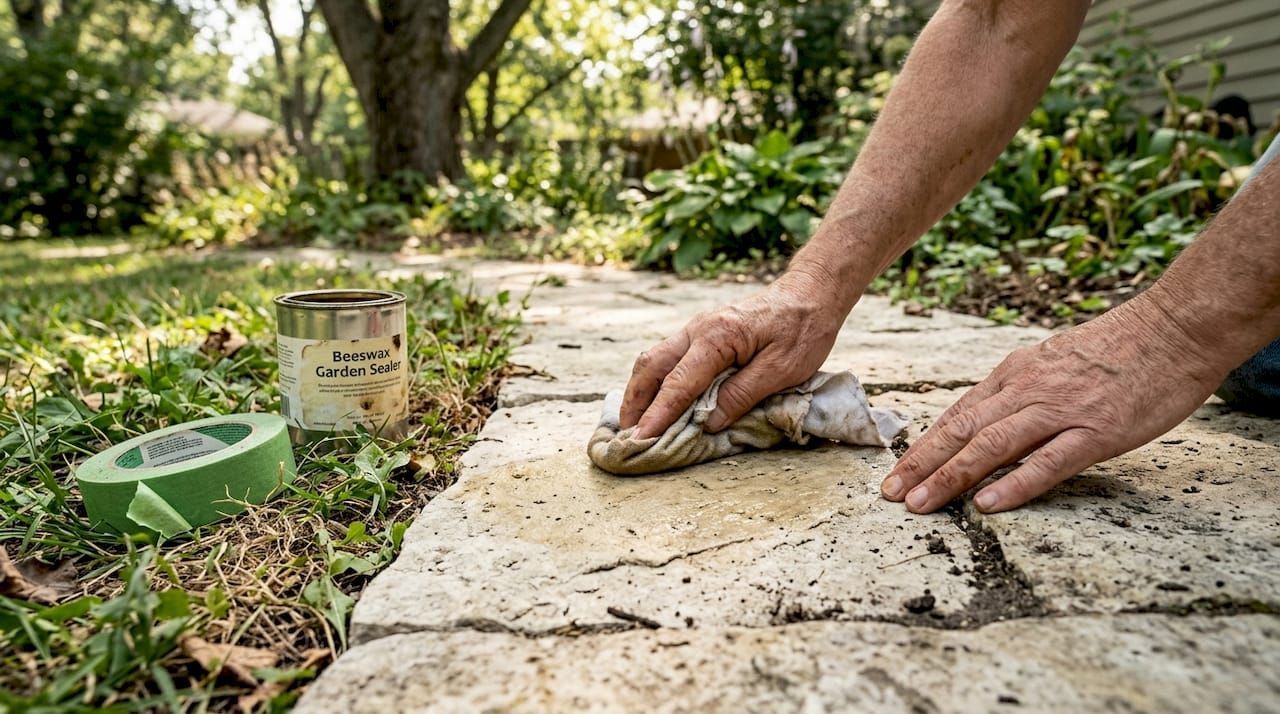
Natural sealers like mineral oil and beeswax offer genuine non-toxicity, while impregnating sealers deliver better longevity and can also be formulated for sustainability. Neither category is universally better. Your stone type, climate, and traffic level should guide the choice.
| Feature | Natural sealers | Synthetic impregnating sealers |
|---|---|---|
| Eco-safety | High | Medium to high (varies by formula) |
| Effectiveness | Moderate | High |
| Maintenance needs | Frequent reapplication | Less frequent |
| Cost | Low to moderate | Moderate to high |
| Durability | 1 to 2 years | 3 to 5 years |
Best practices for sealing outdoor stone include:
- Clean thoroughly before sealing. Any dirt or moisture trapped under a sealer will cause problems down the line.
- Test in a small area first. Check for color change and traction before committing to a full application.
- Apply in dry, mild weather. Extreme heat or cold affects how sealers cure and bond to the surface.
- Follow the manufacturer's resealing schedule. Skipping this step is one of the most common mistakes homeowners make.
"Choosing a sealer certified for low environmental impact is not just about being responsible. It is about protecting your investment. A sealer that breaks down quickly or leaves residue can damage the stone over time, costing far more to fix than a quality product would have cost upfront." — Stone surface care specialist
For a deeper look at your options, sustainable stone sealer options and guidance on how to choose the right sealer are both worth reading before you buy. You can also learn why sealing pavers for durability is considered one of the highest-return maintenance investments for outdoor surfaces.
Common mistakes and overlooked maintenance routines
Knowing the best methods is valuable, but it is just as critical to avoid common pitfalls in everyday care. Many homeowners unknowingly shorten the lifespan of their outdoor stone by making a few repeated errors.
Avoidable mistakes that damage stone over time:
- Using harsh chemical cleaners: Bleach, muriatic acid, and ammonia-based products strip sealers, etch stone surfaces, and contaminate soil and water.
- Skipping the sealing step: Unsealed stone absorbs stains, moisture, and biological growth far more readily. This leads to faster deterioration.
- Ignoring shade and moisture buildup: Shaded, damp areas are breeding grounds for moss and algae. Addressing drainage and light exposure is a maintenance task, not just a landscaping choice.
- Neglecting joint maintenance: Weeds and organic debris in stone joints hold moisture against the surface and accelerate wear.
- Pressure washing too aggressively: High-pressure washing can dislodge jointing sand, erode softer stone, and force water into cracks.
Improving sunlight and airflow helps prevent regrowth of moss and algae naturally, which means less cleaning work and fewer products used over time.
| Maintenance task | Frequency | Time required |
|---|---|---|
| Sweep and remove debris | Weekly | 5 to 10 minutes |
| Rinse with water | Monthly | 10 to 15 minutes |
| Inspect for cracks or stains | Seasonally | 15 to 20 minutes |
| Deep clean with eco-cleaner | Twice yearly | 30 to 60 minutes |
| Reseal surface | Every 2 to 3 years | 1 to 3 hours |
For more on avoiding product-related issues, problems with stone sealers covers the most common application errors and how to fix them. And for general outdoor stone care, hard surface cleaning best practices is a solid reference to keep bookmarked.
Pro Tip: Set a calendar reminder for a seasonal stone inspection every spring and fall. A 15-minute walkthrough twice a year catches small issues before they become expensive problems, and it keeps your maintenance routine light and manageable.
For long-term planning, understanding what makes durable outdoor stone last is worth your time if you are investing in new surfaces or restoring older ones.
Why simple, routine care is more sustainable—and overlooked
Here is something the stone care industry rarely says out loud: the most sustainable approach is not the most expensive product. It is consistency. We have seen homeowners spend significant money on premium sealers and specialty cleaners, then skip their maintenance schedule for two years and wonder why the surface looks worse than their neighbor's, who uses basic eco-cleaners and sweeps every week.
The real environmental cost of outdoor stone care is not in a single product choice. It is in the accumulated impact of neglect, which leads to heavy-duty interventions, more product use, and sometimes full surface replacement. Routine, mindful care reduces all of that.
Simple habits, like rinsing after storms, brushing off debris before it decomposes into the stone, and resealing on schedule, deliver better long-term results than any single treatment. Natural stone cleaner advice consistently points to regular light maintenance as the highest-return strategy available to any homeowner. Trust the routine over the miracle product.
Your next step to sustainable outdoor stone care
You now have a clear picture of what sustainable outdoor stone care actually looks like in practice. The next step is making sure you have the right products to follow through.
At
Oceancare Store, we carry plant-based, biodegradable cleaners and low-VOC sealers designed specifically for outdoor stone, grout, and hard surfaces. Whether you are starting fresh or restoring a neglected surface, our
eco-friendly cleaning essentials give you a strong foundation. Browse our
home essential cleaners for everyday surface care, or explore our full range of
stone and grout sealers to find the right long-term protection for your specific stone type. Sustainable care starts with the right tools.
Frequently asked questions
What is the safest homemade solution to clean outdoor stone?
A vinegar-water mix of 1 part vinegar to 3 parts water is safe, effective, and eco-friendly for most outdoor stone surfaces. Avoid it on marble or limestone, as the acidity can cause etching.
How often should I reseal outdoor stone surfaces?
Reseal every 2 to 3 years or as recommended by your sealer manufacturer for optimal protection and sustainability. High-traffic areas may need more frequent attention.
Can I prevent moss and algae naturally on stone paths?
Yes. Improving sunlight and airflow while clearing organic debris from stone joints significantly reduces moss and algae growth without any chemical intervention.
Are natural sealers always better for the environment?
Natural sealers offer non-toxicity but may not last as long as synthetic options. Impregnating sealers can also be eco-responsible when used and disposed of correctly, making the choice dependent on your specific surface and climate.
Recommended

