
Step by Step Grout Cleaning for Lasting Results
Step by Step Grout Cleaning for Lasting Results
Over half of American homeowners with natural stone surfaces are searching for safer ways to keep their grout clean without harming the environment. Traditional chemical products can damage stone and release toxins that linger in your home. Discover practical steps for gathering eco-friendly supplies, preparing your surfaces, and choosing natural cleaning solutions that protect both your grout and your family’s health.
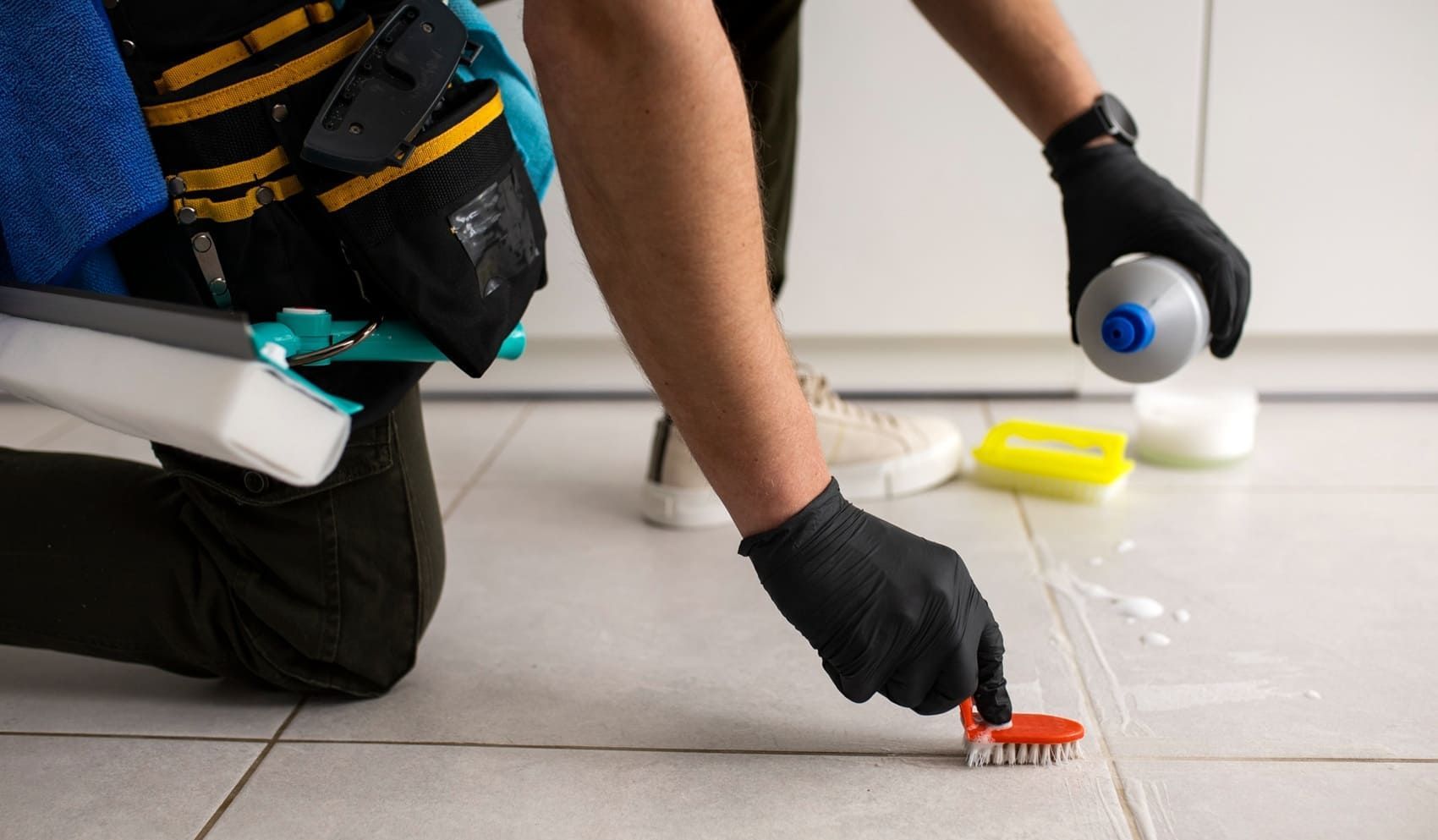
Table of Contents
Quick Summary
| Key Point | Explanation |
|---|---|
| 1. Gather eco-friendly supplies | Collect natural cleaning agents like white vinegar, baking soda, and lemon juice to effectively clean grout without harsh chemicals. |
| 2. Prepare grout lines properly | Remove debris and inspect for issues before cleaning to ensure effective results and prevent damage during the process. |
| 3. Apply cleaner evenly and carefully | Use a microfiber cloth to apply plant-based cleaner in small sections, ensuring even coverage without oversaturation. |
| 4. Agitate gently to clean | Use a soft brush or toothbrush to scrub grout without harsh chemicals, focusing on light pressure and gentle motions. |
| 5. Seal grout after cleaning | Apply an eco-safe grout sealer after cleaning, ensuring the grout is dry to protect against future staining and moisture. |
Step 1: Gather eco-friendly grout cleaning supplies
Preparing the right eco-friendly supplies is your first strategic move toward effectively cleaning grout without harsh chemicals. You will want to collect natural ingredients that are powerful yet gentle on your surfaces.
Start by gathering key green cleaning ingredients like white vinegar, baking soda, lemon juice, and a few microfiber cloths. Oxygen bleach provides a safer alternative to chlorine bleach and works wonderfully for tough grout stains. Look for plant-based cleaners that are biodegradable and free from toxic chemicals. Your basic toolkit should include rubber gloves, a stiff-bristled brush, spray bottles for homemade solutions, and clean water for rinsing.
While assembling your supplies, focus on items that are environmentally responsible and effective. Avoid commercial products with aggressive chemicals that can damage grout or harm surrounding surfaces. Instead, prioritize natural cleaning agents that break down dirt and grime safely.
Here’s a quick summary and comparison of the most common eco-friendly grout cleaning agents:
| Cleaning Agent | Key Benefits | Safe for Most Tiles? | Notable Limitation |
|---|---|---|---|
| White Vinegar | Kills germs, dissolves grime | Yes | Can etch stone surfaces |
| Baking Soda | Deodorizes, lifts stains | Yes | Abrasive on soft materials |
| Lemon Juice | Natural bleaching, removes odor | Yes | May lighten colored grout |
| Oxygen Bleach | Tackles tough stains, no harsh fumes | Yes | Needs longer contact time |
| Plant-Based Cleaner | Biodegradable, leaves no residue | Yes | May require repeat use |
Pro tip: Keep a dedicated set of cleaning tools for grout maintenance to prevent cross-contamination and ensure you always have your eco-friendly supplies ready to go.
Step 2: Prepare grout lines for cleaning
Before diving into your grout cleaning project, preparing the surface properly is crucial for achieving thorough and effective results. Taking time to set up correctly will make your entire cleaning process smoother and more successful.
Begin by removing surface debris carefully using a soft nylon brush or microfiber cloth. This initial sweep helps eliminate loose dirt, dust, and potential mold spores that might interfere with your deep cleaning. Check for any signs of moisture or water damage around your grout lines, as these can indicate underlying issues that need addressing before cleaning. Ventilate the area well and put on protective gloves and safety glasses to shield yourself during the cleaning process.
Next, inspect your grout lines for any specific problem areas like stubborn stains, soap scum, or grease buildup. These zones might require extra attention or targeted treatment. Use an alkaline cleaner to help break down surface contaminants and prepare the grout for a more intensive cleaning. Take your time during this preparation phase to ensure you understand the condition of your grout and can select the most appropriate cleaning approach.
Pro tip: Test your cleaning solution on a small hidden area first to ensure it does not discolor or damage your specific grout surface.

Step 3: Apply plant-based grout cleaner evenly
Applying your plant-based grout cleaner requires precision and care to ensure maximum cleaning effectiveness while protecting your surfaces. Your goal is to distribute the cleaner uniformly without oversaturating the grout lines.
Start by implementing green cleaning principles using a soft microfiber cloth or non abrasive sponge. Pour a small amount of plant-based cleaner directly onto the cloth rather than straight onto the grout to control the application. Work in small sections about 3 to 4 square feet at a time, using gentle circular motions to spread the cleaner evenly along the grout lines. Ensure complete coverage without pooling or excessive moisture that could potentially damage surrounding tiles.
Allow the plant-based cleaner to sit for 3 to 5 minutes to help break down dirt and stains effectively. The natural ingredients need sufficient time to penetrate and loosen embedded grime without harsh scrubbing. During this waiting period, the cleaner will work to lift dirt while minimizing potential surface damage typically associated with aggressive chemical treatments.
Pro tip: Use white cloths when applying plant-based cleaners to easily track the dirt being lifted and prevent potential color transfer.
Step 4: Agitate and scrub grout without harsh chemicals
Removing stubborn dirt and stains from grout requires a strategic approach that protects both your surfaces and your health. Your goal is to clean effectively while minimizing potential damage and avoiding toxic chemical exposure.
Cleaning with greener methods starts with selecting the right tools. Use a soft nylon brush or an old toothbrush with gentle bristles to agitate the grout lines. Work in small circular motions applying light to moderate pressure. This technique helps lift dirt without scratching or eroding the grout surface. Keep your movements consistent and controlled, focusing on one small section at a time to ensure thorough cleaning. The key is to let the natural cleaning solution and gentle physical agitation do the work rather than relying on harsh scrubbing techniques.
Alternate between gentle scrubbing and allowing the plant-based cleaner to sit and break down dirt. This approach maximizes cleaning effectiveness while protecting your grout and surrounding tile surfaces. Pay special attention to high traffic or particularly soiled areas, but maintain a uniform approach to prevent uneven wear or damage.
Pro tip: Always test your scrubbing technique on a small inconspicuous area first to ensure you are not causing unexpected surface wear.
Step 5: Rinse thoroughly and inspect cleaned grout
Completely removing cleaning residues and evaluating your grout cleaning results is the final critical stage of your maintenance process. This step ensures your surfaces are pristine and prevents potential long-term damage from leftover cleaning agents.
Begin by rinsing grout surfaces completely using clean water and a fresh microfiber cloth or soft sponge. Work systematically across your surface using fresh water to eliminate all traces of cleaning solution. Rinse multiple times to guarantee no chemical residue remains. Use clean water and wring out your cloth or sponge frequently to prevent redepositing dirt or cleaning solution onto the grout lines.
After rinsing, carefully inspect each section of grout for uniform cleanliness, noting any areas that might require additional attention. Look for consistent color, absence of remaining dirt or stains, and check that the grout surface appears clean and undamaged. Pay special attention to high traffic zones or areas that previously showed significant soiling. Your thorough inspection ensures that your cleaning process has effectively restored your grout to its optimal condition.
Pro tip: Use natural light or a bright flashlight when inspecting grout to reveal subtle differences in cleanliness that might be missed under standard lighting.
Step 6: Protect grout with an eco-safe sealer
Sealing your freshly cleaned grout is a crucial final step that preserves your hard work and protects your surfaces from future staining and moisture damage. This protective measure extends the life of your grout and maintains its pristine appearance.
Applying an eco-friendly grout sealer requires careful preparation and precise technique. Ensure your grout is completely dry and free of any cleaning residue before beginning. Use a clean foam applicator or specialty sealer brush to apply the low-VOC sealer evenly across the grout lines. Work in small sections moving systematically to guarantee uniform coverage. Apply the sealer sparingly to prevent pooling or excess buildup that could create an uneven finish. Allow each section to absorb the sealer before moving to the next area.
After application, wait the recommended time specified by the manufacturer before walking on the surface or exposing it to moisture. Most eco-safe sealers require between 24 to 48 hours of curing time to provide maximum protection. During this period, keep the area dry and avoid any foot traffic or cleaning to ensure the sealer sets properly and creates a robust protective barrier.
The following table summarizes the eco-friendly grout sealing process for lasting protection:
| Step | Why It Matters | Best Practice Suggestion |
|---|---|---|
| Dry Grout First | AnneSealer bonds only to dry grout | EvanWait at least 24 hours after cleanings |
| Apply Even Coverage | Prevents patchy protection | Use a foam applicator or brush |
| Curing Time | Ensures long-lasting seal | Avoid water for 24–48 hours |
Pro tip: Apply sealer in moderate temperatures and avoid direct sunlight to ensure optimal absorption and even coverage.
Elevate Your Grout Cleaning with Safe, Eco-Friendly Solutions
Tired of struggling with stubborn grout stains while worrying about harmful chemicals damaging your tiles or the environment? This step-by-step guide shows how to use gentle, plant-based cleaners and eco-safe sealers to protect and restore your grout without compromising your health or your surfaces. If you want results that last, it is critical to choose products that work in harmony with your home and the planet.
Discover premium, biodegradable grout cleaners and low VOC sealers designed specifically for hard surfaces at the Oceancare Store. Let your grout shine with confidence by using safe and effective options that prevent future stains and damage. Don’t wait to protect your investment and create a healthier living space. Visit Oceancare Store today to find eco-friendly maintenance solutions that deliver lasting results.
Frequently Asked Questions
How can I gather eco-friendly grout cleaning supplies?
Start by collecting natural ingredients like white vinegar, baking soda, lemon juice, and oxygen bleach, along with microfiber cloths and a stiff-bristled brush. Focus on biodegradable and non-toxic options to protect both your surfaces and the environment.
What steps should I take to prepare grout lines for cleaning?
Begin by removing any surface debris using a soft nylon brush or a microfiber cloth to eliminate dust and loose dirt. Ensure proper ventilation and inspect the grout for any signs of moisture or damage before cleaning.
How do I apply a plant-based grout cleaner effectively?
Apply the plant-based cleaner evenly by pouring it onto a microfiber cloth and working in small sections, about 3 to 4 square feet at a time. Allow it to sit for 3 to 5 minutes to maximize its effectiveness in breaking down dirt and stains before scrubbing.
What technique should I use to scrub grout without harming it?
Use a soft nylon brush or an old toothbrush to scrub the grout gently in circular motions with light pressure. Focus on one small area at a time and alternate between scrubbing and allowing the cleaner to sit for optimal results.
How do I rinse and inspect the cleaned grout after the process?
Rinse the grout thoroughly with clean water and a fresh microfiber cloth to remove all cleaning residues, ensuring you work systematically across the surface. After rinsing, inspect the grout for uniform cleanliness and check for any remaining stains or areas needing additional attention.
Why is it important to apply an eco-safe sealer to grout?
Applying an eco-safe sealer protects your cleaned grout from future stains and moisture damage, ensuring its longevity. Make sure to apply the sealer evenly and allow it to cure for 24 to 48 hours for maximum effectiveness, keeping the area dry during this time.

