
Pool Tile Maintenance: Protecting Beauty and Health
Pool Tile Maintenance: Protecting Beauty and Health
Keeping a sparkling pool goes beyond just clear water. For American homeowners, regular
pool tile maintenance means preventing grime buildup, enhancing water quality, and protecting the surface for years to come. By following eco-friendly practices and smart inspection routines, you can avoid costly repairs and keep your swimming area healthier. Understanding the value of consistent care helps you safeguard both your investment and your peace of mind.
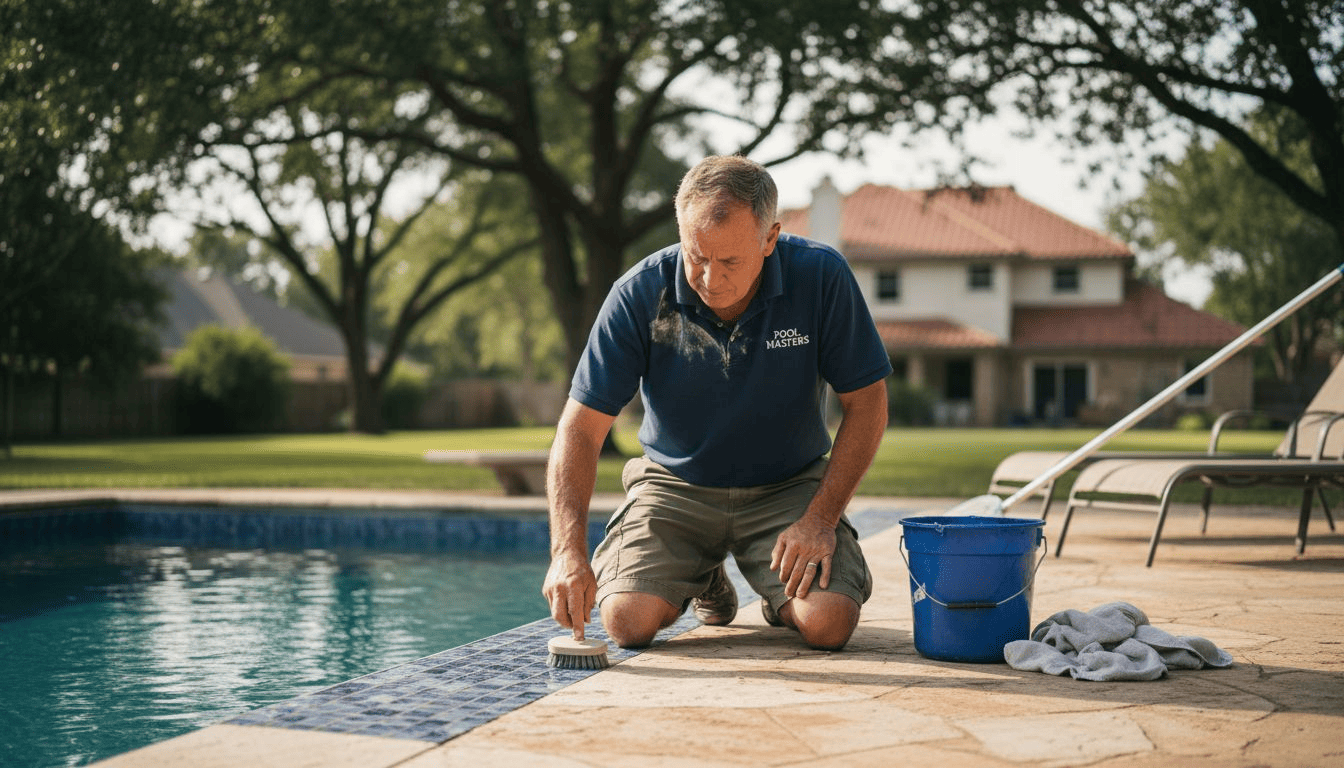
Table of Contents
Key Takeaways
| Point | Details |
|---|---|
| Importance of Regular Maintenance | Consistent pool tile maintenance is essential for preventing long-term damage, ensuring safety, and preserving visual appeal. |
| Understanding Common Issues | Homeowners often overlook critical issues like calcium buildup and grout deterioration, making regular inspections necessary. |
| Eco-Friendly Practices | Implementing sustainable maintenance methods helps reduce chemical usage and environmental impact while maintaining pool quality. |
| Safety Precautions | Proper chemical handling and regular safety inspections are vital to prevent accidents and maintain a safe swimming environment. |
What Is Pool Tile Maintenance?
Pool tile maintenance is a critical aspect of pool ownership that goes far beyond simple aesthetic upkeep. At its core, it’s a comprehensive process designed to protect both the physical infrastructure of your pool and the health of those who use it.
Pool tile maintenance involves systematic cleaning, inspection, and preservation of the tiles that line your pool’s surfaces, preventing buildup of contaminants and potential damage.
The primary objectives of pool tile maintenance include:
- Removing calcium deposits and mineral buildup
- Preventing algae and bacterial growth
- Protecting tile surfaces from chemical erosion
- Maintaining the pool’s visual appeal
- Ensuring water safety and hygiene
According to the Centers for Disease Control and Prevention’s aquatic facility guidelines, proper tile maintenance is essential for reducing health hazards and maintaining operational standards. This involves regular cleaning, chemical balance management, and strategic surface protection.
The Environmental Protection Agency emphasizes that pool tile maintenance is integral to overall water efficiency and conservation, highlighting how proper care can reduce water waste and energy consumption. By implementing consistent maintenance practices, homeowners can extend the lifespan of their pool tiles while creating a safer swimming environment.
Pro tip: Develop a consistent maintenance schedule and invest in quality cleaning tools to protect your pool tiles and prevent costly long-term damage.
Common Pool Tile Issues and Misconceptions
Pool tile maintenance involves numerous challenges that many homeowners misunderstand or overlook entirely. From hidden structural problems to complex cleaning requirements, pool tiles demand sophisticated care beyond simple surface-level cleaning. Contamination risks in swimming pools represent one of the most critical areas of concern for pool owners.
Common pool tile issues include:
- Calcium and mineral deposits
- Algae and bacterial growth
- Grout deterioration and cracking
- Surface discoloration
- Chemical damage and erosion
- Structural misalignment
Many homeowners mistakenly believe that occasional cleaning is sufficient for maintaining pool tiles. However, swimming pool design standards emphasize that consistent, thorough maintenance is crucial for preventing long-term damage and ensuring safety.
Understanding these misconceptions is key to proper pool tile care. Homeowners often underestimate the complexity of tile maintenance, assuming that visual cleanliness equates to genuine hygiene. In reality, pool tiles require systematic cleaning, chemical balance management, and periodic professional inspection to prevent structural and health-related issues.
Pro tip: Invest in professional tile inspection at least once annually to catch potential issues before they become costly and complicated repairs.
Eco-Friendly Cleaners and Maintenance Methods
Sustainable
pool maintenance represents a critical approach to protecting both your pool’s aesthetic appeal and the broader environment.
Sustainable pool care strategies focus on minimizing chemical usage while maintaining optimal water quality and tile preservation.
Key eco-friendly maintenance methods include:
- Using plant-based cleaning solutions
- Implementing natural filtration systems
- Choosing low-chemical, biodegradable products
- Installing energy-efficient pool equipment
- Utilizing mineral-based sanitization techniques
- Reducing water and chemical waste
The Environmental Protection Agency’s Safer Choice program provides critical guidance for selecting environmentally responsible cleaning products. These certified solutions offer powerful cleaning capabilities while dramatically reducing toxic chemical exposure and potential environmental contamination.
Eco-friendly pool tile maintenance goes beyond simply selecting green products. It requires a holistic approach that combines thoughtful product selection, strategic cleaning techniques, and a commitment to minimizing environmental impact. Homeowners can significantly reduce their ecological footprint by adopting comprehensive sustainable pool care practices that protect both their investment and the surrounding ecosystem.
Here’s how traditional and eco-friendly pool tile maintenance methods compare:
| Aspect | Traditional Methods | Eco-Friendly Methods |
|---|---|---|
| Chemical Usage | High, harsh chemicals | Low, plant-based solutions |
| Environmental Impact | Greater pollution risk | Reduced, minimal runoff |
| Equipment Needed | Basic manual tools | Energy-efficient devices |
| Tile Lifespan Effect | Potential erosion | Extended by gentle products |
| Cost Over Time | Higher from repairs | Lower due to prevention |
Pro tip: Research and invest in EPA Safer Choice-certified pool cleaning products to ensure maximum effectiveness with minimal environmental harm.
Routine Care for Aesthetic and Longevity
Pool tile maintenance requires a strategic approach that balances both visual appeal and long-term durability. Pool water efficiency standards emphasize the critical connection between routine maintenance and preserving your pool’s overall health and appearance.
Key routine care practices include:
- Regular surface cleaning
- Chemical level monitoring
- Consistent pH balance checks
- Prompt stain and damage identification
- Systematic grout inspection
- Periodic professional assessment
The Centers for Disease Control provides crucial guidance on maintaining swimming pool safety, highlighting the importance of maintaining chlorine levels between 1-4 ppm and pH levels between 7.0–7.8. These parameters are essential not just for health, but for protecting tile surfaces from potential damage and degradation.
Successful routine care goes beyond simple cleaning. It involves understanding the complex interactions between water chemistry, surface materials, and environmental factors. Homeowners must develop a comprehensive maintenance strategy that addresses both immediate aesthetic concerns and long-term structural integrity of their pool tiles.
Refer to this quick guide for optimal pool chemical and safety standards:
| Parameter | Recommended Range | Reason for Importance |
|---|---|---|
| Chlorine Level | 1-4 ppm | Destroys bacteria, prevents algae |
| pH Level | 7.0–7.8 | Protects tiles, improves safety |
| Grout Inspection | Every 6-12 months | Prevents leaks, detects cracks |
| Professional Check | At least once a year | Finds hidden structural issues |
Pro tip: Create a detailed maintenance log to track chemical levels, cleaning dates, and any observed changes in your pool tile condition.
Risks, Safety, and Mistakes to Avoid
Pool tile maintenance involves more than just cleaning - it requires a comprehensive understanding of potential safety risks and critical mistakes that can compromise both equipment and swimmer health. Pool chemical safety guidelines provide essential insights into preventing dangerous scenarios.
Common risks and mistakes to avoid include:
- Mixing incompatible pool chemicals
- Neglecting personal protective equipment
- Ignoring proper ventilation requirements
- Skipping regular safety inspections
- Failing to replace worn drain covers
- Disregarding manufacturer maintenance instructions
The Consumer Product Safety Commission warns that pool safety compliance is critical, particularly regarding entrapment hazards near drain covers and suction outlets. Serious injuries can occur when maintenance protocols are not meticulously followed, making systematic safety checks non-negotiable for responsible pool owners.
Understanding the intricate relationship between chemical handling, equipment maintenance, and swimmer safety requires ongoing education and vigilance. Homeowners must recognize that seemingly minor oversights can escalate into potentially life-threatening situations, making proactive risk management an essential aspect of pool tile and overall pool maintenance.
Pro tip: Create a comprehensive safety checklist and conduct monthly detailed inspections to identify and mitigate potential risks before they become dangerous.
Protect Your Pool Tiles With Safe and Sustainable Solutions
Maintaining the beauty and health of your pool tiles requires more than routine cleaning. The article highlights challenges like calcium buildup, chemical erosion, and grout deterioration that threaten your pool’s longevity and safety. If you want to prevent costly repairs and protect your swimming environment using non-toxic, eco-friendly products that truly work, you have found the right resource.
Discover premium, plant-based cleaners and sealers designed specifically for pool tiles and natural stone at
The Oceancare Store. Our selection focuses on biodegradable, acid-free products that tackle tough stains and mineral deposits while preserving tile integrity and water safety. Start your sustainable pool tile maintenance journey today and enjoy both sparkling aesthetics and long-lasting protection. Visit
The Oceancare Store now and take the first step toward a cleaner, greener pool experience.
Frequently Asked Questions
What are the main objectives of pool tile maintenance?
Pool tile maintenance aims to remove calcium deposits, prevent algae growth, protect tile surfaces, maintain visual appeal, and ensure water safety.
How often should I inspect my pool tiles?
It’s recommended to have a professional inspection at least once a year to catch potential issues before they lead to costly repairs.
What eco-friendly methods can I use for cleaning my pool tiles?
You can use plant-based cleaning solutions, natural filtration systems, biodegradable products, and mineral-based sanitization techniques as part of an eco-friendly maintenance routine.
How can I develop an effective routine for pool tile maintenance?
Create a maintenance schedule that includes regular surface cleaning, monitoring chemical levels, checking pH balance, and conducting periodic professional assessments.
Recommended
- Essential Pool Tile Maintenance Tips for a Sparkling Pool
- Tile Maintenance: Protecting Surfaces and Environment
- Clean and Seal Pool Tiles: Optimal Maintenance Guide
- How to Easily Clean Pool Tiles
- How to Clean Painted Cabinets Effectively at Home
- Best Sponge and Cleaning Solution for Stainless Steel Sinks in Tampa, FL - Home Therapist Cooling, Heating, and Plumbing
- Natural Stone Decor: Elevate Interiors with Luxury Materials – Marmorique

