
Hard Surface Restoration: Eco-Friendly Steps for Results
Restoring hard surfaces can feel overwhelming given the array of products and conflicting advice. Whether you're tackling pool tiles, natural stone countertops, or grout lines, choosing the wrong cleaner can damage your investment or introduce harsh chemicals into your home. Eco-friendly methods protect your surfaces while ensuring safety for your family and the environment. This guide covers criteria for selecting effective solutions, restoration steps for different surface types, and comparisons to help you make confident decisions.

Table of Contents
- How to choose eco-friendly hard surface restoration solutions
- Top surfaces: Restoration methods for tile, grout, stone, and pools
- Eco-friendly restoration products: Features and comparisons
- Step-by-step: Restoring hard surfaces safely and effectively
- Maintaining restored surfaces: Long-term eco-friendly care
- Find the best eco-friendly restoration products and expert support
- Frequently asked questions
Key Takeaways
| Point | Details |
|---|---|
| Choose eco-friendly solutions | Select products with neutral pH, biodegradable labels, and low VOCs for best results and health. |
| Match method to surface | Tailor your restoration approach for tile, stone, grout, or pools for optimal cleanliness and longevity. |
| Prioritize regular maintenance | Consistent care helps prevent costly damage and reduces the need for intense restoration. |
| Compare before buying | Review features and certifications of products to ensure effectiveness for your specific surfaces. |
| Expert support makes a difference | Accessing specialized advice and high-quality eco products leads to safer, longer-lasting surfaces. |
How to choose eco-friendly hard surface restoration solutions
Selecting the right restoration product requires balancing performance with environmental responsibility. Many homeowners assume harsh chemicals deliver better results, but modern eco-friendly formulations prove equally effective without the risks.
Key criteria for evaluation:
- Product ingredients - Look for plant-based, biodegradable formulas free from phosphates, chlorine, and ammonia
- Surface compatibility - Verify the cleaner matches your specific material (tile, stone, grout, or pool surfaces)
- pH balance - Neutral pH cleaners protect delicate surfaces from etching and discoloration
- Certifications - Green Seal, EPA Safer Choice, or similar third-party validations confirm environmental claims
- VOC content - Low or zero volatile organic compounds improve indoor air quality during and after cleaning
Pro Tip: Non-acidic, neutral pH cleaners are gentle yet effective for most surfaces, eliminating the guesswork when you're unsure about material sensitivity.
Certifications matter because they provide independent verification of environmental and safety claims. Products bearing recognized eco-labels have undergone rigorous testing for biodegradability, toxicity, and performance standards. This transparency helps you avoid greenwashing and select genuinely sustainable options.
Regular maintenance significantly reduces the need for intensive restoration later. Daily or weekly cleaning with appropriate products prevents buildup that requires aggressive treatments. Following hard surface cleaning steps consistently keeps surfaces in optimal condition, extending their lifespan and preserving their appearance. Establishing simple routines with eco-friendly tile care products saves time and money while protecting your investment.
Understanding your surface material guides product selection. Porous materials like natural stone absorb liquids and require sealers, while non-porous tiles need different approaches. Matching cleaner chemistry to surface characteristics prevents damage and delivers superior results. For specialized materials like travertine, following a travertine maintenance workflow ensures proper care techniques.
Top surfaces: Restoration methods for tile, grout, stone, and pools
Each hard surface type demands specific restoration approaches to achieve optimal results without causing damage. Understanding these differences helps you select appropriate products and techniques.
Tile restoration focuses on removing soap scum, hard water deposits, and surface grime without scratching or dulling the finish. Ceramic and porcelain tiles tolerate more aggressive cleaning than natural stone tiles. Deep cleaning grout lines requires penetrating formulas that lift embedded dirt without eroding the grout itself. Avoid harsh acids that can discolor grout or damage surrounding tile.
Natural stone surfaces including marble, granite, travertine, and limestone require the gentlest approach. Stone and grout restoration requires targeted eco-friendly cleaners that won't etch or dull the surface. These materials are particularly vulnerable to acidic cleaners, which cause permanent etching and streaking. After cleaning, proper sealing protects against future staining and moisture penetration. Choose sealers specifically formulated for your stone type to ensure compatibility and effectiveness.
Grout restoration presents unique challenges because grout is porous and prone to staining. Certain products are needed to penetrate deeply but not destroy the grout structure. Oxygen-based cleaners work well for lifting stains without harsh fumes or toxic residues. After cleaning, sealing grout lines prevents future staining and makes routine maintenance easier.
Pool surfaces face constant exposure to water, chemicals, and environmental contaminants. Addressing calcium buildup requires eco-safe approaches that won't harm pool equipment or create environmental runoff. Specialized formulas soften mineral deposits for easy removal without damaging tile or stone. Regular cleaning prevents heavy buildup that requires intensive restoration.
Pro Tip: Use only biodegradable products to avoid environmental runoff in pool areas, protecting landscaping, groundwater, and local ecosystems from chemical contamination.
"Proper surface identification is the foundation of successful restoration. Applying the wrong product to sensitive materials causes irreversible damage that no amount of additional cleaning can fix."
Preventing damage starts with understanding your surfaces. Prevent tile stains naturally by establishing protective routines before problems develop. For pools specifically, implementing pool tile restoration techniques at the first sign of buildup prevents extensive damage requiring professional intervention.
Eco-friendly restoration products: Features and comparisons
Navigating the eco-friendly product landscape requires understanding different categories and their specific applications. Three main types serve distinct purposes in surface restoration and maintenance.
Daily cleaners maintain surfaces between deep cleaning sessions. These gentle formulas remove everyday dirt and grime without stripping sealers or damaging finishes. pH-neutral cleaners are safe for daily use and maintain surface integrity across all hard surface types.
Intensive restoration products tackle stubborn stains, heavy buildup, and neglected surfaces. These stronger formulations still prioritize eco-friendly ingredients but offer enhanced cleaning power for challenging situations. They're designed for periodic use rather than daily application.
Sealers and enhancers protect cleaned surfaces and prevent future damage. These products create barriers against stains, moisture, and wear while enhancing natural beauty. Low-VOC formulations ensure indoor air quality remains safe during application and curing.
| Product Type | Eco-Certifications | Ideal Surfaces | Cost Per Use | Environmental Impact |
|---|---|---|---|---|
| Daily pH-Neutral Cleaner | EPA Safer Choice | All hard surfaces | $0.15-0.25 | Minimal - biodegradable |
| Intensive Stone Restorer | Green Seal | Natural stone, grout | $0.50-0.75 | Low - plant-based |
| Calcium Releaser | Biodegradable certified | Pool tile, stone | $0.40-0.60 | Minimal - non-toxic |
| Low-VOC Sealer | LEED compliant | Stone, grout | $0.80-1.20 | Very low - water-based |
60% of users report better long-term results from pH-neutral, eco-labeled products compared to harsh cleaners, according to industry surveys. This statistic reflects both surface preservation and reduced need for frequent intensive cleaning.
Choosing the right product depends on three factors: surface type, frequency of use, and environmental goals. For daily maintenance on mixed surfaces, a versatile pH-neutral cleaner offers the best value and convenience. Specialized surfaces like natural stone benefit from dedicated formulas that address specific vulnerabilities. High-traffic areas require more frequent application of protective sealers to maintain appearance and durability.
Avoiding neutral tile cleaner mistakes ensures you get maximum value from your products. Common errors include using too much product, failing to rinse thoroughly, or mixing incompatible cleaners. Following best practices for eco homes optimizes results while minimizing environmental impact.
Step-by-step: Restoring hard surfaces safely and effectively
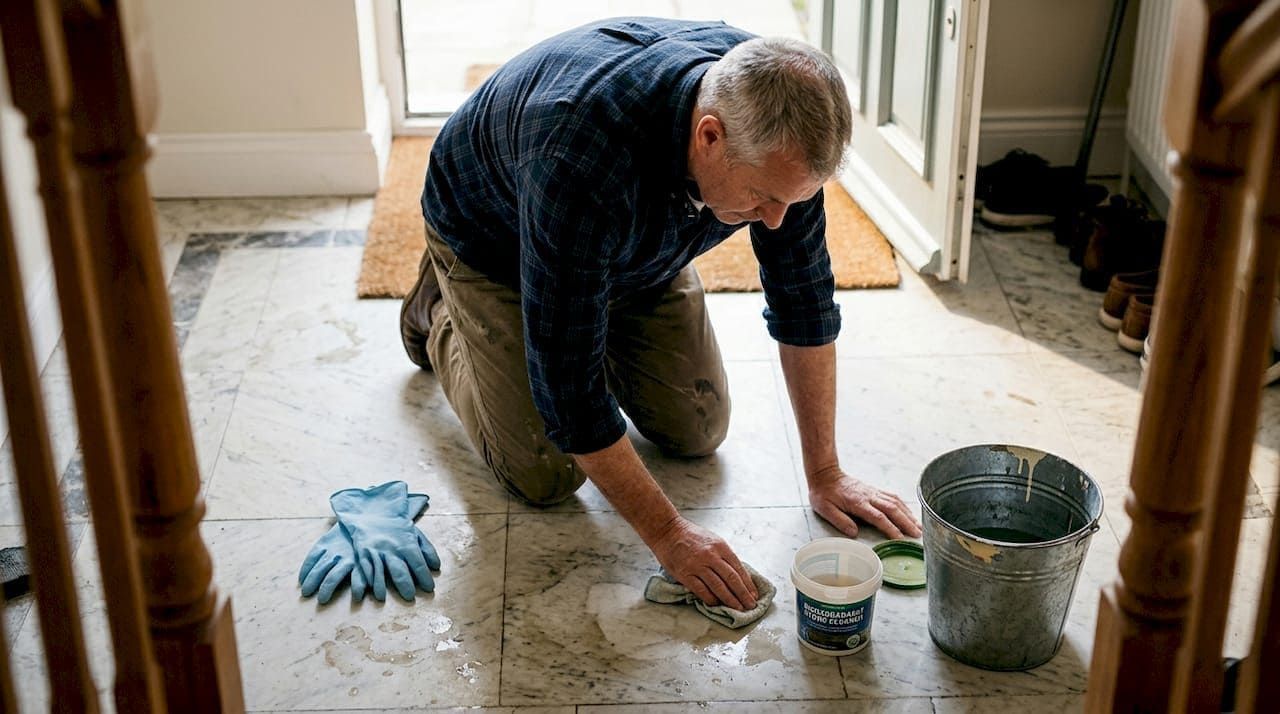
Following a systematic approach ensures thorough cleaning without surface damage. This process works for tile, stone, grout, and pool surfaces with minor adjustments based on material sensitivity.
- Prepare the area by removing loose items, sweeping debris, and ensuring adequate ventilation for indoor spaces
- Test products on an inconspicuous area first, waiting 24 hours to verify no discoloration or damage occurs
- Apply cleaner according to manufacturer instructions, using appropriate dilution ratios and contact times
- Scrub gently with non-abrasive tools like microfiber cloths, soft brushes, or foam pads to protect surface finishes
- Rinse thoroughly with clean water, removing all cleaner residue that could attract dirt or leave streaks
- Dry completely before applying sealers, using clean towels or allowing adequate air-drying time
- Seal surfaces if applicable, applying eco-safe sealer in thin, even coats following product guidelines
- Establish routine maintenance schedule based on traffic levels and surface exposure to extend restoration results
Pro Tip: Microfiber cloths and low-VOC sealers make a major difference in finish quality and air quality, delivering professional results without specialized equipment.
A consistent maintenance routine reduces the need for heavy restoration by preventing buildup and damage. Weekly or biweekly cleaning with appropriate products keeps surfaces looking fresh and extends the time between intensive treatments. This approach saves money, reduces chemical use, and preserves surface integrity over decades.
Timing matters for optimal results. Clean surfaces when temperatures are moderate, avoiding extreme heat or cold that affects product performance. Allow adequate drying time before foot traffic or furniture replacement. Rushing the process compromises results and may require repeating steps.
For best outcomes, work in manageable sections rather than tackling entire rooms at once. This prevents cleaner from drying before you can rinse it and ensures consistent coverage. Overlapping slightly between sections creates uniform results without visible transition lines.
Maintaining restored surfaces: Long-term eco-friendly care
Preserving your restoration investment requires ongoing attention and smart habits. Simple practices prevent damage and keep surfaces looking pristine for years.
- Wipe spills immediately to prevent staining, especially on porous materials like natural stone and grout
- Use daily neutral pH cleaners for ongoing care, avoiding harsh products that strip sealers or damage finishes
- Reseal stone and grout annually or as manufacturer guidelines recommend, maintaining protective barriers
- Monitor high-traffic areas for early wear signs and touch up as needed before damage becomes extensive
- Place mats at entryways to reduce tracked-in dirt and grit that scratches surfaces
- Use coasters and trivets to protect countertops from heat, moisture, and acidic substances
Ongoing eco-friendly maintenance helps protect both your investment and the environment by reducing the need for intensive chemical treatments. Consistent care with gentle products preserves surface beauty while minimizing ecological impact.
| Common Issue | Preventive Action | Eco-Friendly Solution |
|---|---|---|
| Grout discoloration | Seal after cleaning | Oxygen-based grout cleaner |
| Stone etching | Use coasters, avoid acids | pH-neutral stone cleaner |
| Pool calcium buildup | Regular brushing | Biodegradable calcium releaser |
| Tile soap scum | Squeegee after use | Plant-based daily cleaner |
| Sealed surface wear | Limit harsh cleaners | Reapply low-VOC sealer |
Establishing a cleaning checklist helps you stay consistent without feeling overwhelmed. Breaking tasks into daily, weekly, and monthly categories makes maintenance manageable. Daily tasks take minutes, while weekly and monthly jobs require more time but prevent major problems.
Protecting surfaces starts with understanding their vulnerabilities. Natural stone requires different care than ceramic tile. Grout needs more frequent attention than sealed surfaces. Pool areas face unique challenges from constant water exposure and chemical treatments. Tailoring your approach to each surface type delivers better results with less effort.
Investing in quality stone sealer protection pays dividends through reduced maintenance needs and extended surface life. Properly sealed surfaces resist staining, require less frequent deep cleaning, and maintain their appearance longer. Following a travertine aftercare guide or similar resource for your specific materials ensures you're using appropriate techniques.
Find the best eco-friendly restoration products and expert support
You've learned the strategies for effective, environmentally responsible surface restoration. Now it's time to access the specialized products and expert guidance that make implementation easy.
Our curated selection of eco-friendly cleaners and sealers addresses every surface type in your home. From pH-neutral tile and stone cleaner for daily maintenance to specialized restoration formulas for challenging buildup, we offer solutions that deliver professional results without compromising safety or environmental values. Each product is selected for proven performance, genuine eco-credentials, and compatibility with the surfaces you care about most.
Explore our eco-friendly cleaning essentials guide for comprehensive recommendations tailored to different needs and budgets. Whether you're maintaining a single bathroom or managing multiple properties, our
essential home cleaners collection provides everything you need for complete surface care.
Contact our team for personalized advice on product selection, application techniques, or troubleshooting specific surface challenges.
Frequently asked questions
What is the safest eco-friendly cleaner for natural stone?
A pH-neutral, biodegradable cleaner specifically designed for stone is safest for preserving luster and structure. These formulas clean effectively without the acids that cause etching or the alkalines that dull finishes.
How often should hard surfaces be resealed?
Most stone and grout surfaces should be resealed every 12-18 months, or as manufacturer guidelines suggest. High-traffic areas may require more frequent application, while protected surfaces can go longer between treatments.
Can eco-friendly cleaners remove pool tile calcium buildup?
Yes, specialized eco-safe products can soften and remove calcium deposits without damaging tile or harming the environment. These formulas work through chelation rather than harsh acids, making them safer for all pool components.
Are eco-cleaning results as good as traditional methods?
With the right products and regular care, eco-friendly cleaners often outperform harsh chemicals in long-term surface protection. They clean effectively while preserving sealers and finishes that harsh products strip away.
How do I know if my surface needs resealing?
Perform a water test by placing drops on the surface. If water absorbs within minutes rather than beading up, resealing is needed to restore protection against stains and moisture damage.
Recommended

