
Grout Maintenance: Eco-Friendly Solutions That Last
Grout Maintenance: Eco-Friendly Solutions That Last
Grout may look tough, but it is surprisingly vulnerable to everyday wear, moisture, and stains on natural stone or pool surfaces. For eco-conscious homeowners, choosing gentle, environmentally safe maintenance methods is key to preserving both beauty and durability. With the right approach, you can avoid common mistakes and ensure your grout stays clean, protected, and visually appealing while protecting your family’s health and the environment.
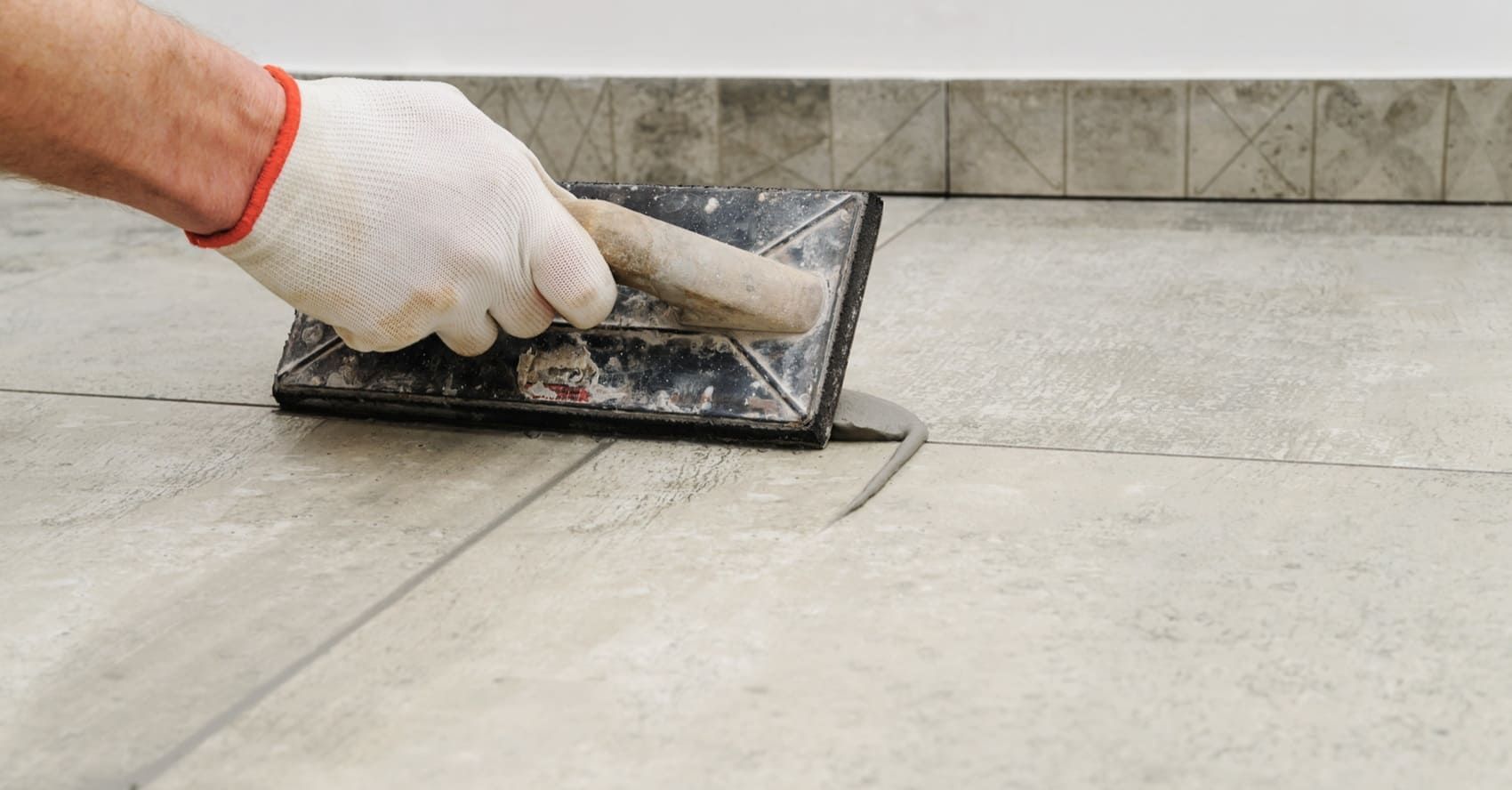
Table of Contents
Key Takeaways
| Point | Details |
|---|---|
| Grout Requires Special Care | Proper grout maintenance involves understanding its porous nature and the specific needs of different grout types. |
| Avoid Harsh Chemicals | Using abrasive cleaners can damage grout; opt for pH-neutral and eco-friendly solutions instead. |
| Routine Maintenance is Essential | Daily and weekly cleaning practices help prevent grout degradation and maintain aesthetic appeal. |
| Common Mistakes to Avoid | Improper mixing and applying new grout over old layers can significantly compromise grout integrity. |
Grout Maintenance Basics and Key Misconceptions
Grout maintenance is more complex than most homeowners realize. While seemingly straightforward, proper care requires understanding the nuanced characteristics of this critical surface element. Maintenance strategies involve much more than occasional cleaning.
Contrary to popular belief, grout is not a uniform, indestructible material. It’s a porous substance vulnerable to moisture, staining, and structural degradation. Homeowners frequently misunderstand its delicate nature, often applying harsh chemicals or aggressive cleaning techniques that can cause more damage than repair. Improper maintenance can lead to premature cracking, discoloration, and compromised surface integrity.
Some key misconceptions about grout maintenance include believing all cleaning solutions are equally effective and that grout requires minimal attention. In reality, different tile types demand specialized approaches. Ceramic tiles differ from natural stone, and each requires unique cleaning protocols. Avoiding harsh chemicals is crucial for preserving grout’s structural integrity and appearance.
Pro tip: Conduct a small patch test with any new cleaning solution in an inconspicuous area to verify compatibility and prevent potential surface damage.
Different Grout Types and Care Needs
Grout is far more complex than a simple binding material between tiles. Grout types vary significantly in composition, performance, and maintenance requirements, making thoughtful selection critical for long-term surface durability. Homeowners must understand the unique characteristics of each grout variety to ensure proper care and preservation.
The primary grout categories include cementitious, epoxy, and urethane options, each with distinct properties. Cementitious grout, the most traditional type, is porous and requires regular sealing to prevent moisture penetration and staining. Epoxy grout offers superior stain resistance and durability but demands more complex application techniques. Urethane grout provides a flexible alternative with enhanced moisture protection, making it ideal for areas prone to movement or temperature fluctuations.
Specific grout subtypes like sanded and unsanded varieties further complicate maintenance strategies. Maintenance protocols differ dramatically based on joint width, tile material, and environmental conditions. Sanded grout works best for wider tile joints, while unsanded grout suits narrow spaces and delicate tile surfaces. Each type requires tailored cleaning approaches, specialized sealants, and specific care techniques to maintain its structural integrity and aesthetic appeal.
Here is a quick comparison of common grout types and their ideal applications:
| Grout Type | Key Properties | Best Areas of Use | Maintenance Frequency |
|---|---|---|---|
| Cementitious | Porous, traditional | Kitchens, bathrooms | Seal twice a year |
| Epoxy | Stain-resistant, durable | Commercial spaces | Minimal, spot checks |
| Urethane | Flexible, moisture-proof | Floors, outdoor patios | Annual inspection |
Pro tip: Always consult manufacturer guidelines and conduct a small test patch when using new cleaning or sealing products to prevent potential surface damage or discoloration.
Routine Cleaning Methods for Grout Longevity
Maintaining grout requires a strategic approach that goes beyond simple surface cleaning. Daily and weekly cleaning practices form the foundation of effective grout preservation, protecting both aesthetic appeal and structural integrity. Understanding the nuanced techniques for routine maintenance can dramatically extend the life of your tiled surfaces.
The first line of defense involves preventing dirt and moisture accumulation. Daily practices like thorough squeegeeing in wet areas and quick wipe-downs can significantly reduce grout degradation. Using soft microfiber cloths and mild pH-neutral cleaners helps remove surface contaminants without causing abrasion. Weekly deep cleaning becomes crucial, with targeted approaches like creating a baking soda paste or using hydrogen peroxide to address stubborn stains without compromising grout structure.
Eco-conscious homeowners should prioritize gentle, non-toxic cleaning methods that protect both the grout and surrounding environment. Avoid harsh chemical cleaners that can erode grout and damage tile surfaces. Instead, focus on natural solutions that effectively remove dirt and prevent mold growth. Consistent maintenance not only preserves the visual appeal of your surfaces but also prevents costly repairs and replacements down the line.
Below is a summary of routine grout cleaning methods and their advantages:
| Cleaning Method | Main Advantage | When to Use |
|---|---|---|
| Squeegeeing | Reduces moisture buildup | Daily in wet areas |
| pH-neutral cleaner | Gentle on grout | Weekly maintenance |
| Baking soda paste | Natural stain removal | Stubborn stains |
| Hydrogen peroxide | Fights mold, disinfects | Occasional deep cleaning |
Pro tip: Create a dedicated cleaning kit with soft-bristled brushes, microfiber cloths, and eco-friendly cleaning solutions to streamline your regular grout maintenance routine.

Eco-Friendly Grout Sealers and Protectors
Navigating the world of grout protection requires a nuanced understanding of environmentally conscious solutions.
Penetrating sealers represent the gold standard in sustainable surface maintenance, offering invisible barriers that protect without compromising ecological integrity. These advanced formulations create a breathable shield that repels moisture and prevents potential damage while maintaining the natural characteristics of your surfaces.
Eco-friendly grout sealers distinguish themselves through low VOC content and non-toxic ingredients. Unlike traditional chemical-heavy sealants, these sustainable alternatives focus on creating protective barriers that allow grout to breathe naturally. The most effective products penetrate deep into grout pores, creating molecular-level protection against water, stains, and potential mold growth. By selecting sealers with minimal environmental impact, homeowners can simultaneously protect their surfaces and reduce their ecological footprint.
Application techniques are equally crucial in sustainable grout protection. Sustainable maintenance strategies emphasize thorough cleaning and complete drying before sealer application. Proper preparation ensures maximum product effectiveness and longevity. Environmentally conscious sealers not only protect surfaces but also contribute to healthier indoor air quality by eliminating harmful chemical residues and preventing potential microbial growth.
Pro tip: Always test your eco-friendly sealer on a small, inconspicuous area first to ensure compatibility with your specific tile and grout surfaces.
Common Maintenance Mistakes to Avoid
Grout maintenance requires precision and careful attention to detail. Typical maintenance errors can significantly compromise the longevity and appearance of your tiled surfaces. Understanding these common pitfalls is crucial for preserving the structural integrity and aesthetic appeal of your grout.
One of the most critical mistakes homeowners make involves improper mixing and application techniques. Using incorrect water ratios can weaken grout, leading to premature cracking and structural instability. Additionally, many people mistakenly apply new grout directly over existing deteriorated layers, which prevents proper adhesion and creates uneven surfaces. Harsh cleaning agents and abrasive scrubbing tools can further damage grout, eroding its protective surface and making it more susceptible to staining and moisture penetration.
Environmentally conscious maintenance requires a nuanced approach that balances thorough cleaning with gentle techniques. Avoid aggressive chemical treatments that strip away grout’s natural protective qualities. Instead, focus on pH-neutral cleaners and soft-bristled tools that remove dirt without causing mechanical damage. Premature cleaning before grout has fully cured can also compromise its structural integrity, so patience and understanding of the curing process are essential for long-term surface preservation.
Pro tip: Always perform a small test patch with any new cleaning method to verify its effectiveness and prevent potential surface damage.
Protect Your Grout the Eco-Friendly Way with Oceancare Store
Grout maintenance often challenges homeowners who want effective yet safe cleaning and sealing solutions that truly last. This article highlights the need to avoid harsh chemicals and prioritize eco-friendly sealers that protect grout from moisture, stains, and wear without causing damage or environmental harm. If you are seeking plant-based, biodegradable products that align with these careful maintenance strategies, the Oceancare Store specializes in exactly that. Our selection focuses on low VOC, non-toxic cleaners and sealers developed specifically for grout and other delicate surfaces, helping you preserve your tile surfaces while caring for your home and planet.
Discover premium cleaning and sealing products tailored to your grout type and maintenance needs at Oceancare Store. Take control of your surface care routine with effective, sustainable solutions designed to enhance longevity and beauty without compromise. Act now to experience a safer, greener approach to grout maintenance by visiting our website and exploring the full range of eco-conscious products crafted for your home and commercial spaces.
Frequently Asked Questions
What are the benefits of using eco-friendly grout sealers?
Eco-friendly grout sealers offer low VOC content and non-toxic ingredients, providing effective protection against moisture and stains while maintaining healthier indoor air quality.
How should I apply eco-friendly grout sealers for the best results?
For optimal effectiveness, ensure that your grout is thoroughly cleaned and completely dried before applying the sealer. This preparation allows for better adhesion and longevity of the product.
Are there different types of eco-friendly grout sealers available?
Yes, eco-friendly grout sealers include penetrating sealers that create invisible barriers, allowing grout to breathe naturally while protecting against water and mold growth.
How can I maintain my grout between sealing applications?
Regular cleaning with pH-neutral cleaners and avoiding harsh chemicals will help preserve the grout’s integrity. Daily squeegeeing in wet areas and weekly deep cleaning can also prolong the life of your grout.
Recommended
- How to Deep‑Clean Grout Without Harsh Acids
- Common Mistakes to Avoid When Applying Grout Sealers
- Stone & Grout Sealers: Unmatched Protection for Timeless Surfaces
- Top Tips for Removing Grout Haze and Maintaining Your Tiles
- Choosing Eco-Friendly Carpet Cleaners in 2025: A Guide for Yarra Valley Residents - Yarra Valley Carpet Cleaning

